

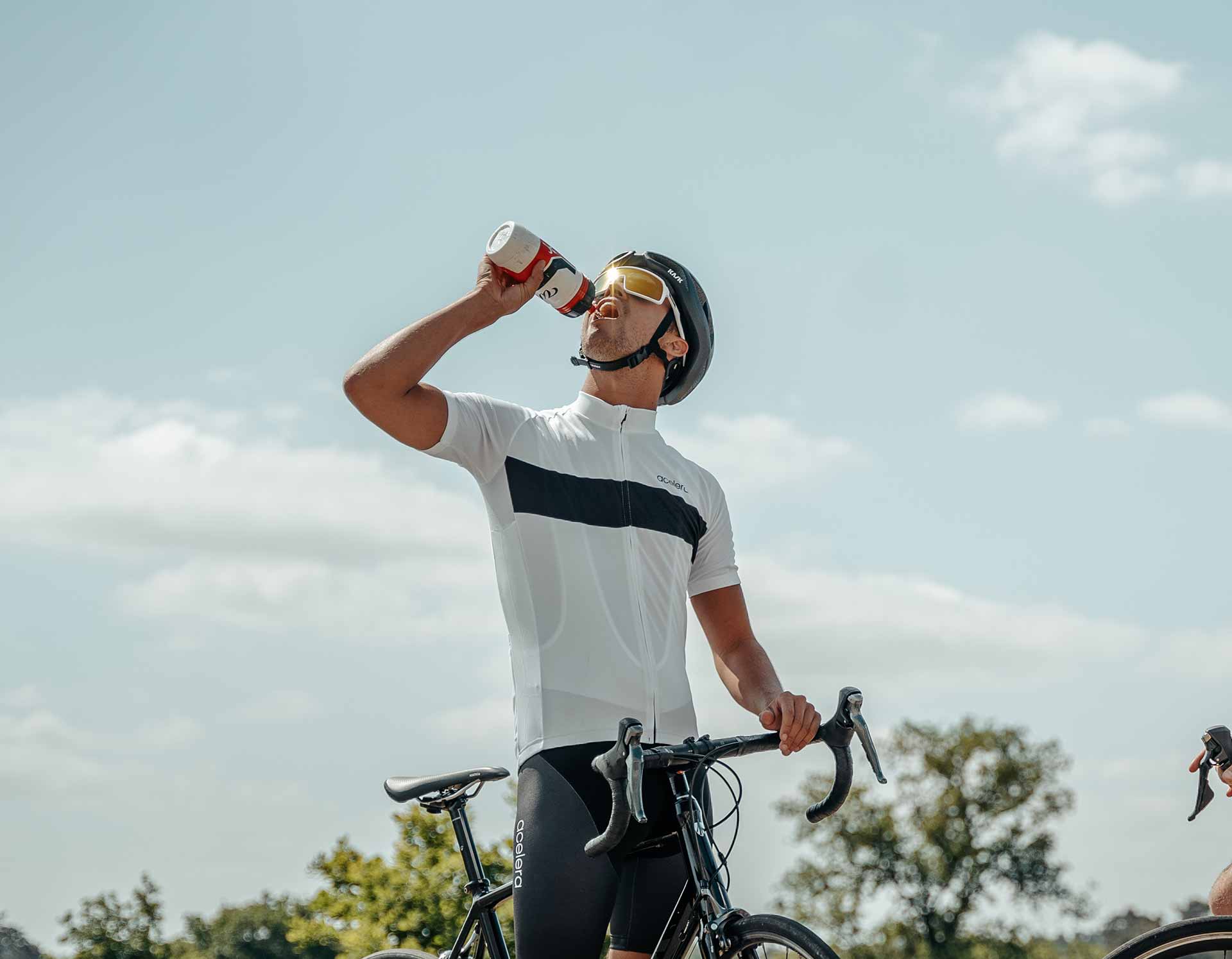
Cycling in hot weather: six tips to keep a cool head
A period of warm weather doesn't have to stop you from enjoying your bike ride! Provided you take some precautions to prevent overheating and dehydration. Let's not beat around the bush: it's hot. The heatwave may not last much longer, which is good news if you like the sun, but not ideal for your cycling life if you struggle to cycle in the heat. And these will certainly not be the last warm days this year! Cycling in the heat may be much more appealing than a chilly winter day, but it also comes with its own challenges to overcome as your body copes with the high temperatures.
We've listed six simple tips to avoid some common pitfalls while driving in hot weather.
1. Hydrate
One of the biggest obstacles to cycling in hot weather is proper hydration. You'll sweat more as your body tries to cool itself naturally, but that sweat evaporates quickly, making it difficult for you to measure exactly how much fluid you're losing. Make sure you have enough drinks with you, or know where you can refill along the way. Then drink a lot and often while cycling. It's amazing how much fluid you can consume on a hot day. Drinking two full bottles during a long ride is quite normal. Be careful not to drink until you feel thirsty. Instead, drink prior to the end of the ride. Using drinks with electrolytes can be a good idea to replace the electrolytes lost through sweating, which can sometimes cause cramps. Putting ice cubes in your water bottle before you leave will help keep your drink cool, at least for the first half hour…
2. Dress for the weather conditions
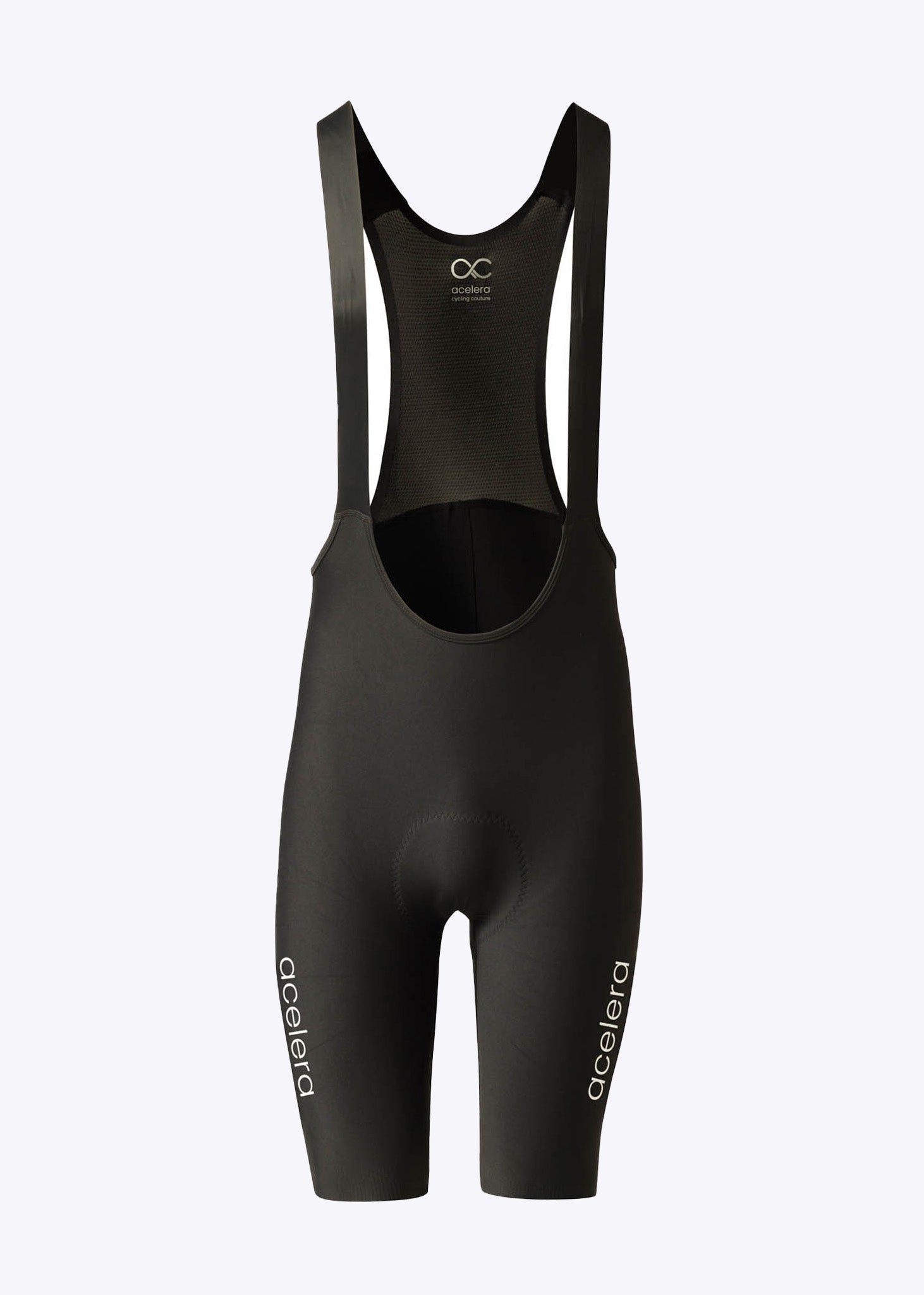
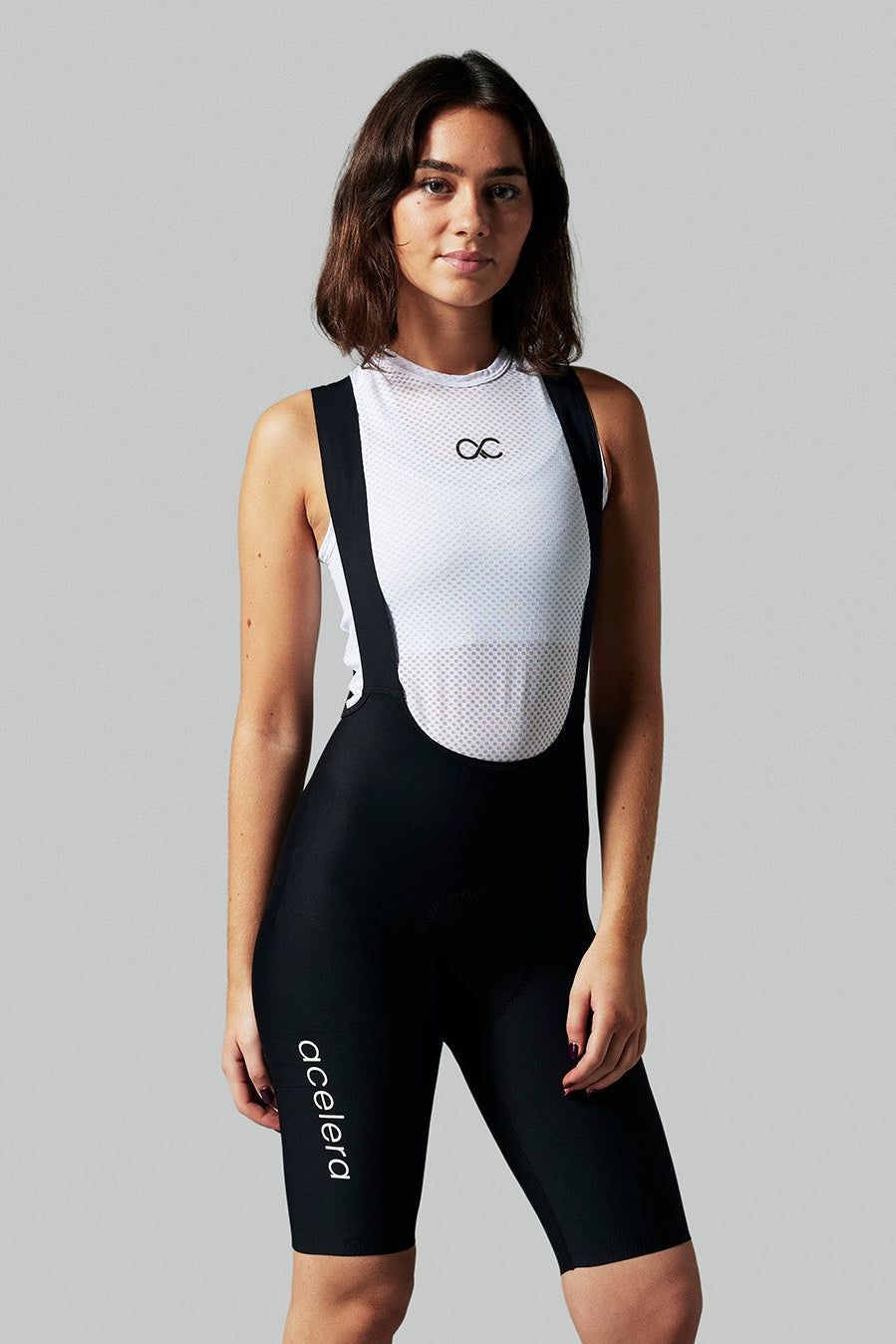
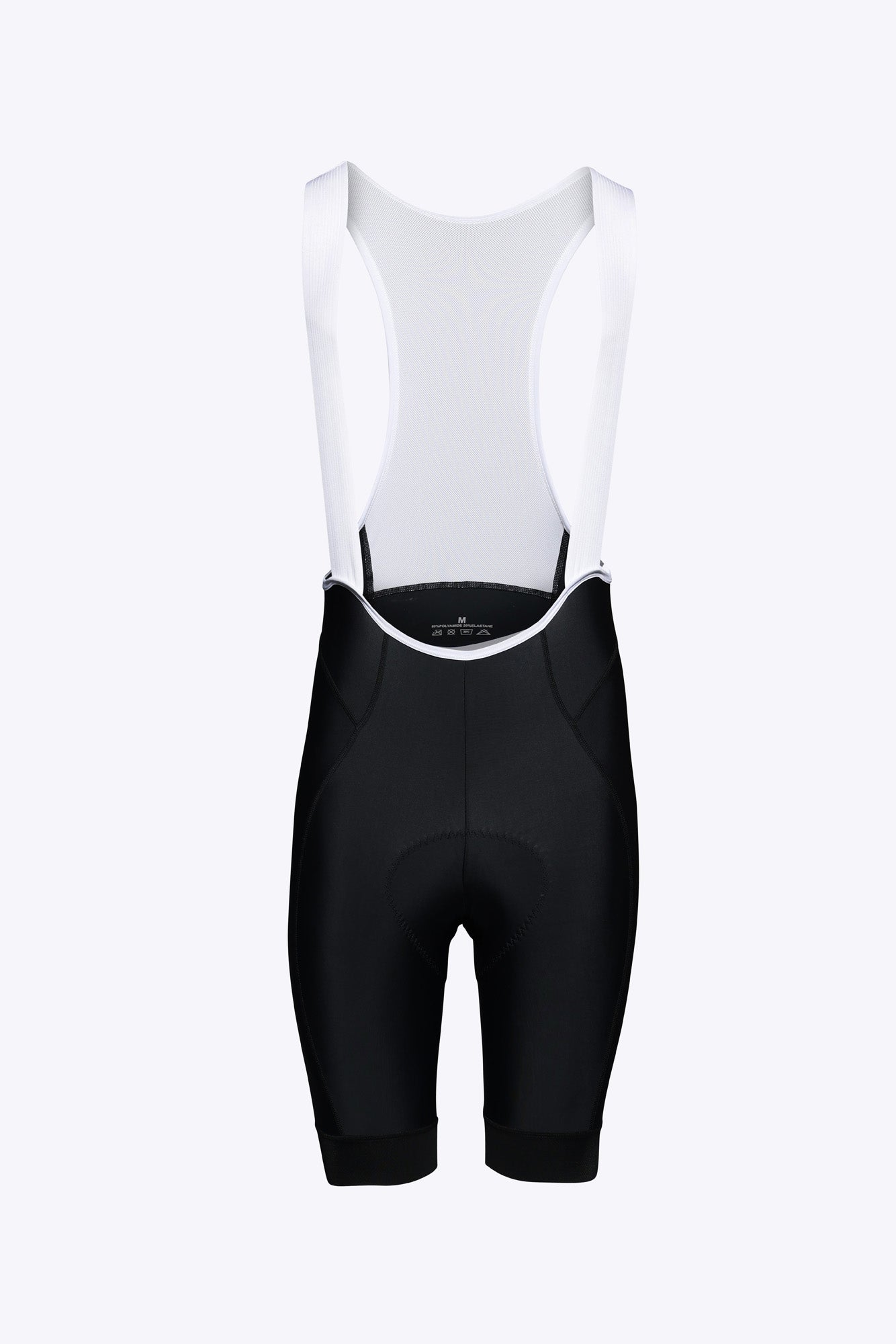
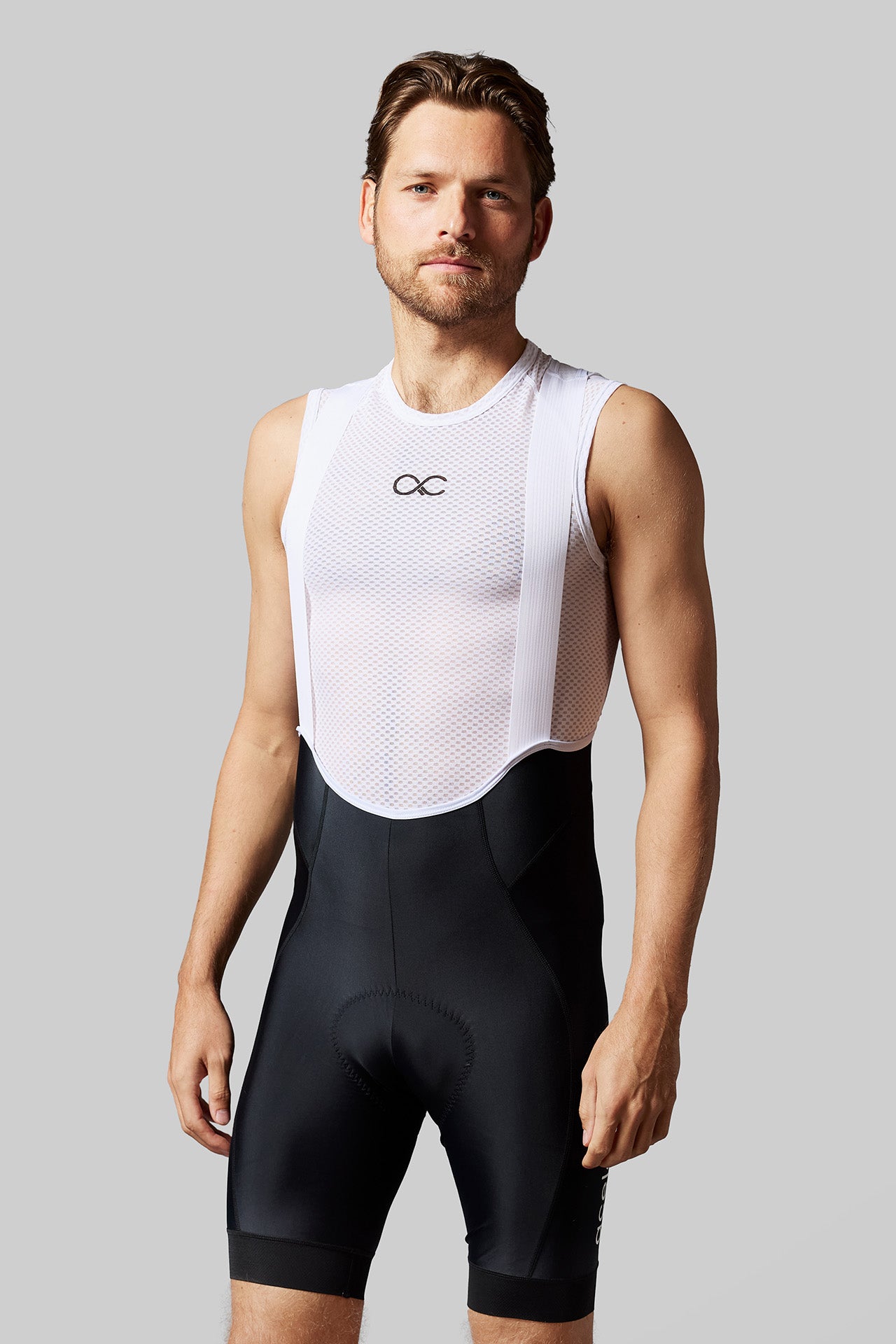
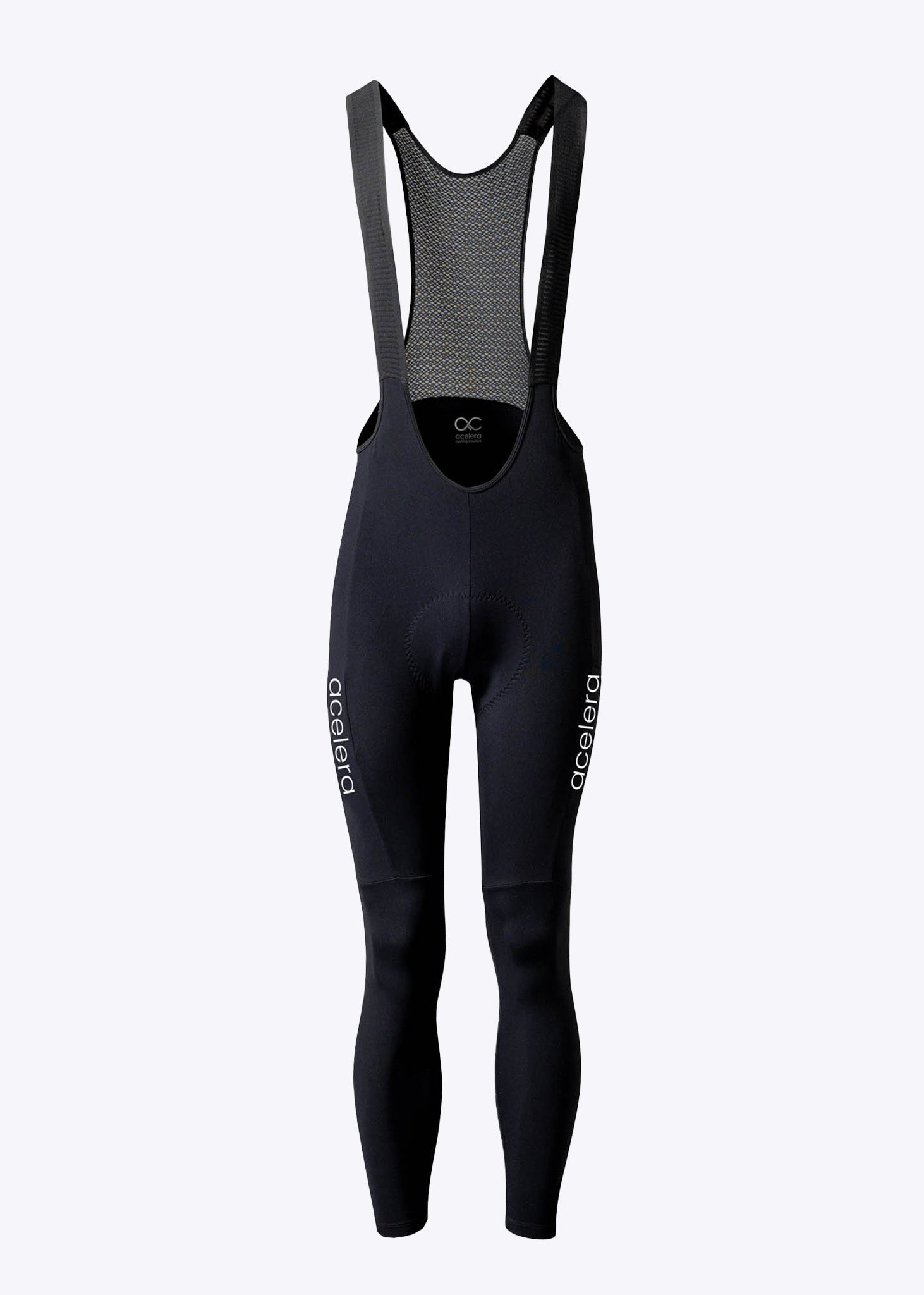
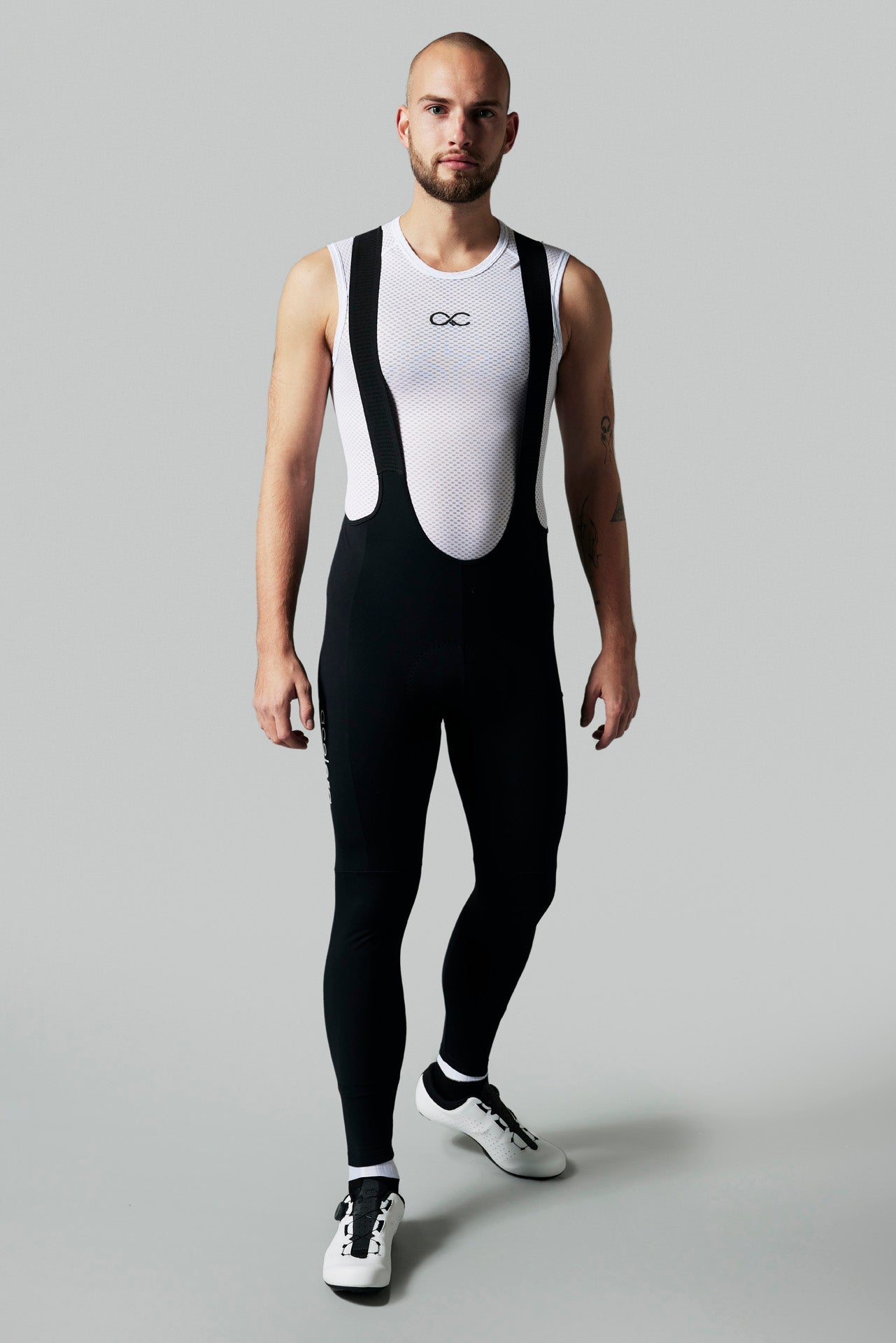
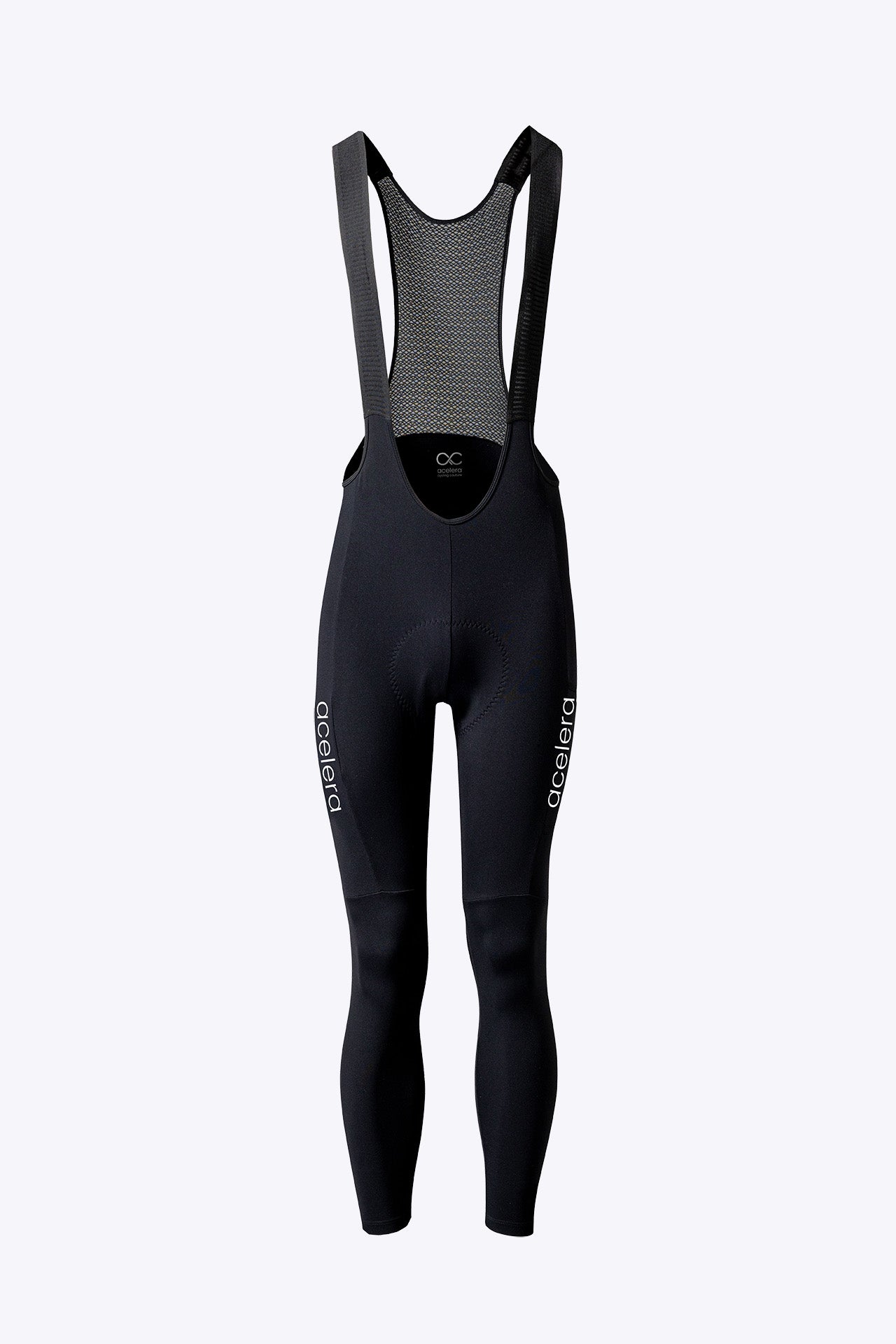
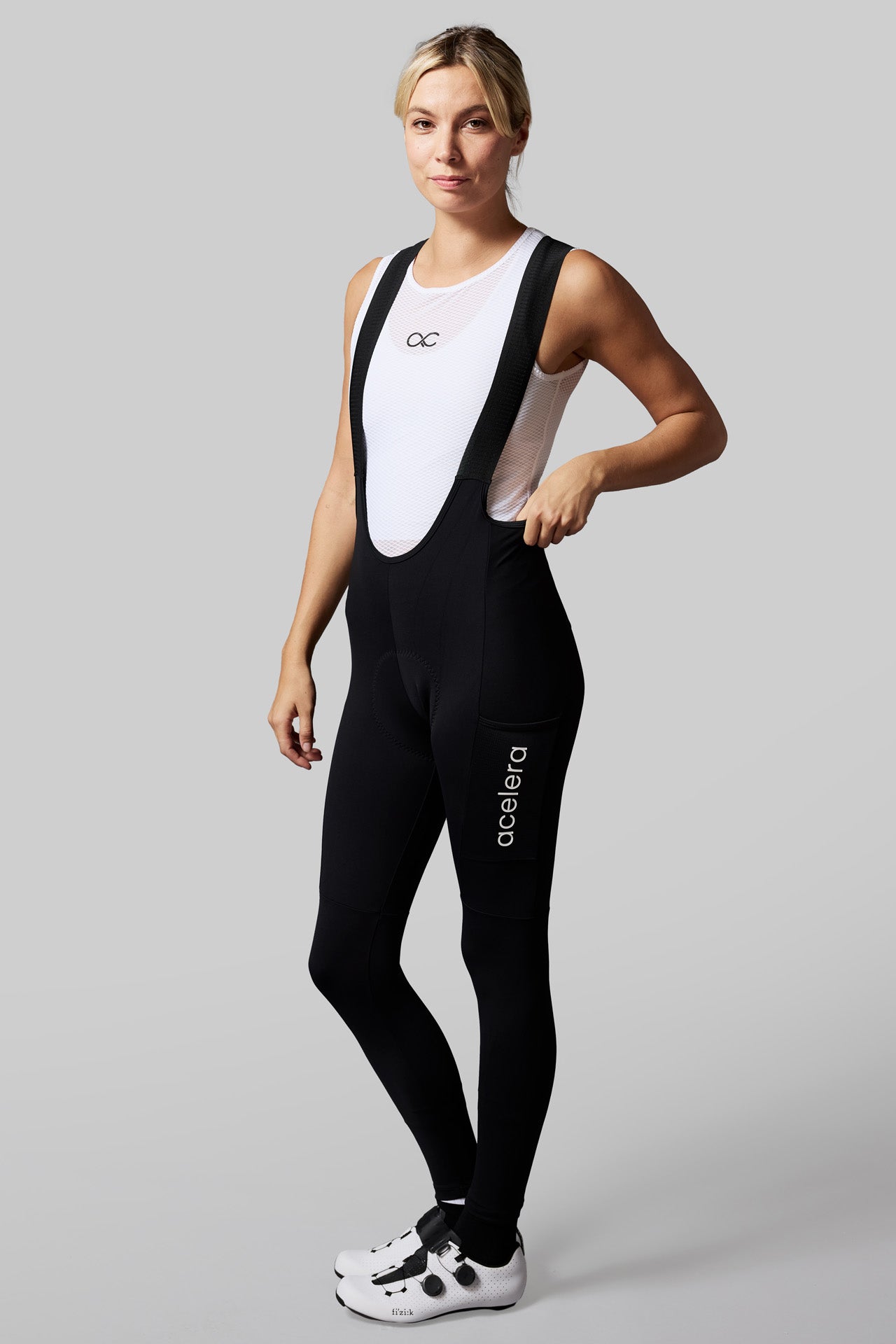
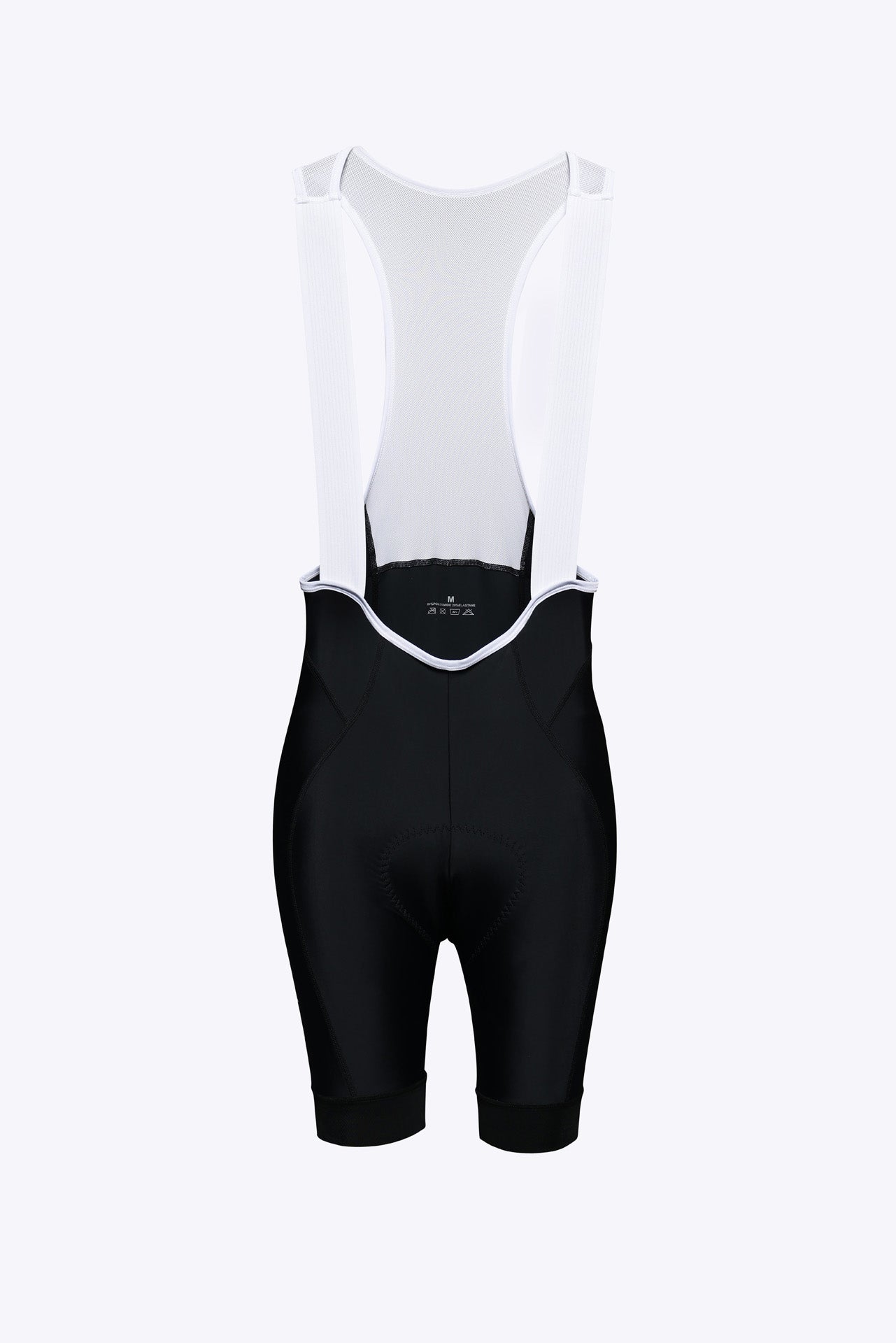
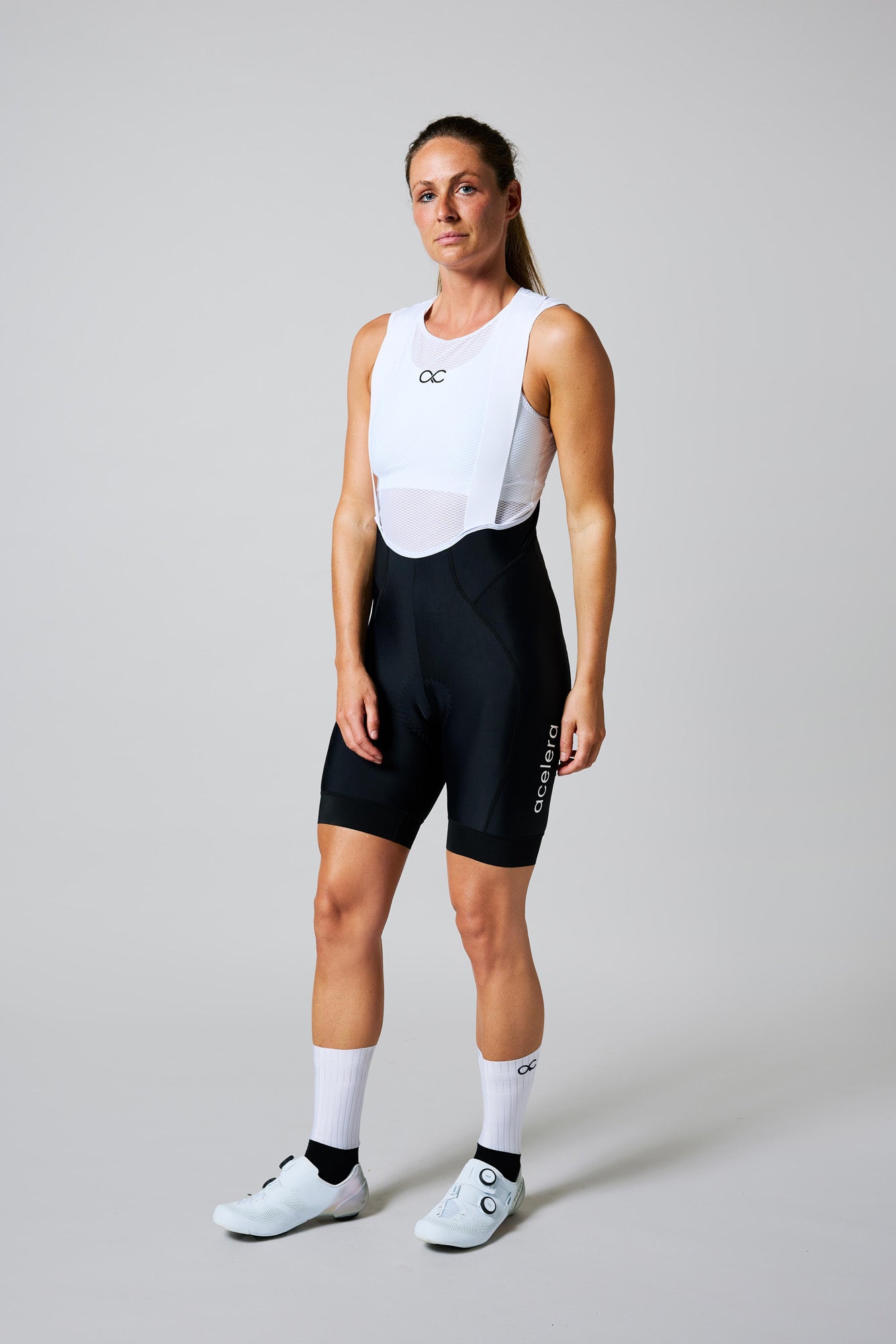
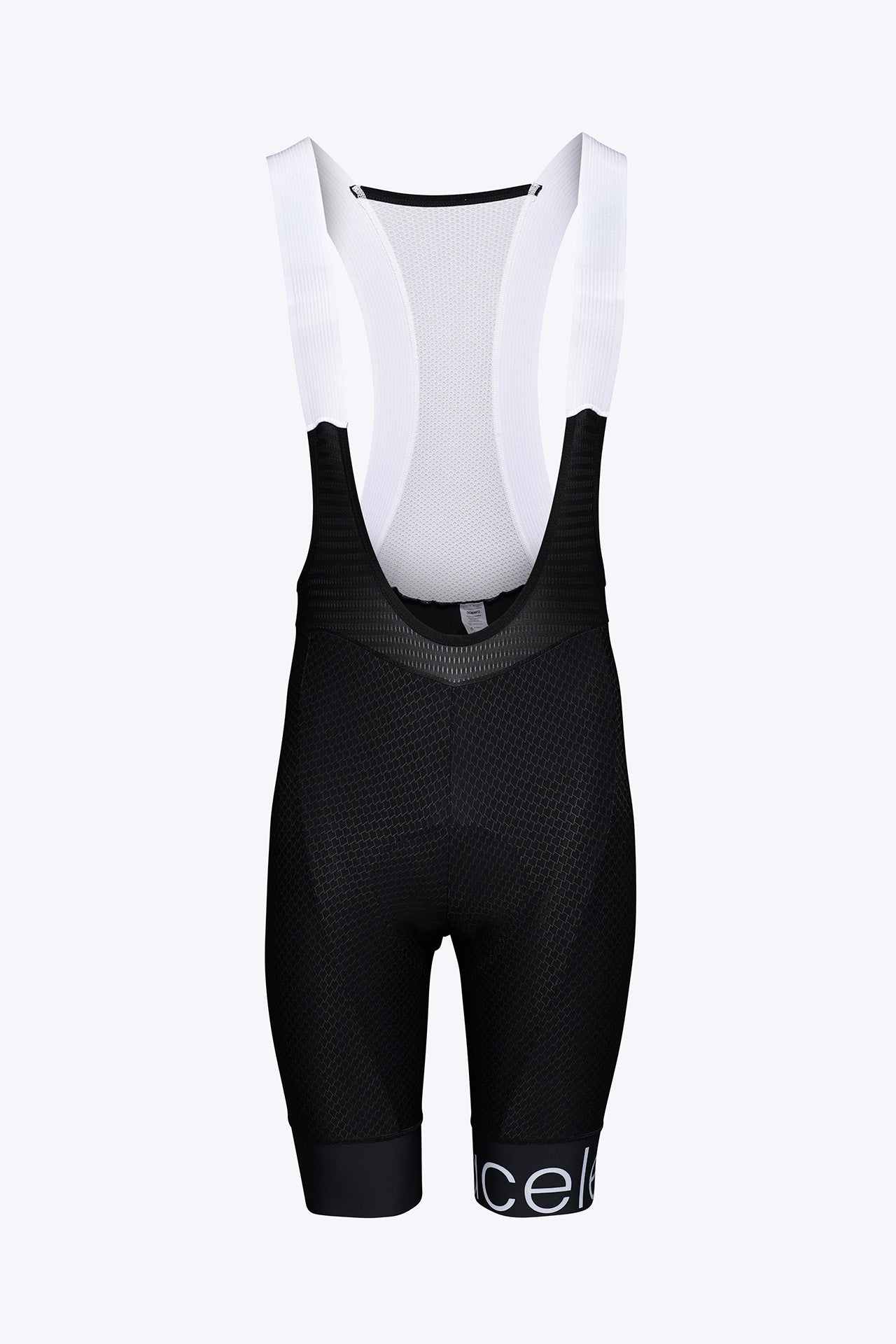
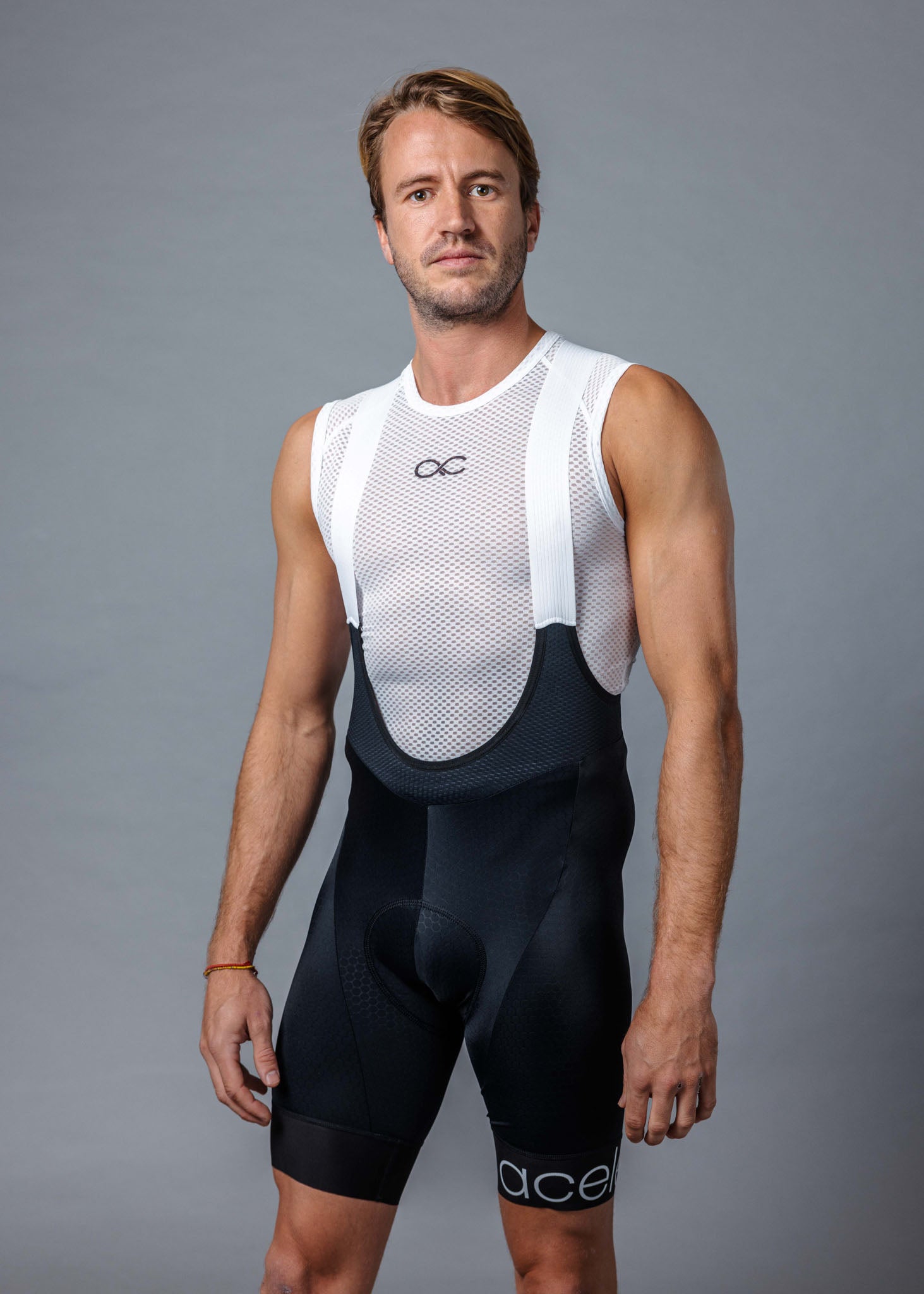
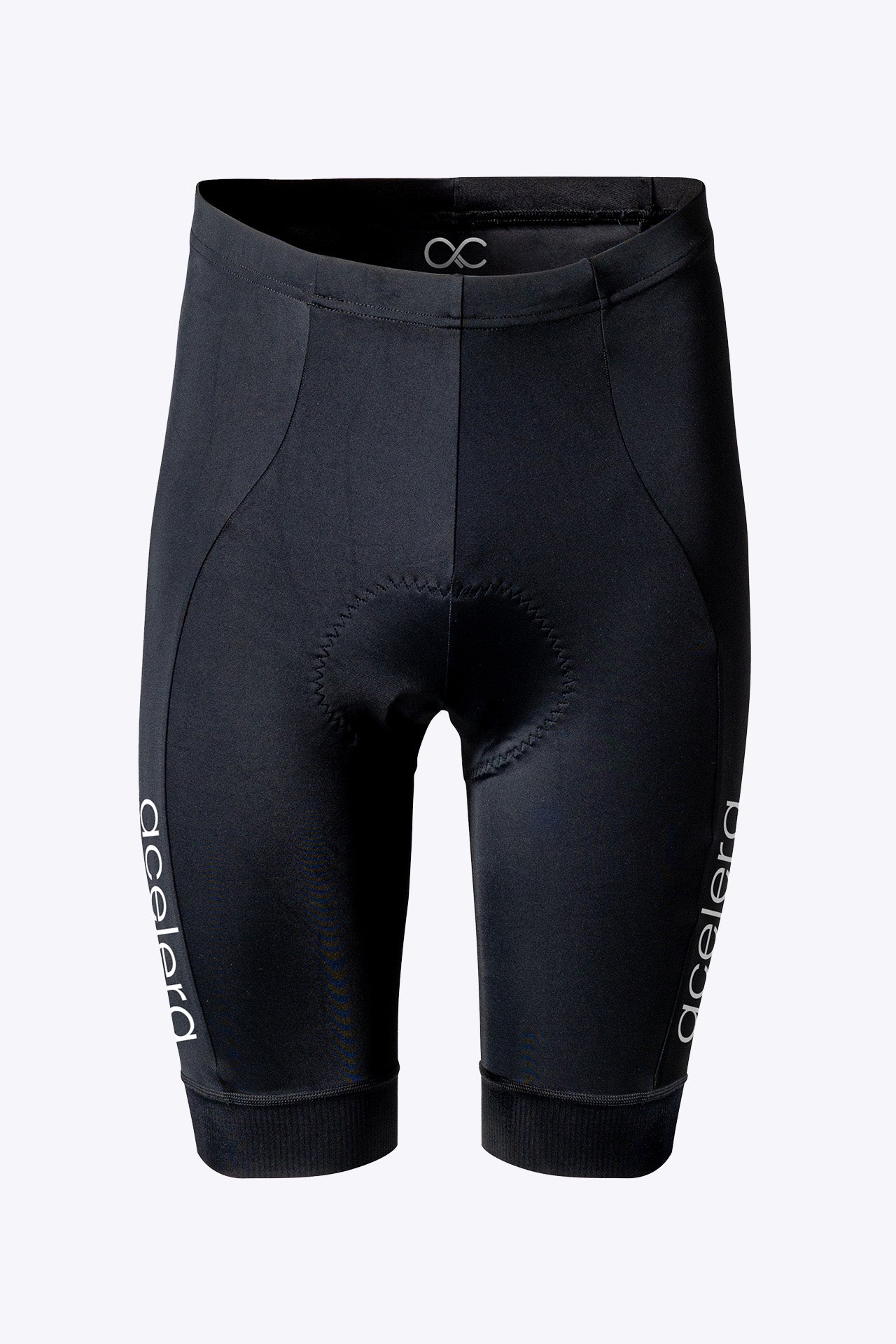
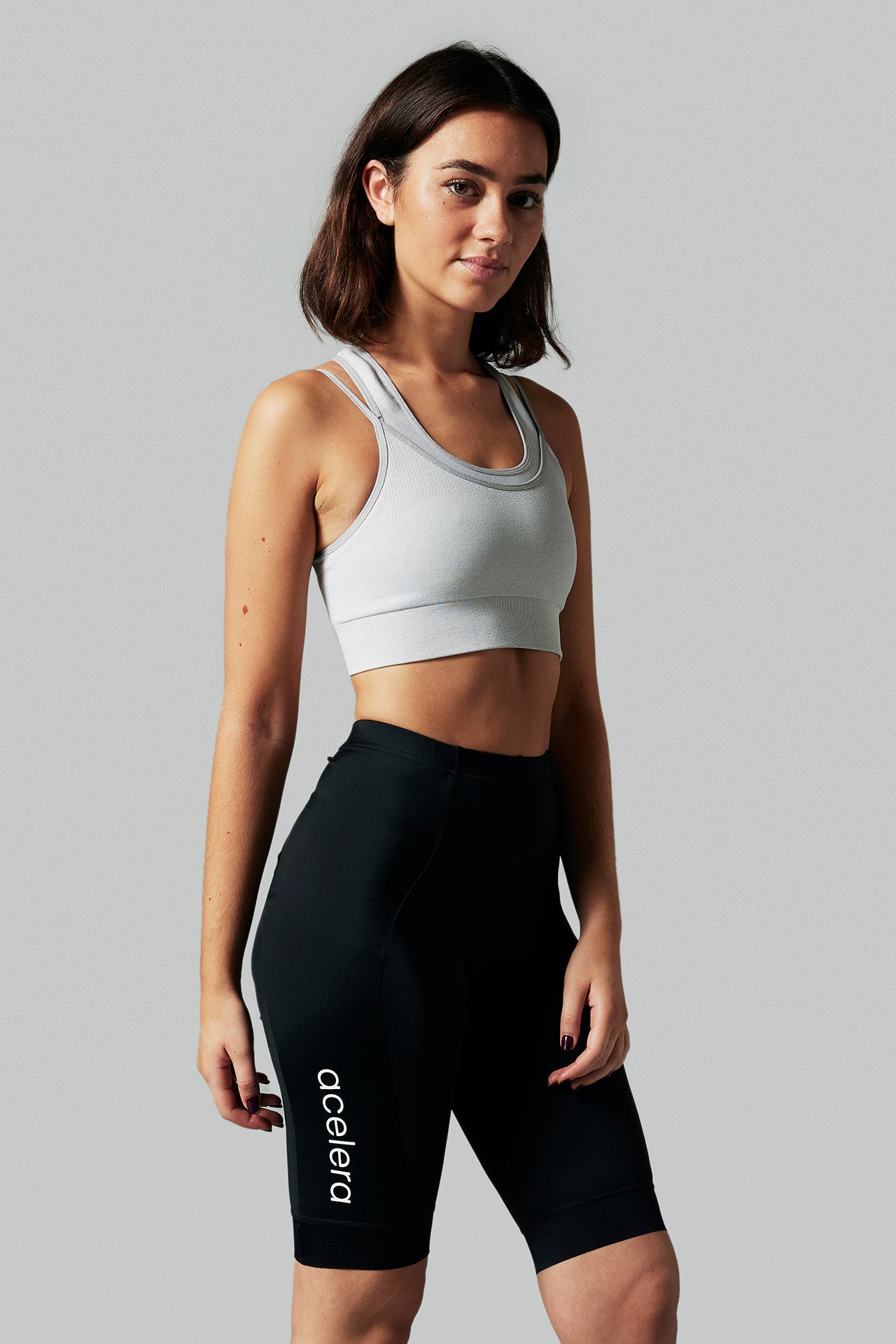
Make sure you have a good cycling outfit. Consider lightweight materials with moisture-wicking properties. These help cool you down and prevent an uncomfortable build-up of sweat. One cycling shirt a full front zip can help you regulate temperature, and a lightweight base layer can also help remove and evaporate sweat from your skin. The breeze you create while cycling has a cooling effect in itself and sometimes you only notice exactly how warm it is when you stop cycling. A well-fitting one cycling shorts is also essential, any friction on your sensitive parts made worse by sweat can quickly lead to uncomfortable pain. Applying chamois cream before the ride can help. In addition, wear sunglasses with 100% UV filter lenses to prevent damage to your eyes and prevent dust, insects and flies from taking a bath in your eyeballs.
3. Keep an eye on the road surface
After snow, ice, rain and potholes in winter, summer brings other road conditions to be wary of. On very hot days, the asphalt can melt, causing slippery or sticky tar spots as the road surface loosens due to the heat. Aside from the danger of driving on unstable road surfaces, tar can stick to your tires, attracting grit and grime.
4. Wear sunscreen - and keep applying it!
While some cyclists are proud of their tan as a badge of honor, others find it embarrassing to look like you're still wearing a white T-shirt when you take off your top. But laughable brown streaks aren't the biggest concern. Too much sun increases the risk of skin cancer due to excessive exposure to UV light. Apply sunscreen to exposed parts of your body: arms, legs, face and especially the back of your neck. The position on the bike means that the area at the front of your legs above the knee and calves will be more exposed to the sun than other parts of your legs.
5. Drive early in the morning or late at night
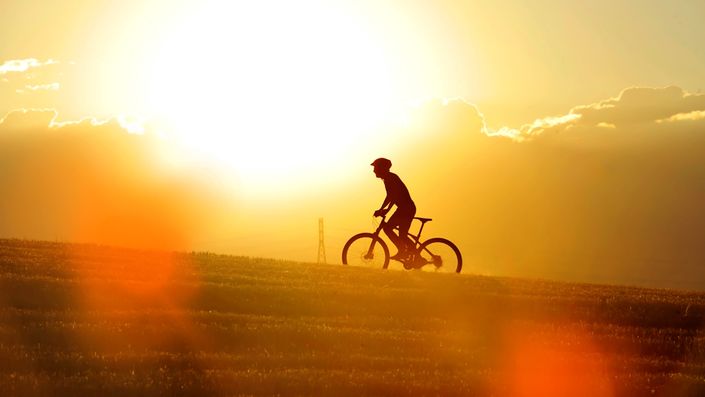
A very obvious way to avoid the intensity of the sun's rays is to avoid the hottest periods of the day before your bike ride. There is a lot of daylight in the summer months, so getting out early or at the end of the day can still mean cycling in the heat, but without intense sun and less heat. Driving in the morning or evening can have its advantages - quieter roads, and spotting wildlife that is usually hidden when the sun is fully in the sky. If you're riding at night, make sure you have bike lights, just in case you're having fun until the sun goes down! It's also a good idea to take a lightweight windbreaker or vest with you on an evening run if the weather cools as the sun sets.
6. Adjust your goals
A heatwave is not the time to try to PB on a Strava segment or retest your best 5- or 10-minute power. The harder you work, the more you'll sweat, so if it's really hot and you start to feel it and rush through your drinks, slow down or shorten your ride.
En wanneer je thuis komt…
Pay particular attention to your fluid intake when you get home, but don't forget to eat as you normally would after a ride. If you make a recovery drink before your ride and put it in the fridge for when you get back, you'll have a refreshing, cold drink without the hassle. A cold bath or shower will help cool you down and rinse off built-up dirt. Maybe you also think you deserve an ice cream or two...


Leave a comment
This site is protected by hCaptcha and the hCaptcha Privacy Policy and Terms of Service apply.