

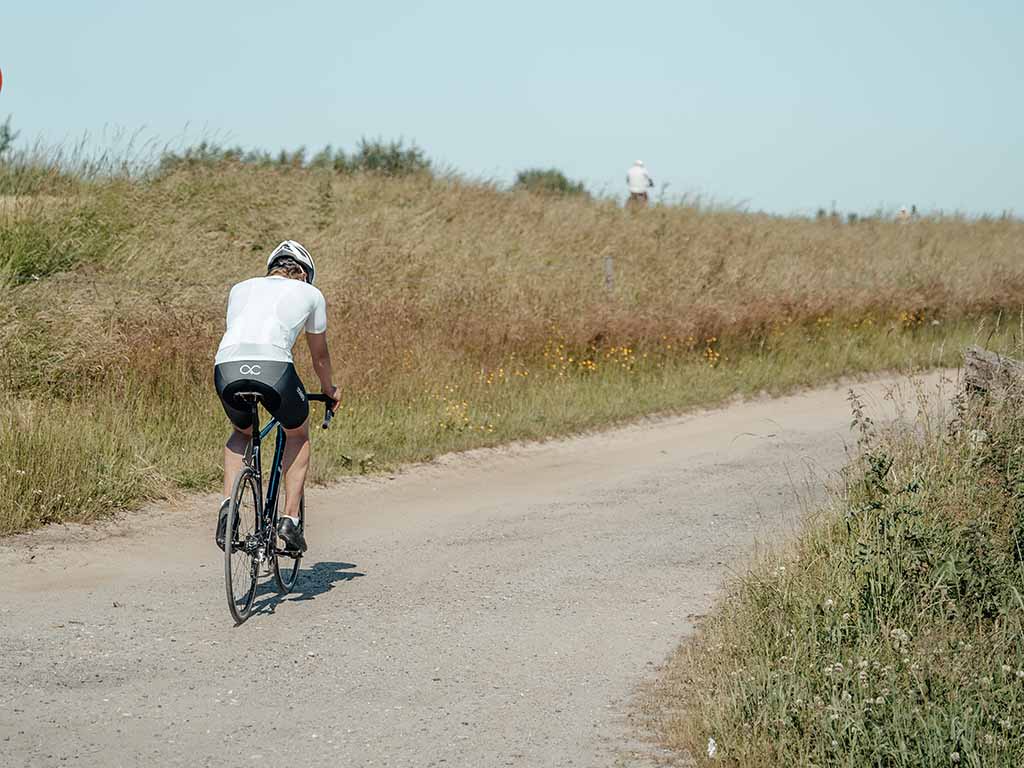
What is gravel biking?
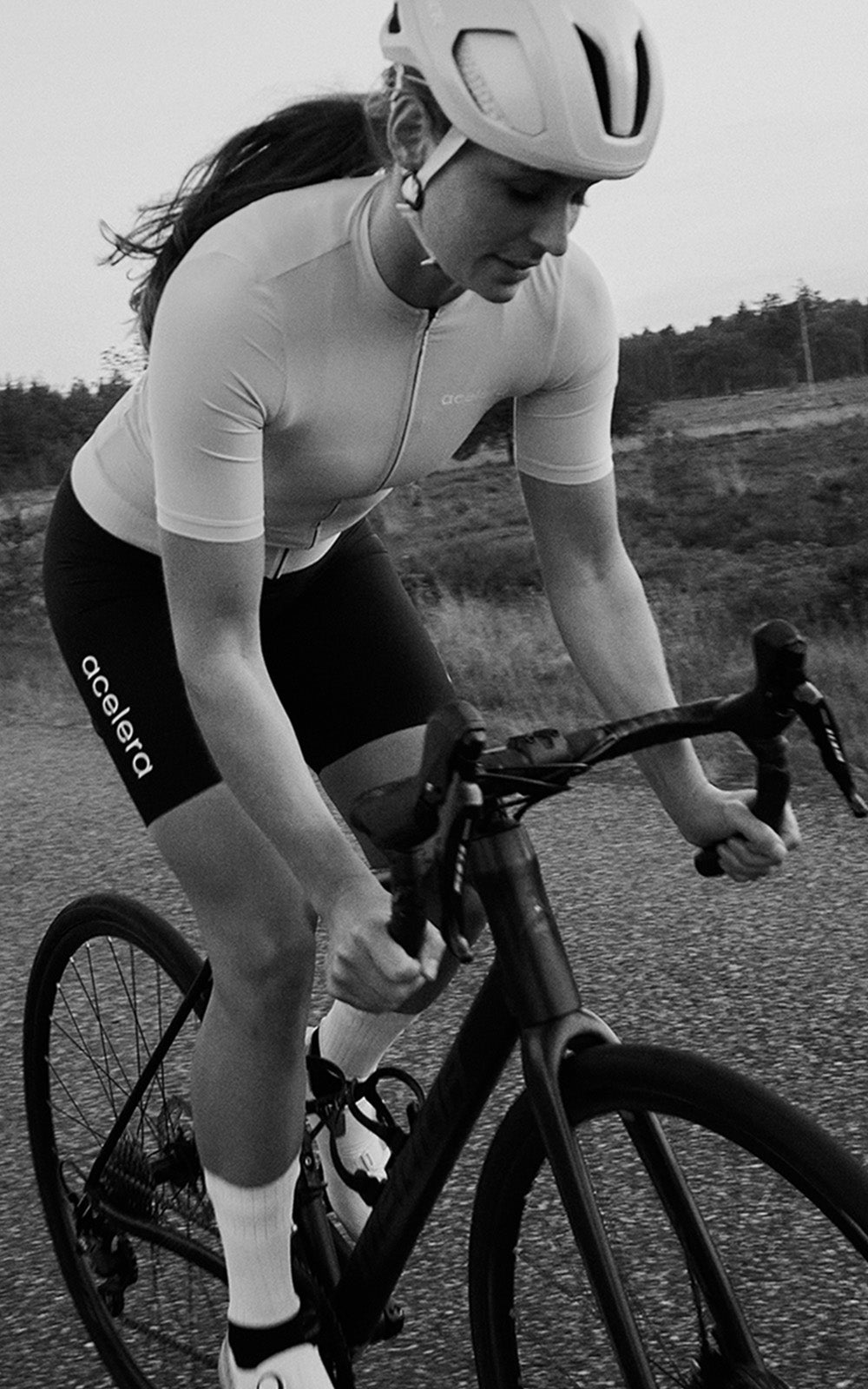
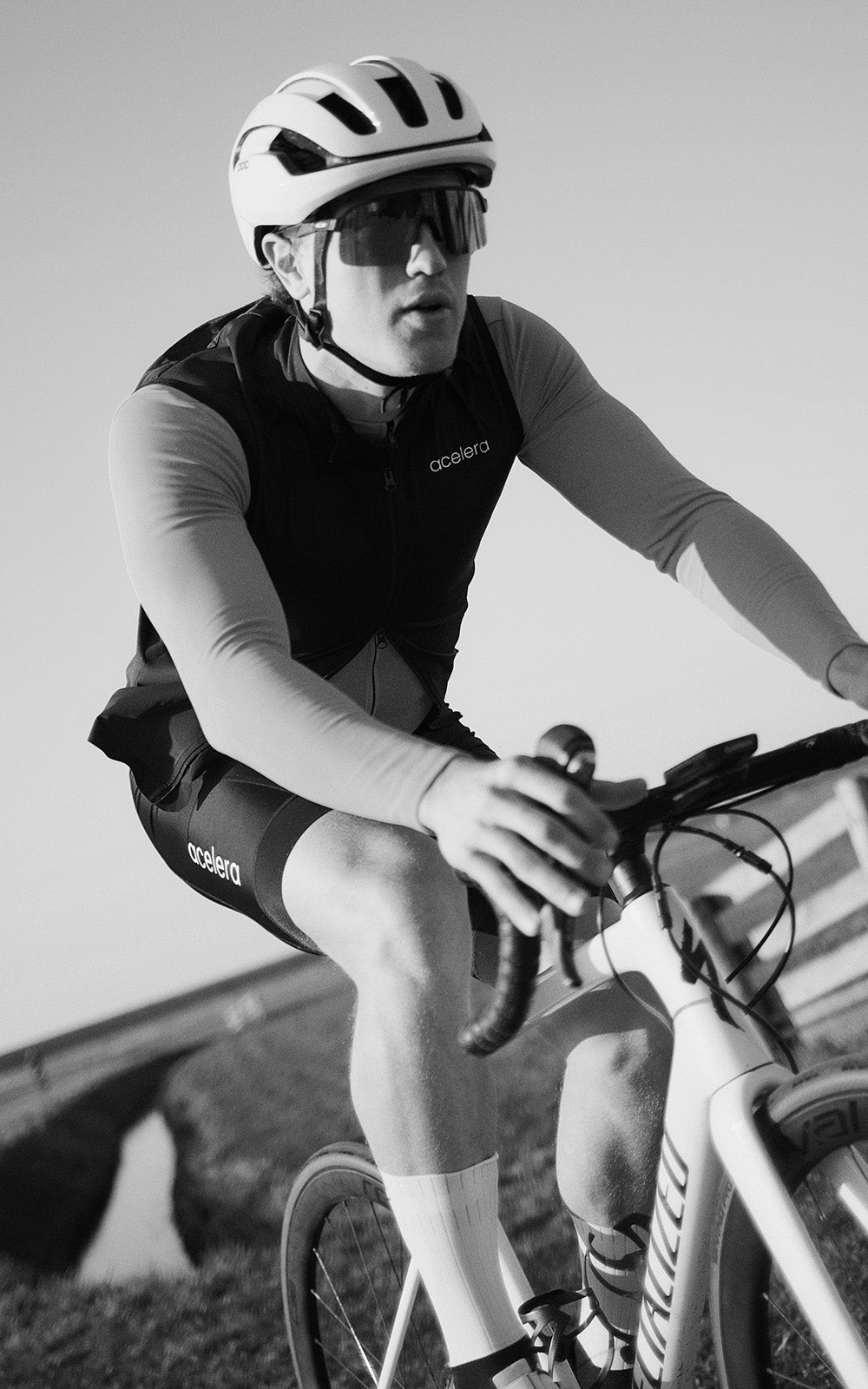
Gravel Biking has become a huge trend in recent years. In case you're still secretly wondering what gravel biking is exactly, or are you curious about it gravel biking, read here what you are missing! The term 'gravel' describes riding a bicycle with racing handlebars on unpaved roads and paths, somewhere between racing bicycles and mountain biking in. Gravel driving can cover all types of terrain, from real gravel to wooded singletrack and everything in between. As you will read later, versatility is the key word when it comes to... gravel bikes arrives, and that also applies to gravel driving in general. From fun social rides to remote and demanding endurance races, events to dirt road tours, there is something for everyone on gravel area.
Where comes gravel biking come from?
Gravel is probably better understood as an amalgamation of different ways of driving. The trend appears to have migrated from the United States, where long, remote stretches of dirt road bridged road cycling, mountain biking and cyclocross. On less traveled and busy roads, cyclists can enjoy exploring and adventure to the fullest. For others it is also an opportunity to try out a new discipline. The variable terrain offers riders a shift from the usual focus on speed road cycling on the road and offers a respite from traffic. Because mountain biking has become increasingly extreme and specialized in recent decades gravel driving is an accessible alternative. On a gravel bike you can easily explore new areas and enjoy paths in... mountain bike terms are seen as tame. A lot gravel riders have started on custom cyclocross-, mountain bike- or touring, until the mainstream bicycle industry noticed the boom and specifically gravel models began to be developed. This got me gravel as a new global discipline. Rides no longer ended where the asphalt ended, as gravel bikes were built to handle more challenging terrain.

Where can you gravel drive?
The term 'gravel' can be a bit misleading in some parts of Europe. Multi-terrain or adventure cycling would be a better way to describe it, as you're more likely to find routes connecting unpaved doubletracks, flowing singletracks, bushfire roads, canal towpaths, field edge paths and farm roads with stretches of tarmac in between, rather than long stretches of unspoilt gravel roads - depending on where you ride, of course. Just like at mountain biking The weather and trail conditions will determine the best riding conditions, using the better-draining areas all year round, while avoiding the boggy, muddy trails in the drier summer months. For nice routes within the Netherlands, take a look at: https://gravelrides.cc/alle-routes/
Do you have one? gravel need a bike?
The geometry, gears and tire clearance of gravel bikes are specially designed to meet the demands of off-road riding. While it's not essential that you use one for off-roading, they can make the ride much more comfortable and enjoyable. Don't expect a gravel bike to respond as quickly on asphalt as one road bike or whether it is as capable as a trailmountain bike. A gravel bike is a middle ground: it allows you to explore where the asphalt ends and even try some singletrack. You can enjoy the efficiency of riding crash bars on the road and tamer trails, while also taking on more technical trails that you wouldn't dream of riding on skinny, slick tires. Many riders limited by space or budget opt for a gravel bike with two wheelsets: one for gravel riding and one for road. Here you can easily switch between tires for on- and off-road use, although keep in mind that the gearing will probably not be optimized for both disciplines.
Is a gravel bike the same as a cyclocross bike?
Many cyclocross bikes have a competition-oriented geometry and forego additional features. Although gravel bikes and cyclocross bikes have a lot in common, there are some key differences when you look closer. The best cyclocross bikes are designed purely with cross racing in mind and are limited by UCI rules that stipulate a maximum of 33mm tires and a handlebar width of 50cm. The geometry is race-oriented, with a high bottom bracket, a more aggressive riding position and sharp steering for tight turns. All this is good for an hour of power, but won't be the most suitable - or comfortable - for longer distance gravel rides. You usually won't find additions such as mudguard eyes or luggage rack mounts, and often not more than one bottle cage mount. So while you can use a cyclocross bike for gravel rides, they are not best suited for this task. The best gravel bikes have much higher tire clearance, a more relaxed and stable geometry suitable for longer days in the saddle and rougher terrain, and also more options for mounting luggage.
Do you have one? gravel bike if you have a hardtail mountain bike have?
There's certainly nothing wrong with riding hardtail mountain bikes, or even a stiff one MTB on gravel paths and trails, although you'll likely feel the benefit of a dedicated gravel bike if you plan to transfer much of your riding to rough roads. The stiffness of a typical gravel bike frameset combined with a drop-bar position gives you more pedaling efficiency and aerodynamic efficiency on roads and gravel trails, even if that means sacrificing some of the comfort that a hardtail's suspension fork provides. For longer rides and multi-day trips bikepacking tours, you'll also find that a drop bar offers more varied hand positions, which can be beneficial for minimizing hand and wrist discomfort.

Why are tires so important for driving gravel?
A suitable set of gravel tires can make the difference between a great ride or a total nightmare. As the point of contact between your bike and the terrain you tackle, you need to match your tire type, tread, volume and pressure to the trails and conditions you expect to encounter. Tubeless tires are highly recommended for off-road riding as you are likely to encounter thorns and sharp rocks in the terrain. However, it is still possible to get a flat in your tire with a tubeless setup, so proper tire pressure is key. The choice of a tire is crucial when driving on gravel: Consider the profile, width and carcass type for the conditions you are likely to encounter. Band widths range from 32mm to over 50mm, although the most common band width is around 40mm. The width you choose depends on the space your frame offers for your tires and the tire pressure you want to use. Larger tires allow you to run lower tire pressures, which provides greater comfort and also allows you to tackle technical terrain with more confidence. Many riders with limited tire pressure opt for 650b wheels and tires (27.5 inch equivalent) so they can run wider tires without changing the frameset. The conditions on the course most determine the profile you should use. Here you have to balance your grip and speed requirements based not only on the terrain you face, but also how the weather will affect your ride. Choose a more aggressive, bumpy profile for wetter, muddier conditions, or a smoother profile for dry hardpack. Many brands now offer their tires in multiple casings: lighter, smoother options designed for competition and more durable, reinforced alternatives for everyday riding, more technical terrain and bikepacking.
How have gravel bikes and equipment evolved?
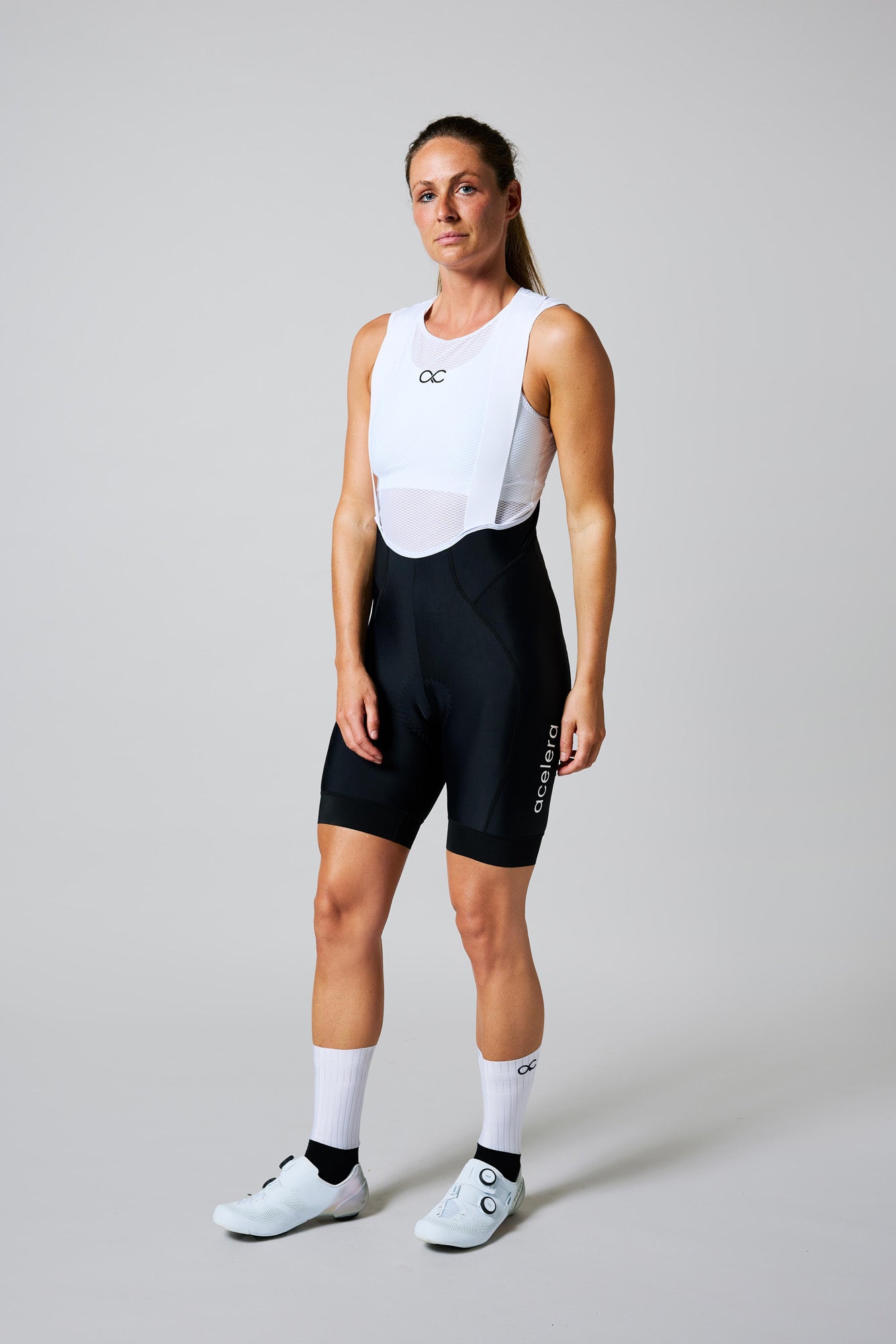
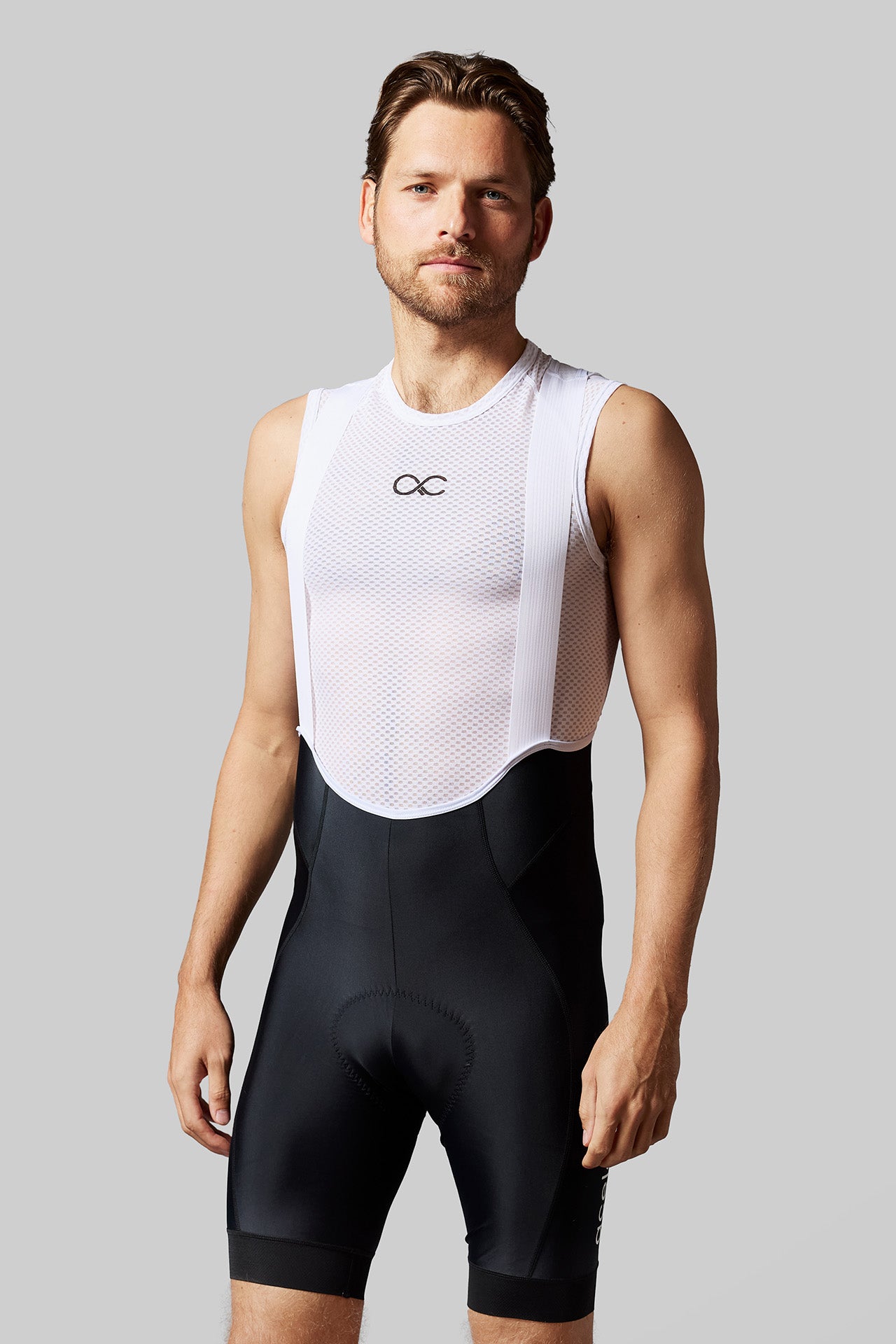
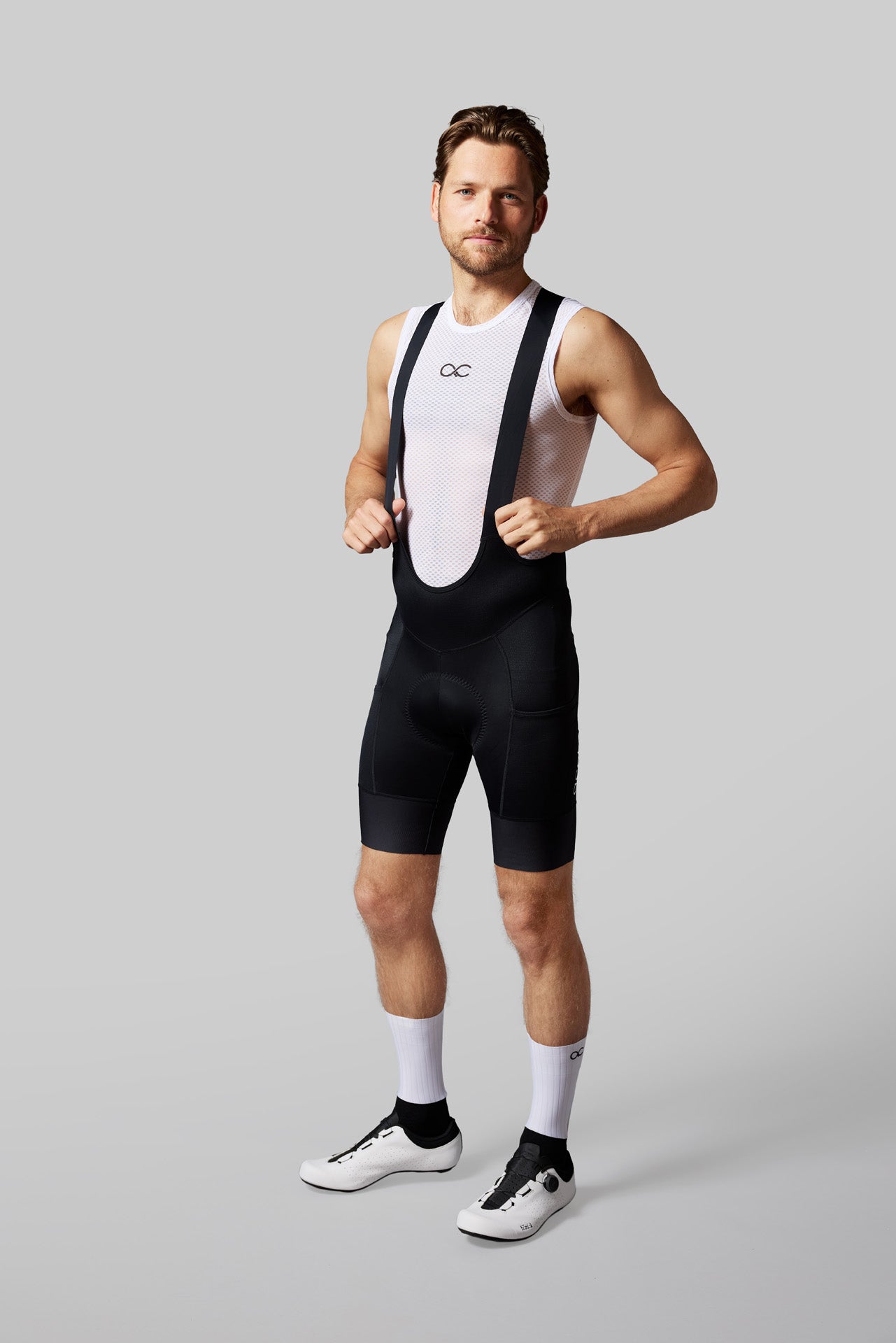
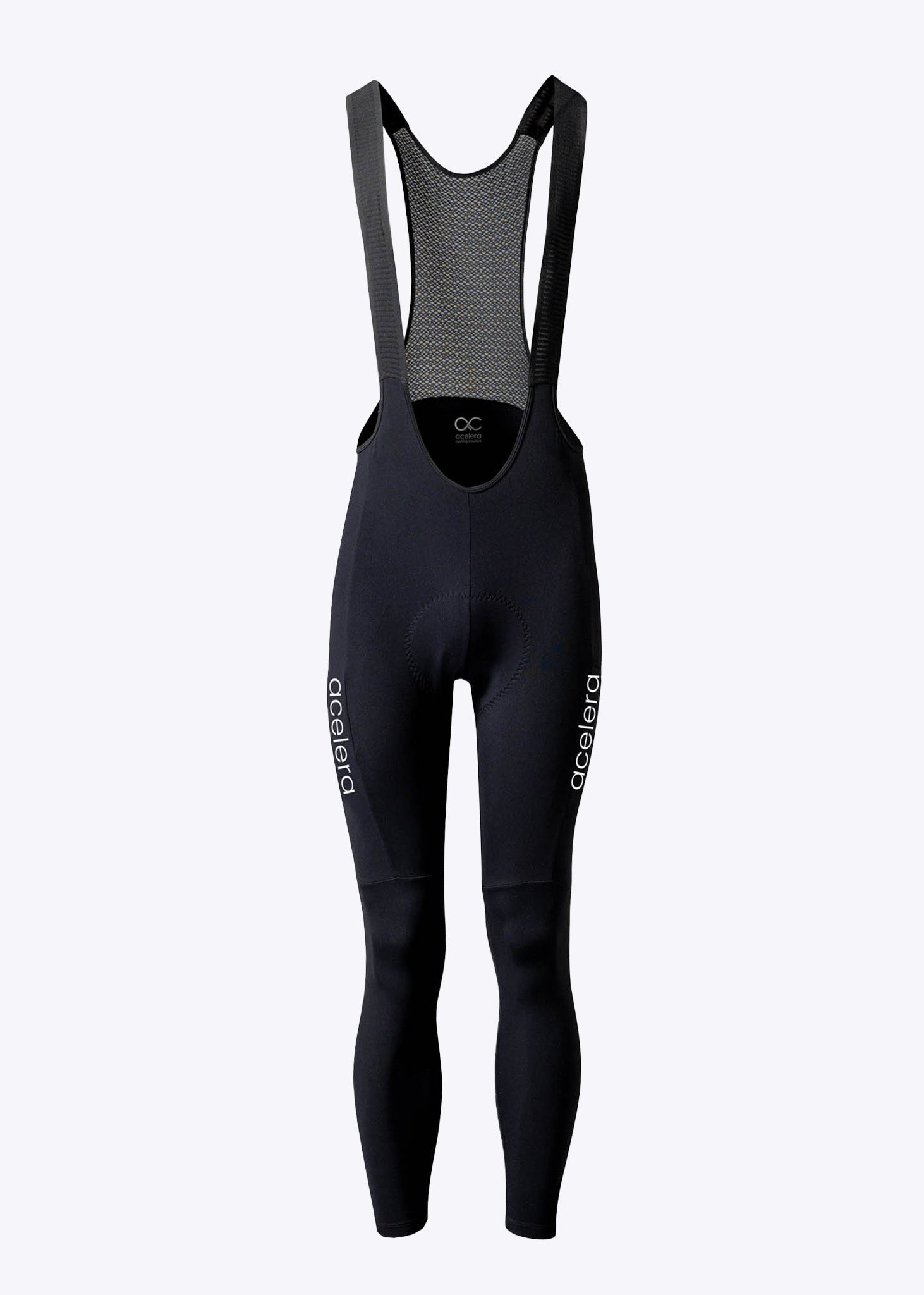
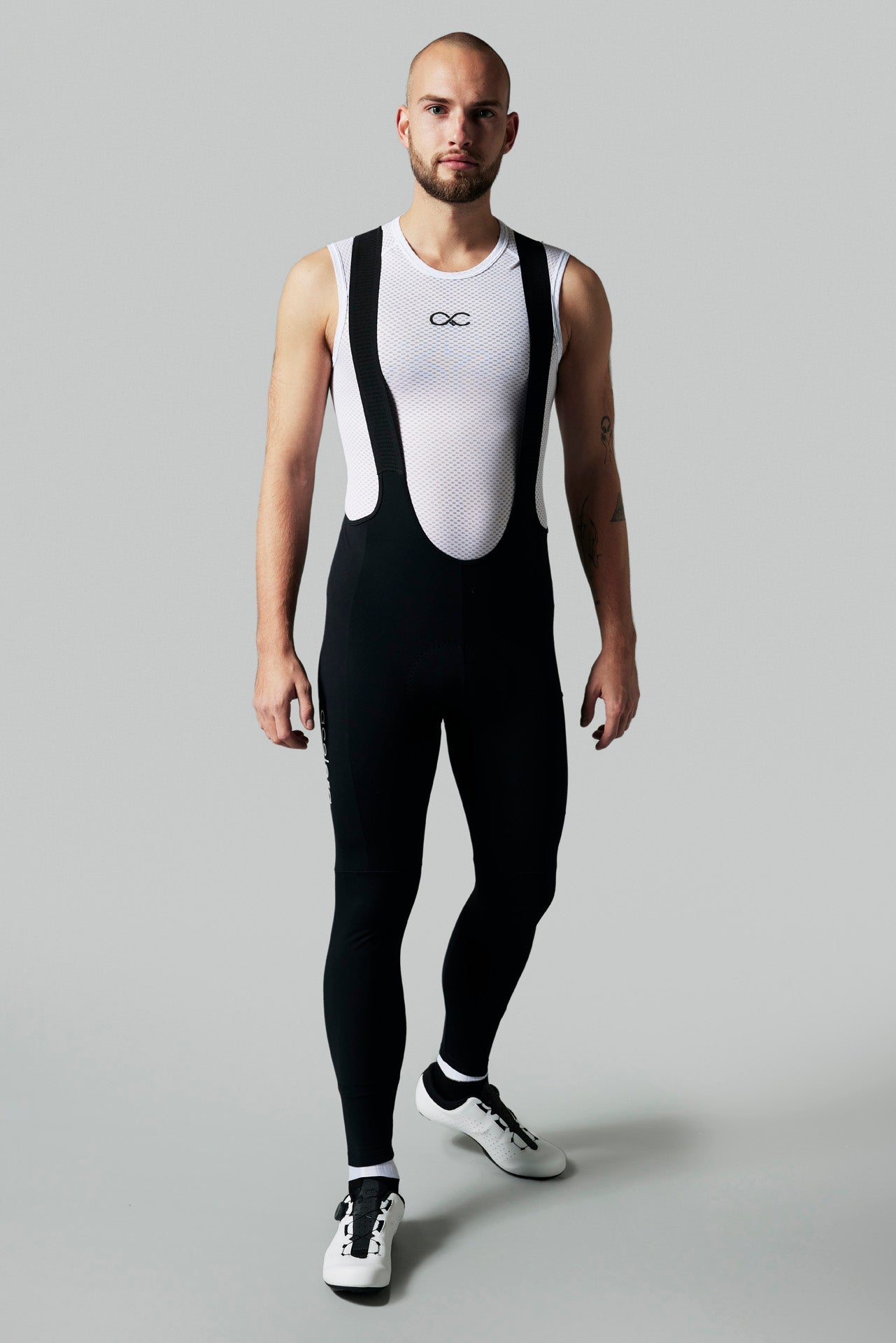
In recent years, the number of bikes and the amount of specially designed kit has increased dramatically, paralleling the growing popularity of gravel riding. Shimano, SRAM and Campagnolo have all released gravel groupsets with a wider gear range than typical road groupsets, and these have become commonplace on many gravel models. There are also more and more electric gravel bikes available, allowing more riders to go further and steeper than ever before. Flared handlebars are now common on gravel bikes, for greater stability on the drops, and some riders opt for much wider handlebars than you normally see on road bikes. Suspension is becoming more and more common on gravel bikes and allows for a wider range of trails and routes. There are a number of brands that have integrated suspension systems into stems and seat posts, with the aim of relieving the rider from discomfort caused by rougher terrain. In addition to bicycles and parts are also gravel-specific clothing and shoes have become more popular. Gravel shirts are slightly looser than the aero shirts intended for road cycling, but not as loose as your shirts that you wear mountain biking would use. Because hike-a-bike sections can destroy racing bike cleats in minutes, SPD pedals are in MTB-style two-bolt popular as gravel pedals, or even as front flat pedals bikepacking or more technical driving. We also see that more and more technology from the mountain bike world is being implemented into gravel riding, such as tire inserts. This one lightweight Foam hoops are compatible with tubeless setups and help protect the rim in more technical terrain, allowing you to ride lower pressures with more controlled tire deformation and less risk of pinch flats.
What equipment do you need to get on gravel to drive?
Make sure you have all the tools and spare parts you might need, including a chain tool and quick disconnect, tubeless repair kit, tire repair kit and spare tires, as well as a high-volume pump. If you really want to get into the wilderness, it's a good idea to bring a spare mech hanger, zip ties, tape, and even brake pads. This sounds like a lot of tools, and when combined with spare layers and food, it's easy to see why bike luggage is so popular for gravel drive. A frame package, handlebar roller or saddle package can help you store your gear safely without disrupting the ride. A little planning before you ride, with a route loaded onto a bike computer, smartwatch or your phone can be invaluable. Apps like Komoot are useful because they make route suggestions based on users' experiences, meaning you can put together a ride around the best gravel sections, climbs and even coffee stops. It's also worth noting that since you'll likely be traveling further from towns and cities when you go off-road, and because the pace is usually slower than on-road, you should bring plenty of snacks and water for your ride. There's nothing worse than being stuck in the middle of nowhere with no resupply point for miles around!
What is the difference between gravel and bikepacking?
Bikepacking is a term used to describe multi-day cycling trips, and usually for off-road expeditions. You can plan this yourself, or follow an existing route. Bee bikepacking you will either spend the night outside in a tent, bivvi or hammock, or in accommodation such as hostels, bunkhouses, hotels, mountain huts or bothies. For multi-day tours you not only need to take your bike with you, but also much more material, which is packed in bikepacking bags, or more traditionally in panniers. You can use your gravel bike for bikepacking, or even a mountain bike or sturdy tourer. Which bicycle is most suitable depends on the terrain along the route and your personal preferences.
What different skills do you need to get started? gravel to drive?
If you have a background in road cycling on the way, can start on gravel seem a bit daunting. The way the terrain moves beneath you can feel very abstract compared to the predictability of the road, and there are a few different gravel techniques that you'll learn over time. When you're on loose gravel climbing, it is a good idea to remain seated rather than climb out of the saddle, just as you would ride uphill on a muddy cyclocross trail. This keeps your weight above the rear wheel and prevents it from turning away. Taking turns on gravel roads is also different than on asphalt. You should look for the smoothest line and avoid friable, loose gravel if possible. Taking the inside turn gives you more leeway exiting the turn, so if something goes wrong you have more room to correct your line than if you take the outside turn. As the terrain becomes more technical, line choice becomes increasingly important, just like with mountain biking. For a fast ride, look for the smoothest line, avoiding larger rocks, roots and looser areas. Keep looking ahead to what comes your way instead of focusing on what's in front of you. If you already have some mountain biking talent, this element of gravel riding can really help.




Leave a comment
This site is protected by hCaptcha and the hCaptcha Privacy Policy and Terms of Service apply.