





Aerodynamics of a road cyclist
Air resistance during road cycling
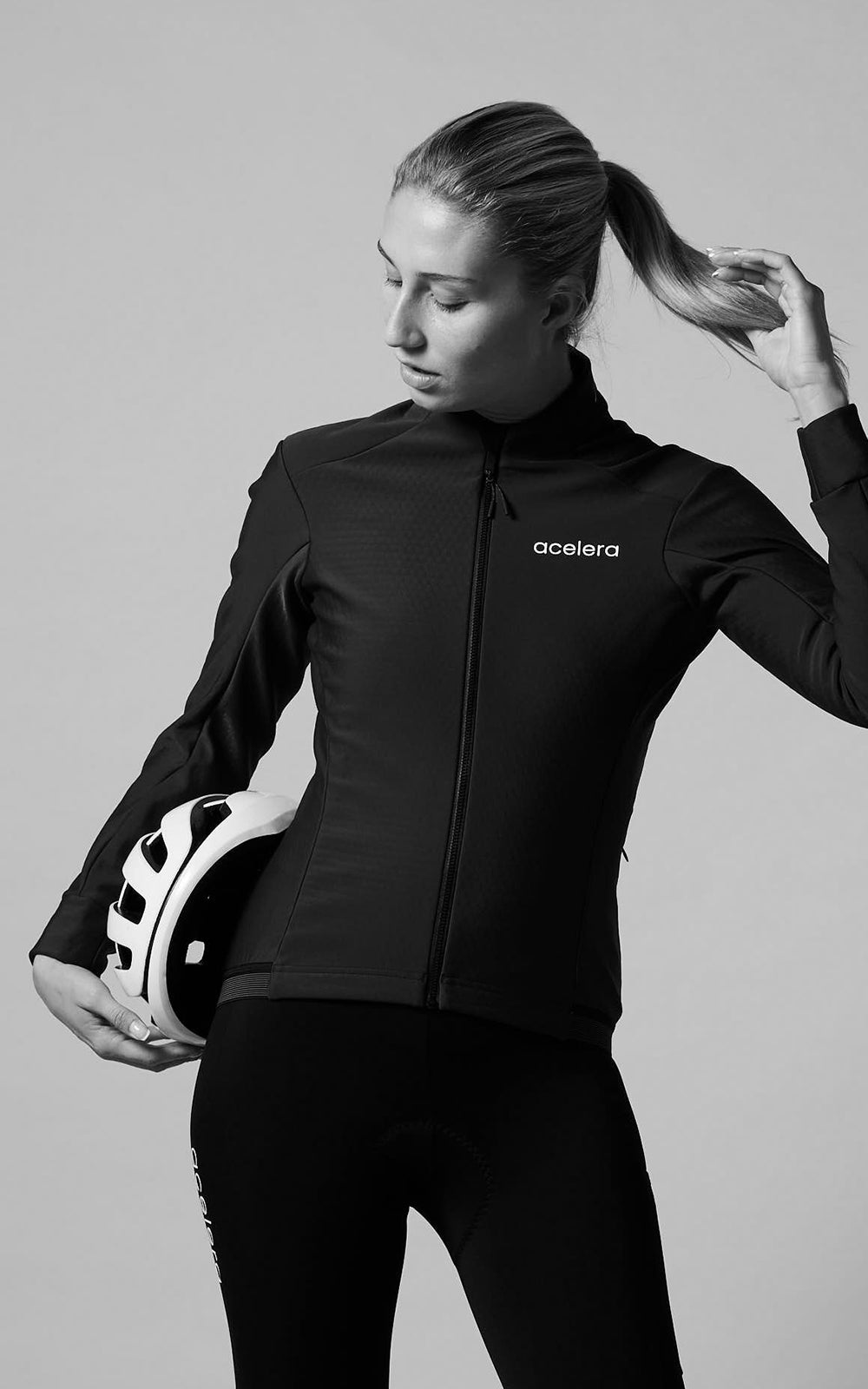
A road cyclist generally deals with two types of resistance: air resistance and rolling resistance. As the word suggests, aerodynamics is all about air resistance. The term aerodynamics literally means the science of how air moves around an object. So the more aerodynamic an object is, the less resistance it creates and the more easily air flows past it. Road cyclists do everything they can to be as aerodynamic as possible. They wear special socks, have their bikes set up specifically for speed, and even adopt the most extreme positions on a descent.
What can a road cyclist do about air resistance?
When it comes to aerodynamics, the biggest gains for a road cyclist come from adjusting their position. But since road cycling should stay enjoyable too, and your back needs to last longer than Pogajar’s current career, I’d love to show you where you can improve your aerodynamics without having to make any compromises. For many amateurs, there’s still a lot to gain from the aerodynamics of your cycling outfit. And while it may seem obvious coming from someone who sells cycling apparel, I’m happy to explain why.

The fit of aerodynamic cycling apparel
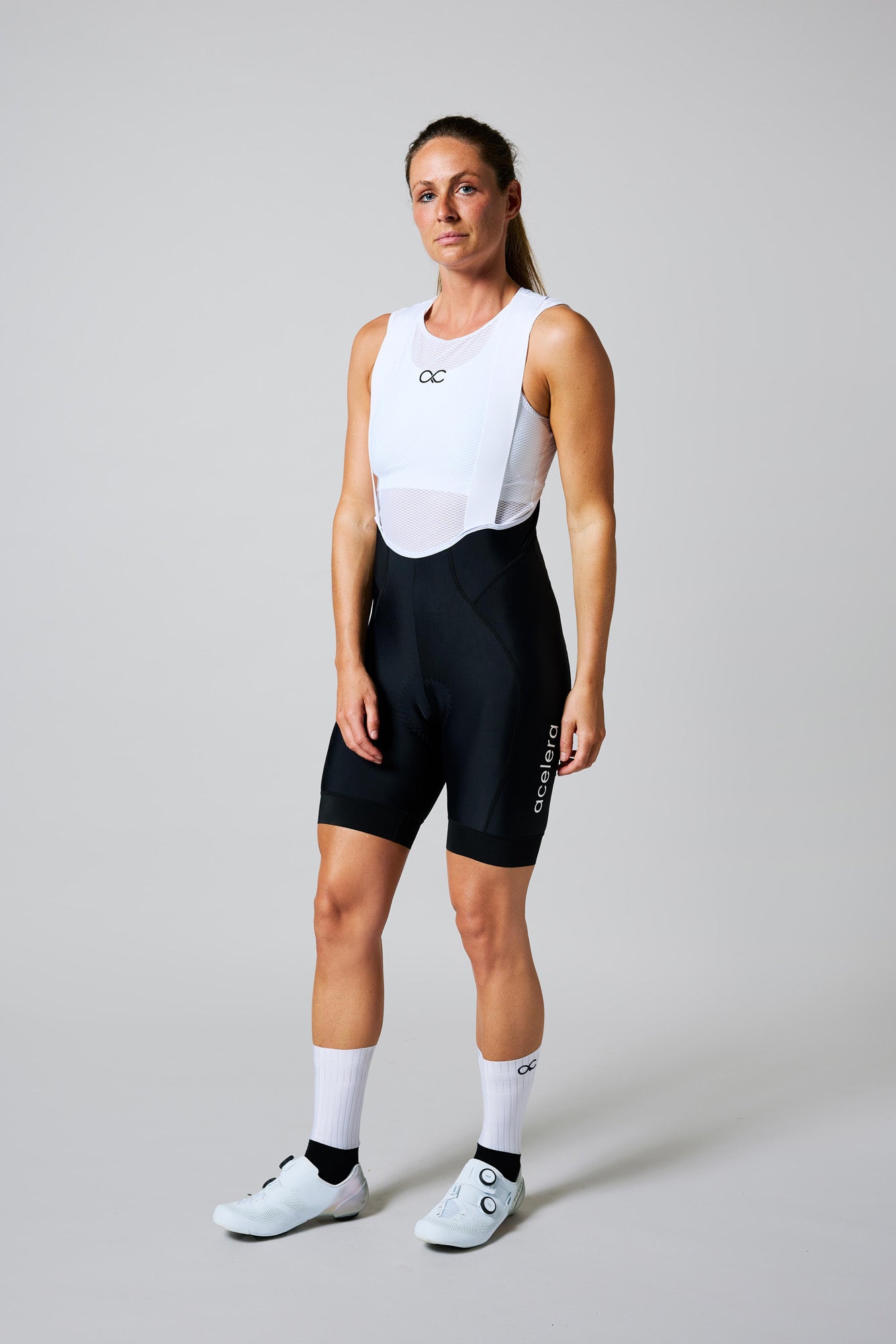
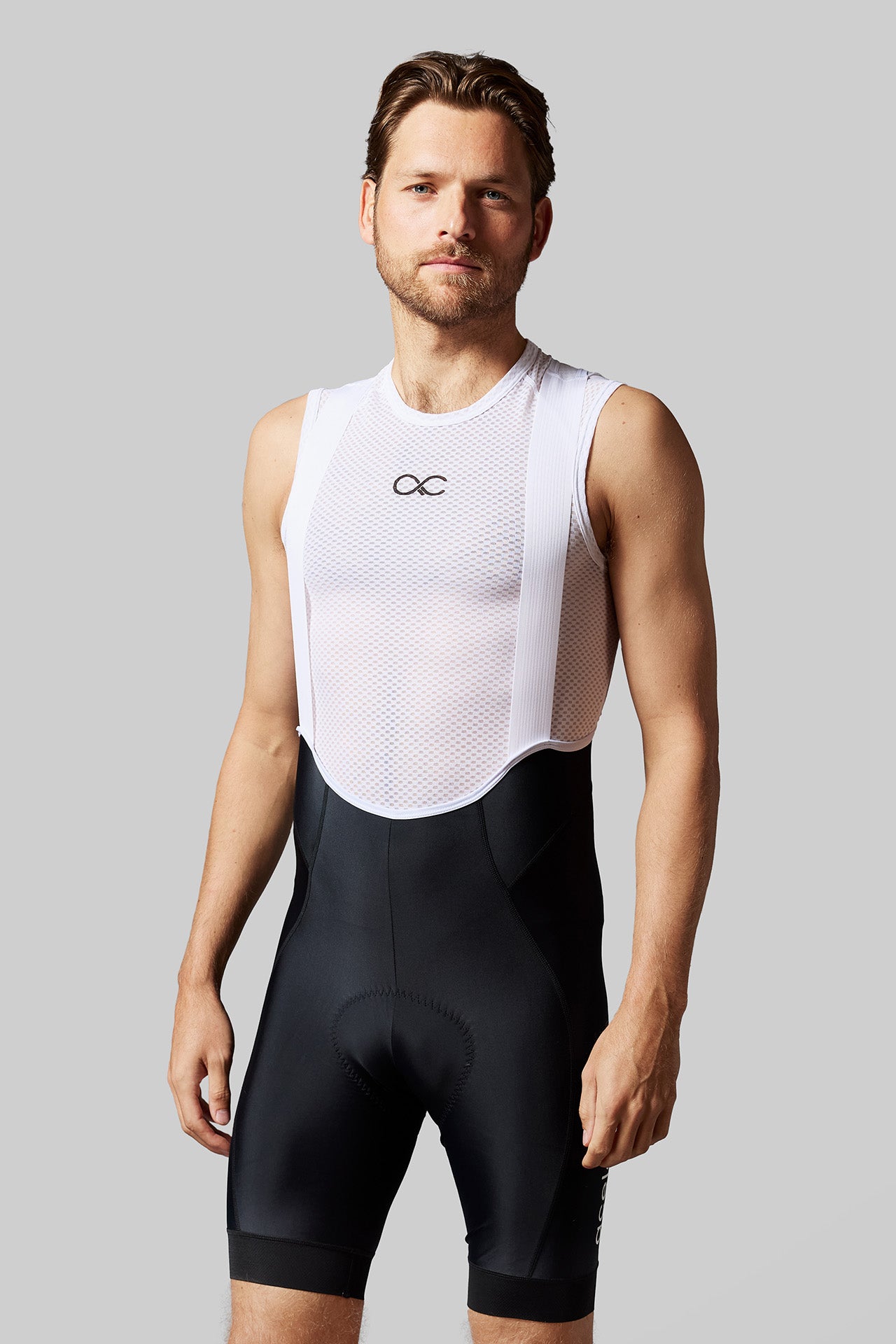
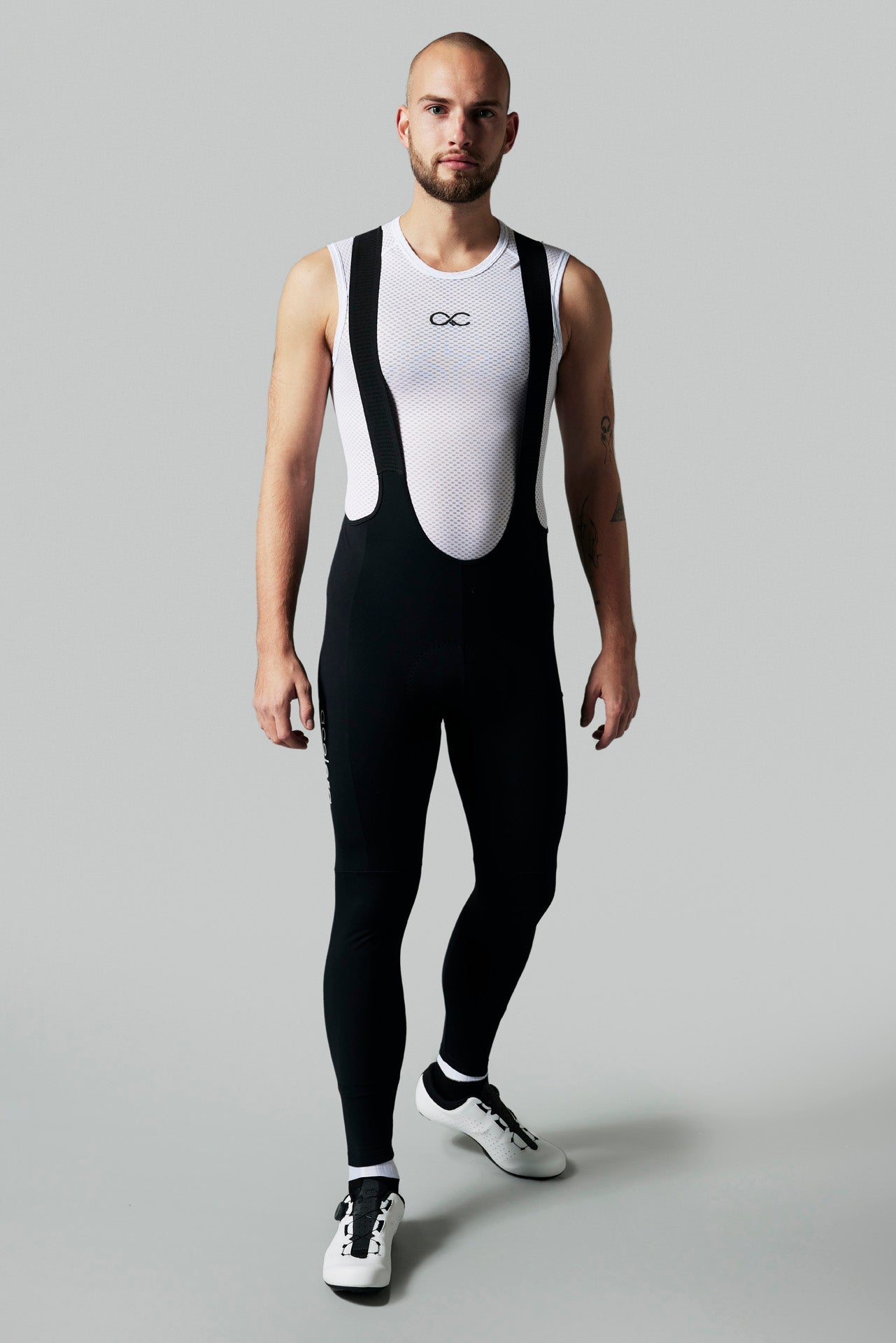
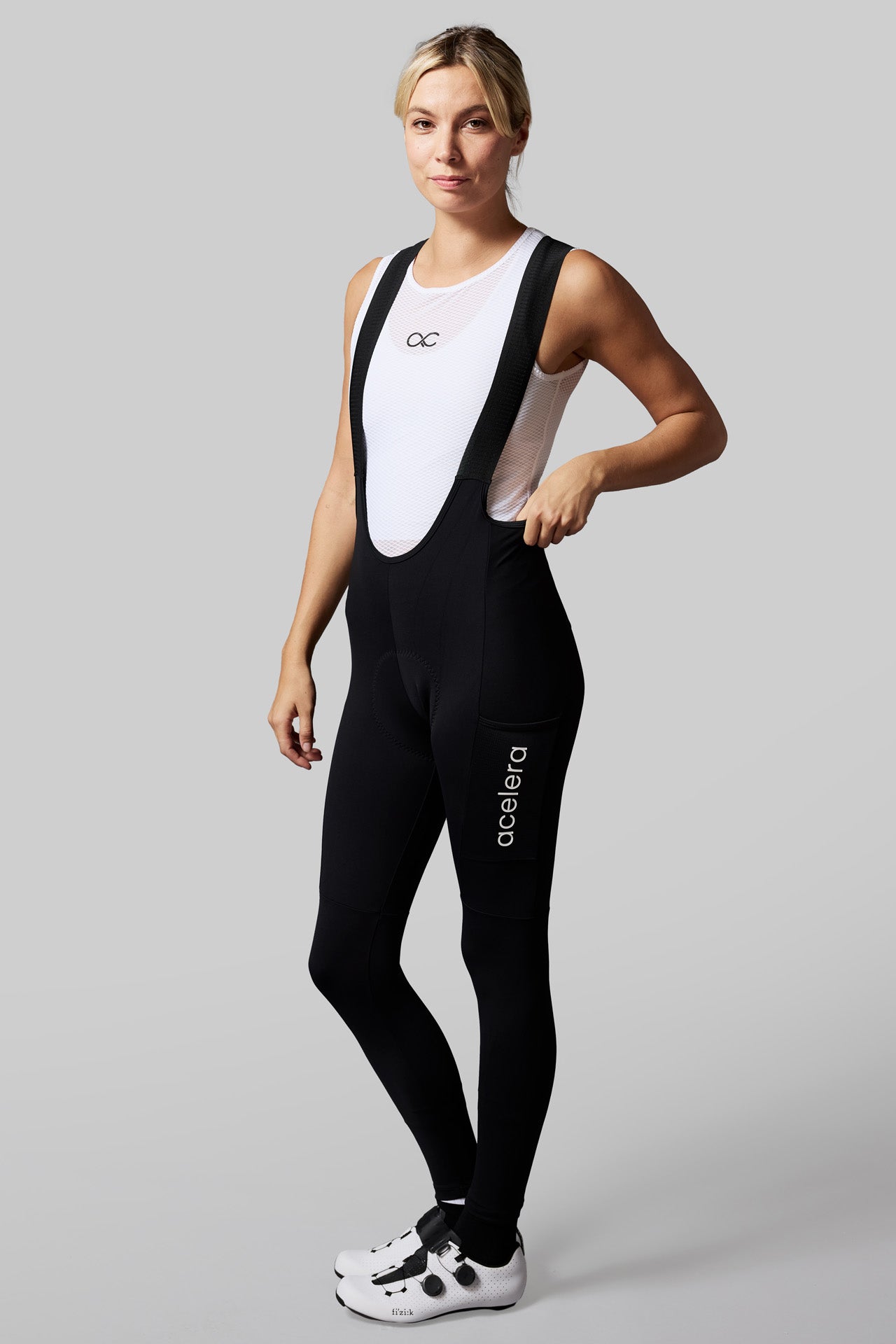
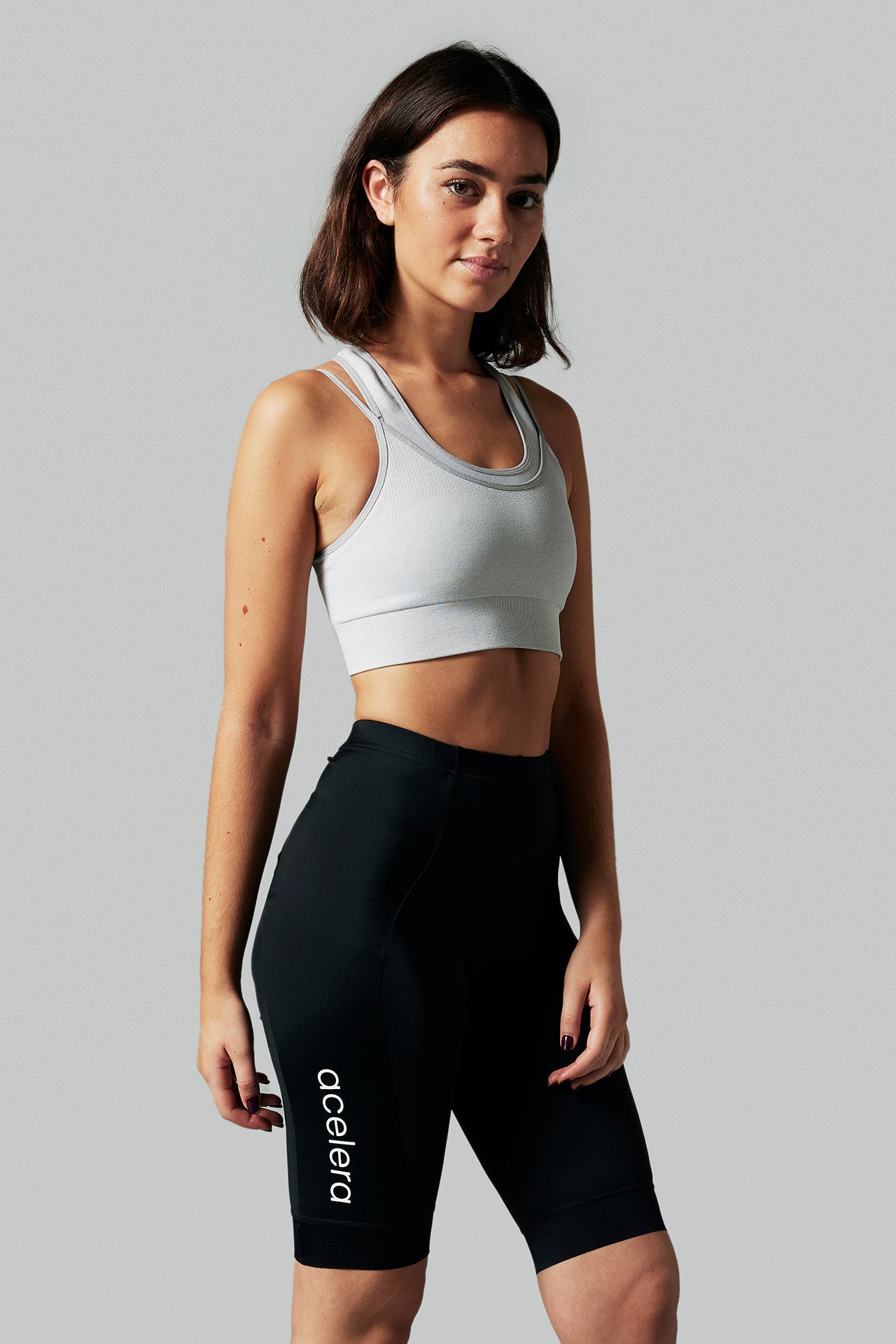
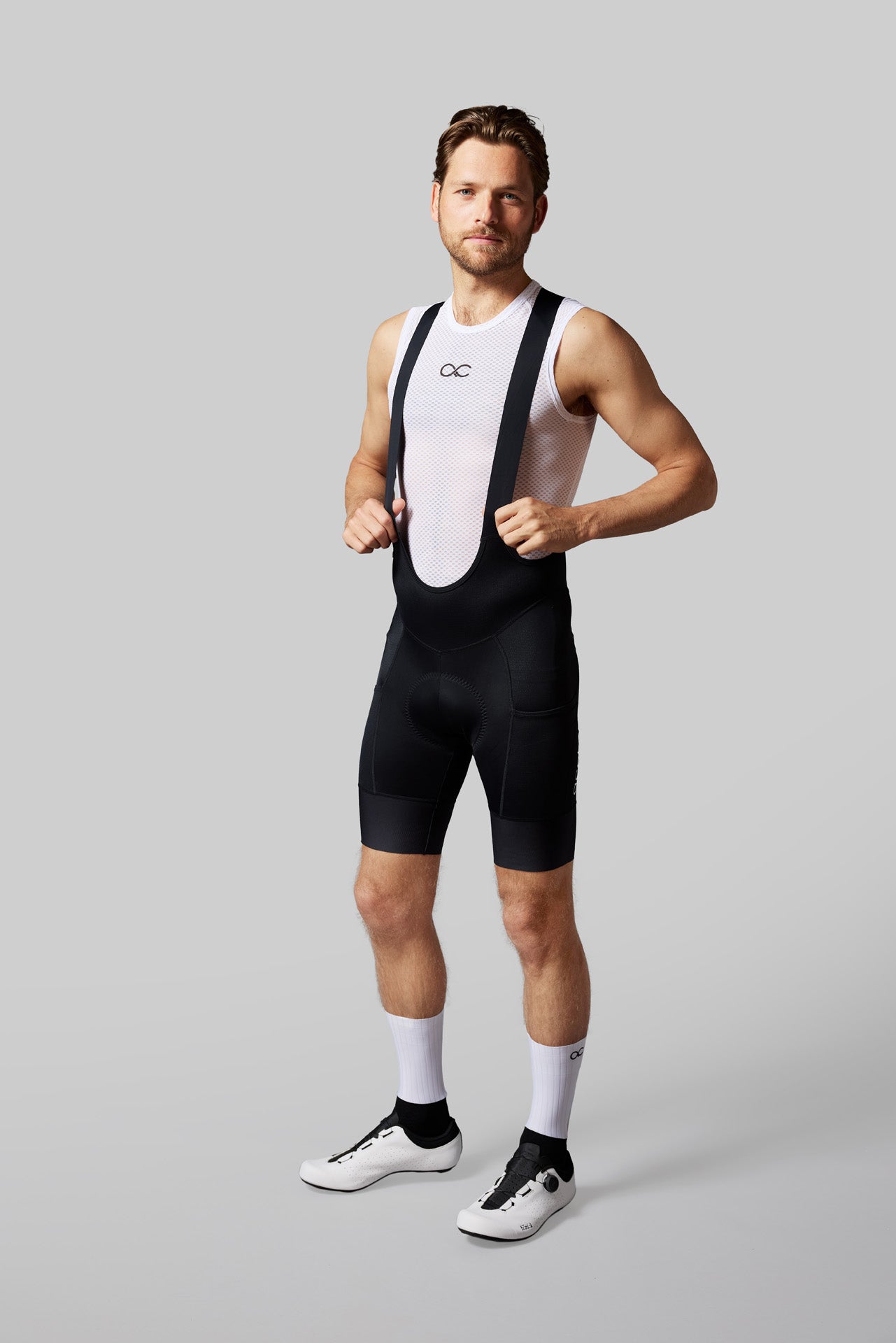
First of all, it’s important that a jersey fits nice and close. By that, we mean there shouldn’t be any large loose sections of fabric flapping around. A small fold around the armpits or seams is absolutely fine and actually gives you the freedom of movement you need, but large loose pieces of fabric are very bad for aerodynamics. That’s why a jersey can definitely fit quite tight. And while this sounds logical, we still see far too many riders out on the road in jerseys that are too big or have lost their shape.
The membrane of the fabric
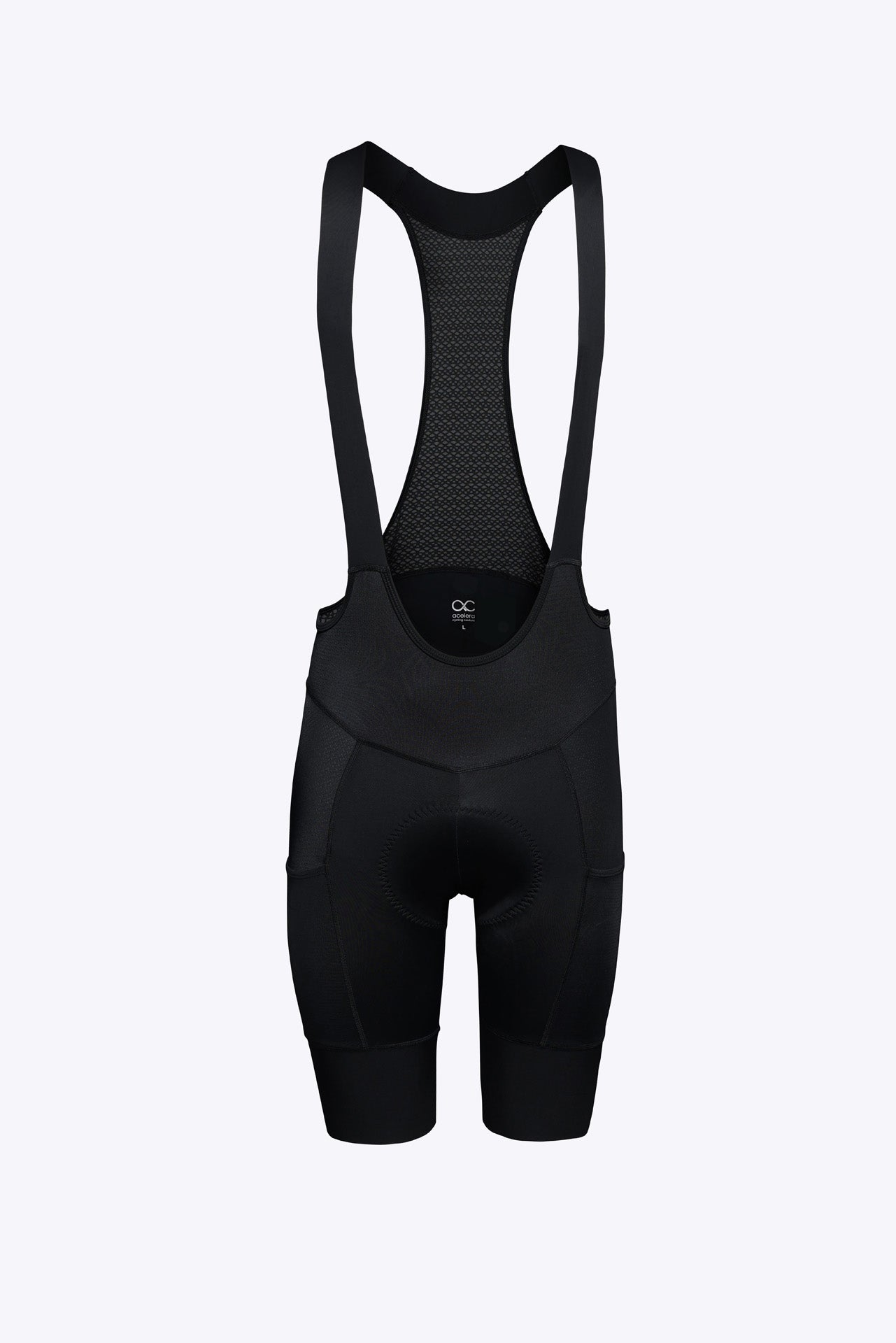
Another element you might not immediately think about is the membrane of the fabric. In the cycling apparel market, almost every cycling jersey is made from polyester. That’s because of the unique properties of this fabric: it wicks moisture well, is lightweight, and lasts a long time. However, there are major differences in the aerodynamics of different types of cycling apparel. This comes down to the membrane of the fabric. You can think of a membrane as a thin film layer within the cycling apparel. In aerodynamic cycling apparel, these membranes are smoothed out and guide the air efficiently over the fabric. With cycling apparel that do not have an aerodynamic membrane, the air has much more grip on the jersey. And I can already hear you thinking, does this really make that much difference? The answer is a clear yes. Through wind tunnel testing, we found that a smooth membrane creates 10% less air resistance than regular cycling apparel. So even as an amateur, you can definitely notice the difference. Alongside the aerodynamic benefits, a smooth membrane also has the advantage of causing less friction on the skin, which improves comfort.



Leave a comment
This site is protected by hCaptcha and the hCaptcha Privacy Policy and Terms of Service apply.