



Different cycling clothing for men every season
We love riding all year round! You too? Nothing ruins a perfect ride faster than not being dressed properly for the weather. The right clothing combination can make all the difference to your riding comfort. We’ve listed a few basic tips on what to wear in warm, cool, or even freezing conditions, so you don’t end up sweating too much or shivering!
Cycling in warm weather (above 20°C)
On warm, humid days, wear lightweight and light-coloured clothing. lightweight cycling clothing allows air to flow freely through the fabric and doesn’t trap body heat. Men who prefer cycling clothing also want to look good, so cooling fabric is key. It may sound obvious, but light colours reflect sunlight and help prevent clothing from absorbing heat.
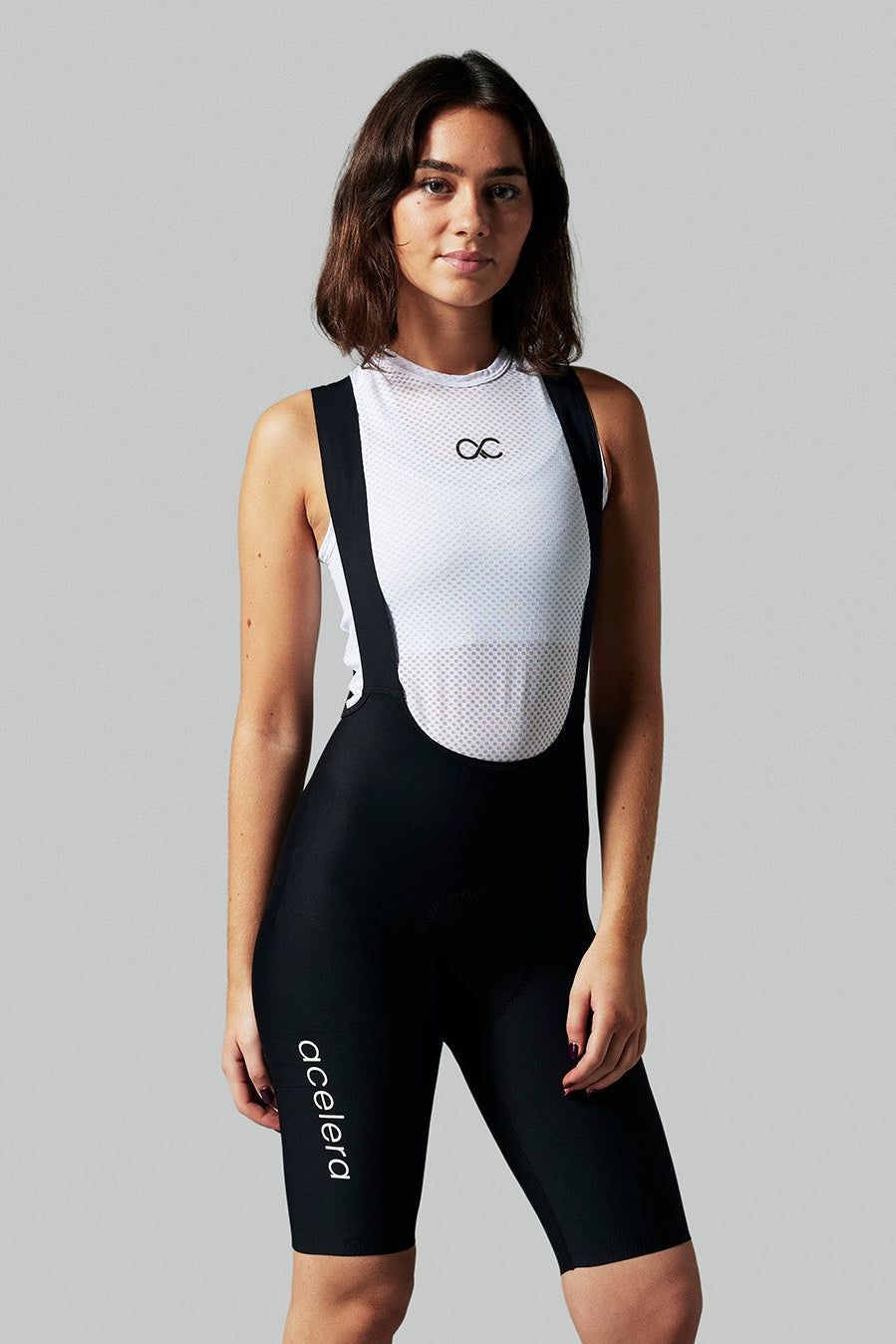
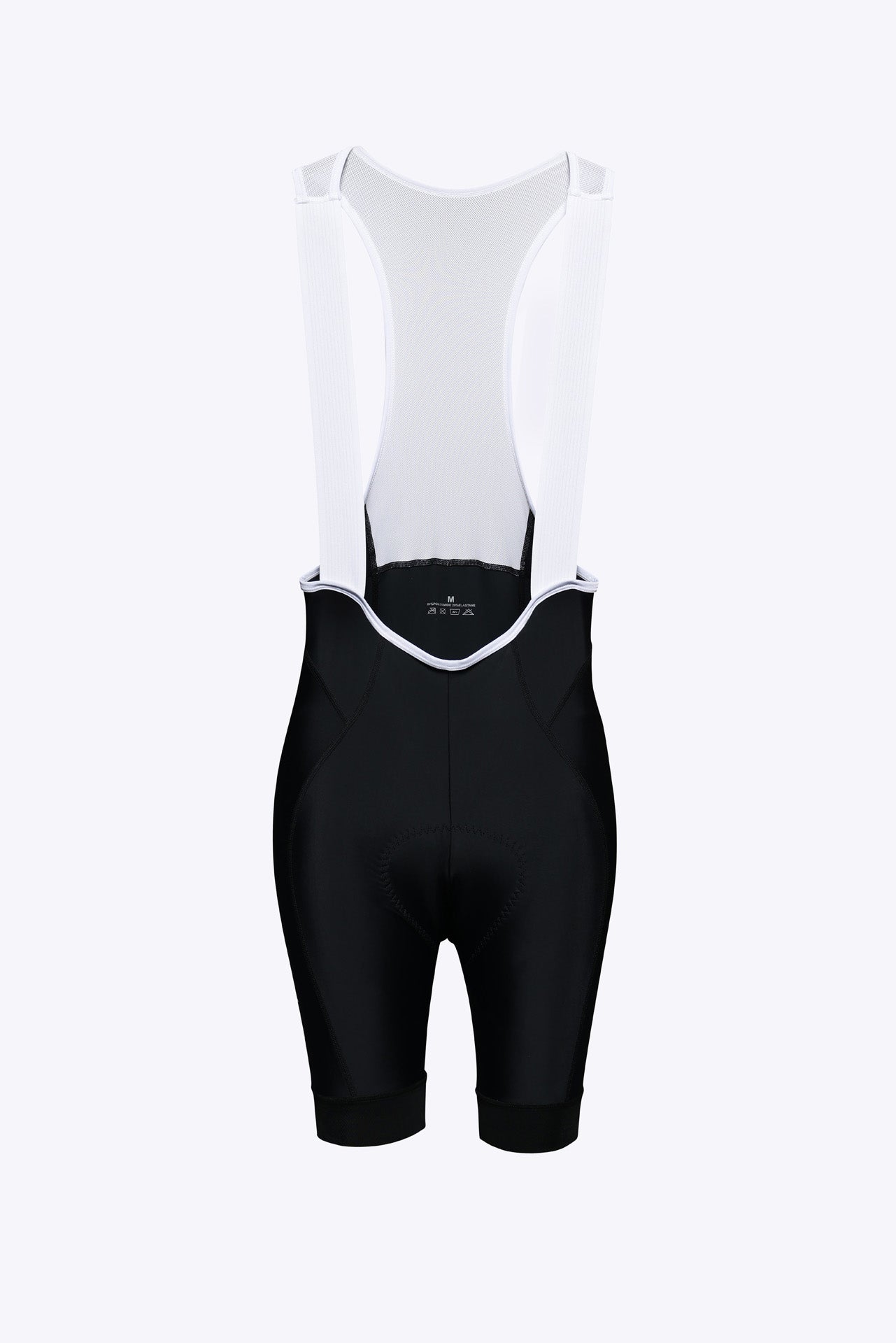
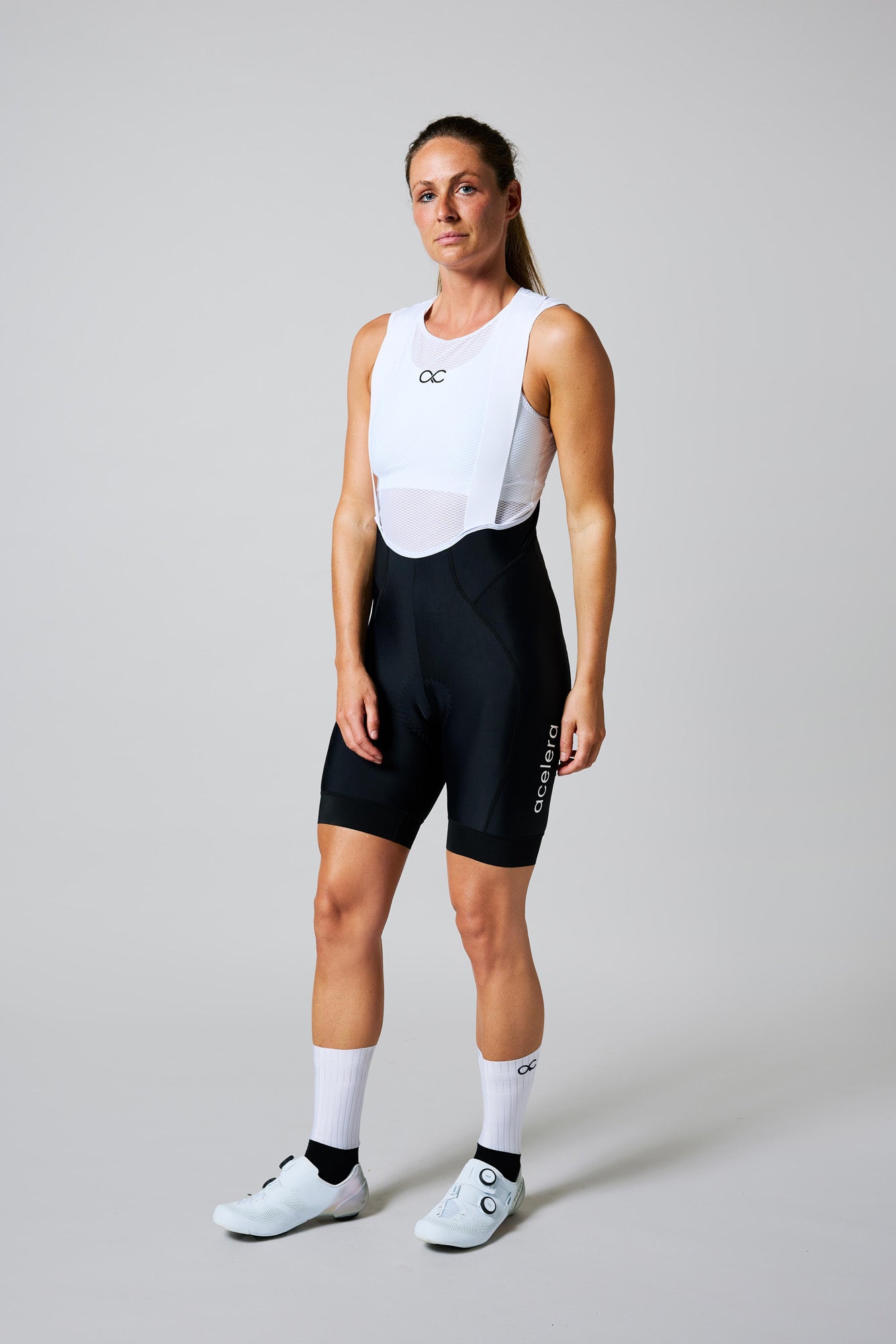
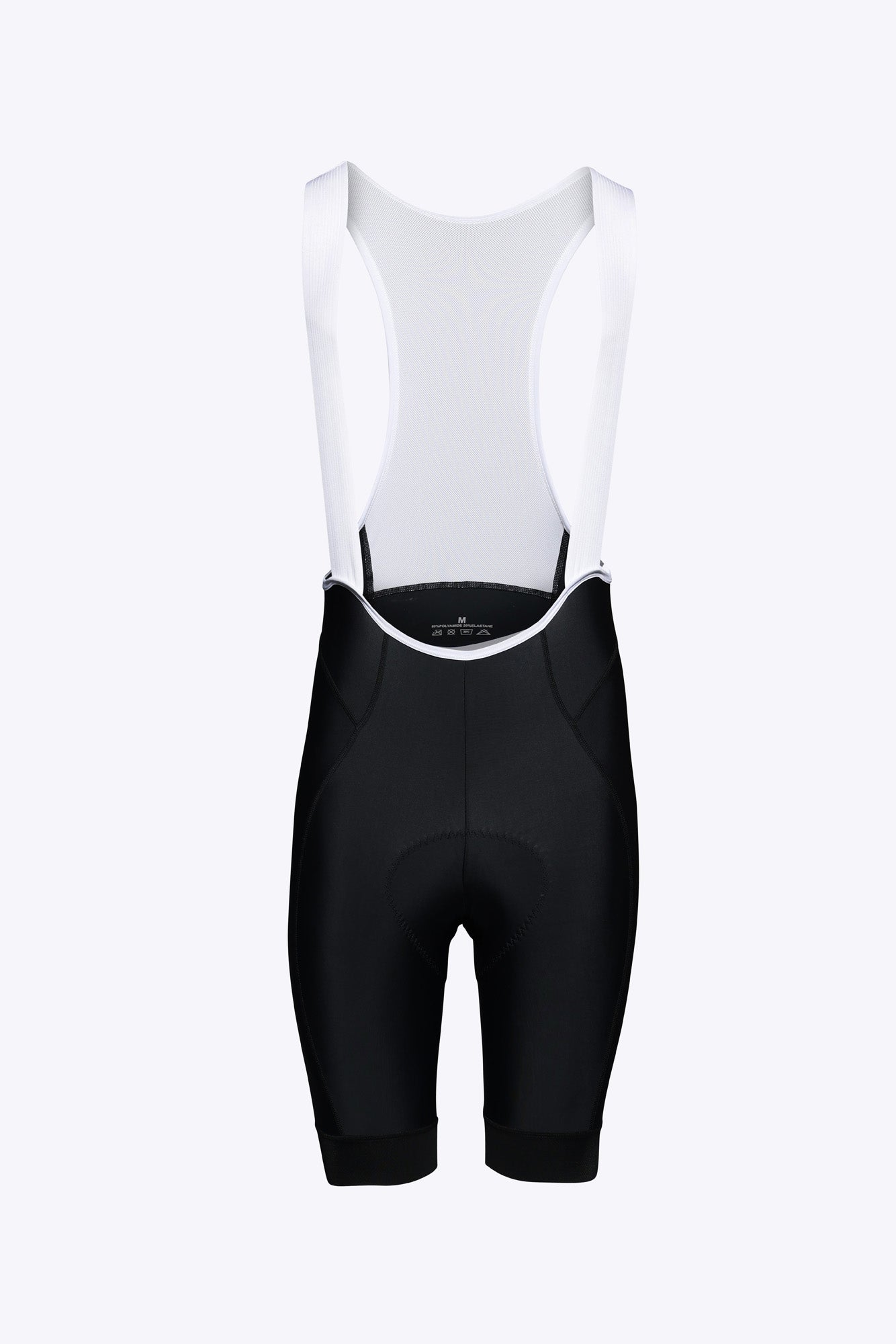
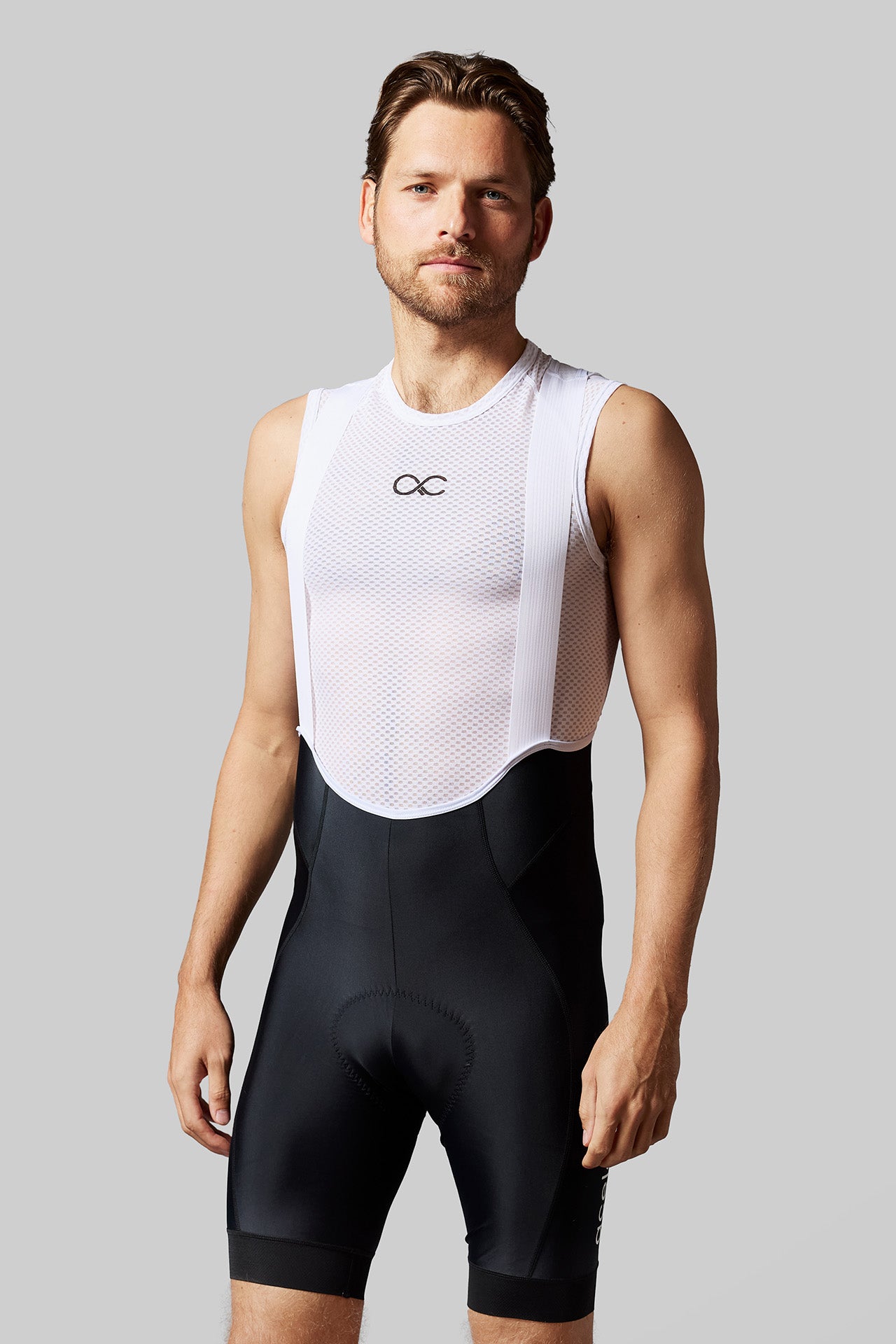
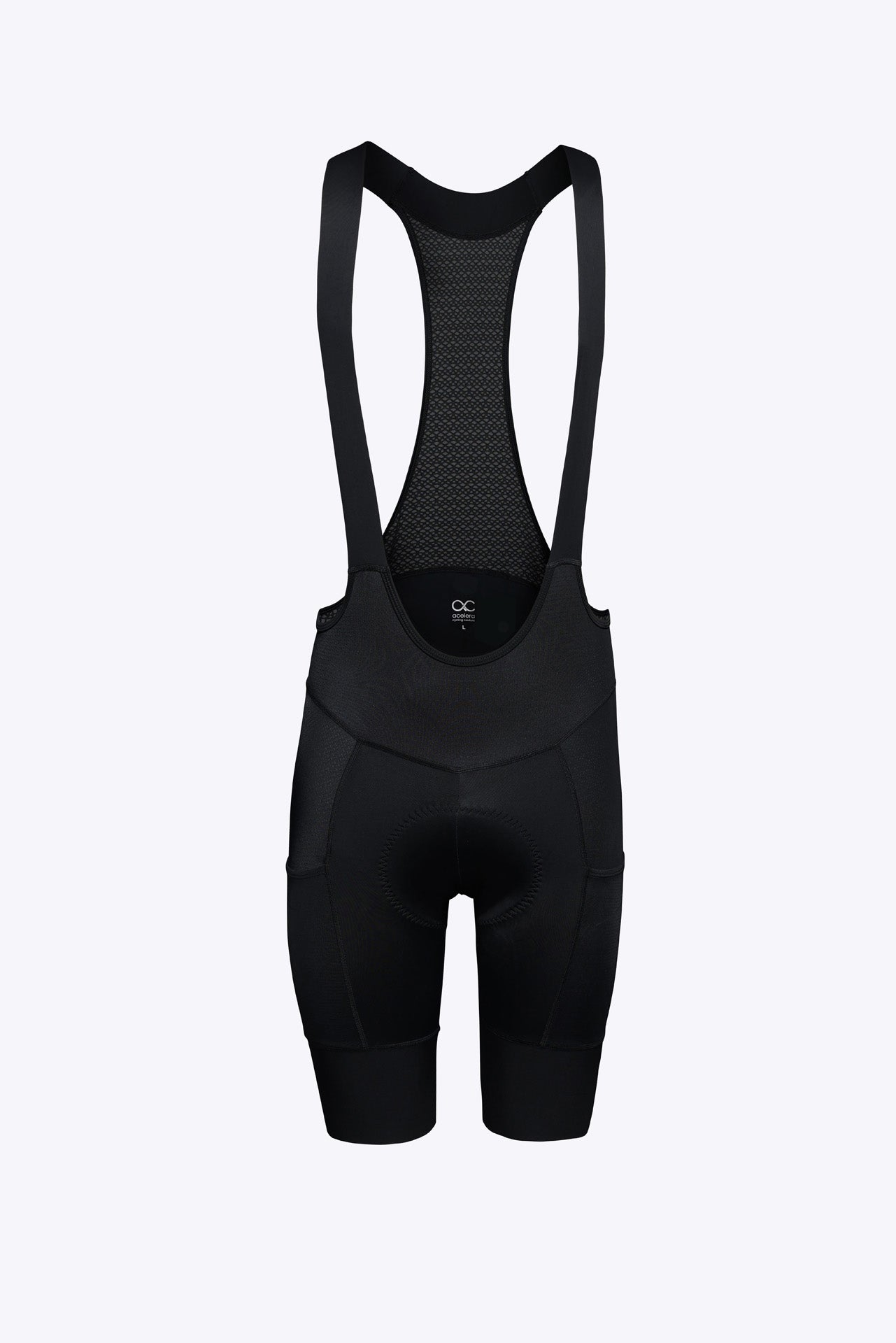
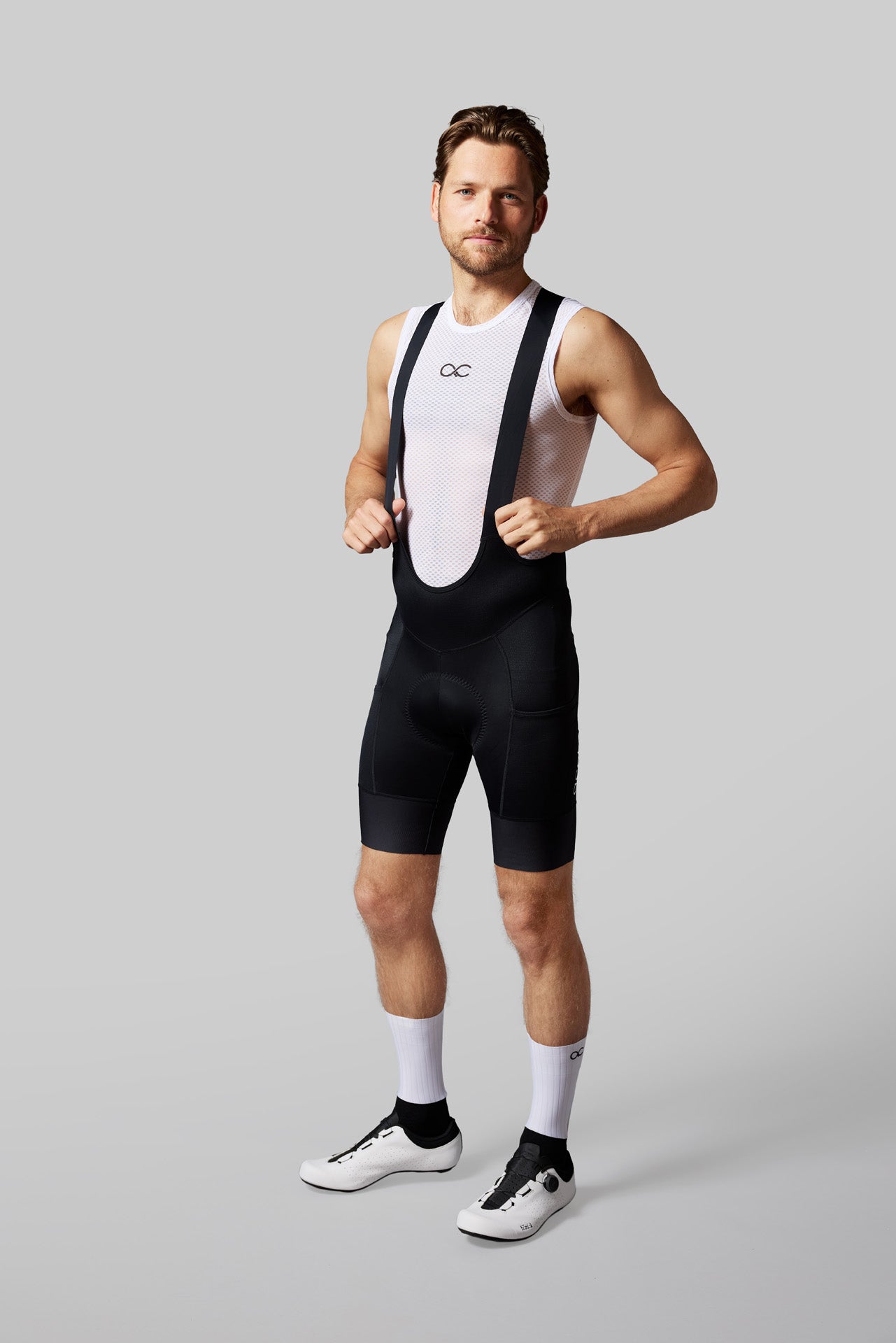
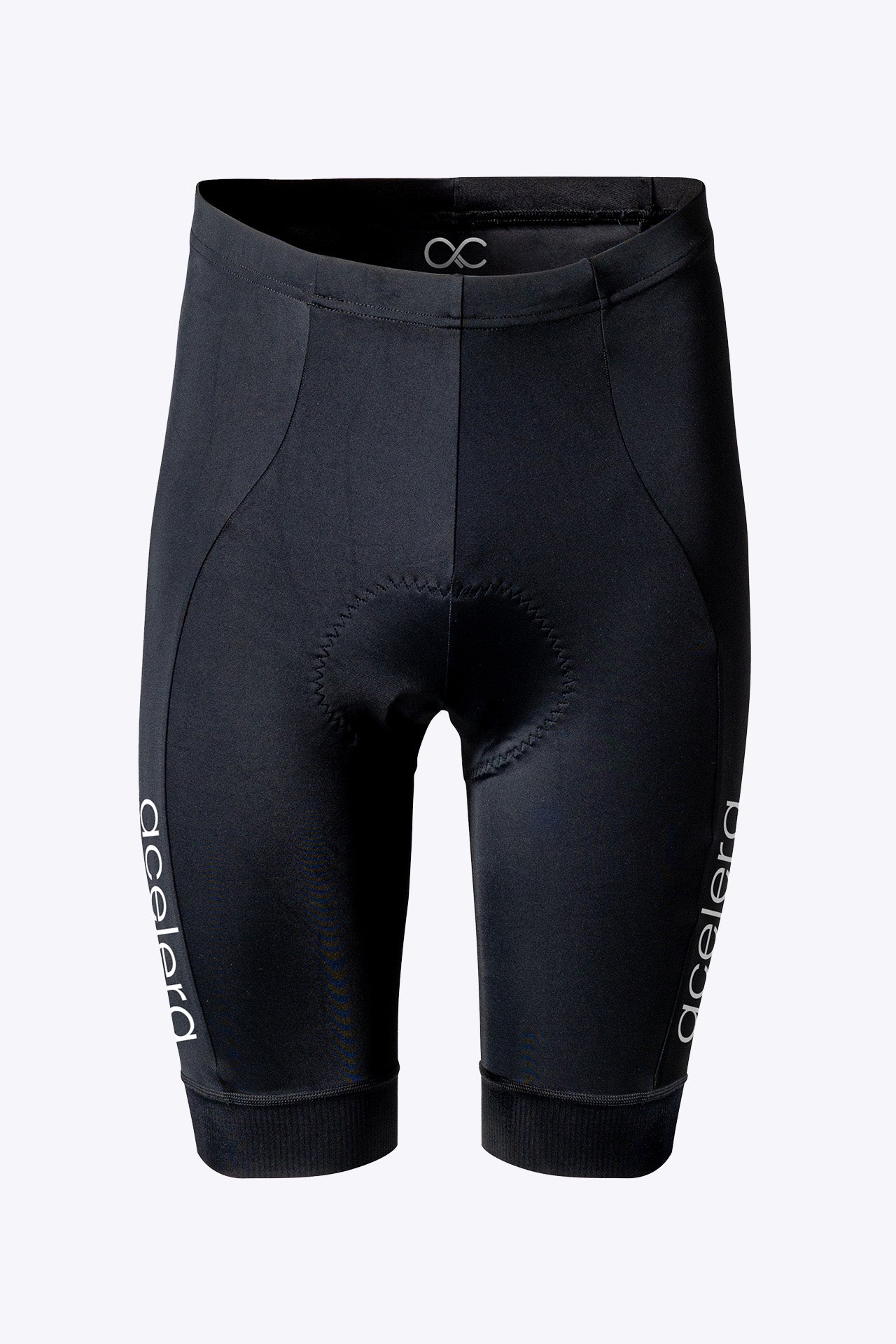
Cycling bib shorts for men
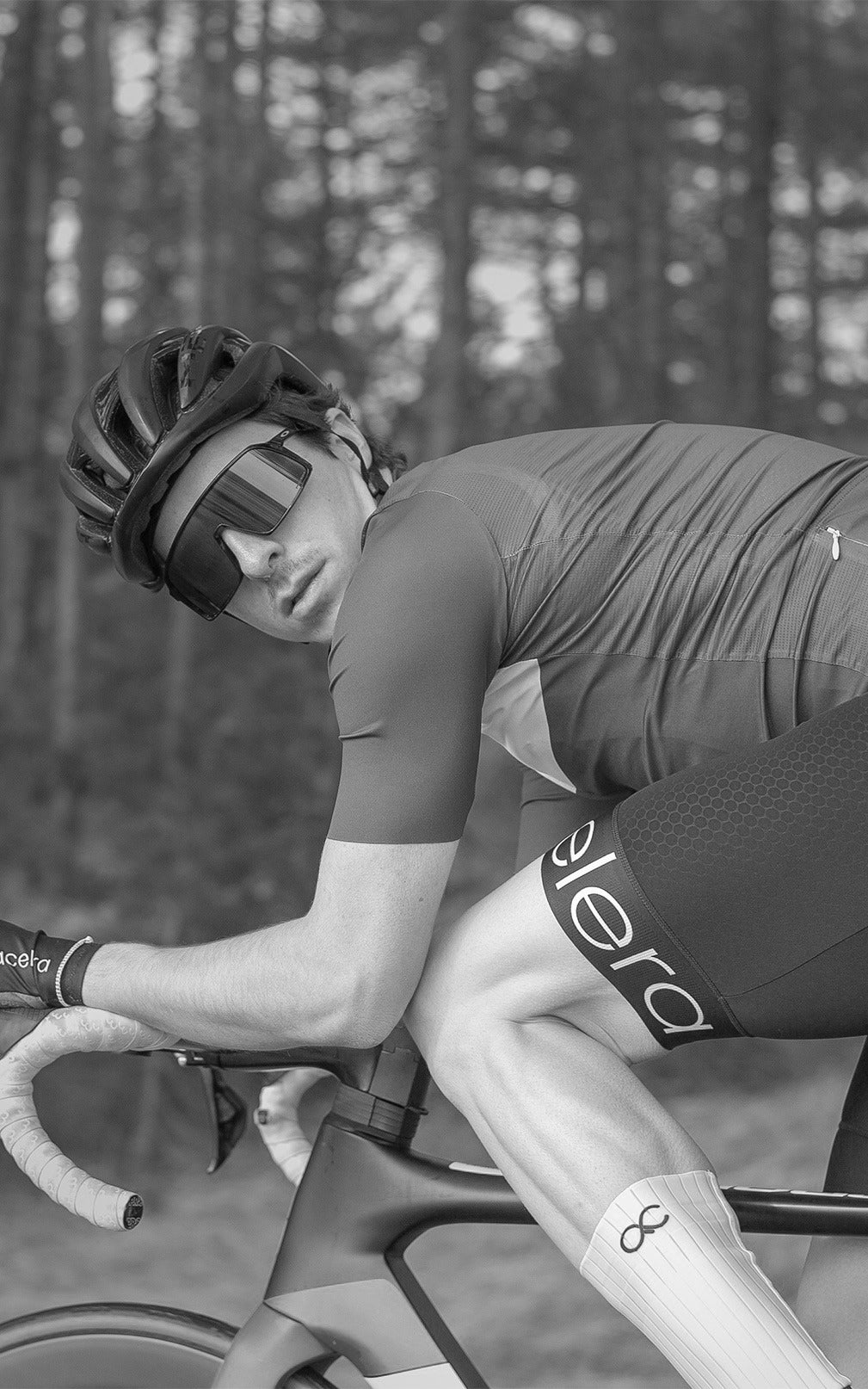
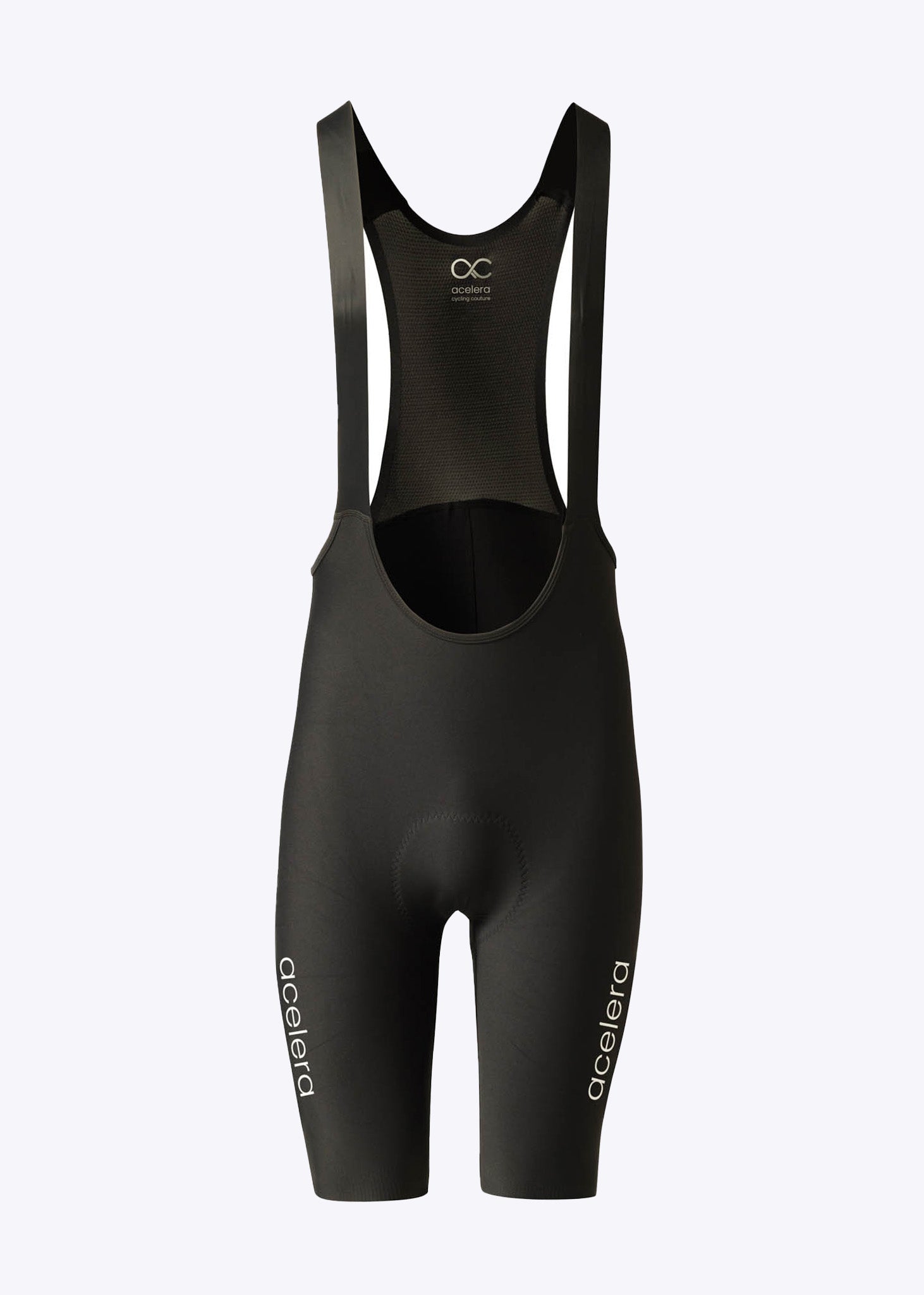
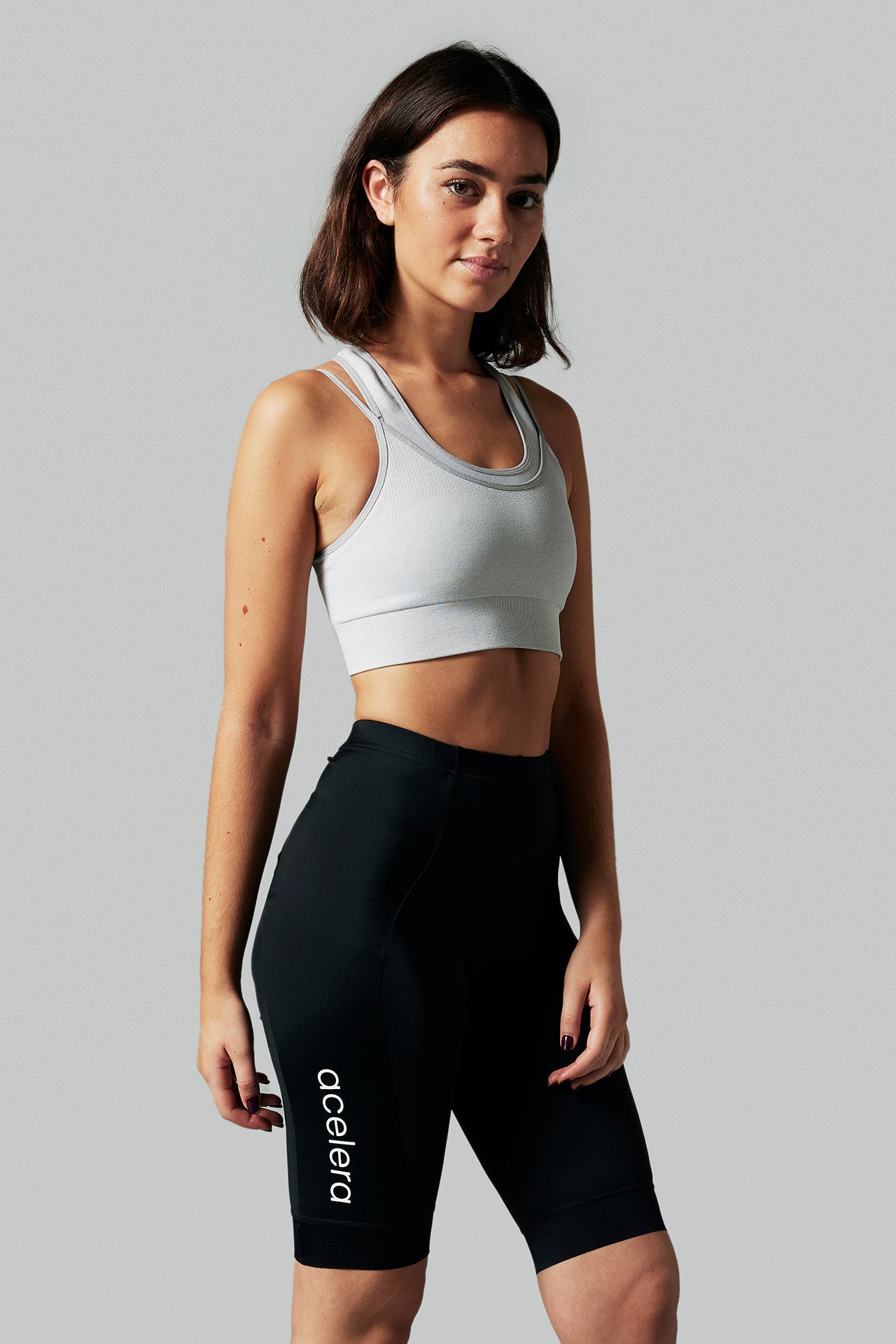
A bib shorts with a chamois specifically designed for the saddle gives you the most comfort while riding. The stretchy, flexible fabric of men’s bib shorts is designed to provide maximum freedom of movement. The built-in chamois offers cushioning, eliminates friction, and reduces moisture. Cycling shorts from Acelera are made from a blend of polyester and elastane. These shorts are ideal for staying cooler on warm days.
cycling jersey for men
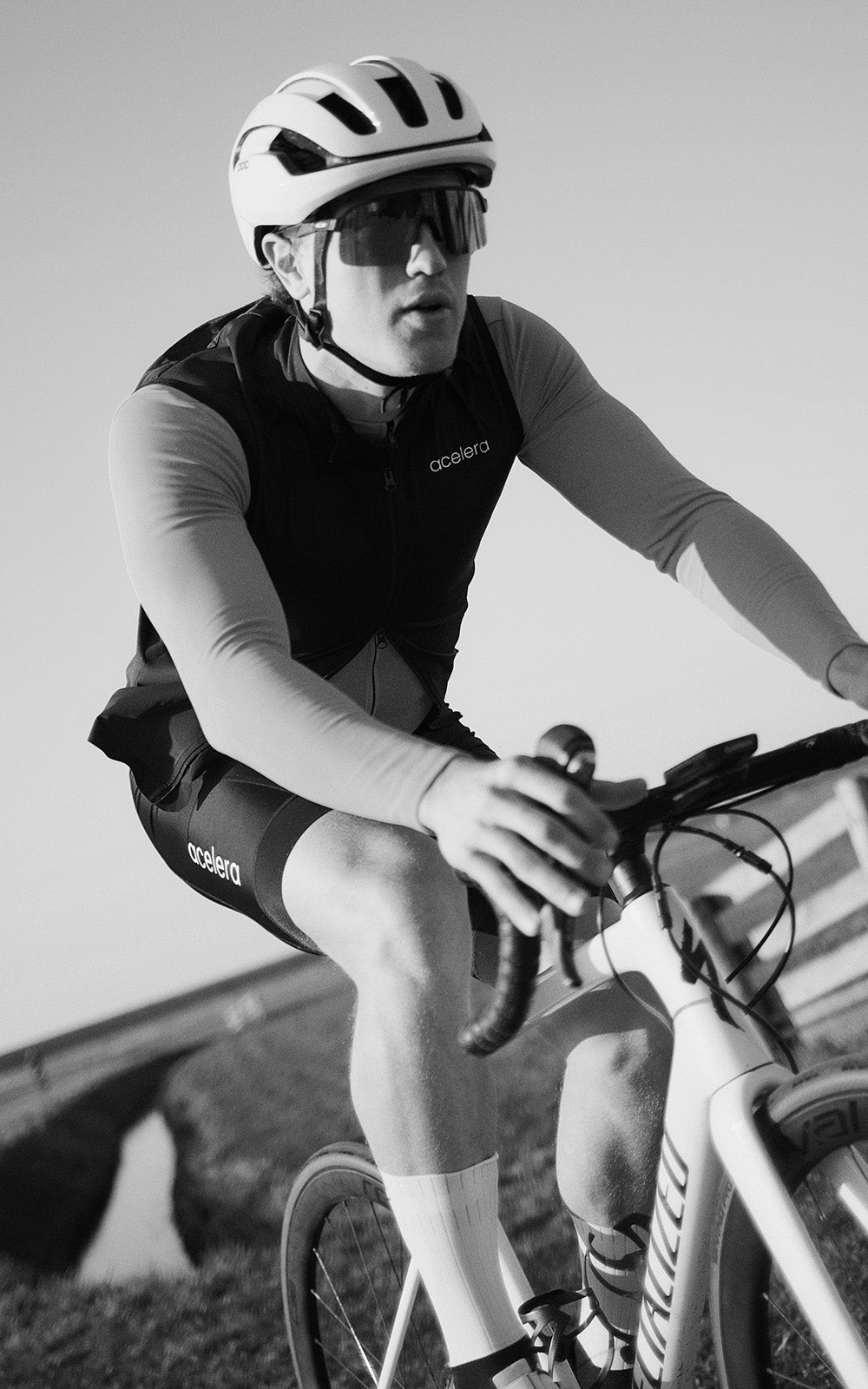
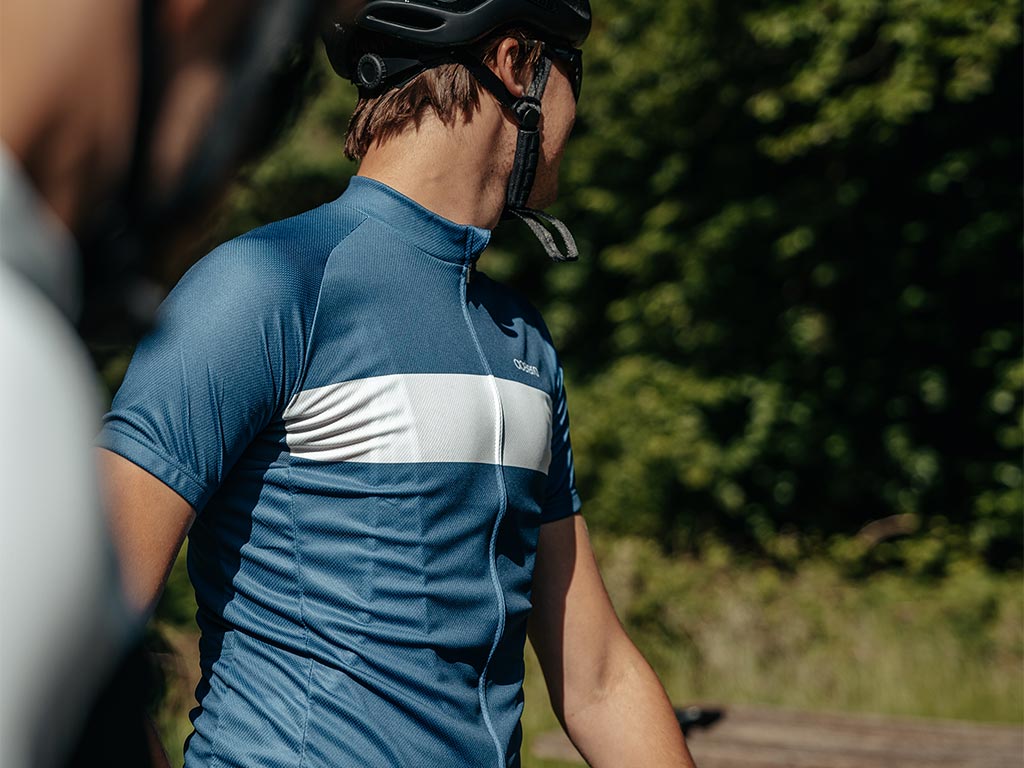
A moisture-wicking short-sleeve cycling jersey is also a great choice on a warm day. Consider one with rear pockets for easy access to snacks, money, and your phone. A cycling jersey with a front zip can be unzipped to help you cool down. The men’s cycling jerseys from Acelera are made from extra breathable fabric to help you stay cool and comfortable.
cycling socks
Avoid blisters with the right cycling socks. The right cycling socks are made from polyester or nylon. These materials retain very little moisture and wick sweat away effectively. Also make sure you wear the right size socks. Socks that are too big can slip, while socks that are too tight can put pressure on your feet.
cycling gloves
In warm weather, fingerless gloves are great for absorbing moisture, so your hands don’t slip on the handlebars from excess sweat.
Riding in cool weather (between 10°C and 18°C)
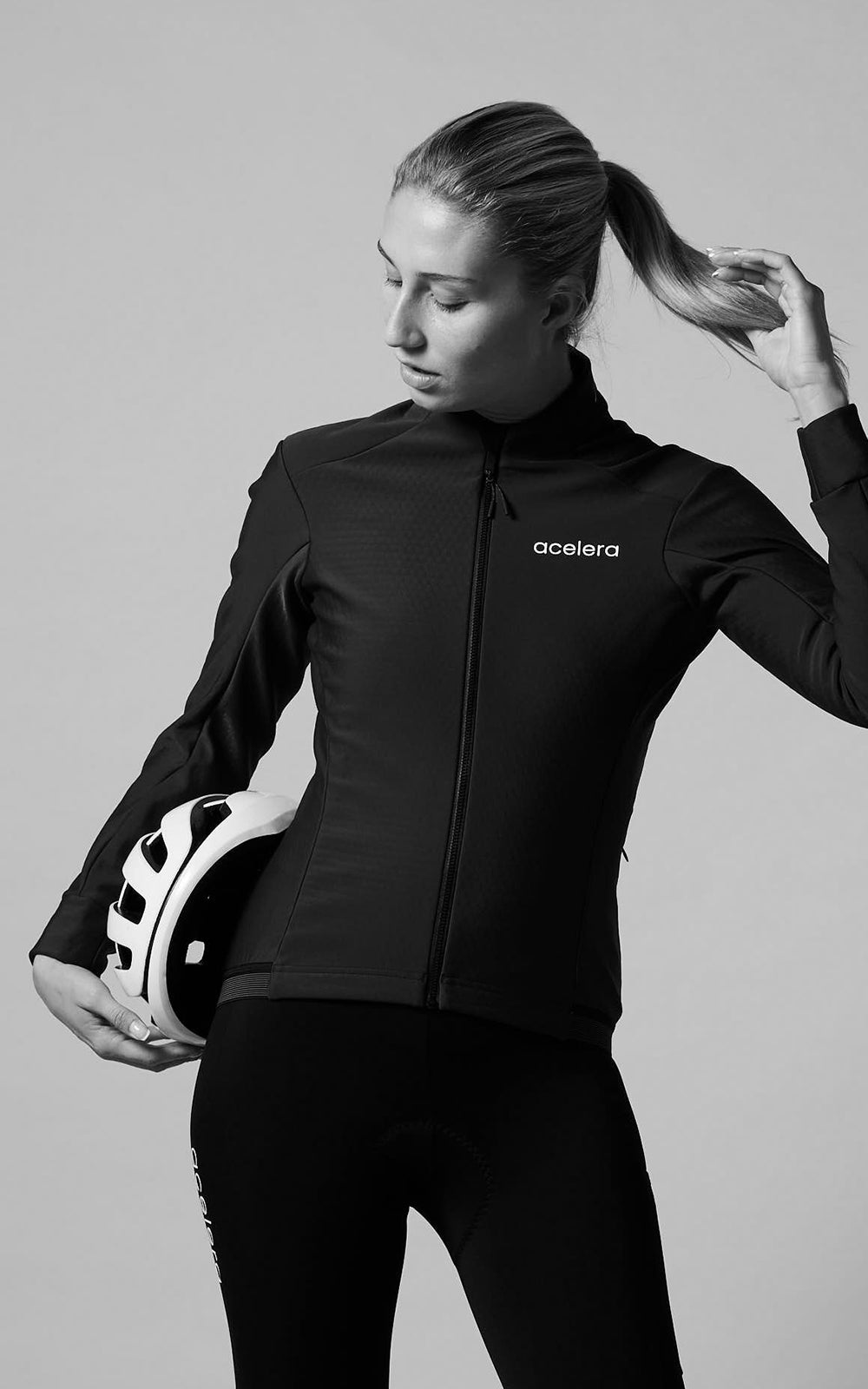
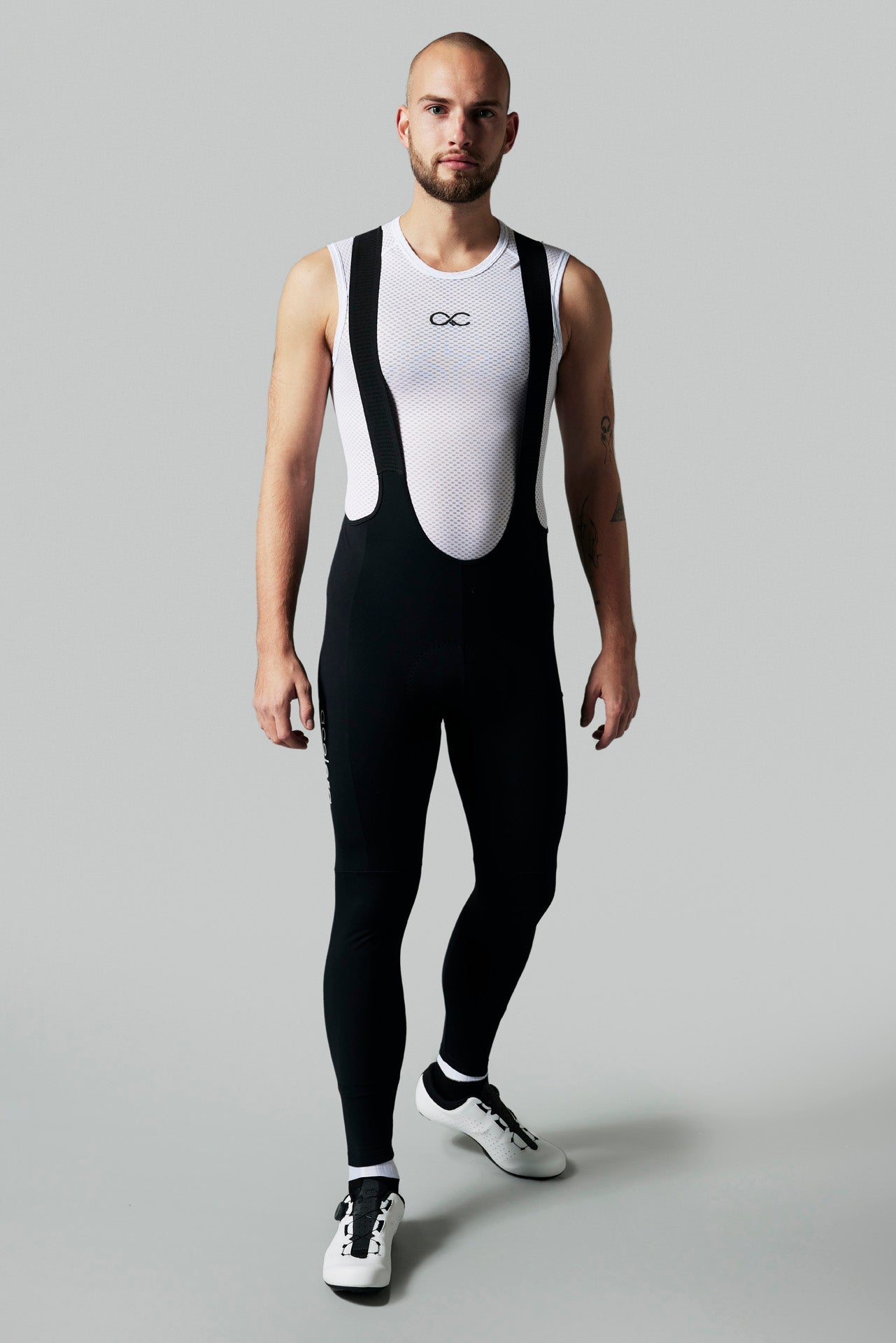
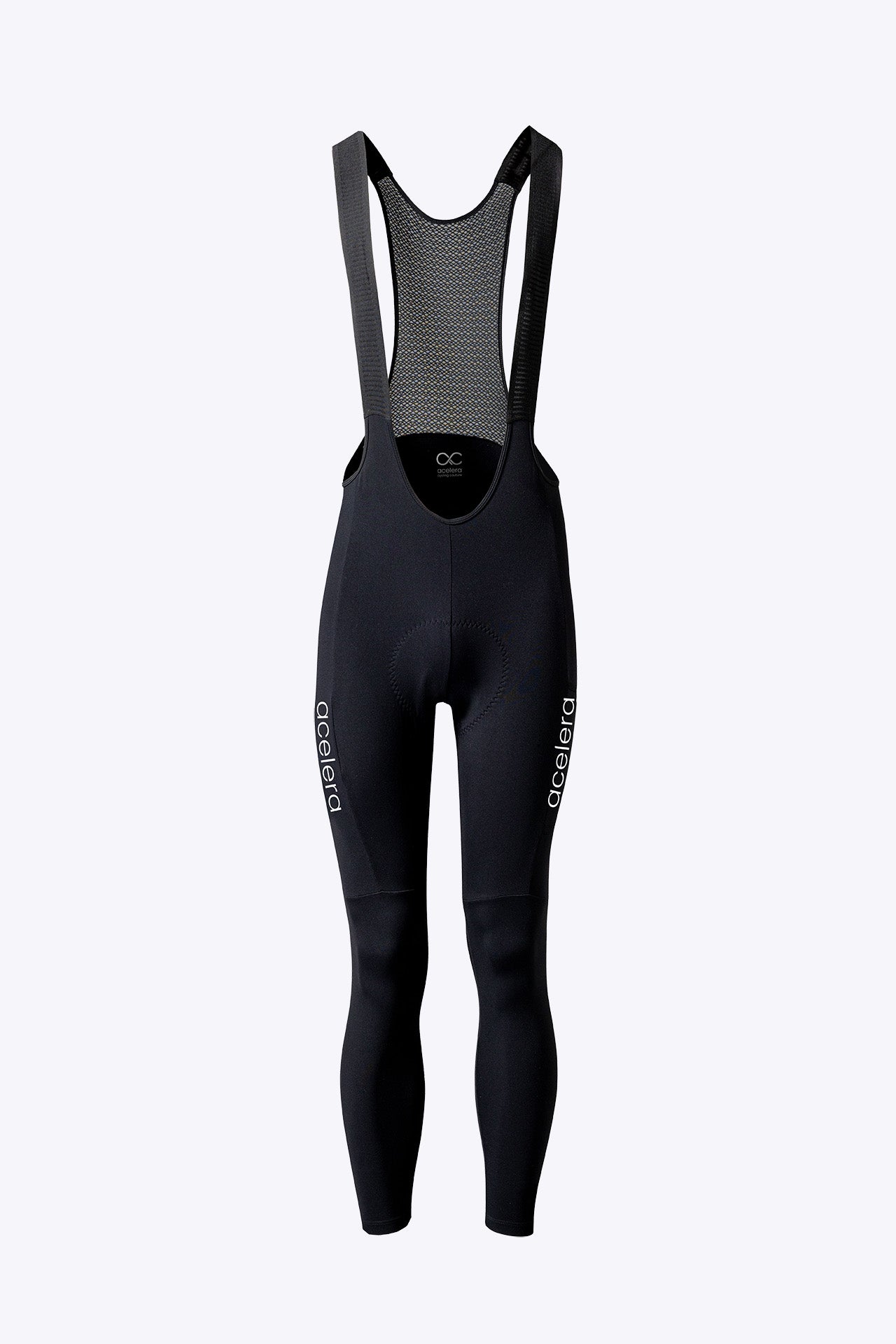
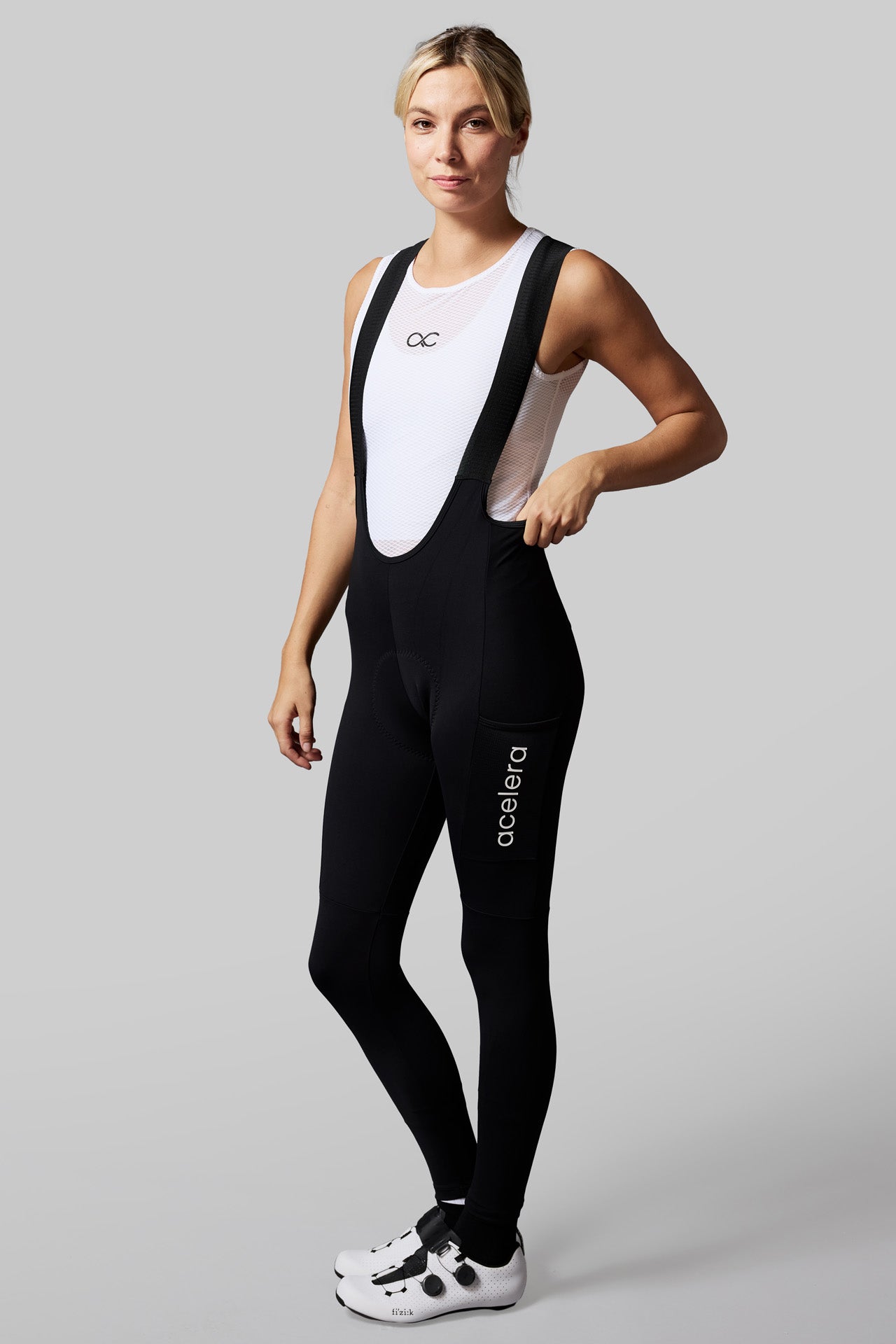
Swap your short-sleeve jersey for a non-insulated long-sleeve jersey. Consider arm warmers and leg warmers, which you can always take off if you get too warm. Wear thin full-finger gloves, a windproof gilet, and a thermal headband.
Riding in cold weather (between 1°C and 10°C)
When it’s cold, you’ll want to dress in layers. It’s important to protect your head, neck, and core, as well as your extremities (arms, hands, legs, and feet). There are three layers: base, mid layer, and outer layer. Each layer serves a different purpose. base layer - this layer is designed to draw moisture away from the skin. Moisture-wicking clothing helps prevent the other layers from getting wet and supports body temperature regulation. mid layer - this layer works together with the base layer to help moisture evaporate. It insulates between the base layer and the outer layer. Outer layer - this layer protects you from the elements, such as wind or rain. The outer layer should be breathable so the other layers can continue to wick away moisture.
Riding in very cold weather (below 0°C)
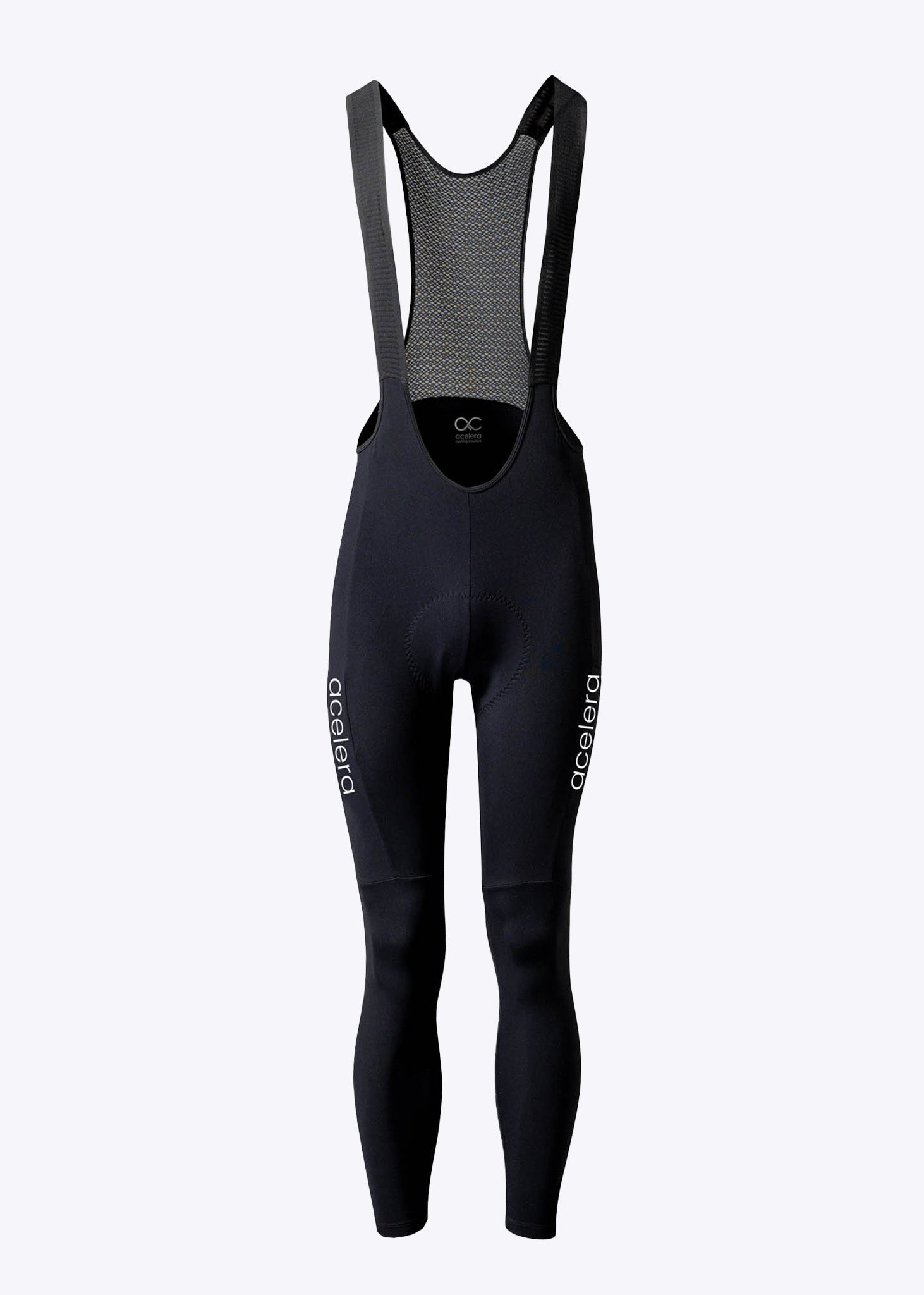
As the temperature drops, a new hazard appears on the roads: ice and snow. Some riders choose not to take the risk and put their bike away for the freezing season, but with the right preparation, you can keep riding all winter long. Read more in our blog about riding in winter.




Leave a comment
This site is protected by hCaptcha and the hCaptcha Privacy Policy and Terms of Service apply.