


Five facts about your bib shorts with chamois pad
The layer chamois pad in your bib shorts, which protects your sit bones and lower body from saddle soreness, is more complex than you might think. One bib shorts – also known as bib shorts, bib tights or cycling shorts – is not the same as another. The chamois in your chamois pad is just as mysterious as closed-cell foam. Here are five things you may not have known about your chamois pad. And they’ll help you get the most out of your bib shorts (and avoid a few embarrassing kit mishaps).
One of the first pieces of advice for new cyclists is to get a bib shorts with a chamois pad. This is not just reserved for professional riders and dedicated amateurs. Good padding in your bib shorts can make or break your ride. If you ride a road bike with a standard saddle, it’s almost impossible to stay comfortable without a good chamois pad in your shorts. That’s because your sit bones are the main contact point with your bike. If you have a good chamois pad, you can ride comfortably for hours without pain or irritation; if you don’t have a chamois pad, you can end up with serious saddle soreness after a ride. Need help choosing the right cycling shorts? Read our tips >
1. Synthetic chamois padding helps
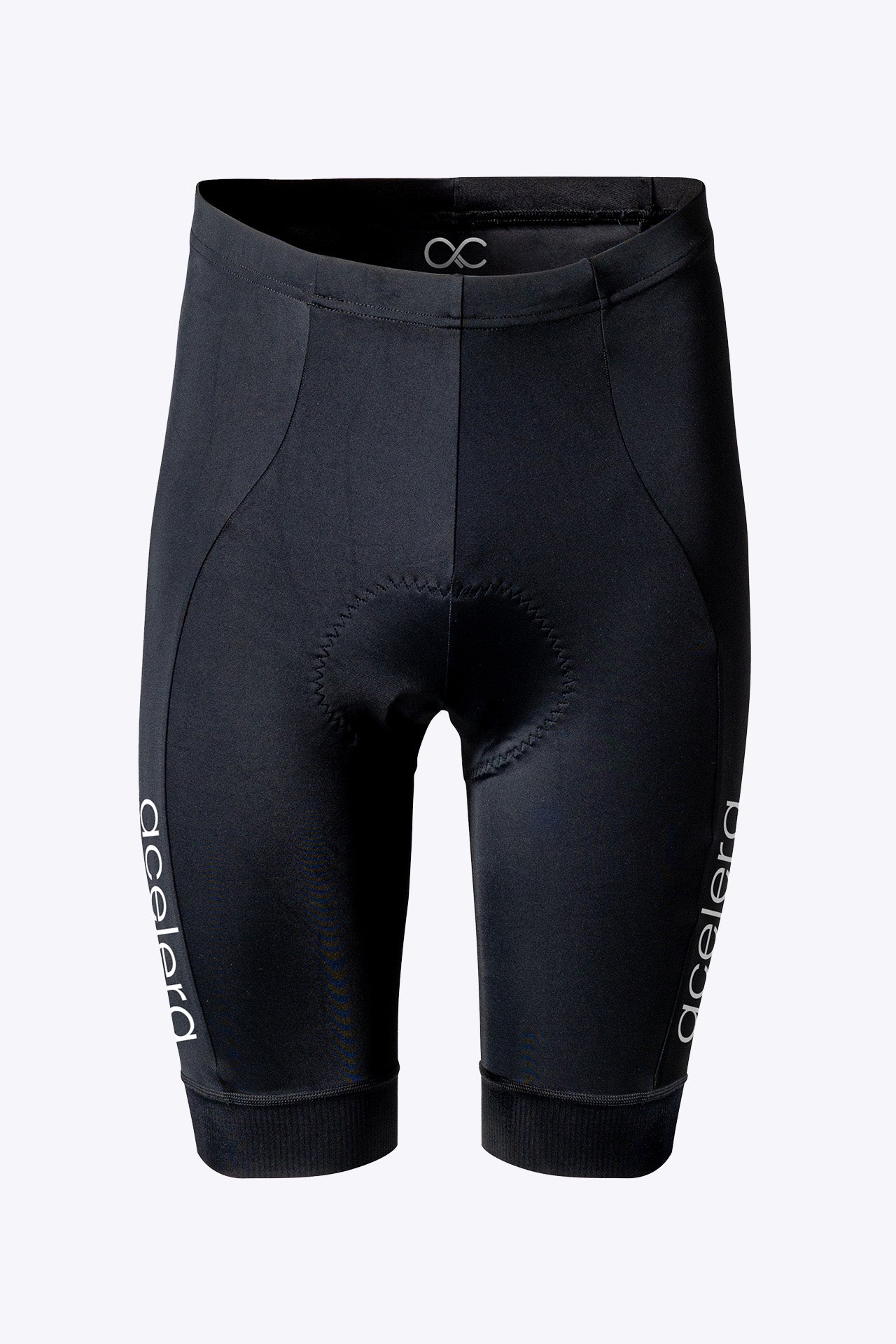
An old-school chamois pad had more in common with a baseball glove than with today’s materials. Chamois inserts were introduced nearly a century ago as a solution to chafing for cyclists. Riders from an older generation will remember chamois inserts made from leather rather than today’s high-tech synthetic materials. Around a century ago, cyclists wore shorts made from wool. These would swell up while riding and cause friction. The inside of those cycling shorts was made with suede. This provided just enough glide to give riders some relief. But it offered no protection against cobbles or uneven roads. And road surfaces back then were a lot less smooth than they are today. Around 1980, the first synthetic chamois pad was developed. Today, almost every apparel manufacturer uses synthetic materials for cycling clothing. Over the years, blends of different foams and gel inserts have been tested. The foam layer consists of open and closed cells. These reduce both chafing and vibrations from the road.
2. A squishy chamois pad is not always better
Anyone who has ever held a bib shorts with a chamois pad will often start by squeezing the chamois pad. But thinking the softest, most springy pads will perform best is a mistake. The most important thing about the chamois pad is the density of the cells. It’s also important to look at the thickness. That usually ranges from 8 to 13 mm. If a chamois pad is used often, the padding will start to compress. The more the padding is compressed, the more pressure is placed on the area you actually want to keep pressure-free. A chamois pad that is too thick will increase pressure, and the quality of the padding will quickly deteriorate while riding.
3. The seams between the bib shorts and chamois pad are extremely important
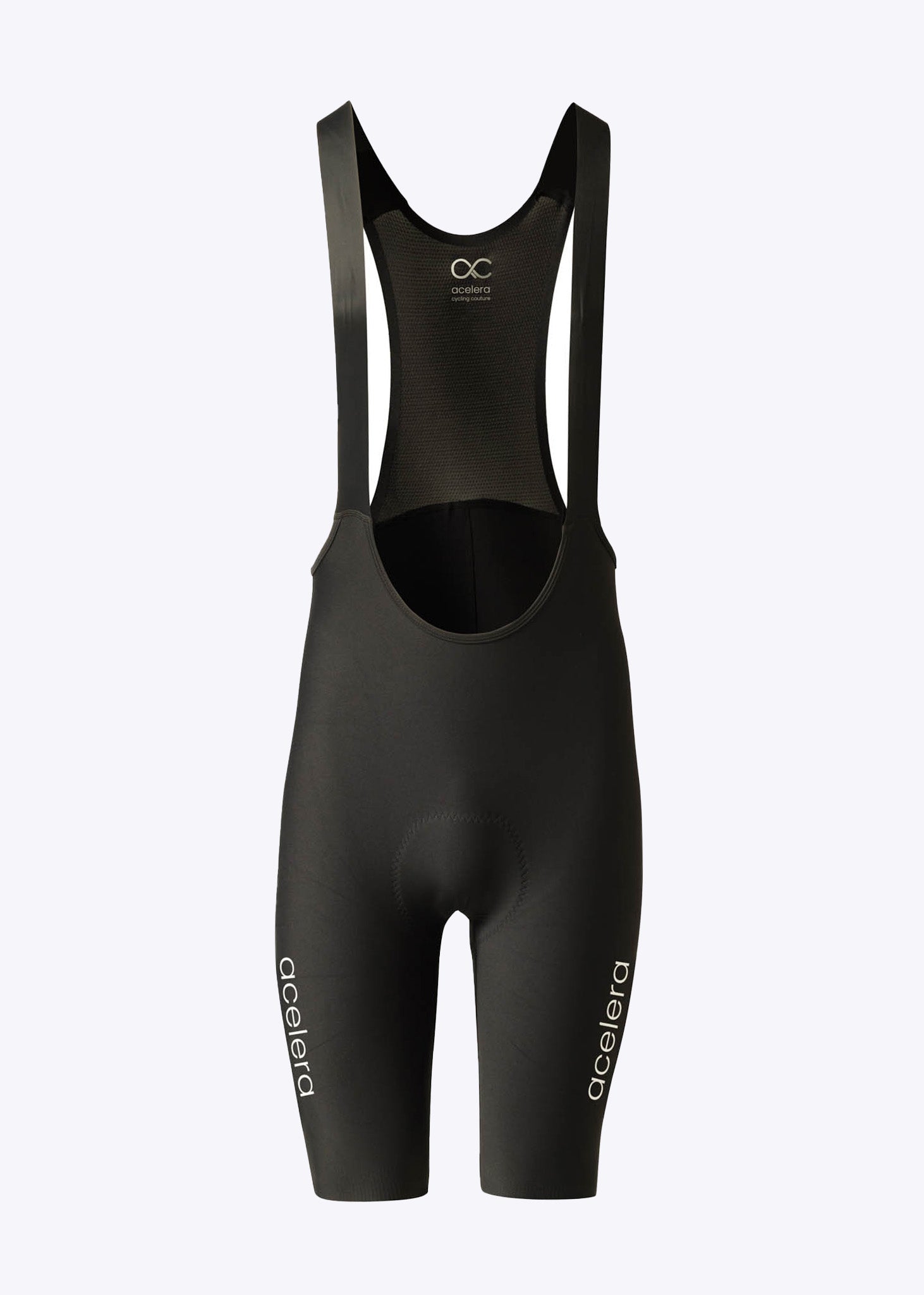
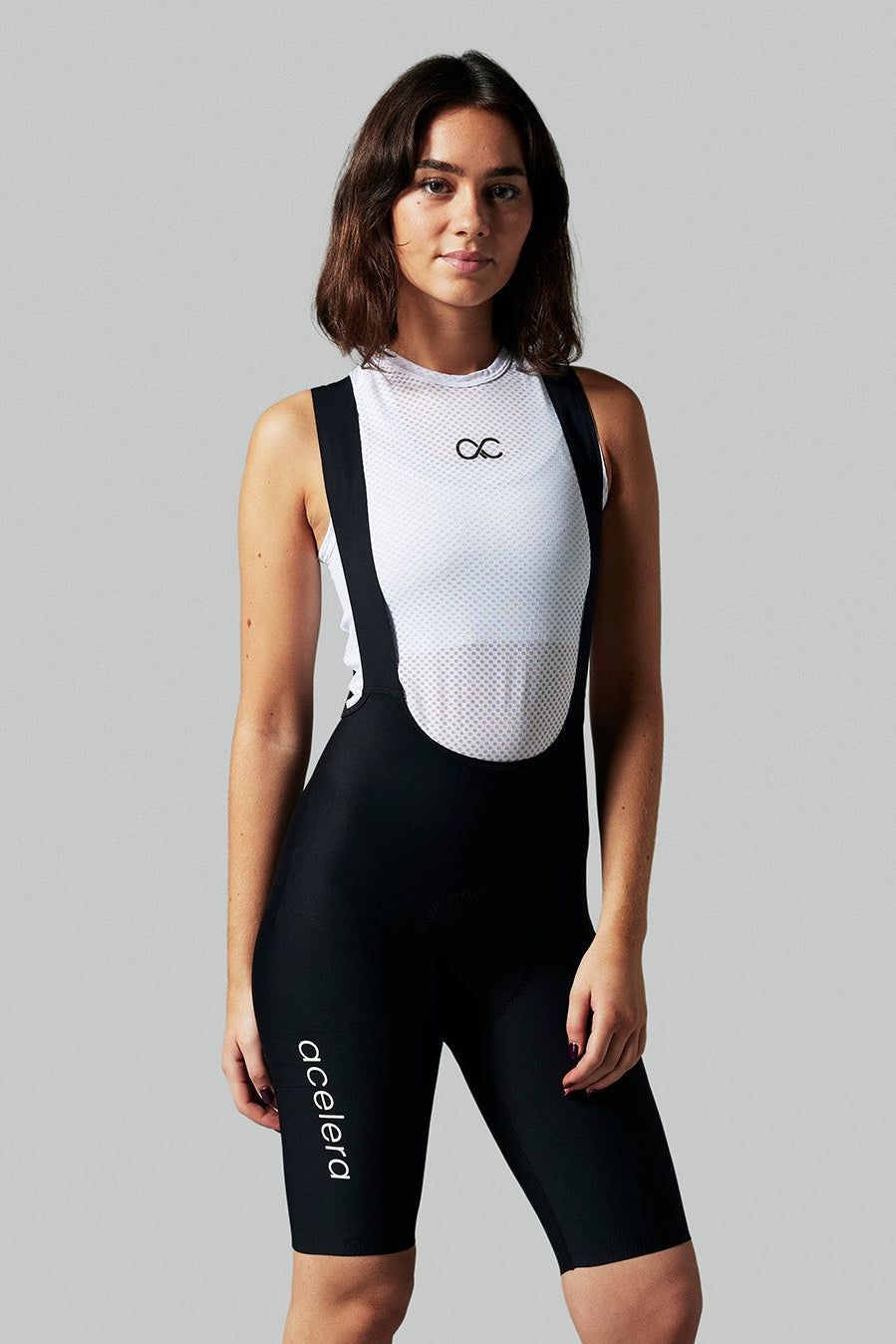
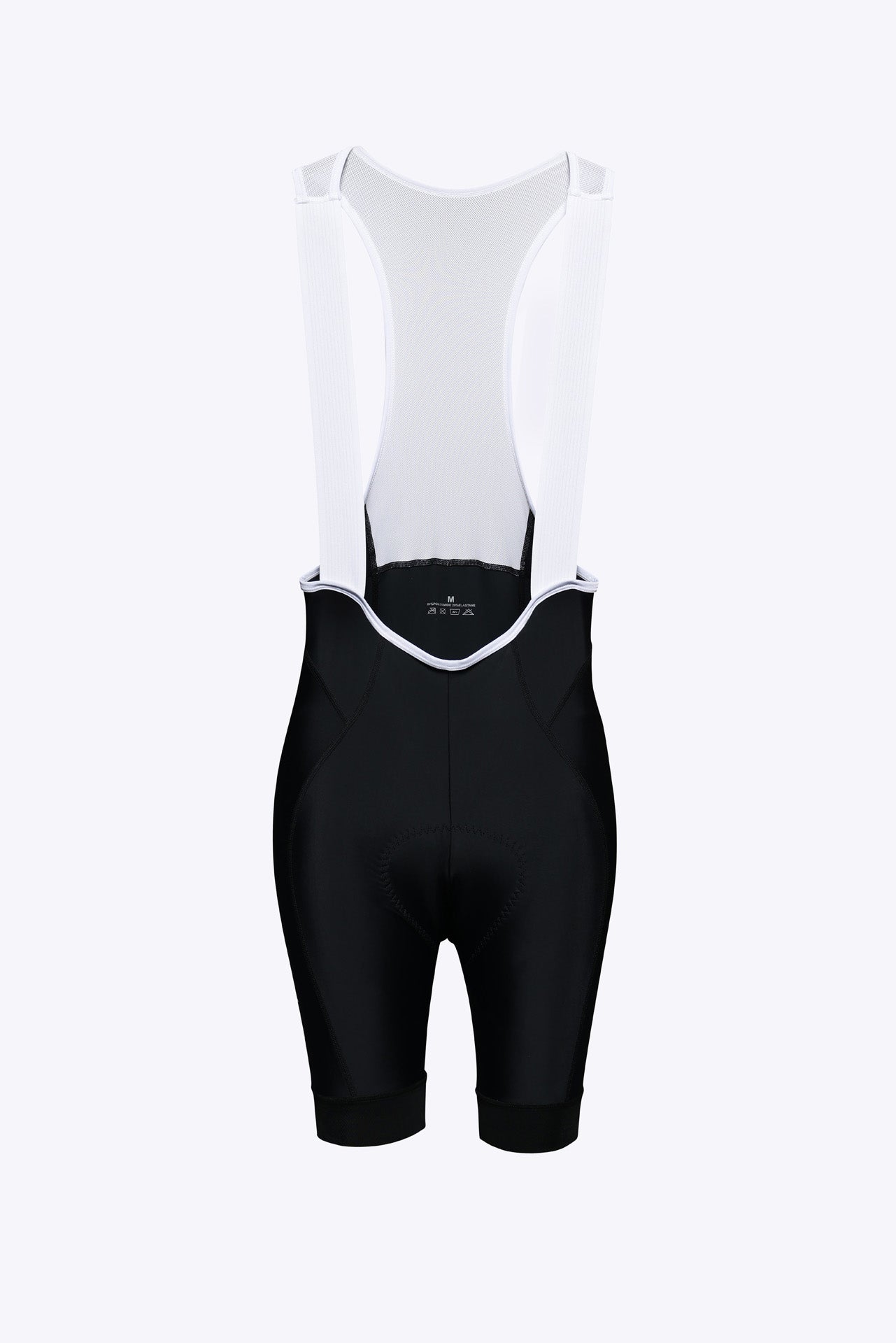
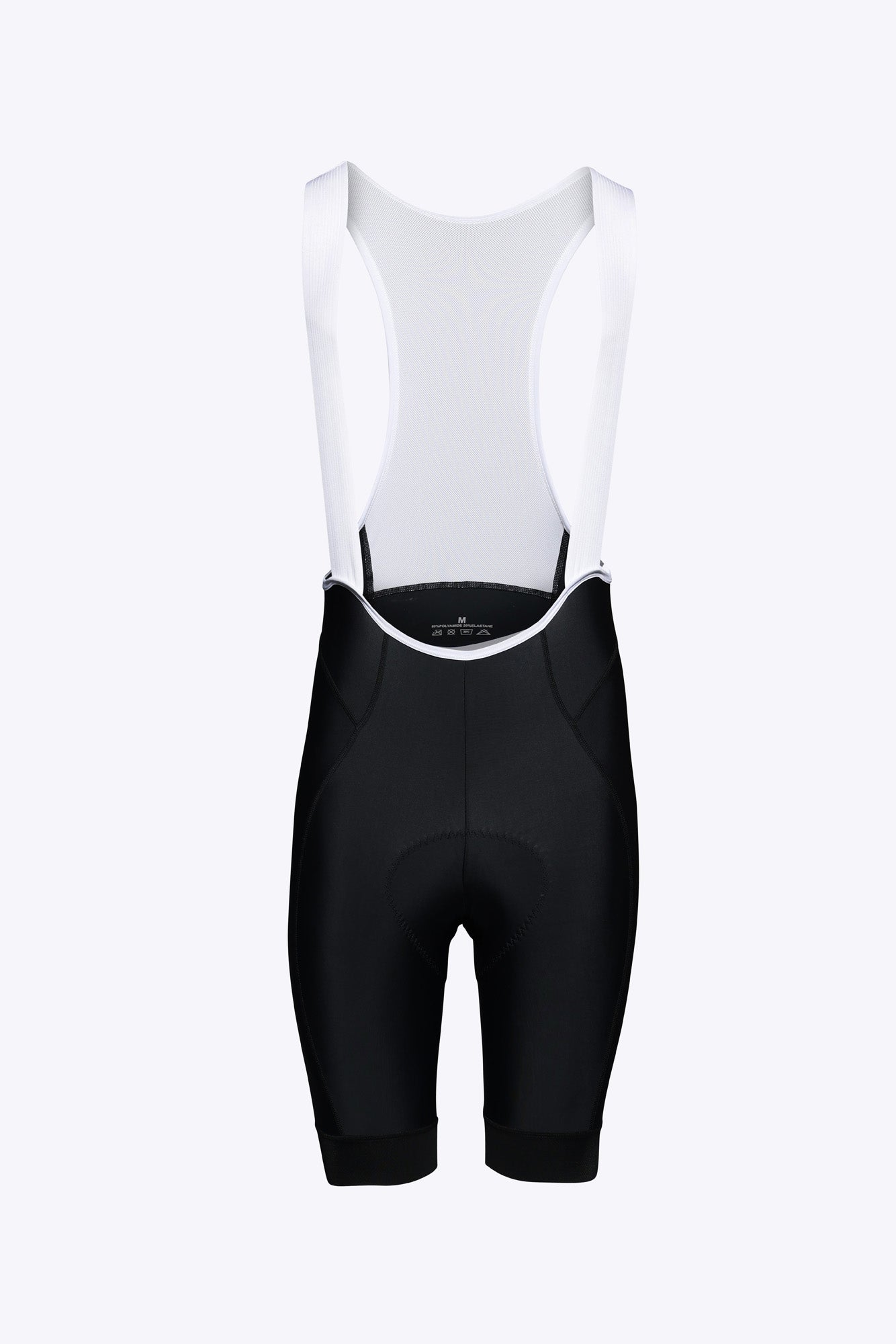
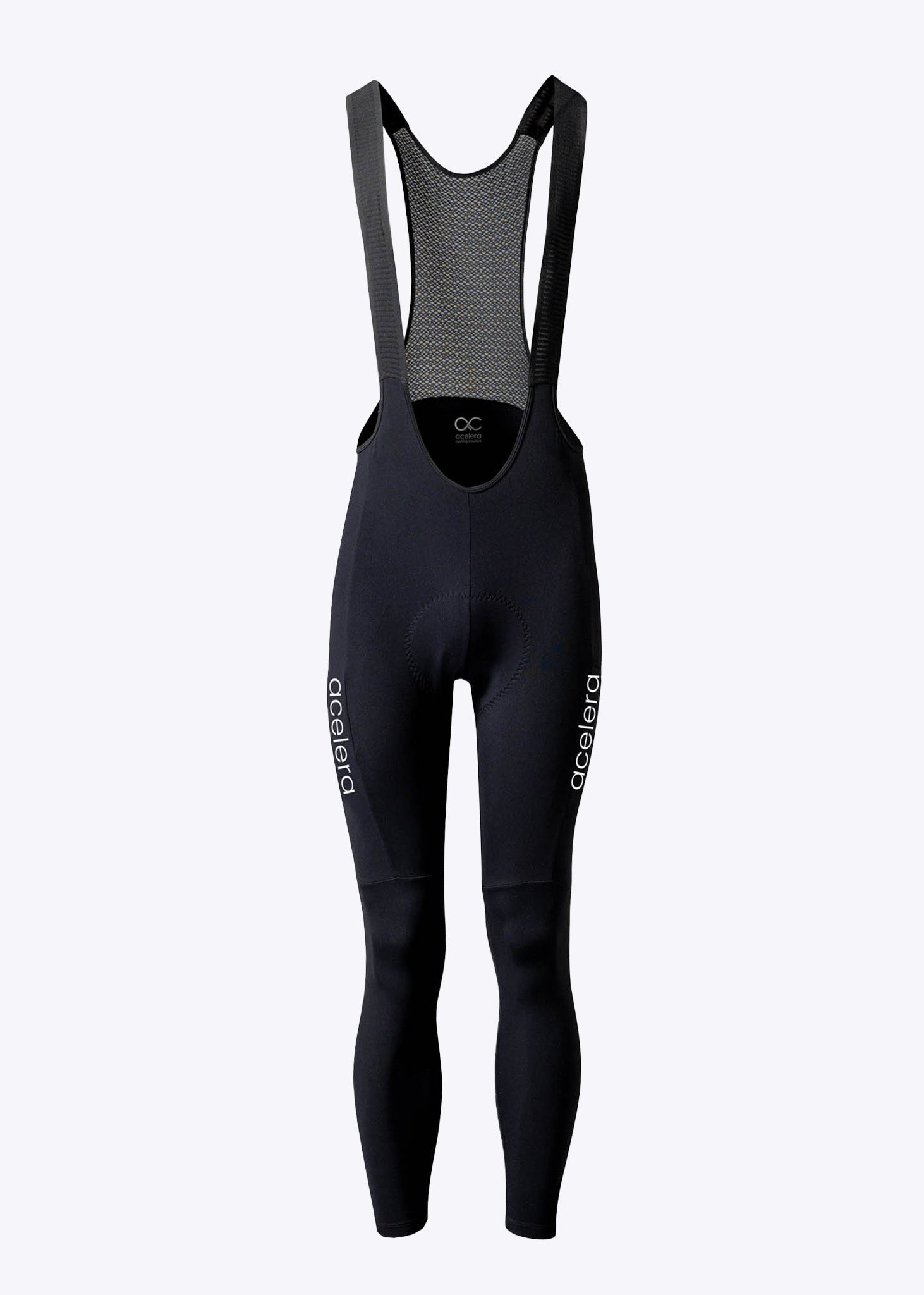
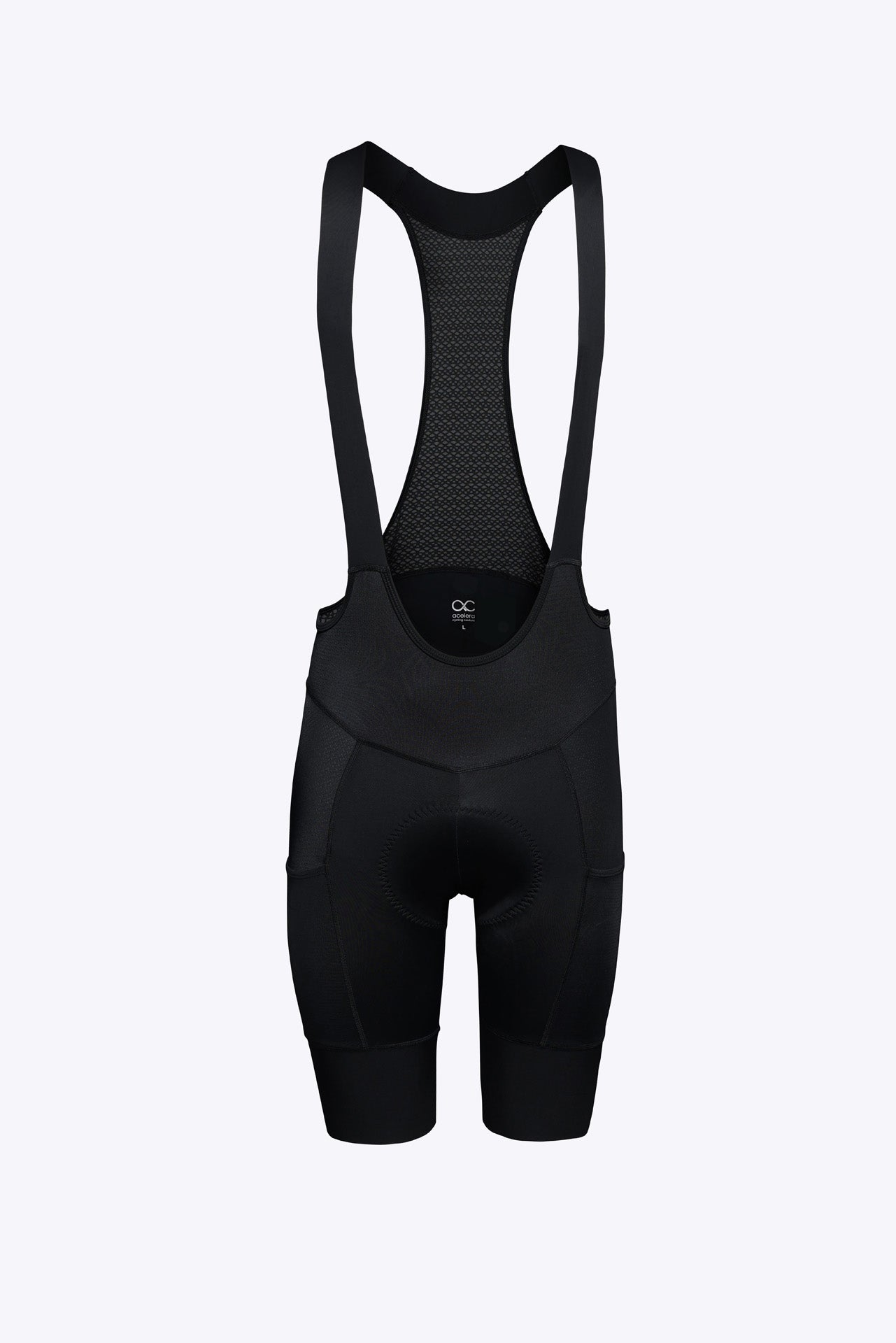
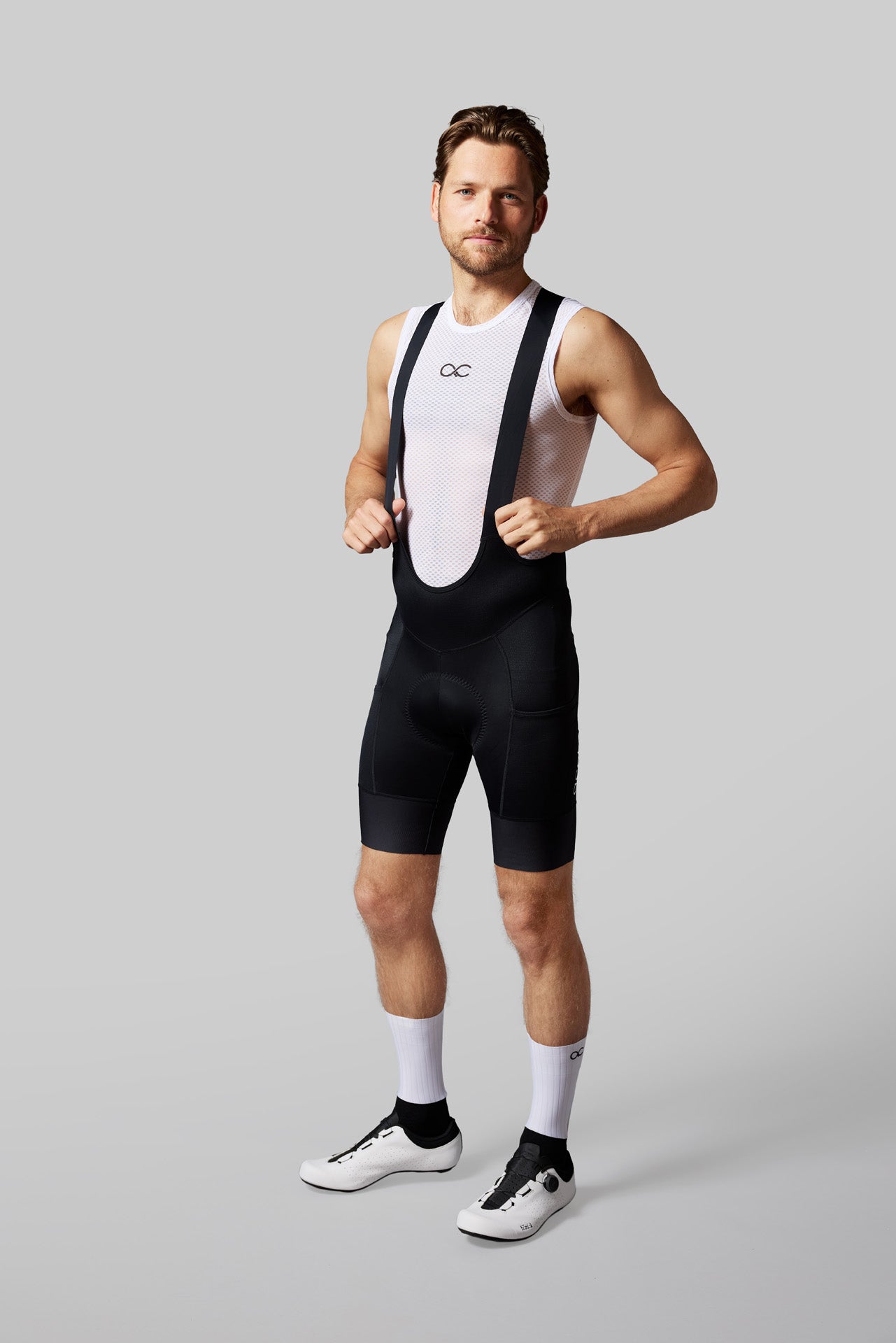
A chamois pad is always sewn into a bib shorts. So there will always be a connection between the two parts in the form of a seam. The Acelera bib shorts uses flatlock stitching that lies flat inside the shorts. This means there is no rough stitched edge that can chafing against the skin.
4. The lifespan of your bib shorts depends on how you use it and the quality
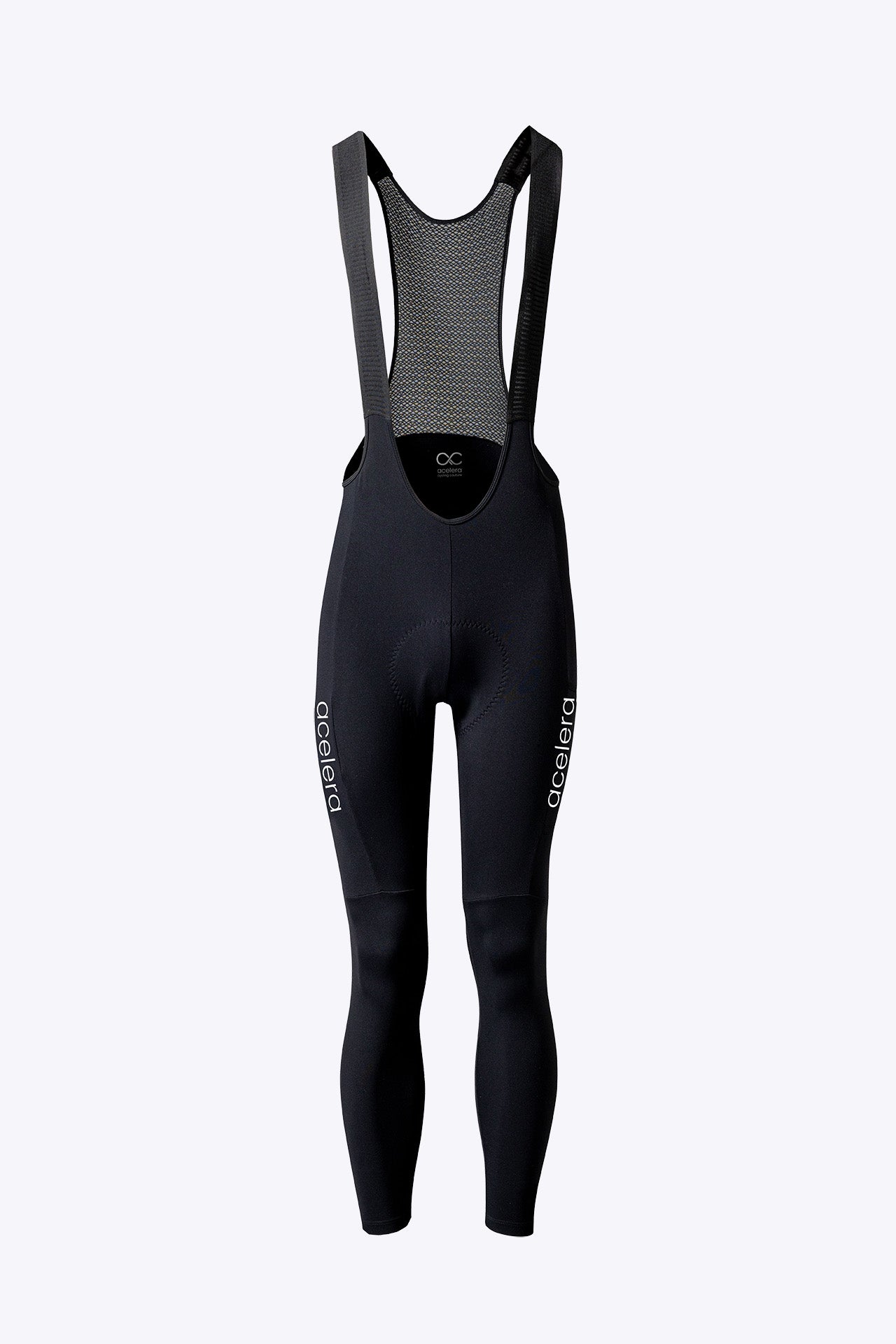
Nothing lasts forever, not even your chamois pad. So what is the typical lifespan of a chamois pad? That really depends on the rider - how much time they spend in the saddle, their weight - and how carefully the bib shorts is washed. While washing is never ideal for the quality of your cycling clothing, it is still important to wash your cycling clothing regularly. Sweat causes bacteria to build up in the bib shorts. Most shorts have anti-microbial properties and fast moisture-wicking performance. Wash your bib shorts at no more than 30 °C, preferably on a synthetic cycle. The cotton cycle can be too harsh for some garments. And never put your bib shorts in the dryer afterwards! Instead, hang it up and let it air dry naturally. The cycling shorts from Acelera are ideal for rides up to 6 hours and, with normal use, will last for several years.
5. A bib shorts makes you more aerodynamic
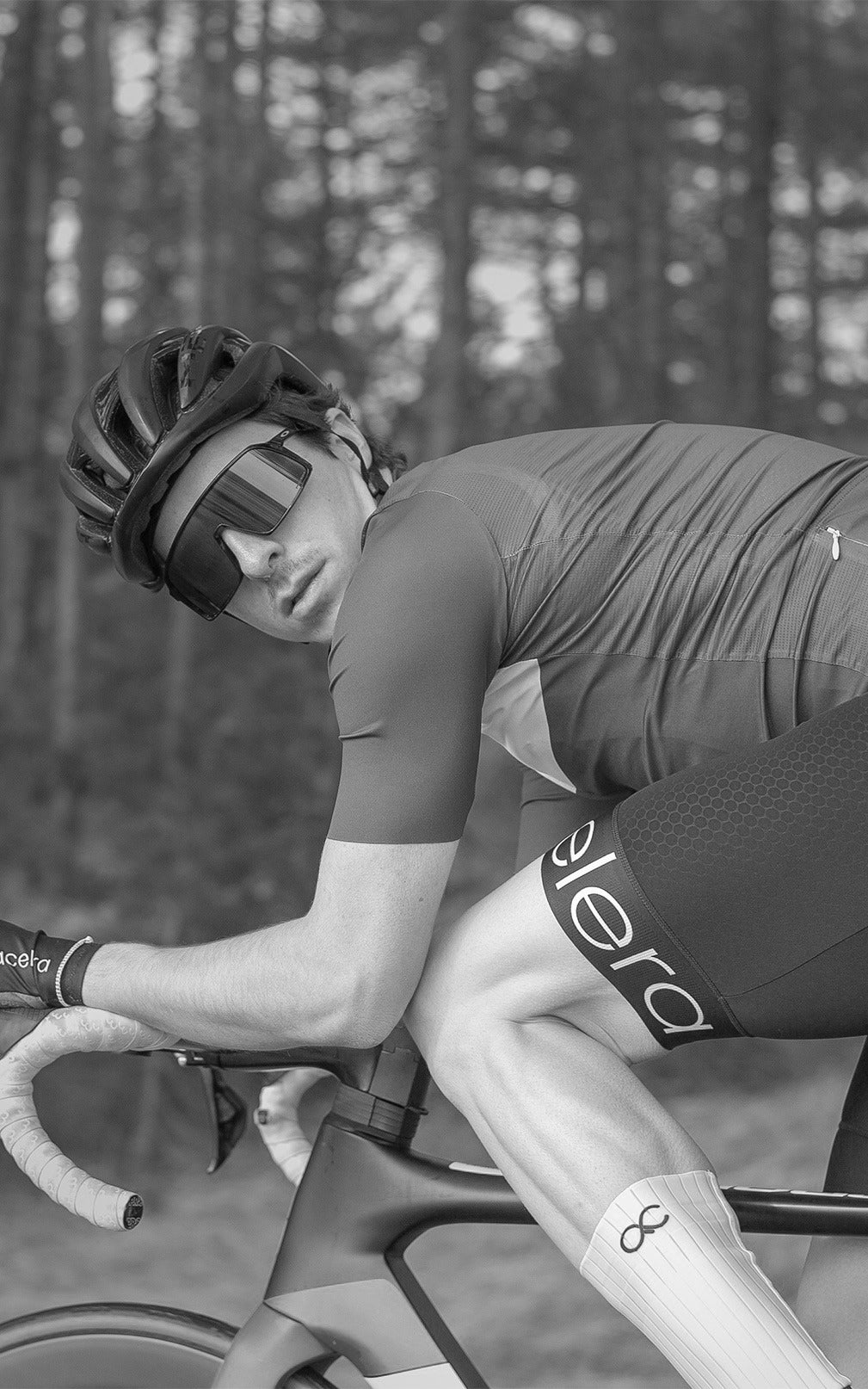
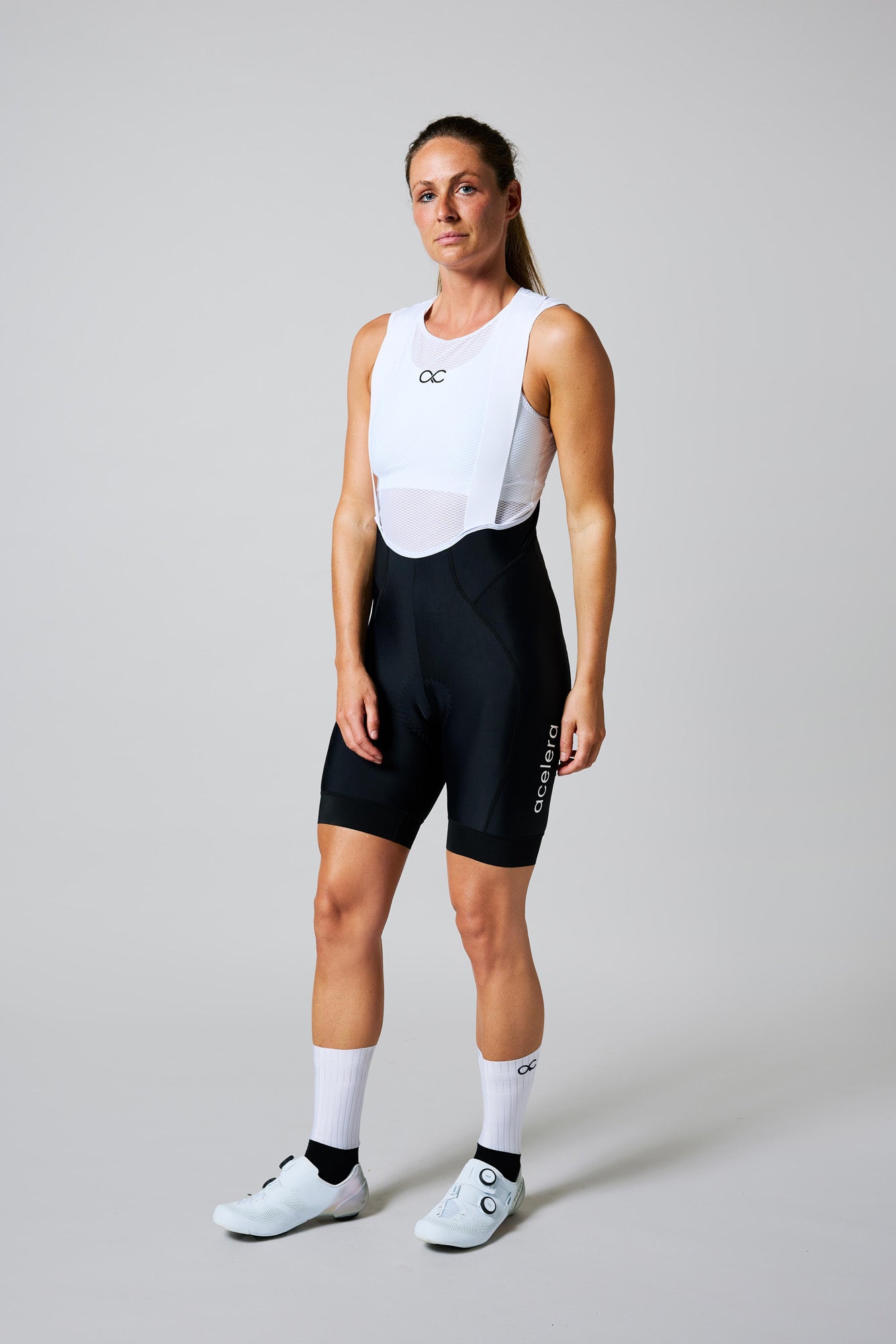
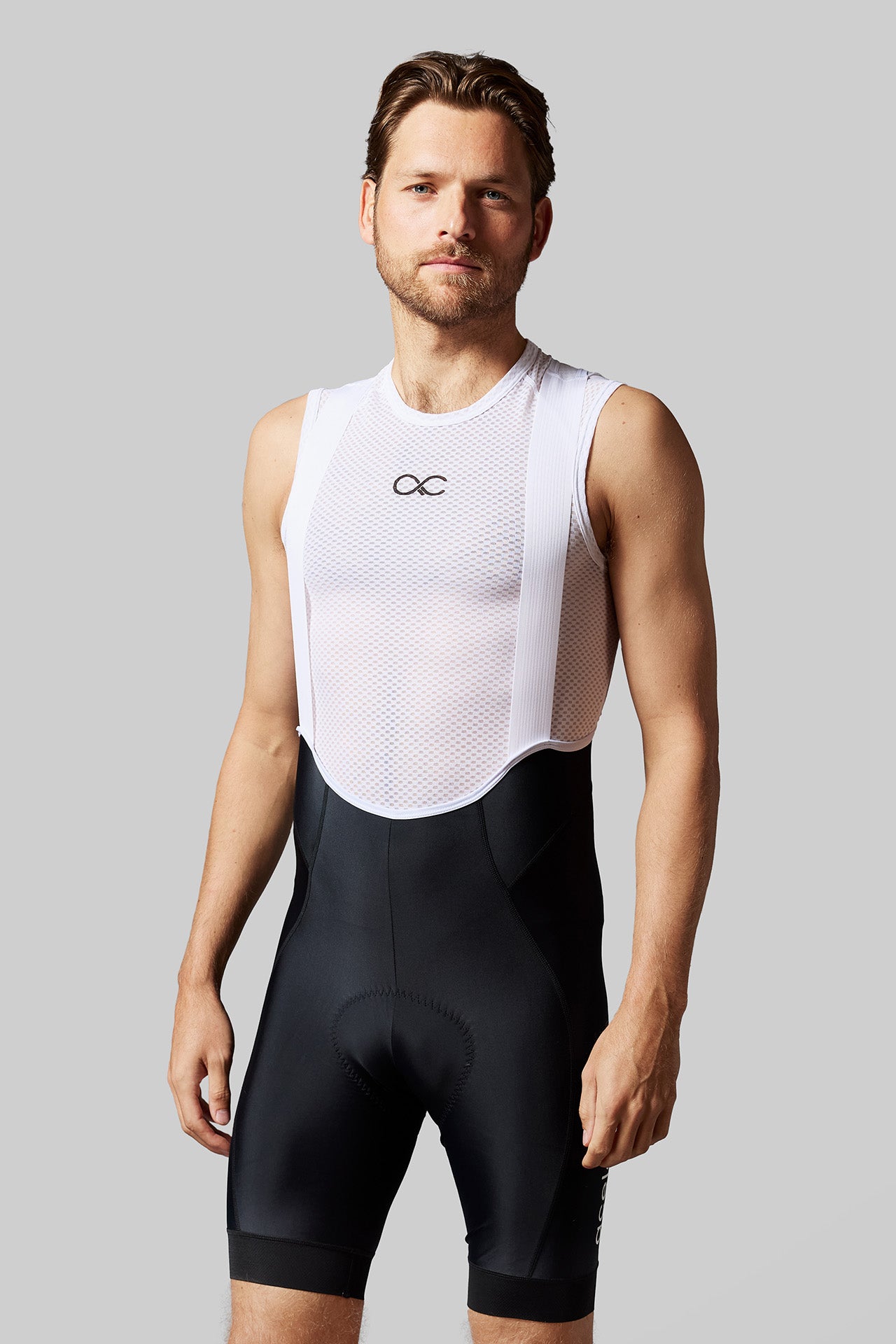
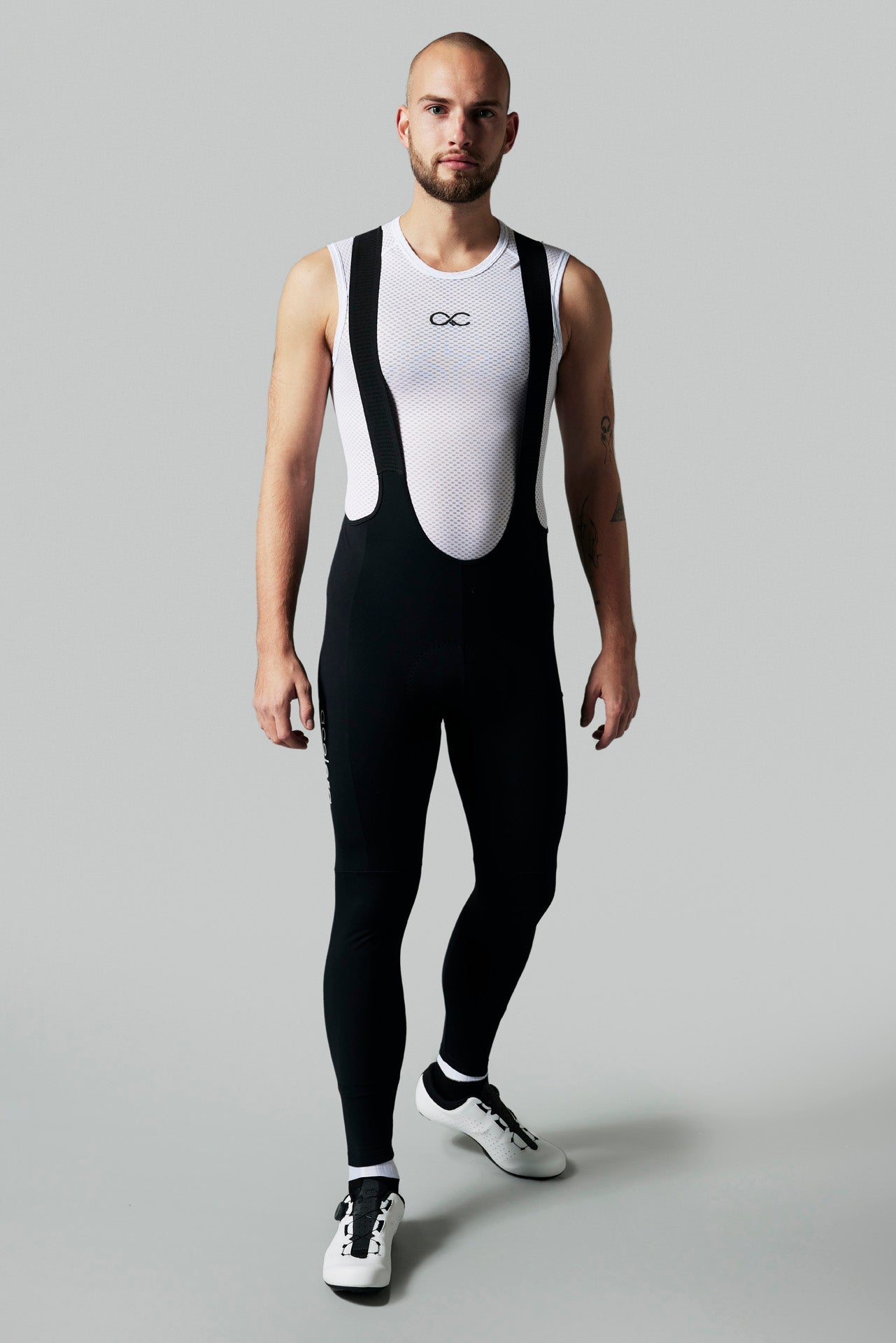
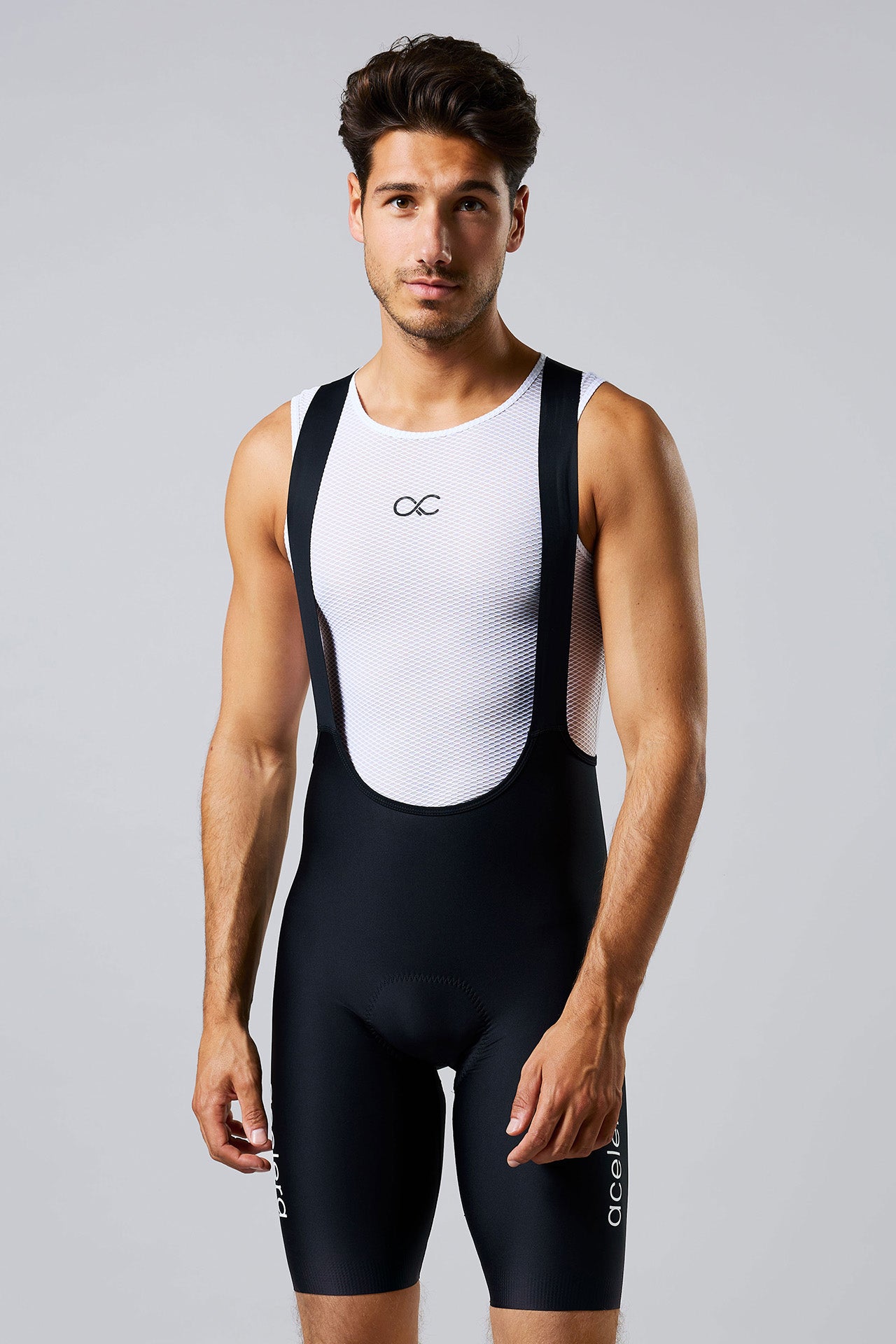
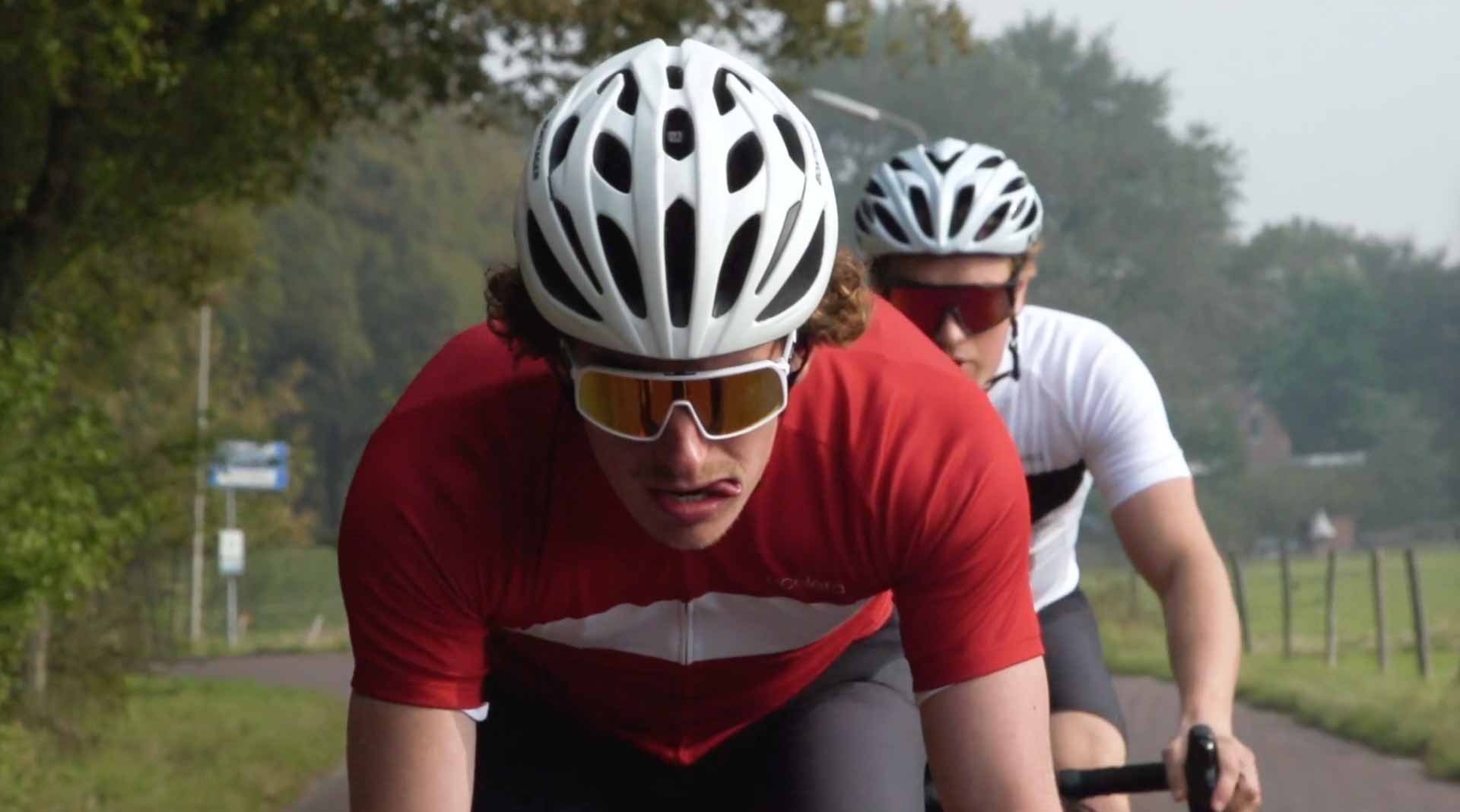
This final fact may well be one of the most important. You wear a bib shorts for added aerodynamics. Cycling shorts fit close to the body and give you a slight advantage by making you more aerodynamic. Tight shorts give serious cyclists an edge by reducing drag. This means they need to use slightly less energy to cover the same distance. It is said that on a flat road, 70% to 90% of a cyclist’s resistance comes from air resistance. That is why cyclists do everything they can to minimise drag and streamline both their body and bike. Wearing the right bib shorts contributes to this. Want to read more about the aerodynamics of a cyclist? Then read our blog >


Leave a comment
This site is protected by hCaptcha and the hCaptcha Privacy Policy and Terms of Service apply.