

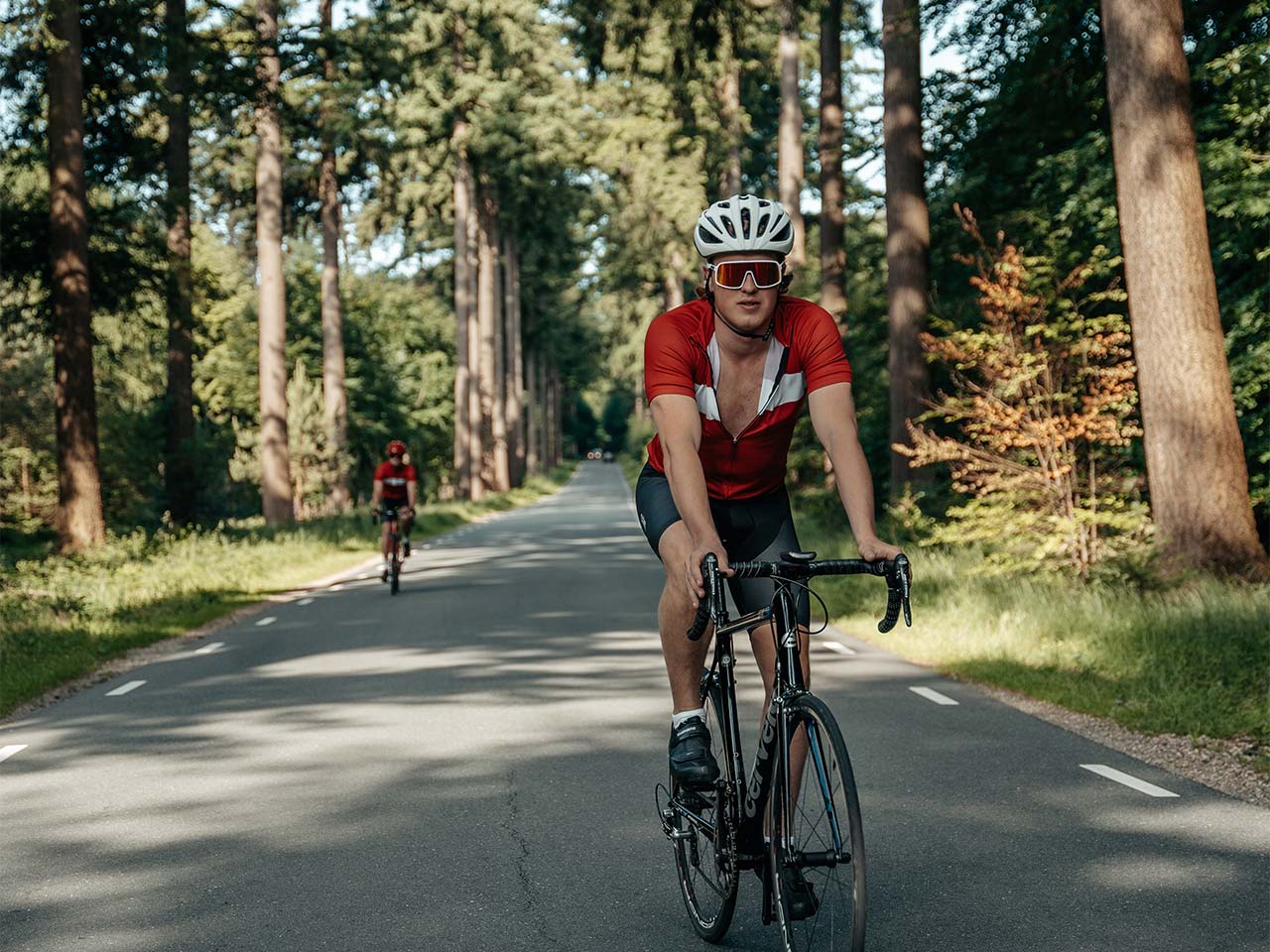
How do you start cycling training as a beginner?
Regardless of age, we all started cycling at some point. Some people simply get on their bike or ride with a friend, while others take a completely well-thought-out approach. In any case, it never hurts to follow a training schedule as a beginner or more advanced cyclist. This way you learn more about the performance you deliver and optimize your effort. In this blog we explain a good cycling training for beginners. So you get off to a good start!
Preparing for cycling training as a beginner
Before you start training or ride more intensively, make sure you have checked off a few things. Pay attention to the following four points:
- Have you bought a second-hand bicycle? Then go to the bicycle shop to have your bicycle checked. It is important that you do not drive with worn parts (brakes, sprockets, tires, chain, etc.). This way you can drive safely and comfortably from the start.
- Do a bike fitting. Training puts a strain on the body and although cycling is relatively injury-free, it is super important that your bike is personally adjusted to you. A poorly adjusted bicycle can cause pain in your hands, elbows and knees, neck and shoulders and back. With a bike fit you can train comfortably on the bike and reduce the risk of injuries.
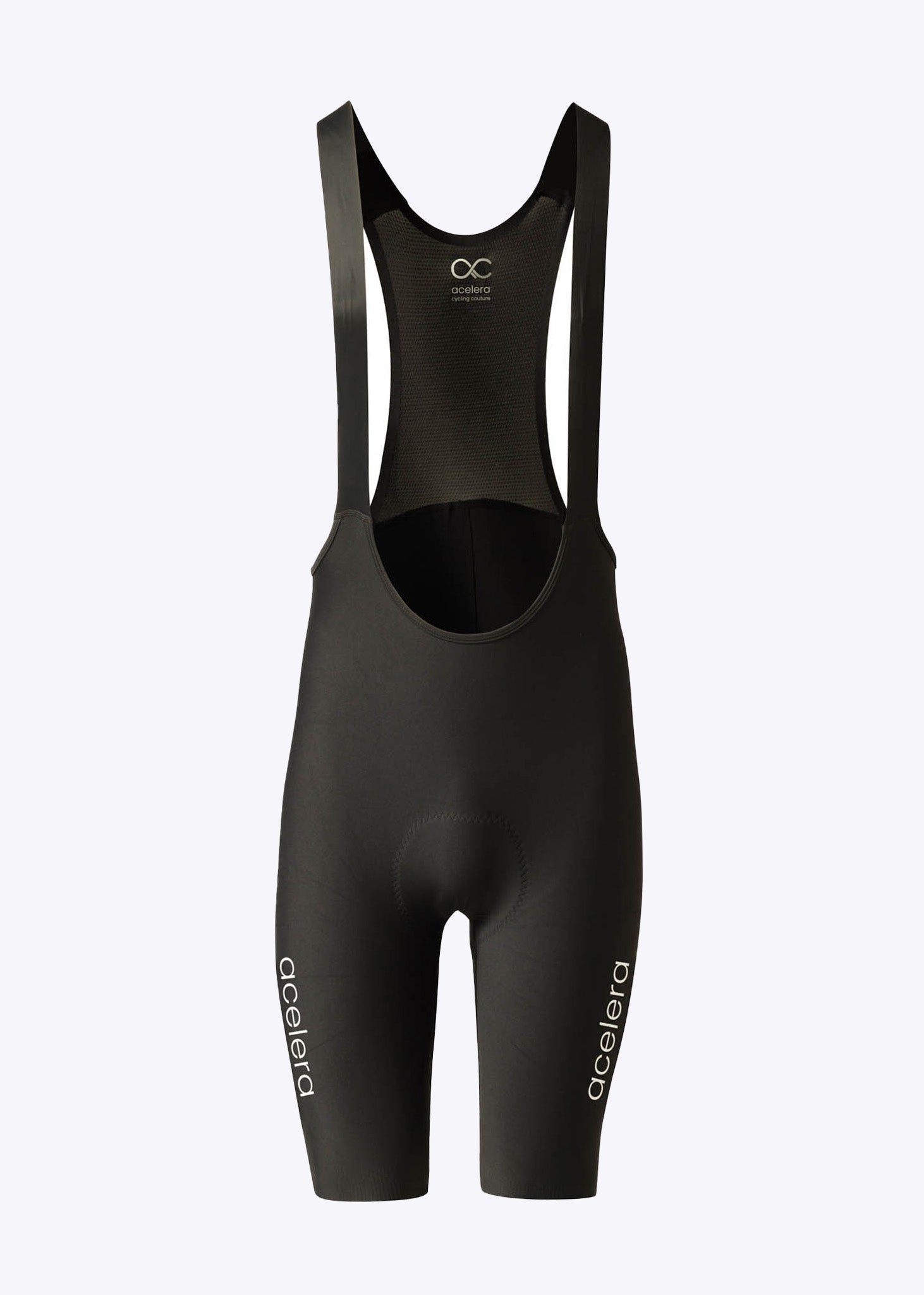
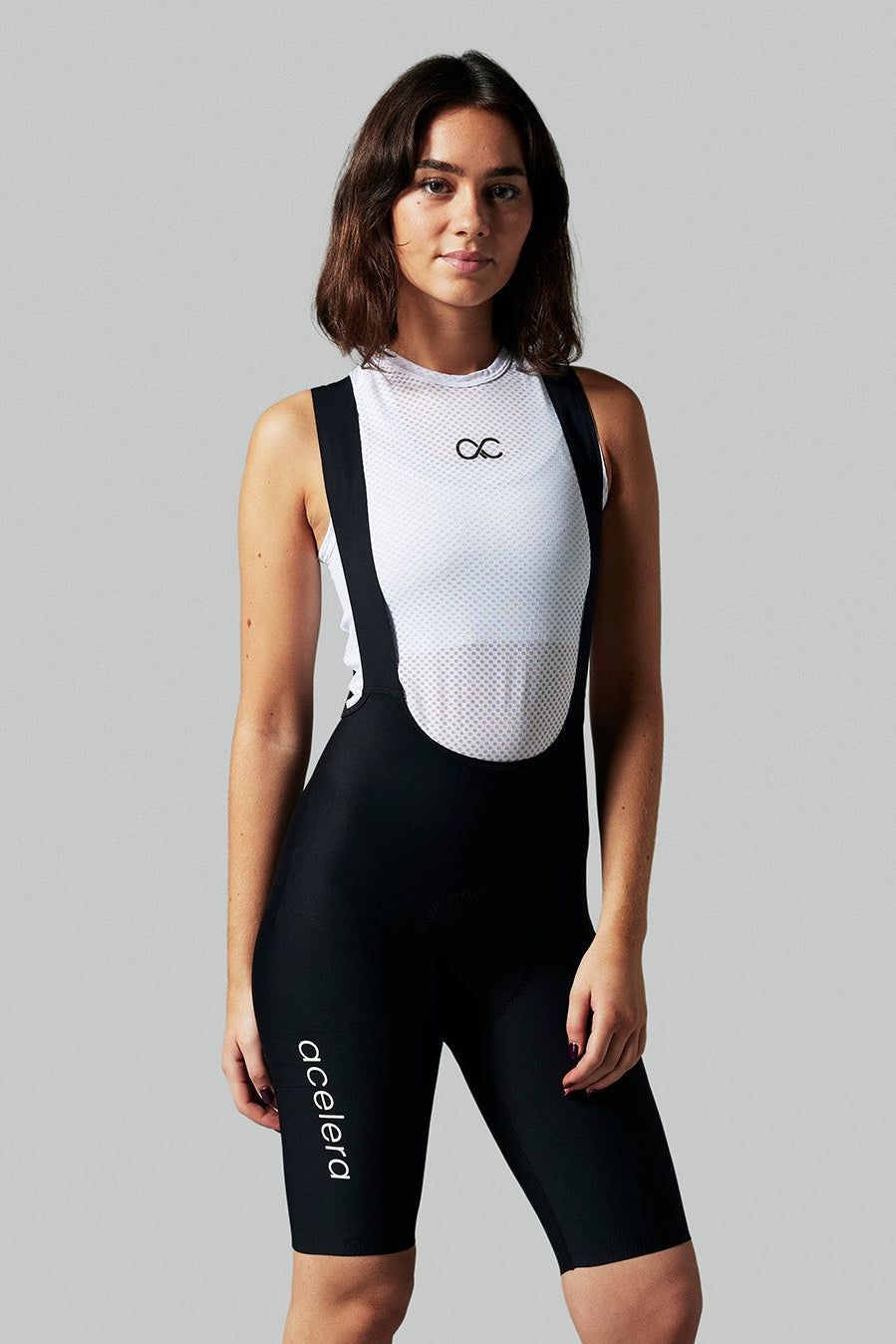
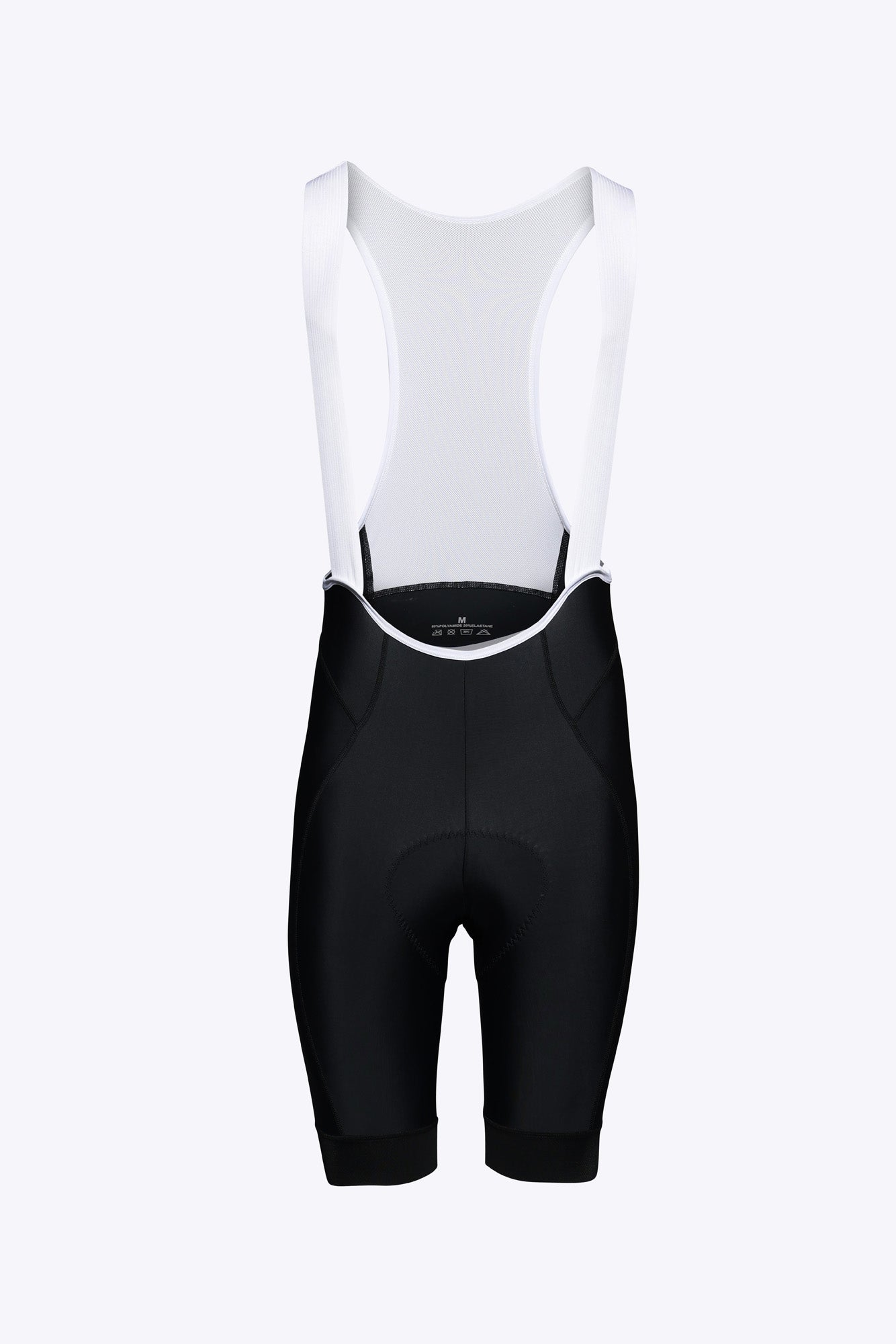
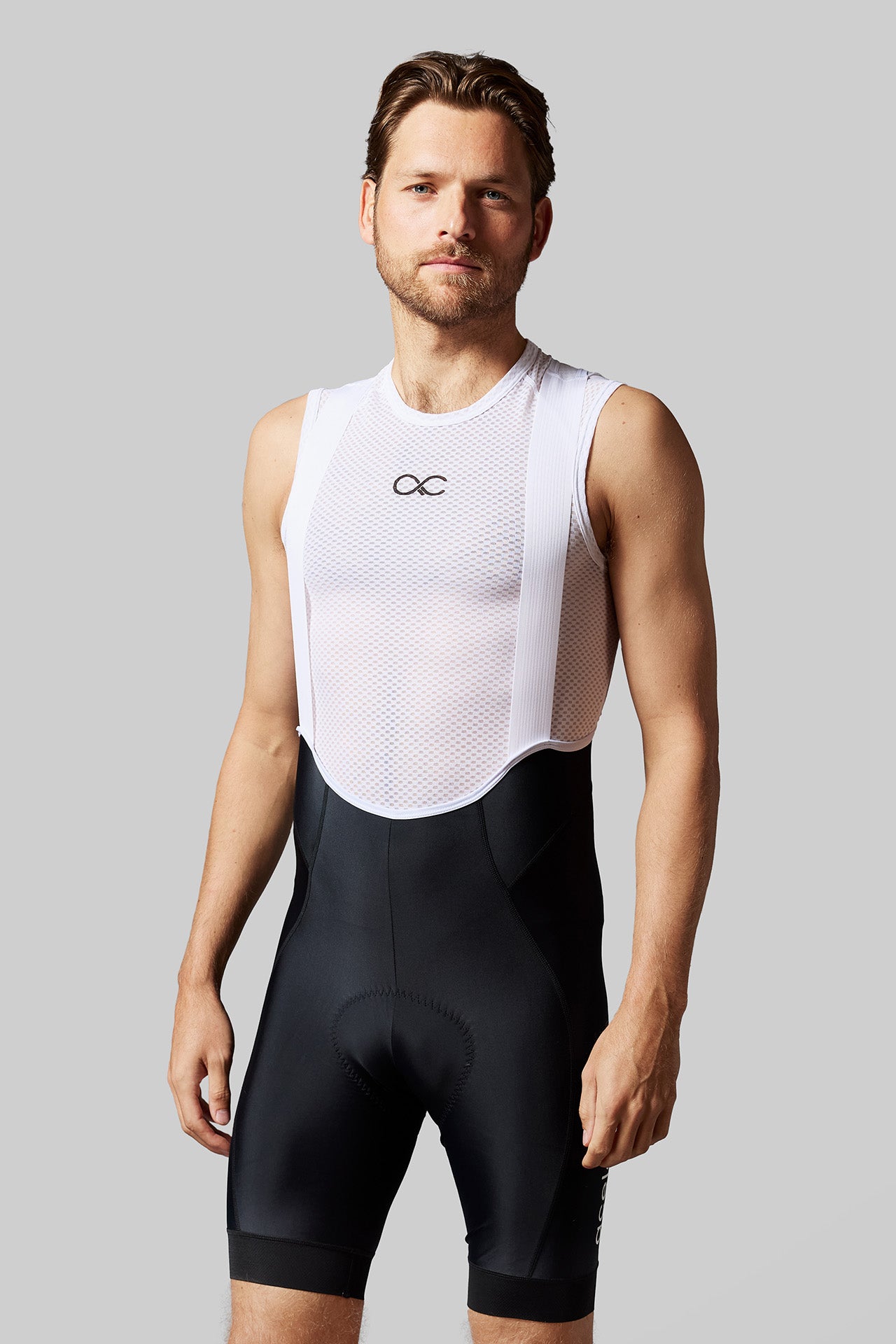
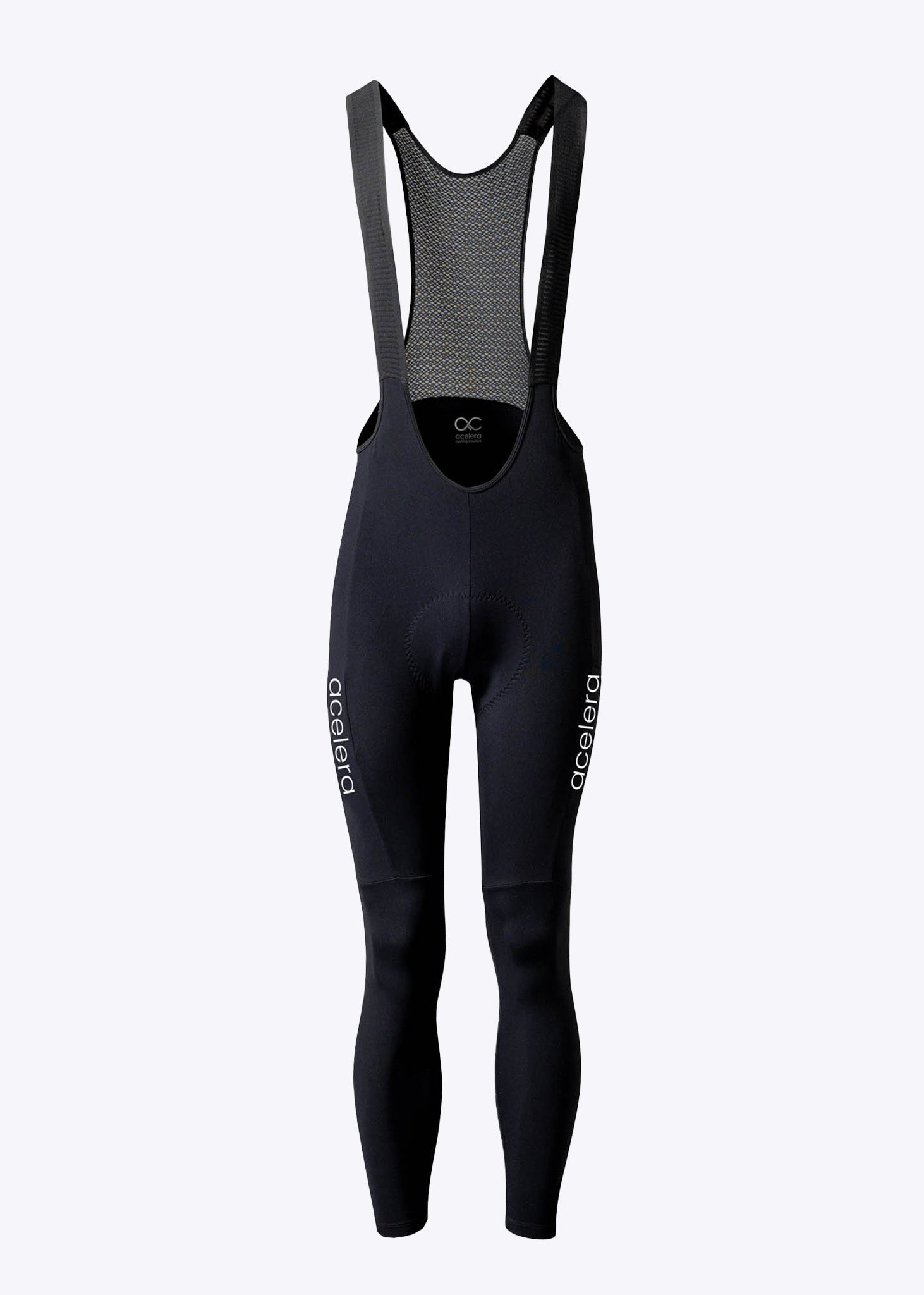
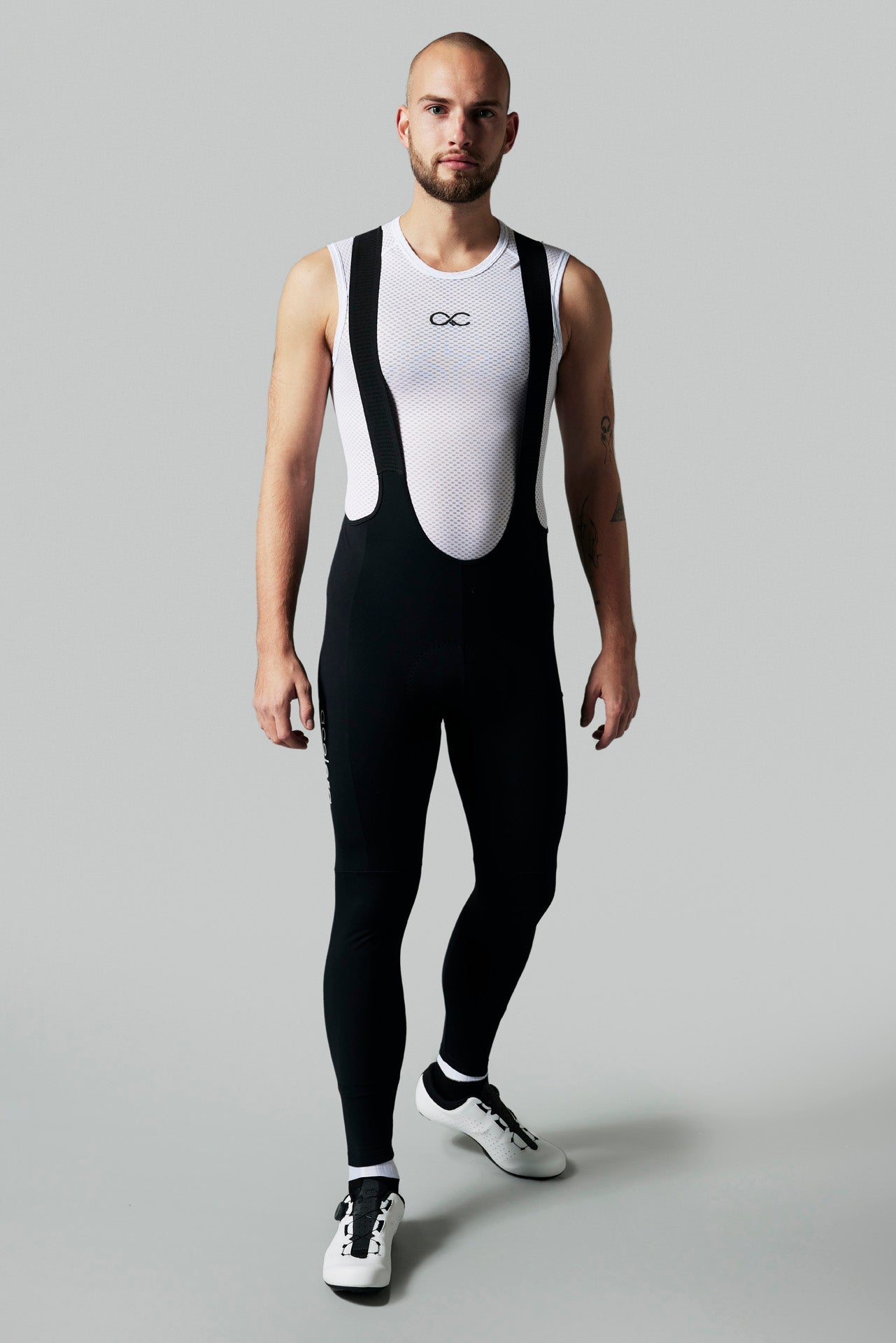
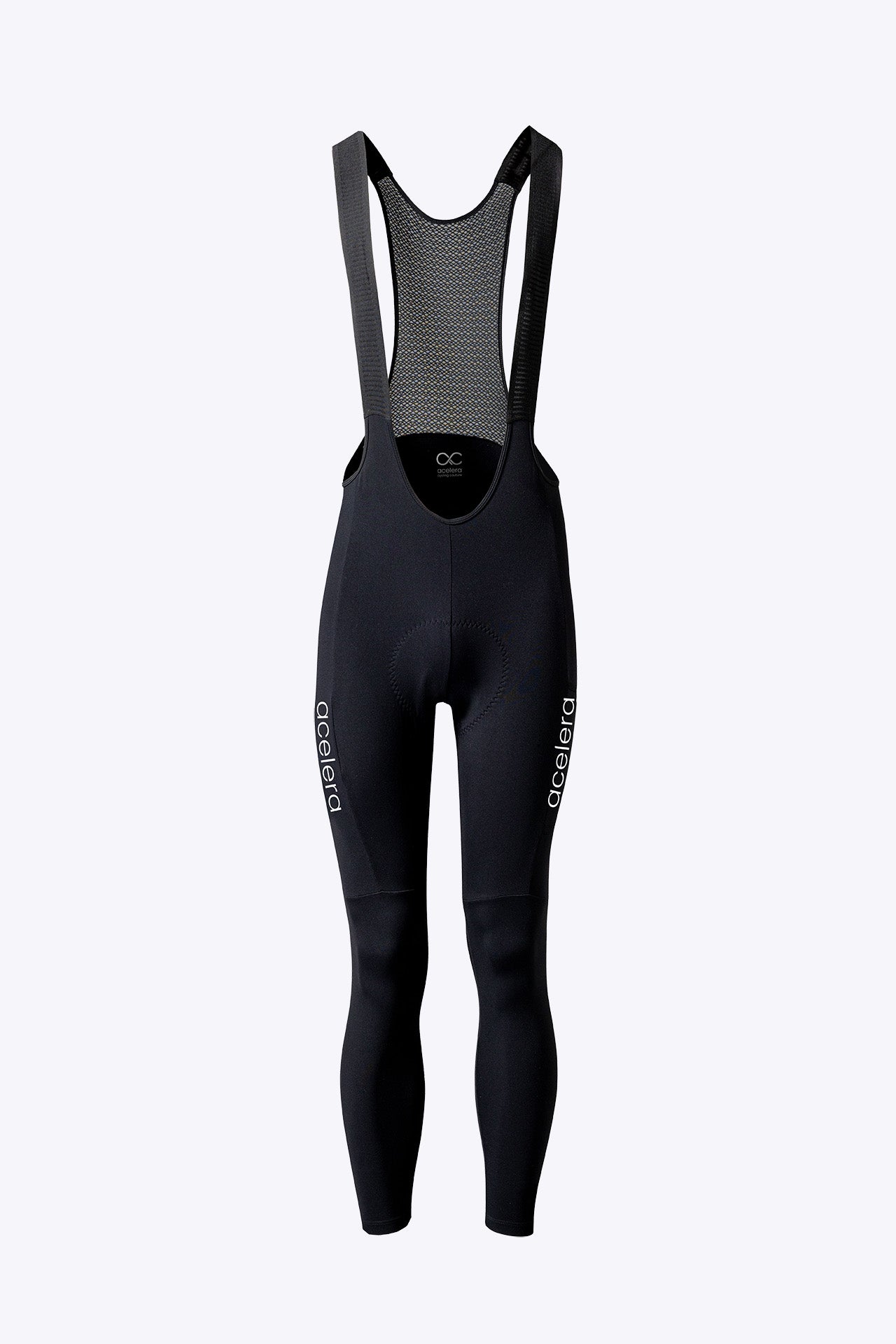
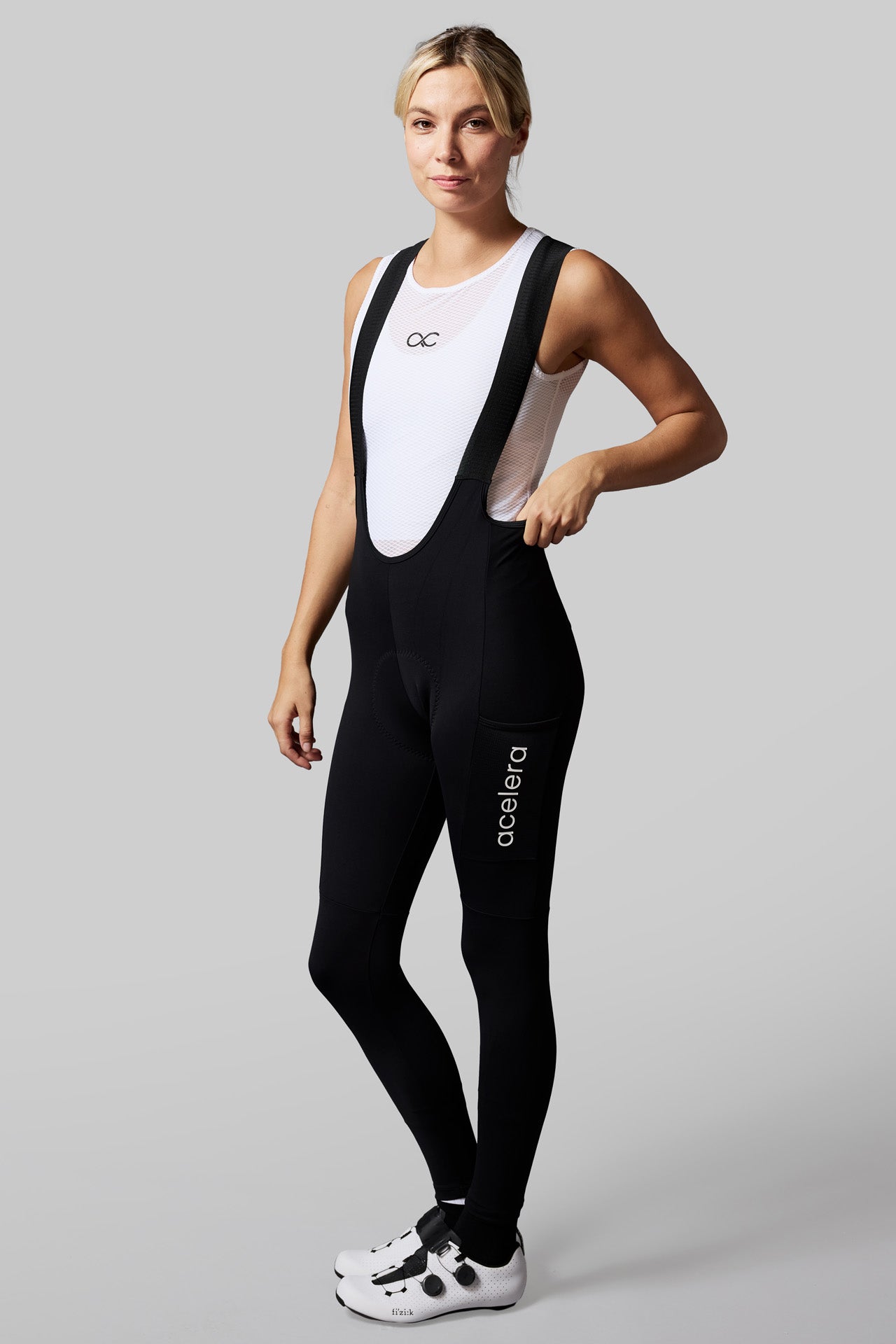
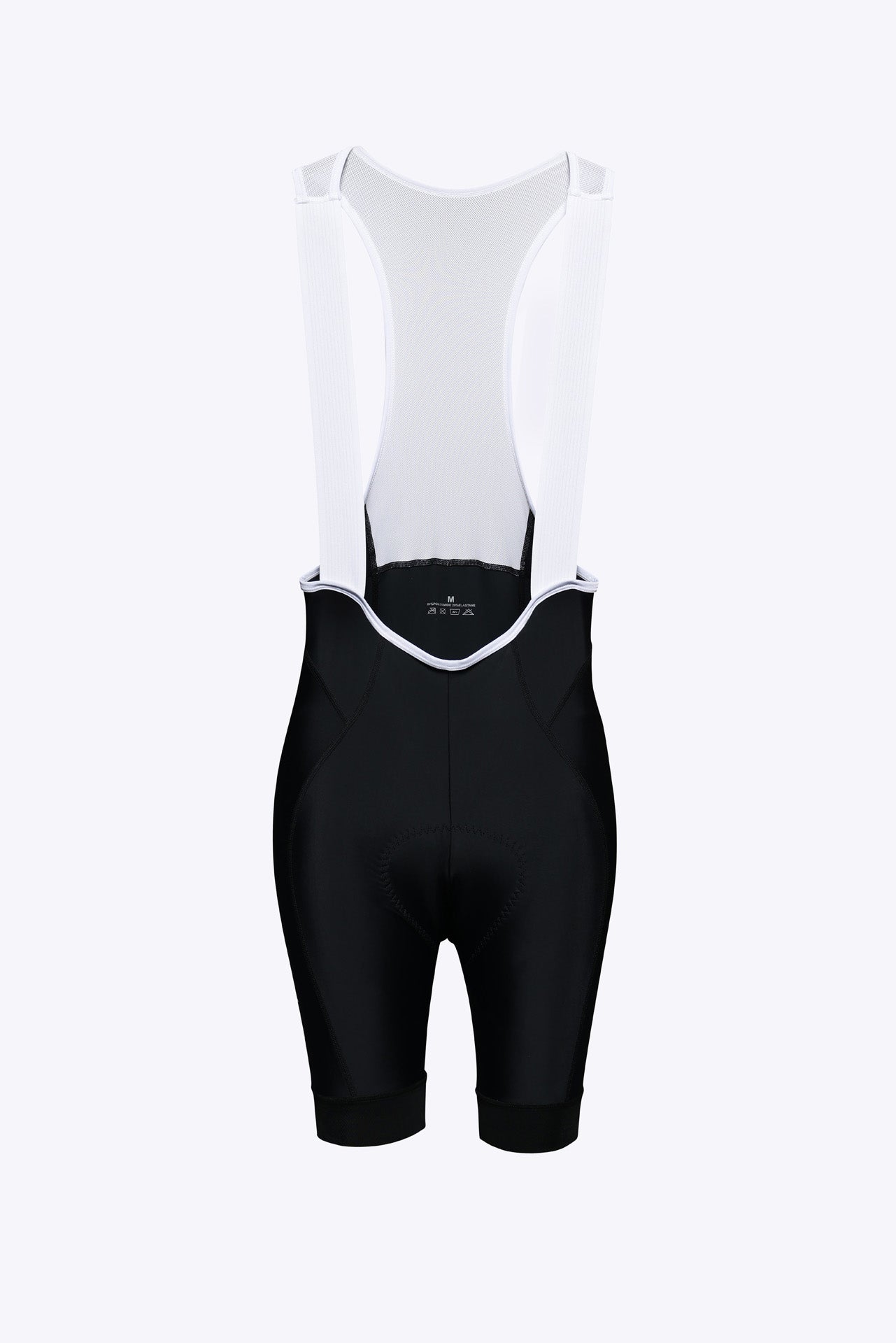
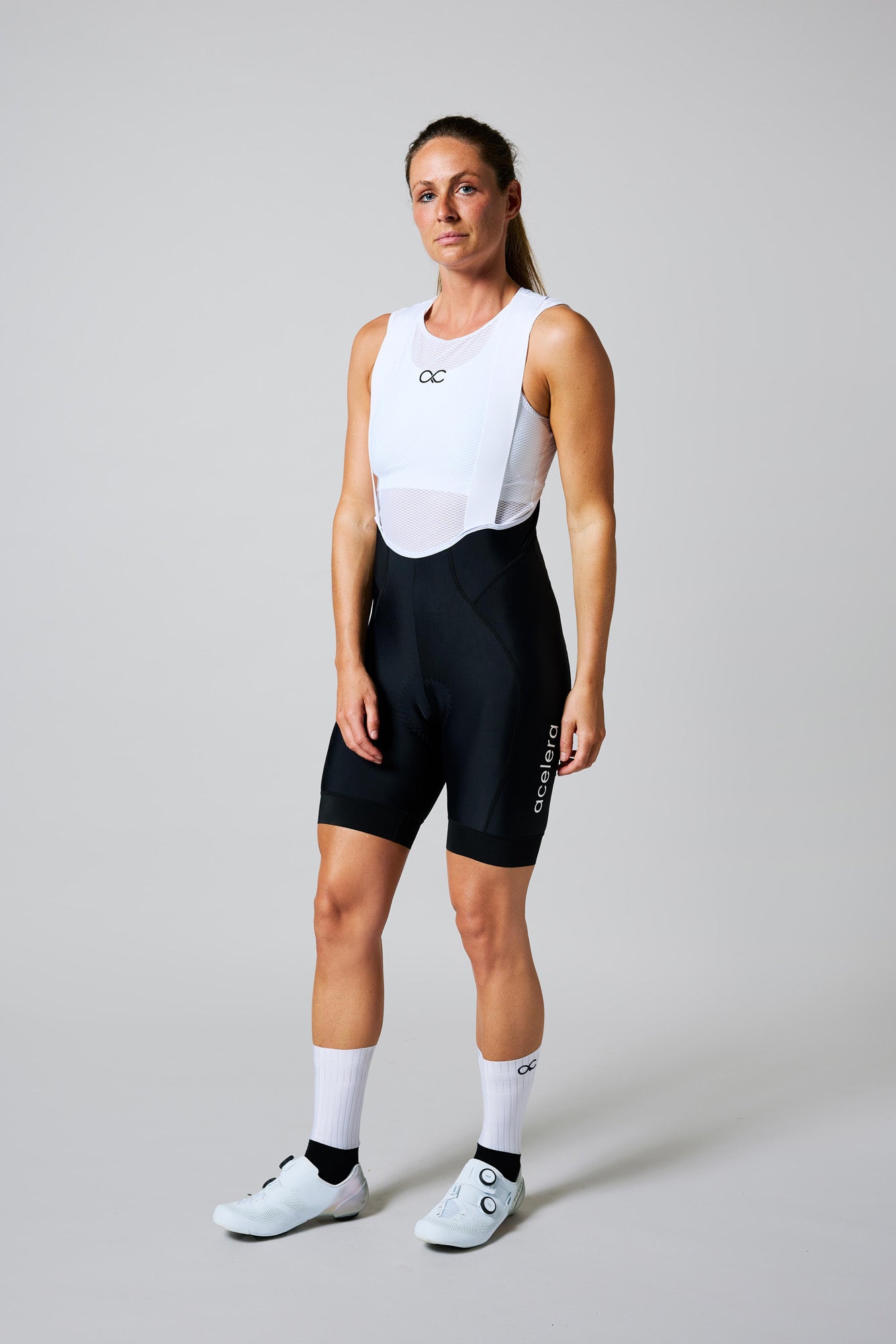
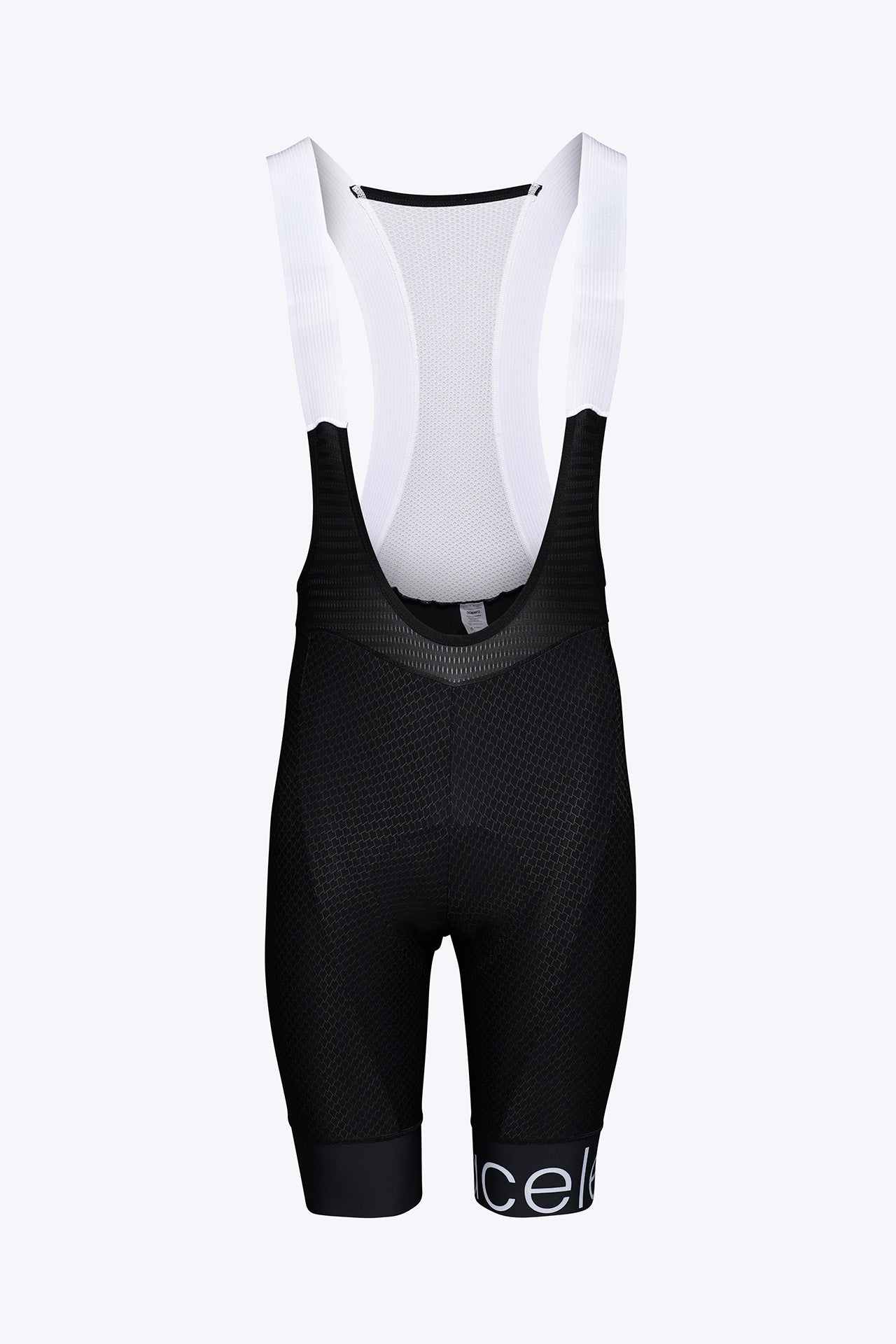
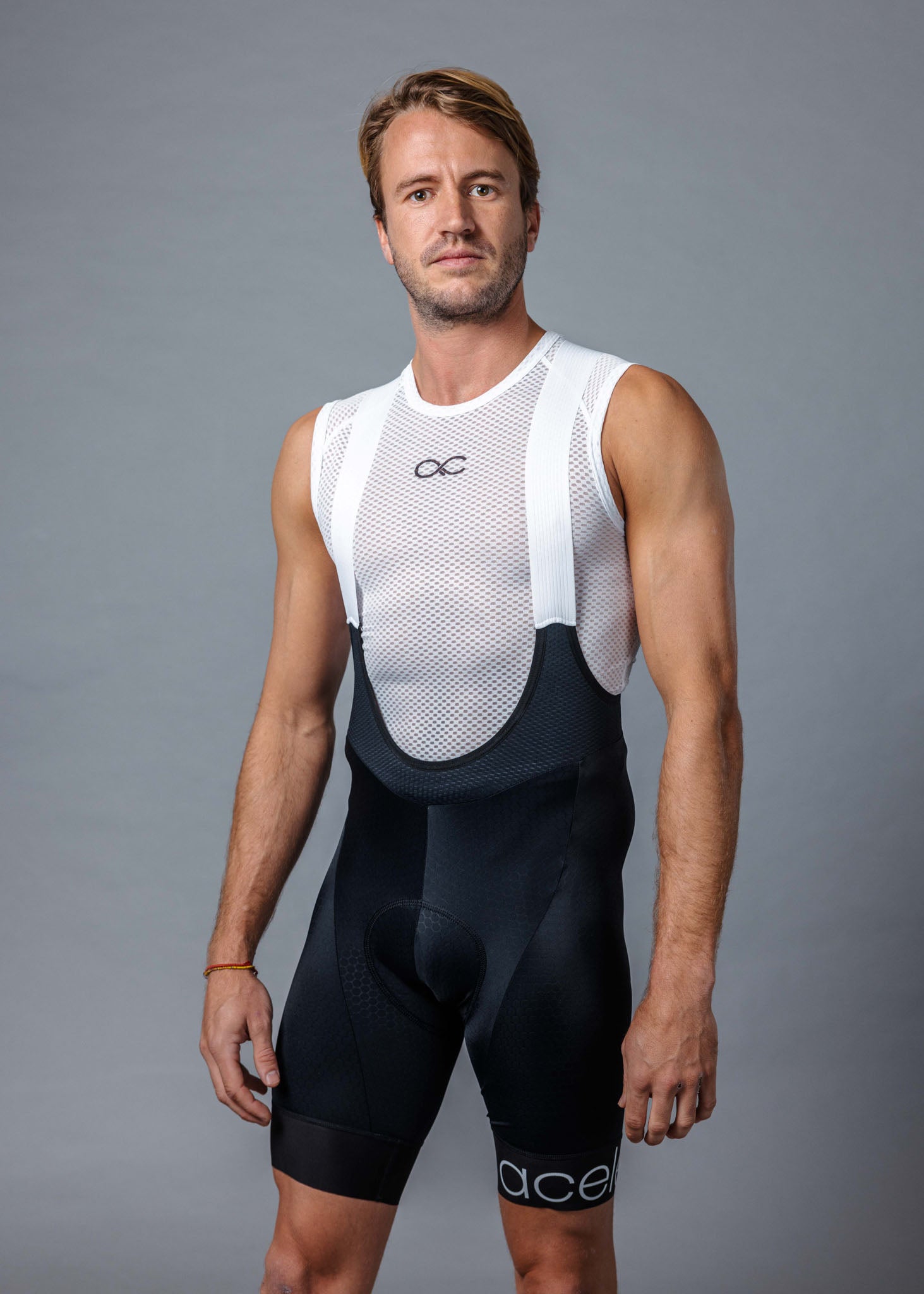
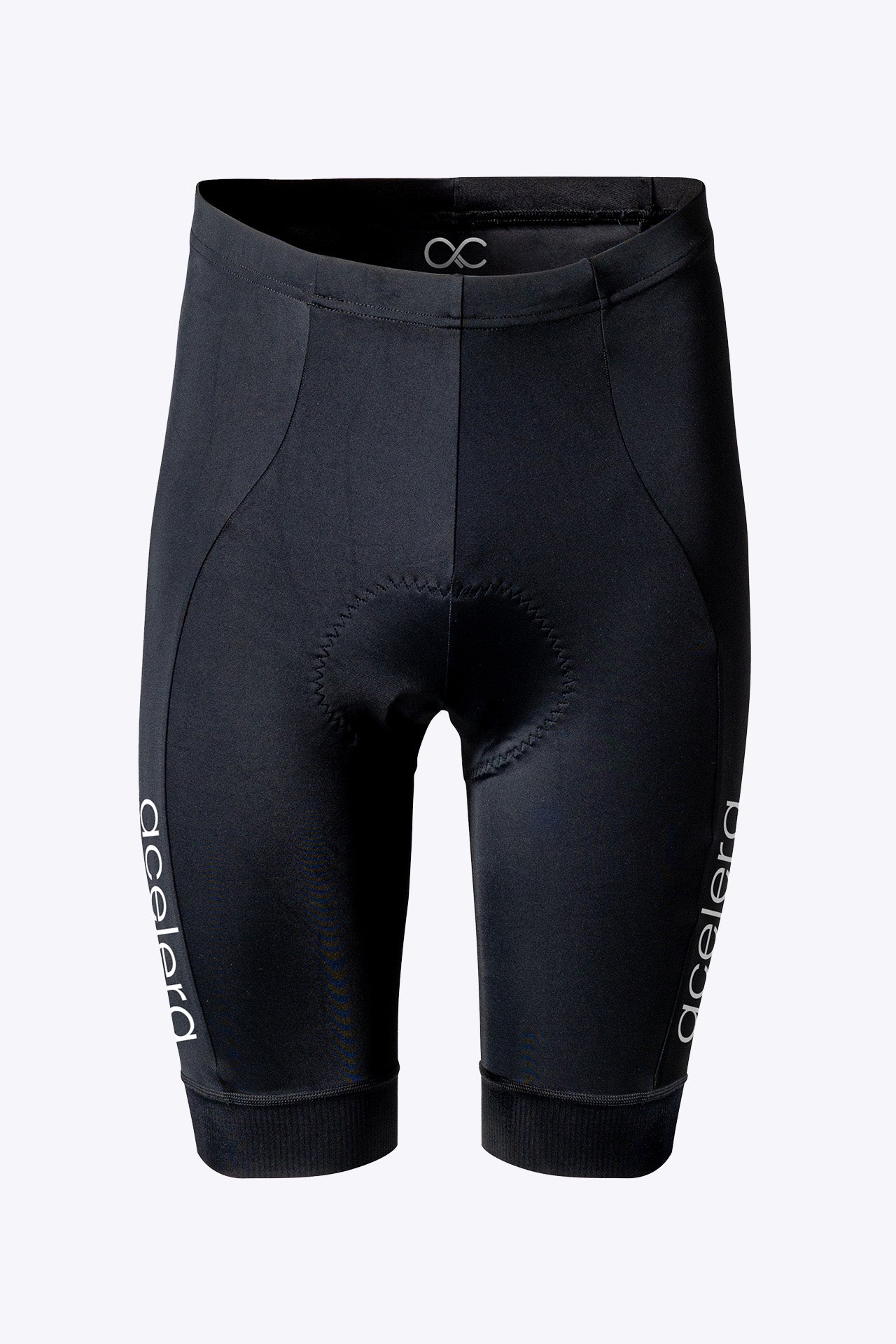
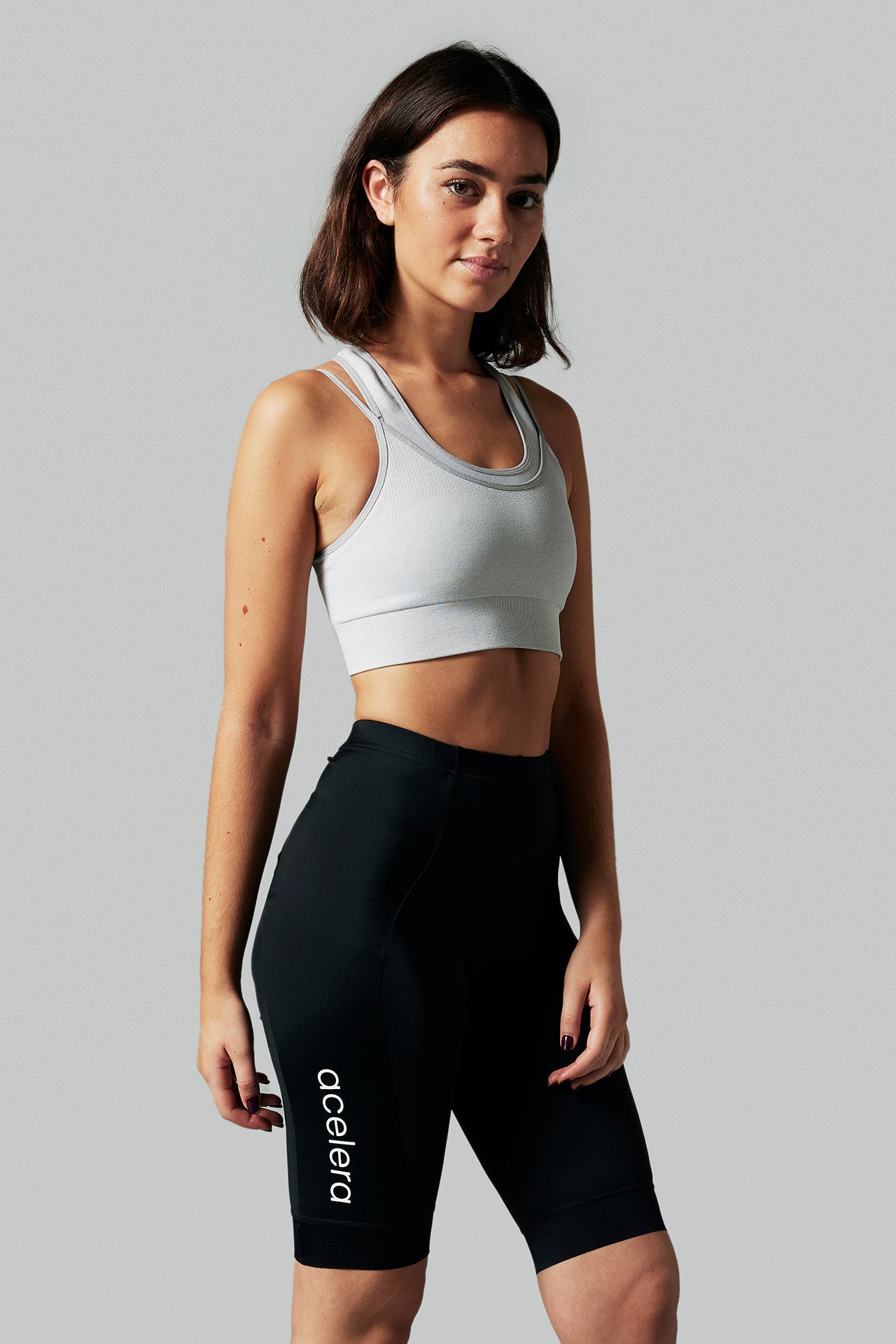
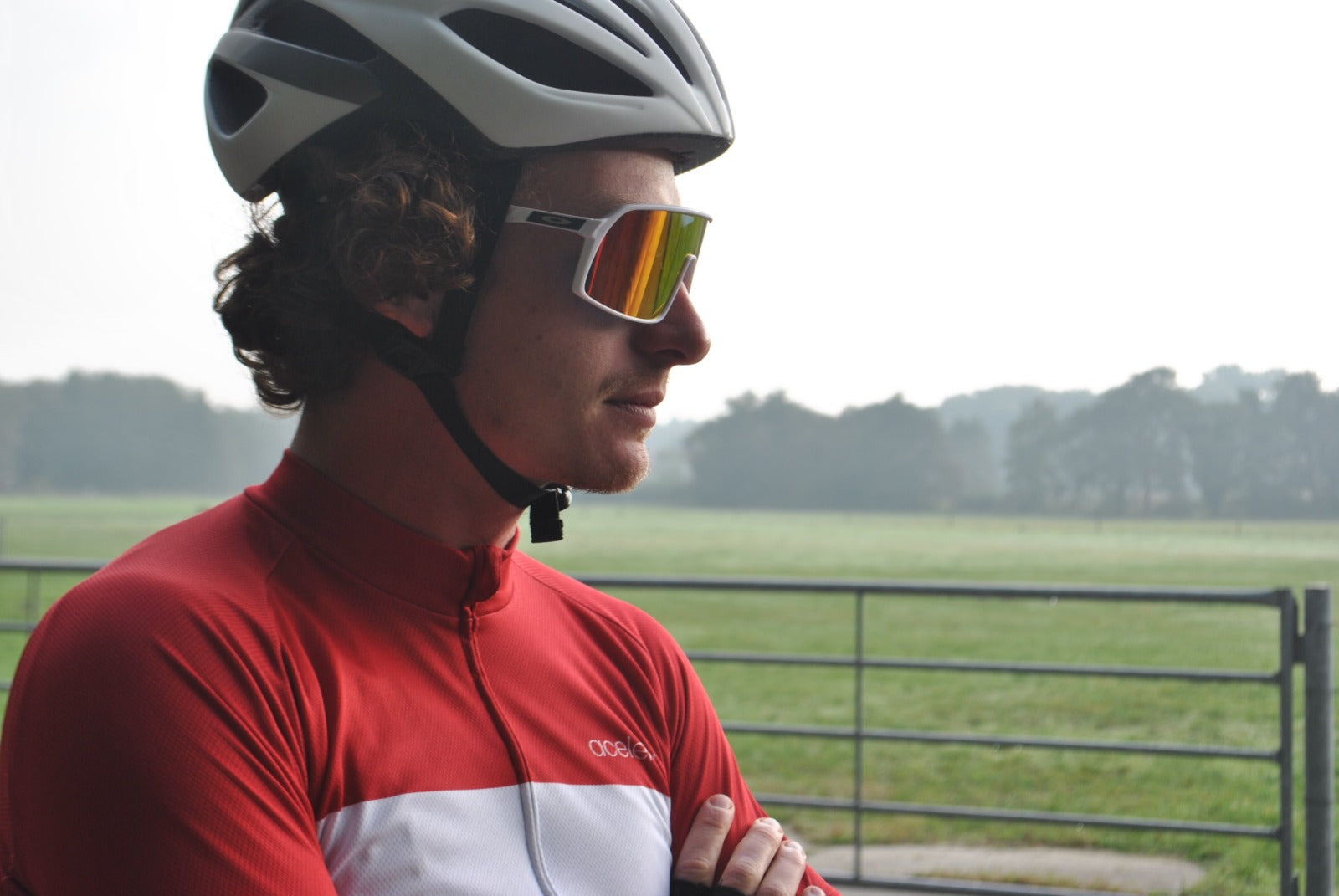
- Wear the right clothes. You don't have to spend hundreds of euros on a professional outfit. But it is important to wear comfortable cycling clothing. For example, bicycle saddles are hard and without padding because they are designed to be worn with padded cycling shorts. In addition, cycling clothing is not made of cotton, but moisture-wicking fabric is used.
- Wear a helmet!
Items you don't need to get started
There is a wide range of products that you can buy as a cyclist. As a novice cyclist it is important to realize that you do not have to spend a fortune. You don't need the following three things (yet) as a beginner:
Power meter: Power training is wonderfully effective and a power meter is a very valuable tool, but you can make a lot of training progress before you need to invest in one.
Heart Rate Monitor: Just like Power Meter. Do you happen to have a wearable that measures your heart rate? Then of course it would be nice to wear it straight away.
Everything made of carbon (carbon fiber): carbon is light and strong but also expensive and fragile. Start with more robust and cheaper material. As a beginner (and as a pro) you can easily hit the road with an aluminum frame.
Cycling training: the first week
Start by cycling three to five times a week. Between 30 and 60 minutes at a time. Then estimate how much time you cycle per week. Also include commuting by bicycle. Then try to increase the time you spend on two wheels by 10 percent each week.
Important tip: don't go too fast. For example, don't go from zero to four high-intensity spinning classes in one week. Start by building volume and add intensity later. Start with a steady pace at a moderate intensity level. This is a 4-5 on a scale of 10, where 1 is sitting in the cafe and looking at your bike and 10 is as fast as you can go.
Cycling training: the first month
During the first month you continue to add that 10 percent per week. Make sure you take one rest day – so no training – per week. If you're starting to reach the maximum time per ride simply because your work or family doesn't allow it, try spending more time on rides on the weekends. By riding longer rides you create a significant training stimulus. This is a stimulus that ensures that your body adapts and becomes stronger.
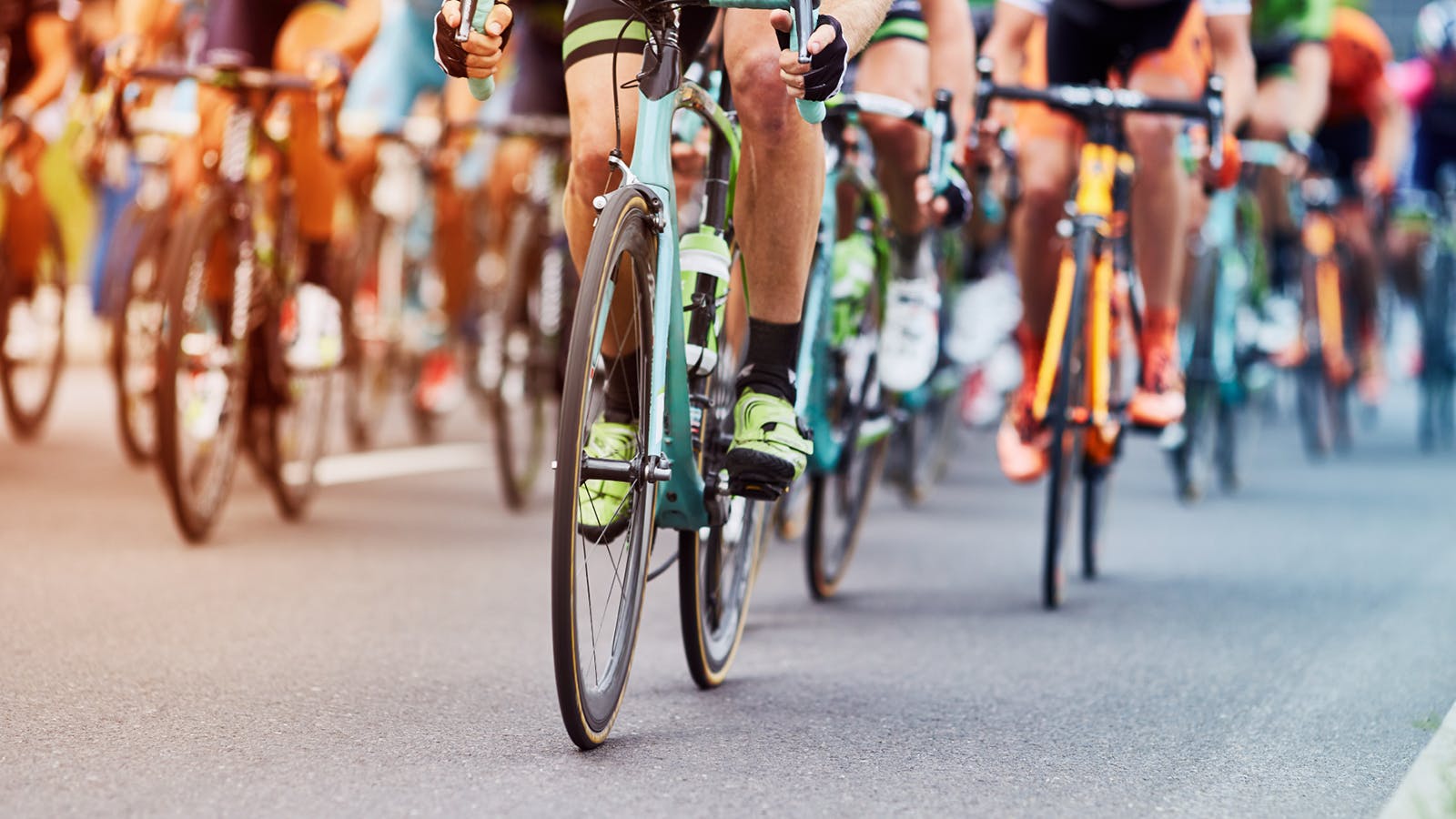
Connect with the cycling community. Ask around if friends or colleagues also cycle, maybe you can go together sometime! Because cycling with more experienced cyclists is the best way to learn cycling skills. As with anything, there is a learning curve to getting started with cycling. Everyone started somewhere, and most are happy to help those less experienced in cycling. Or search for a cycling club near you. Weekly events are often organized at different levels.
If you prefer to train indoors, or if the times you have available to train require you to be indoors, you can still connect with the cycling community through apps like Strava and Zwift. Try indoor cycling workouts of less than 60 minutes.
Cycling training: the first three months
More hours of cycling will keep your fitness level up to a certain level. Now it is important to increase intensity in addition to volume. This is where interval training comes into play. Interval training is a means of increasing overall workload by alternating periods of higher intensity with recovery periods of lower intensity. Intervals can be long or short, mildly challenging or tough, and everything in between. There is an inverse relationship between the intensity of an effort and the length of time you can maintain that effort. The more difficult the interval, the shorter it will last and vice versa. Cyclists can use this relationship with an individual training, a series of training or an entire training block.
How do you continue training?
In the next blog we will delve deeper into the transformation from beginner to advanced cyclist. In addition to intensifying your training is also the right one nutrition and clothing important. Stay tuned to the Acelera Blog to find out the next steps. Or read other articles about it cycling training.


Leave a comment
This site is protected by hCaptcha and the hCaptcha Privacy Policy and Terms of Service apply.