



Aerodynamics of a cyclist
Air resistance in cycling
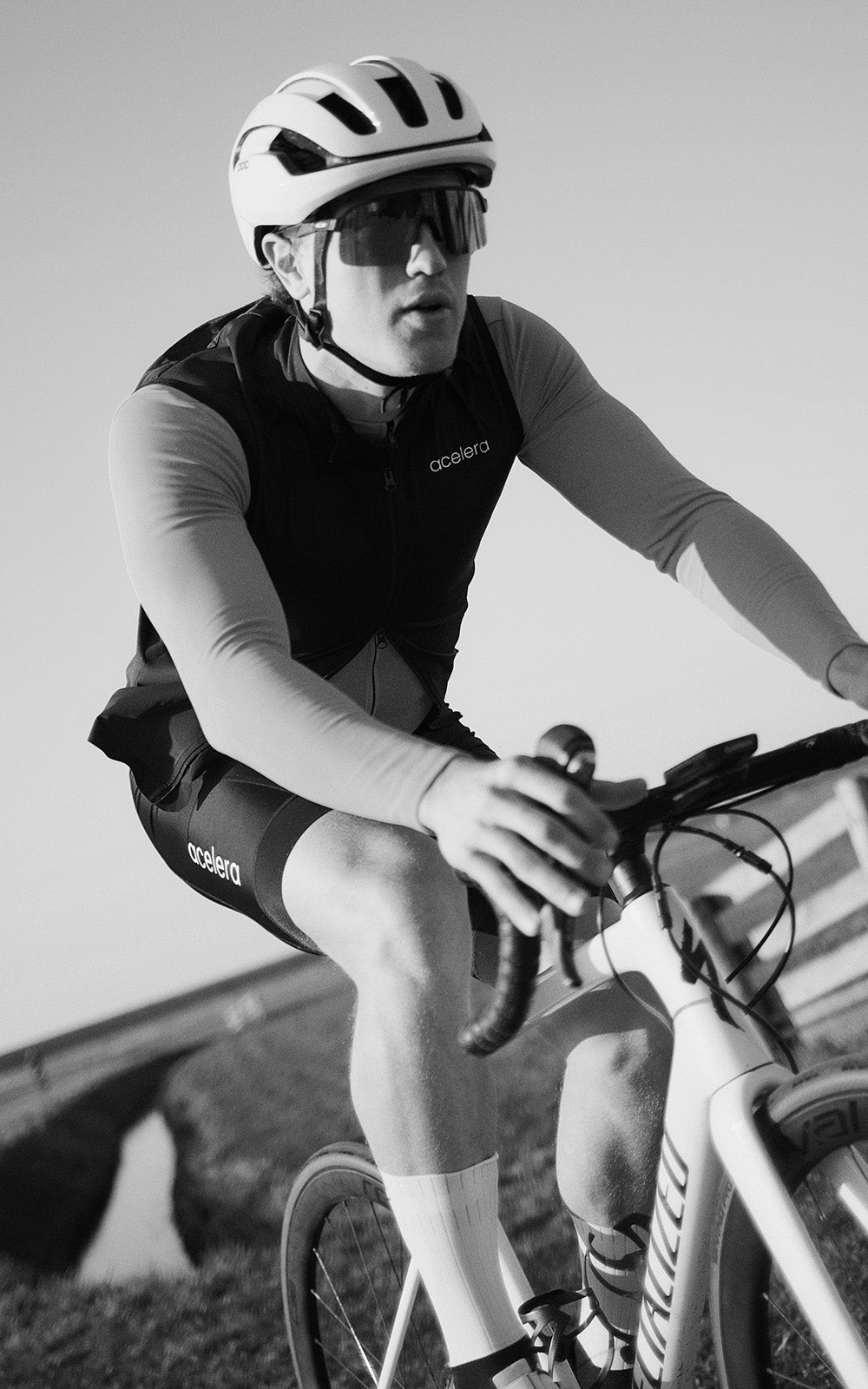
A cyclist generally has to deal with two types of resistance: air resistance and rolling resistance. Aerodynamics, as the word suggests, is all about air resistance. The term aerodynamics literally means the science of how air moves around an object. So the more aerodynamic an object is, the less resistance it creates and the more easily air moves past it. Cyclists do everything they can to be as aerodynamic as possible. For example, they wear special socks, their bikes are specially built, and they adopt the craziest positions when descending.
What can a cyclist do to improve aerodynamics?
When it comes to aerodynamics, a cyclist can mainly adjust their riding position. But because cycling should also be enjoyable, and your back should last longer than Pogajar’s current career, I’d like to show you where you can improve your aerodynamics without having to give anything up. Because one area where many amateurs can still make gains is the aerodynamics of their cycling kit. Even though it makes sense for someone who sells cycling apparel to say that, I’m happy to explain why.
The fit of aerodynamic cycling apparel
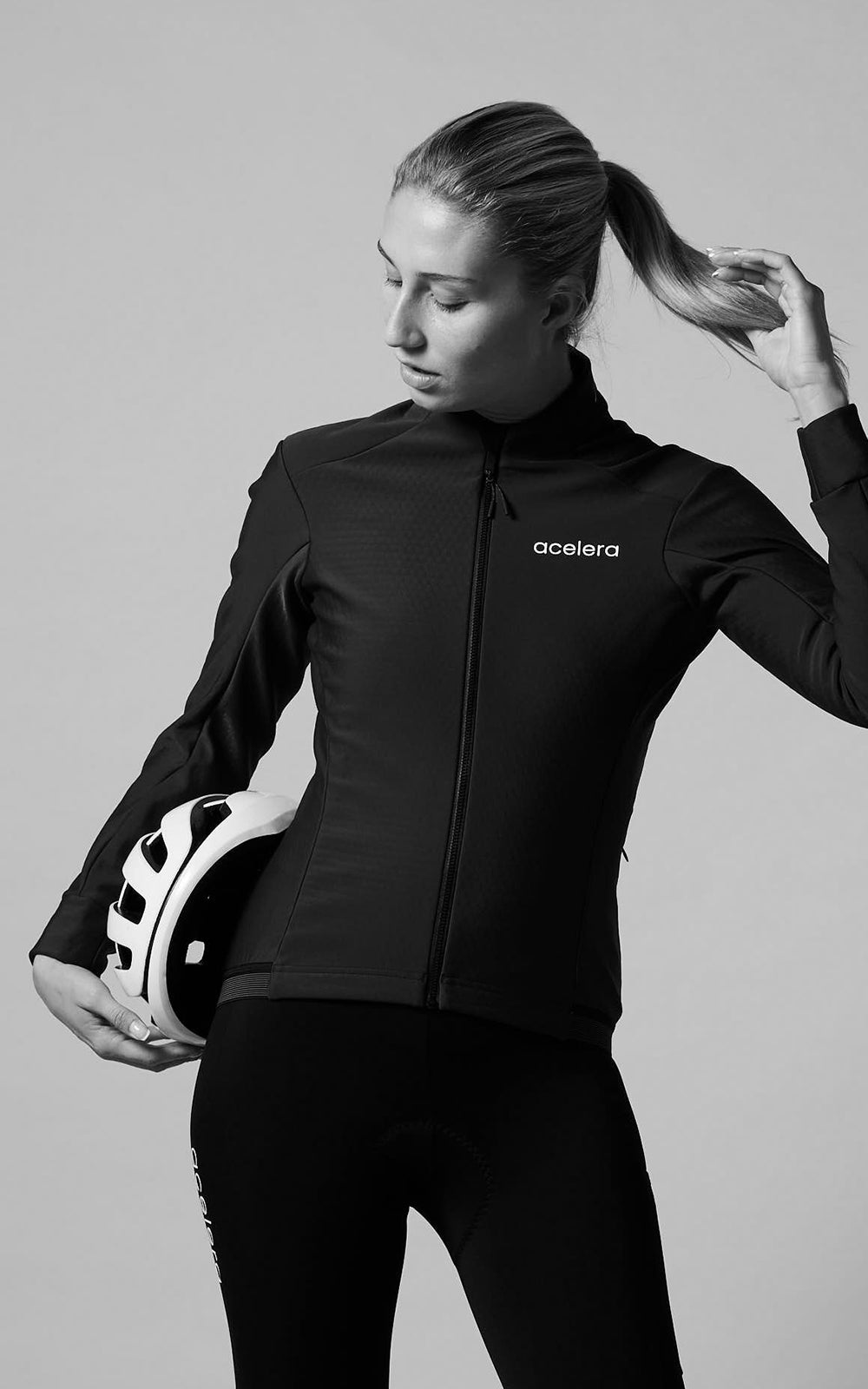
First of all, it’s important that a jersey fits closely. By that, we mean there shouldn’t be any large, flapping sections of fabric. A small crease under the armpits or at the seams is certainly not a bad thing and even provides the necessary freedom of movement, but large, loose panels of fabric are very bad for aerodynamics. So a jersey can absolutely be close-fitting. And although that sounds logical, you still too often see people riding in oversized or stretched-out jerseys.
The fabric membrane
Another component you might not immediately think of is the membrane of the fabric. In the cycling apparel market, almost all cycling jerseys are made from polyester. That’s because of the unique properties of this fabric: it wicks away moisture well, is lightweight, and is highly durable. However, there are major differences in the aerodynamics of different types of cycling apparel. That comes down to the membrane of the fabric. A membrane is a thin layer located on the inside of the cycling apparel. In aerodynamic cycling apparel, these membranes are smoothed out and guide air efficiently along the fabric. In cycling apparel without an aerodynamic membrane, the air has much more grip on the jersey. You may now be wondering: is that really so important? The answer is a clear yes. Through wind tunnel testing, we found that a smooth membrane has 10% less air resistance than regular cycling apparel. So even as an amateur, you can notice a big difference. In addition to the aerodynamic benefits, a smooth membrane also has the advantage of causing less friction against the skin, which increases comfort.
Returns
Up to 30 days after receiving your order, without giving a reason. Returns are free of charge.
Products may be tried on, but for hygiene reasons they must not have been used or washed. Returns are only accepted if the product is sent back unused, undamaged, in its original packaging and with the hangtags attached. Acelera reserves the right to refuse returns that do not meet these requirements.
Returns are processed within 5 working days of receipt in the Netherlands. The refund is then initiated via your original payment method.
Unfortunately, we do not offer exchanges.
Would you like a different size or color? Place a new order. Once we have processed your return, you will receive a full refund via the payment method you used to pay.
- Register your return via the portal: Go to the returns portal
- Follow the steps in the portal
- Send the package and keep your shipping receipt