




Article: Everything you need to know about the lined and fleeced winter kit
Everything you need to know about the lined and fleeced winter kit
Cycling in winter takes more than a strong will and resistance to the cold, it requires specific clothing made from the right materials. Winter cycling fabrics trap warmth close to your body, move sweat away from your skin and still let air out, so you stay warm without getting soaked from the inside. The two fabrics you'll find most in winter jerseys are lined fabric and brushed fleece, and knowing how they work makes it much easier to pick the right layers.
In this blog we explain what goes into a lined and a fleeced jersey, how thermal fabric actually keeps you warm, and what you can do to make it last for many winters.
Why fabric choice matters in winter
In summer, your jersey has one job which is getting rid of heat. In winter it has two jobs including holding on to warmth, but at the same time letting out the moisture you produce while riding. Get only the first part right and you end up warm for twenty minutes, then wet and cold for the rest of the ride.
That's why a winter jersey isn't just a thicker summer jersey. The fabric itself is built differently, with a structure that traps air and a surface that moves sweat outwards.
How a lined fabric works
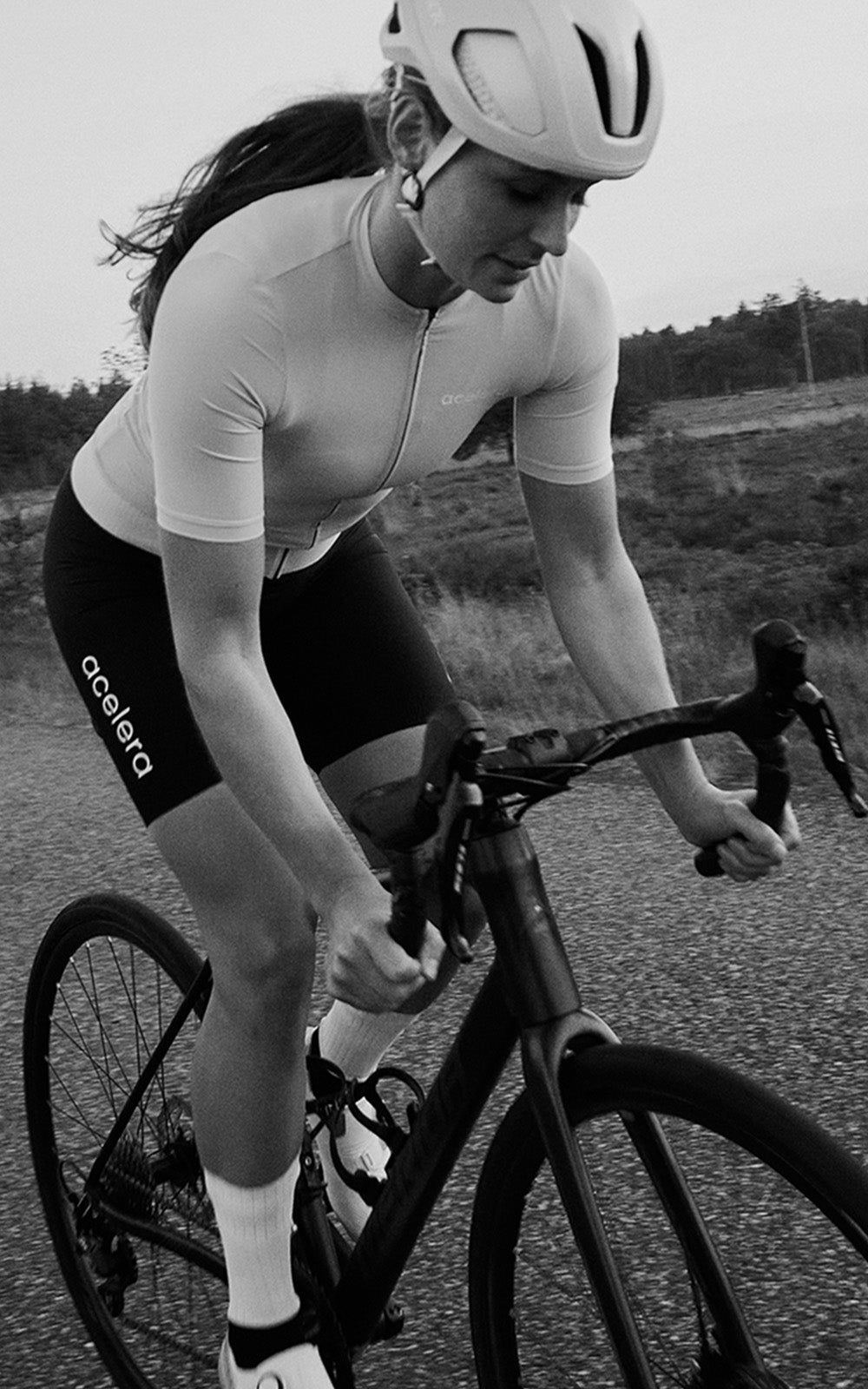
A lined jersey has a soft inner layer on the back of the fabric. That layer creates a little space between your skin and the outer fabric, and that space holds warm air. Because the lining is relatively light, a lined jersey gives you extra warmth without much bulk. It's the jersey for cool mornings and autumn rides, when a summer jersey is too thin but full winter kit would be too much.
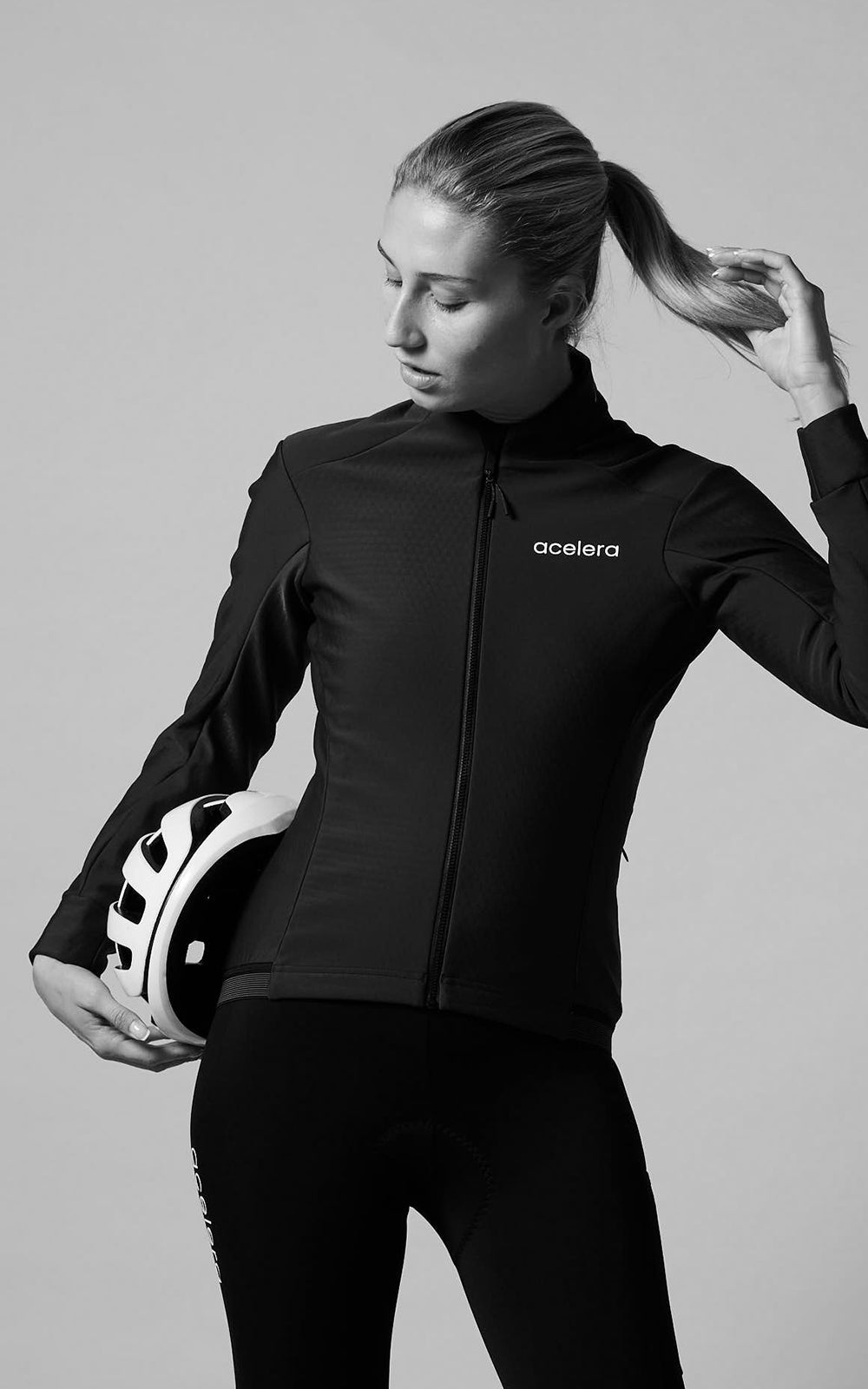
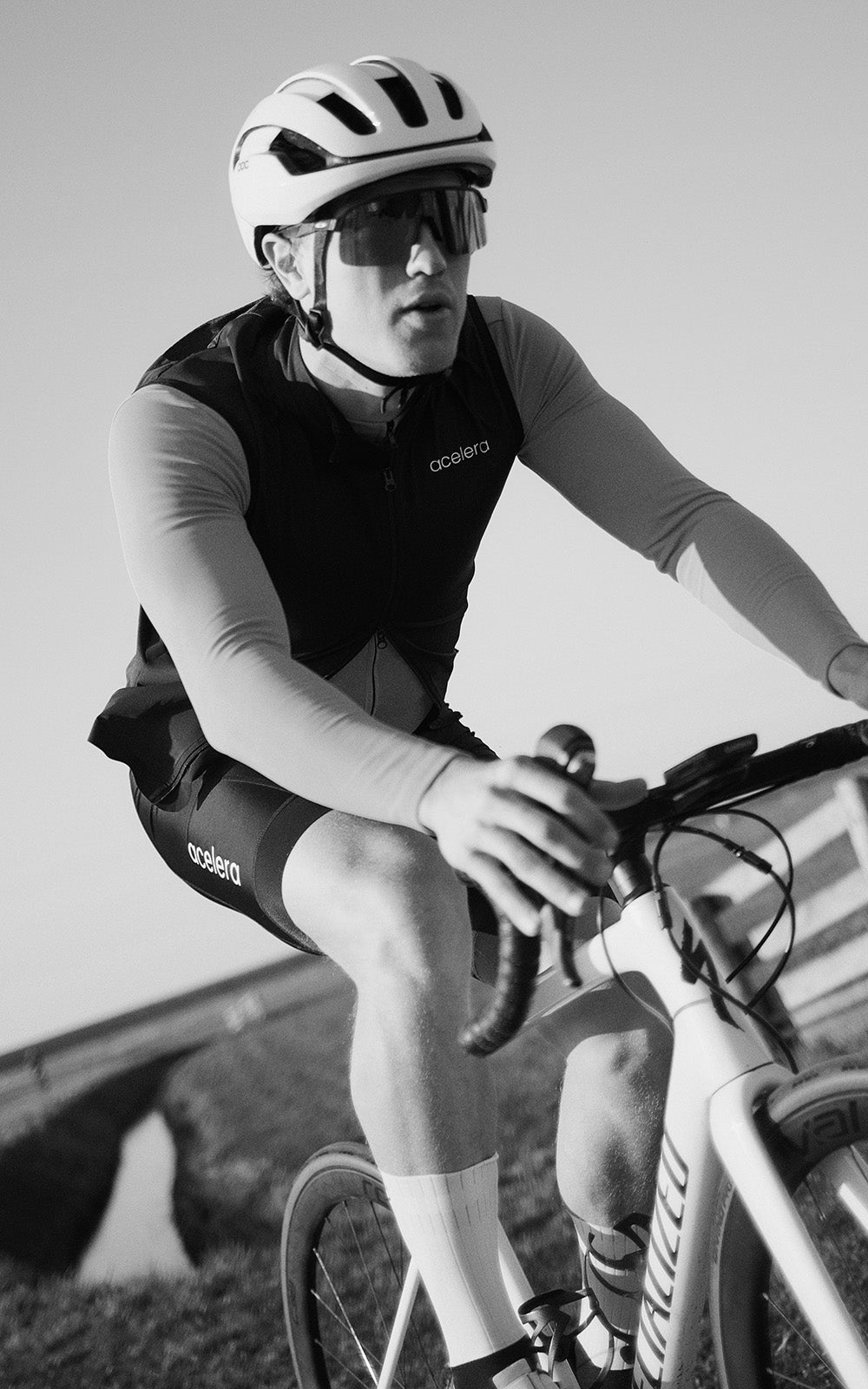
Our Pro Lined long sleeve jersey (women's) is made for exactly those in-between days. Add arm warmers or a windstopper (women's) and it covers a surprisingly wide range of weather.
How a brushed fleece fabric works
Brushed fleece goes a step further. The inside of the fabric is brushed until it forms a soft, raised pile of tiny fibres. Those fibres trap far more air than a flat lining, and still air is one of the best insulators there is. The result is a fleece lined fabric that feels soft on the skin and keeps you noticeably warmer.
The Pro Fleeced jersey (women's) combines an insulating fleece lining with a breathable outer fabric and is made for temperatures from about 5 to 15°C. It has a race fit, three back pockets and a small hidden zip pocket, so you can wear it as your main layer on cold rides.
Warmth, breathability and moisture management
When you ride, you sweat, even in winter. If that moisture stays against your skin, it pulls heat out of your body the moment you slow down, stop at a café or start a descent.
That's where moisture wicking fabric comes in. The fibres move sweat from your skin to the outside of the fabric, where it can spread out and evaporate. A good thermal fabric holds warm air on the inside, while the structure simultaneously moves moisture outwards. For the coldest days, a base layer (women's) underneath adds an extra layer that keeps your skin dry.
A simple rule for layering:
- Cool and dry: a lined jersey, with arm warmers or a windstopper if needed.
- Cold: a base layer and a fleeced jersey.
- Around freezing: a base layer and a Deep Winter jacket (women's), made for about -5 to 10°C.
Stretch, fit and durability
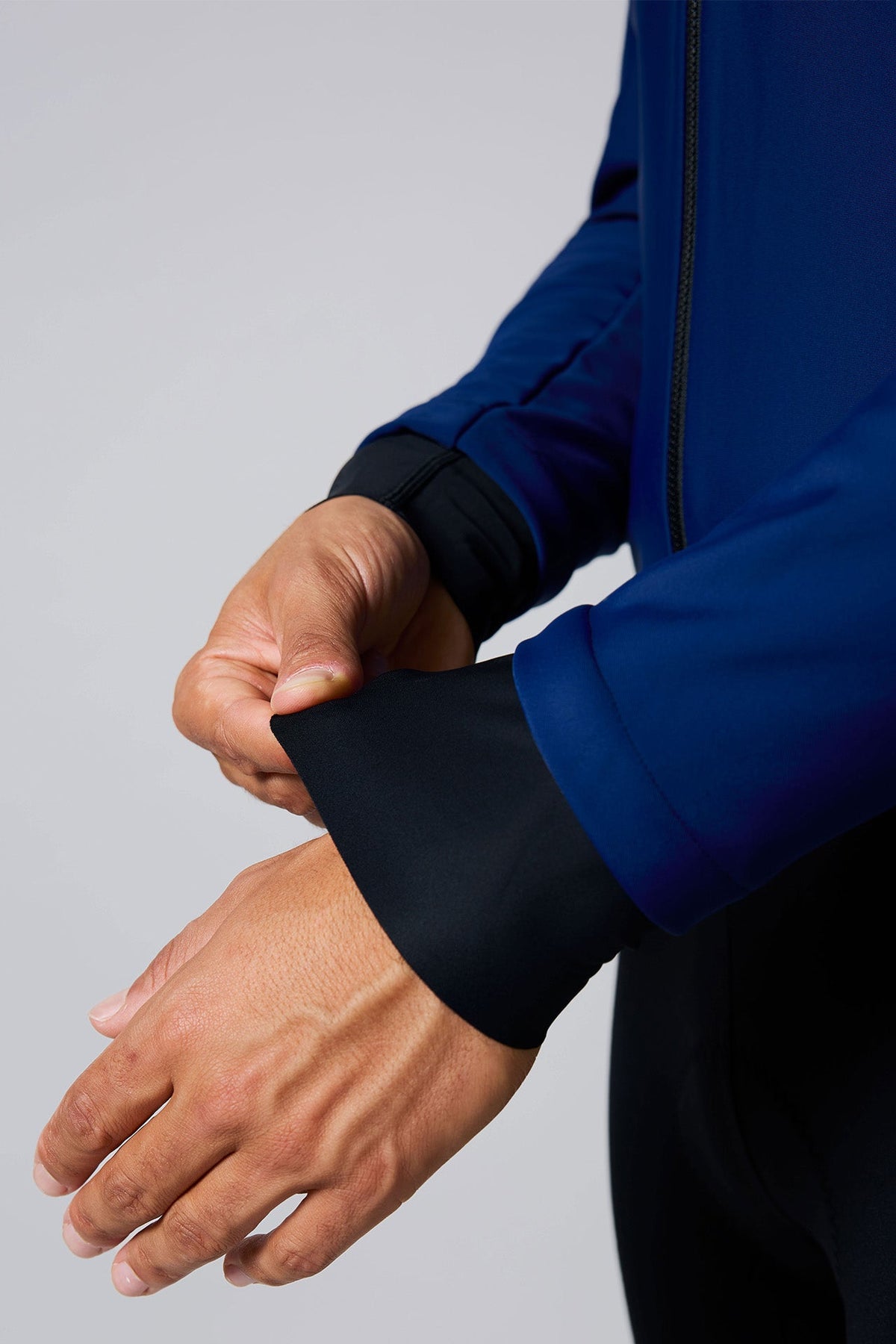
A winter jersey only works if it sits close to your body. Loose fabric lets cold air in and warm air out, and it won't move sweat away properly if it isn't touching your skin. That's why technical cycling fabrics are stretchy. They follow your body in the riding position without pulling or bunching.
Caring for technical fabrics
Brushed fleece and stretch fabrics last a long time, as long as you treat them right. Heat and harsh products are what wear them out fastest. If you follow these simple care instructions, your jerseys will last you for seasons:
- Wash cold on a delicate cycle.
- Don't use bleach or fabric softener. Softener clogs the fibres, so the fabric wicks sweat less well.
- Keep it out of the tumble dryer and don't dry it on the radiator.
- No ironing and no dry cleaning.
Frequently asked questions about winter cycling fabrics
What is a brushed fleece fabric?
A fabric whose inside has been brushed into a soft, raised pile. The pile traps air close to your body, which makes it warmer than a flat fabric of the same weight.
How do thermal fabrics keep you warm?
By trapping still air between your skin and the outer fabric. Still air insulates well, so your body heat stays where you need it.
Why is breathability important in winter kit?
Because you still sweat in winter. If that moisture can't escape, your kit gets damp and you cool down quickly as soon as you stop or descend.
What does moisture-wicking mean?
It means the fabric moves sweat from your skin to the outside of the fabric, where it can evaporate. Your skin stays drier, so you stay warmer.
Are technical fabrics durable?
Yes, if you care for them properly. Wash cold, skip the softener and the tumble dryer, and a good winter jersey will last for many seasons.
How should I care for thermal fabrics?
Wash them cold on a delicate cycle, without bleach or fabric softener, and let them air dry. Heat from a dryer or radiator damages the fleece and the stretch fibres.



Leave a comment
This site is protected by hCaptcha and the hCaptcha Privacy Policy and Terms of Service apply.