


Article: Tips for autumn cycling on wet and muddy roads
Tips for autumn cycling on wet and muddy roads
Riding fast on wet, muddy autumn roads depends on four things: tyres with a little less pressure and good grip, smooth and early braking, clothing that keeps rain and spray out while letting heat escape, and a proper bike-clean when you get home. If you get those right, an autumn ride is no longer something to sit out, but just another good day on the bike.
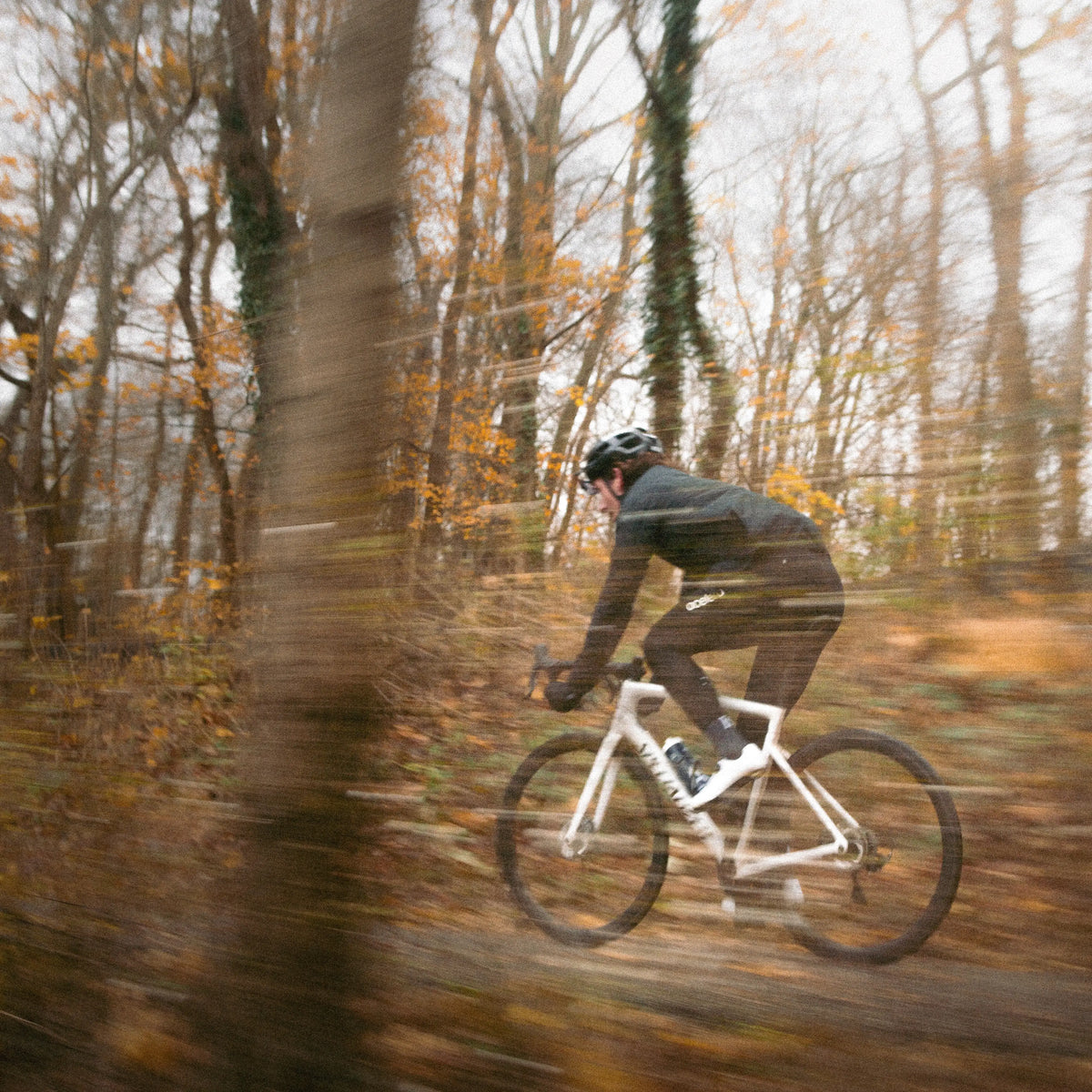
In autumn, the seasons and the roads change. There are more frequent heavy rains, which leave pile up on the bike paths, and harvest season leaves trails of mud from tractors on the roads. You can stay home and wait for spring, or you can adapt and keep riding with our best autumn cycling tips, which you can read about in this article.
Why wet autumn rides are worth it
Autumn cycling has more going for it than you'd think. Just to name a few factors:
- Better bike handling: Wet roads punish rough inputs. Learning to brake, corner and pedal smoothly in the wet makes you a calmer, faster rider in every condition.
- Consistency: Fitness built over summer fades fast if you only ride on dry days. Riding through autumn means you start winter fit, not from scratch.
- Quieter roads: Fair-weather riders stay home. Your favourite loops and bike paths can often be emptier and way more enjoyable.
- The feeling afterwards: Coming home wet, muddy and tired from a ride you almost skipped is one of the most satisfying feelings in cycling, and the hot shower afterwards is even better.
The key is preparing your bike, your kit and your riding style for the conditions.
Tyres and pressure for wet roads
There are a few things you should take into account before starting your autumn ride this season.
- Width. If your frame allows it, wider tyres are your friend in autumn. A 28 mm or 30 mm tyre gives you a bigger contact patch, more comfort on broken road surfaces, and more room for error than a narrow race tyre.
- Compound and condition matter more than tread. On tarmac, wet grip comes mainly from the rubber compound, not from a tread pattern. A quality tyre with a grippy compound beats a worn budget tyre every time. Check your tyres before autumn: worn, squared-off or cracked tyres lose grip first.
- Pressure. Slightly lower pressure lets the tyre flatten a little more on the road, which improves grip. Many experienced road riders drop around 0.3–0.5 bar (roughly 5–7 psi) from their usual dry-weather pressure. Don't go too low: the tyre should still feel stable in corners, and very low pressures increase the risk of pinch flats on potholes.
- Puncture protection. Rain washes glass, flint and thorns from the verges onto the road, and a wet tyre picks them up more easily. Tyres with a puncture-protection belt or a tubeless setup with sealant save you from changing a tube by the roadside in the rain.
Handling technique on slippery roads
On a wet road you have less grip than you're used to. The goal is simple: never ask the tyres for more than they can give and keep these things in mind:
- Look further ahead: Spot hazards early so you never have to react suddenly.
- Know what's slippery: Painted road markings, zebra crossings, manhole covers, tram tracks and metal plates become extremely slippery when wet. So do wet leaves, brick or tiled bike paths, and the mud tractors leave on rural roads in autumn. Ride around them, or cross them upright without braking.
- Brake earlier, and progressively: Braking distances get longer in the wet, with rim brakes even more than with discs. Start braking earlier, build up pressure gradually, and use both brakes.
- Brake or steer, not both: Do your braking in a straight line before the corner, then release and let the bike turn. Braking while leaning is the classic way to lose the front wheel.
- Corner more upright: Lean the bike less and keep your body weight centred over it. Take a wider, smoother line and carry a little less speed.
- Smooth power: Avoid sudden sprints out of corners or on climbs, especially out of the saddle. A slightly smoother, seated effort stops the rear wheel from slipping.
- Beware the first rain: After a dry spell, the first shower lifts oil and rubber from the road surface. Roads are often at their slipperiest just after it starts raining.
- Avoid puddles: A puddle can hide a pothole. If you can't go around it safely, ride through upright and steady.
Clothing built for rain, mud and spray-water
Wet autumn rides are challenging in two ways, as rain comes from above and spray from below. On top of that, you're working hard, so you generate heat. The trick is to stay protected without overheating. In order to pick the perfect outfit, you should think about the following:
- Start with a base layer: A moisture-wicking base layer keeps sweat off your skin, which is essential to keep warm as wet skin cools fast once you slow down, hit a headwind or stop at a café.
- Pack a proper rain jacket: For showers and steady rain, a waterproof shell makes or breaks the ride. Our Pro Rain Jacket (men's, women's) has a 10,000 mm waterproof membrane and taped seams, and folds small enough for a back pocket, so you can carry it whenever the forecast is uncertain. On cold but dry days, a windstopper breathes better.
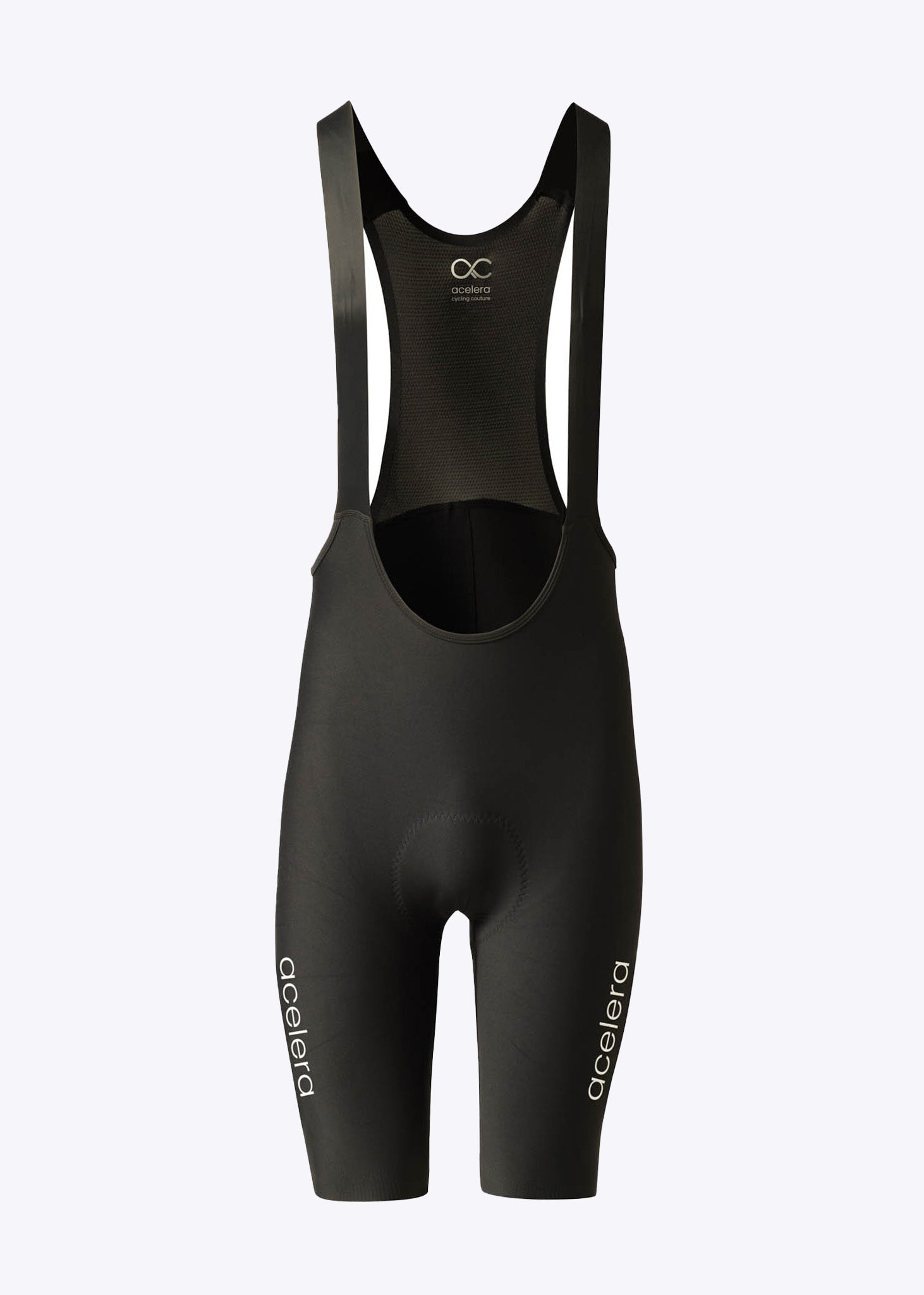
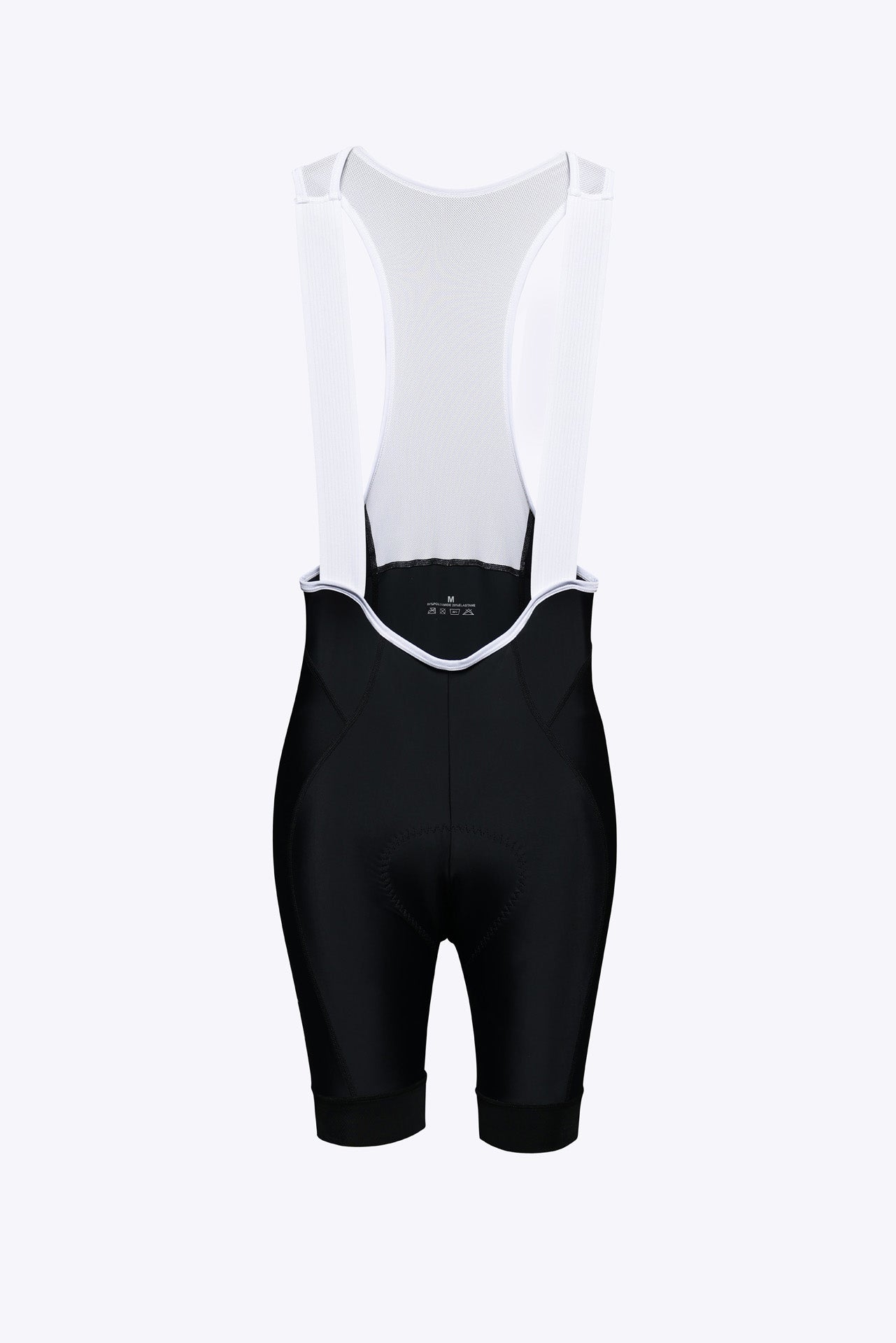
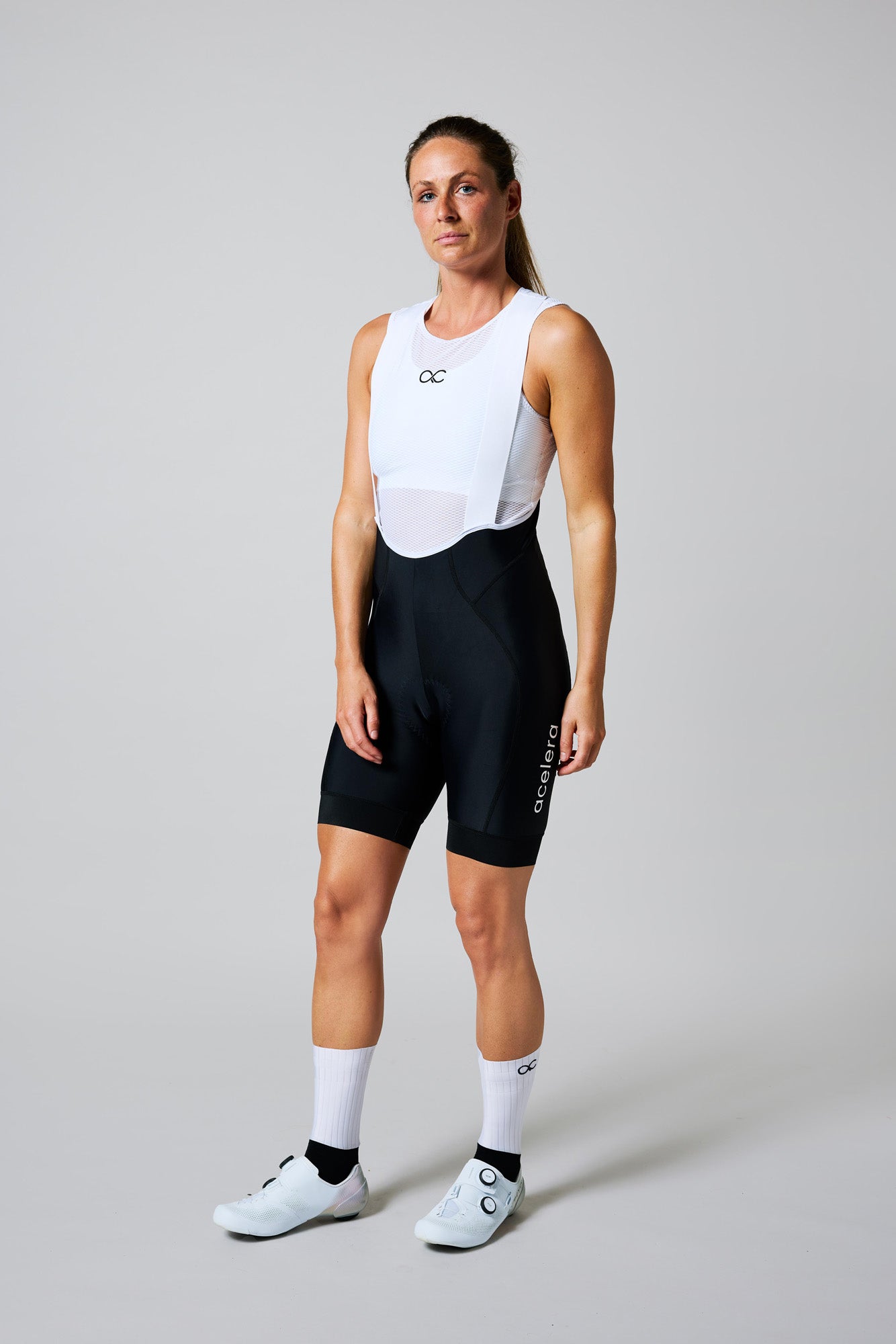
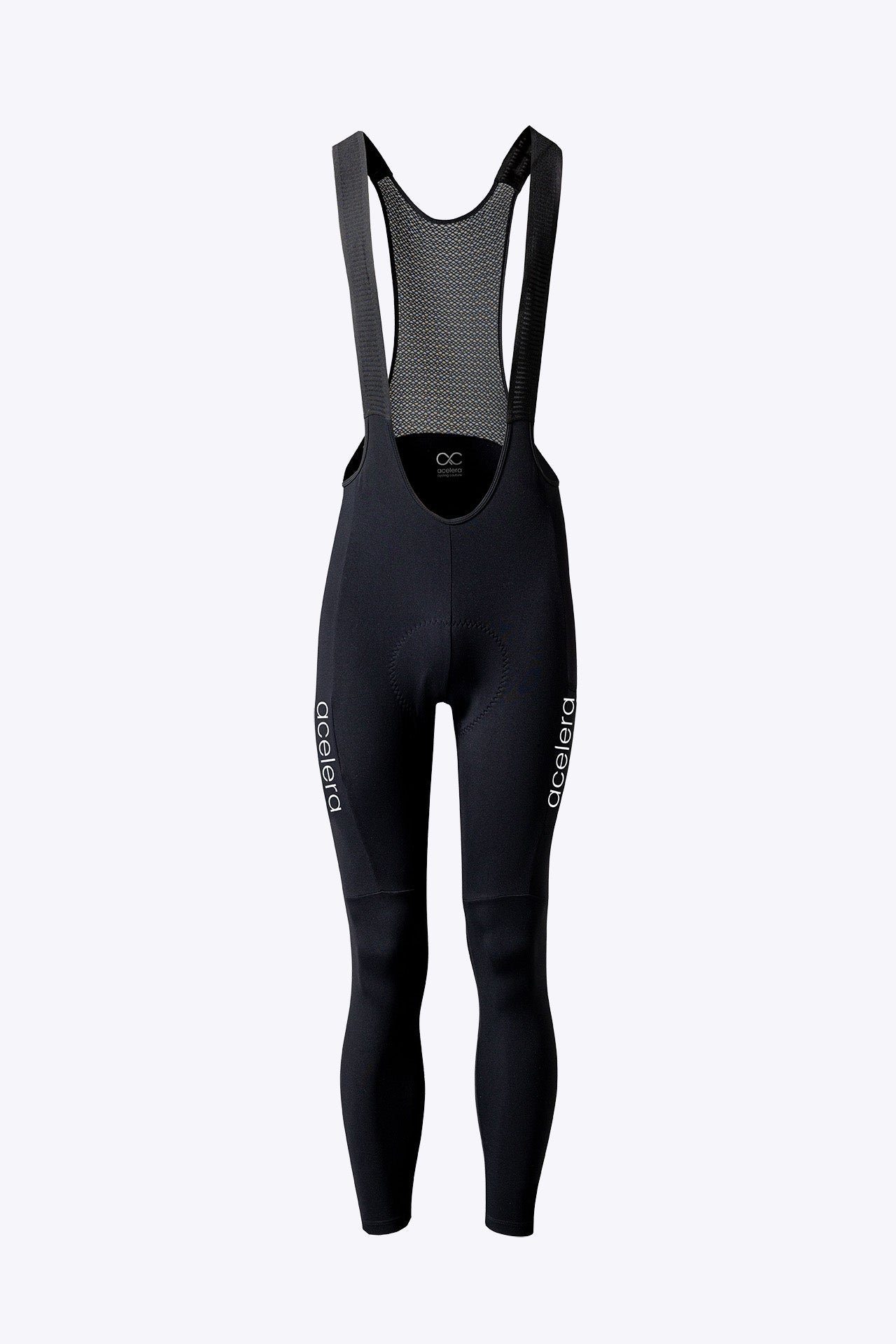
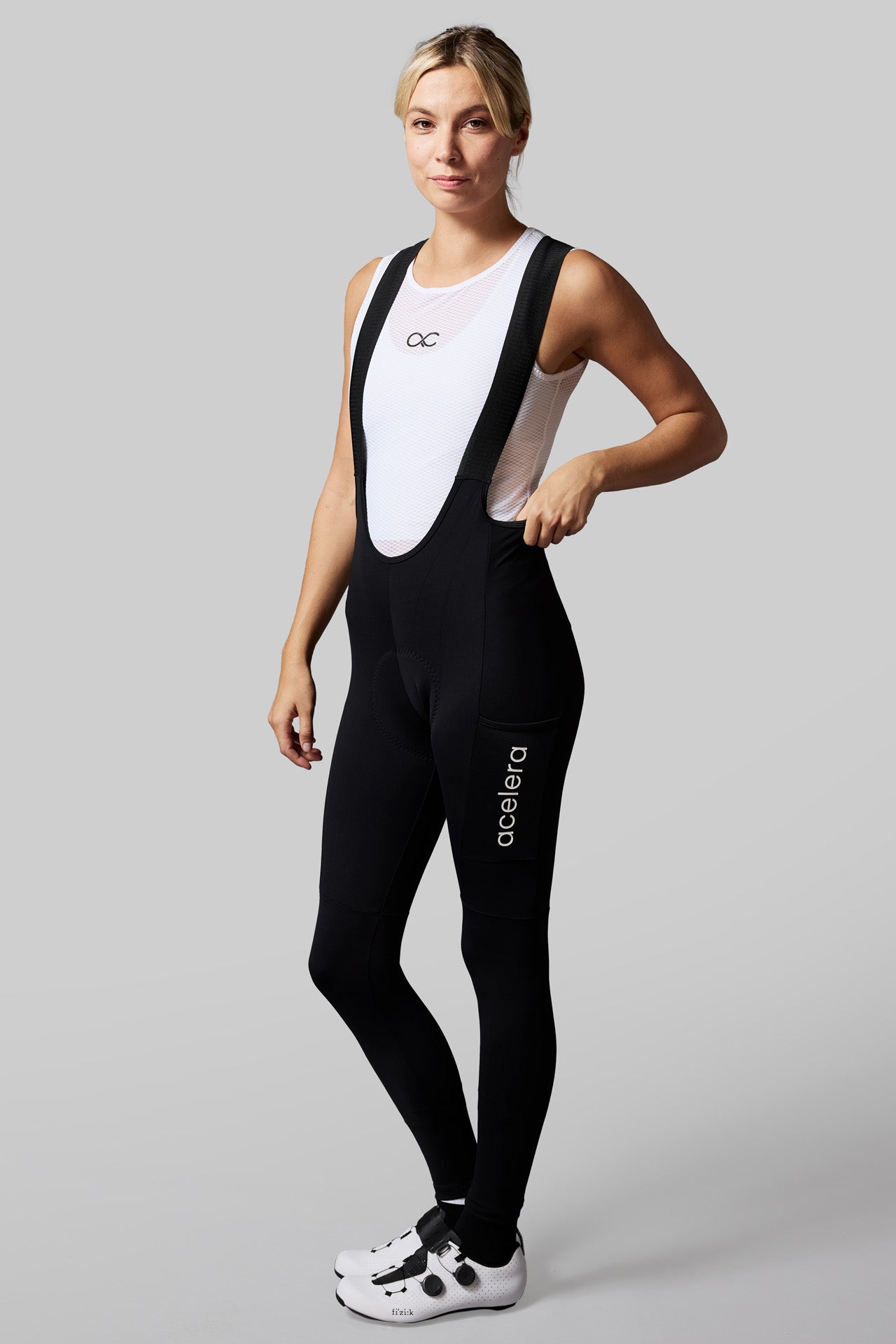
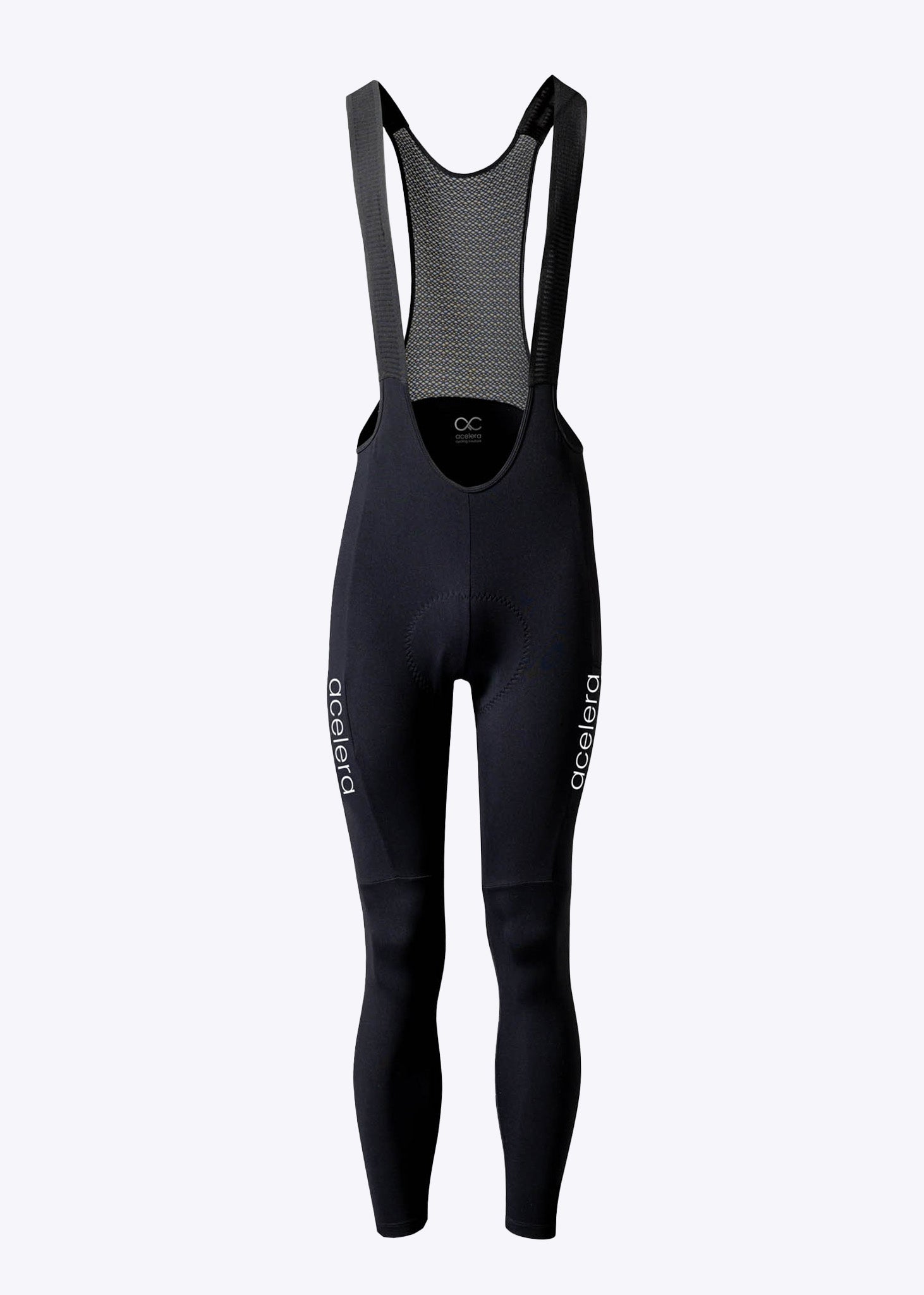
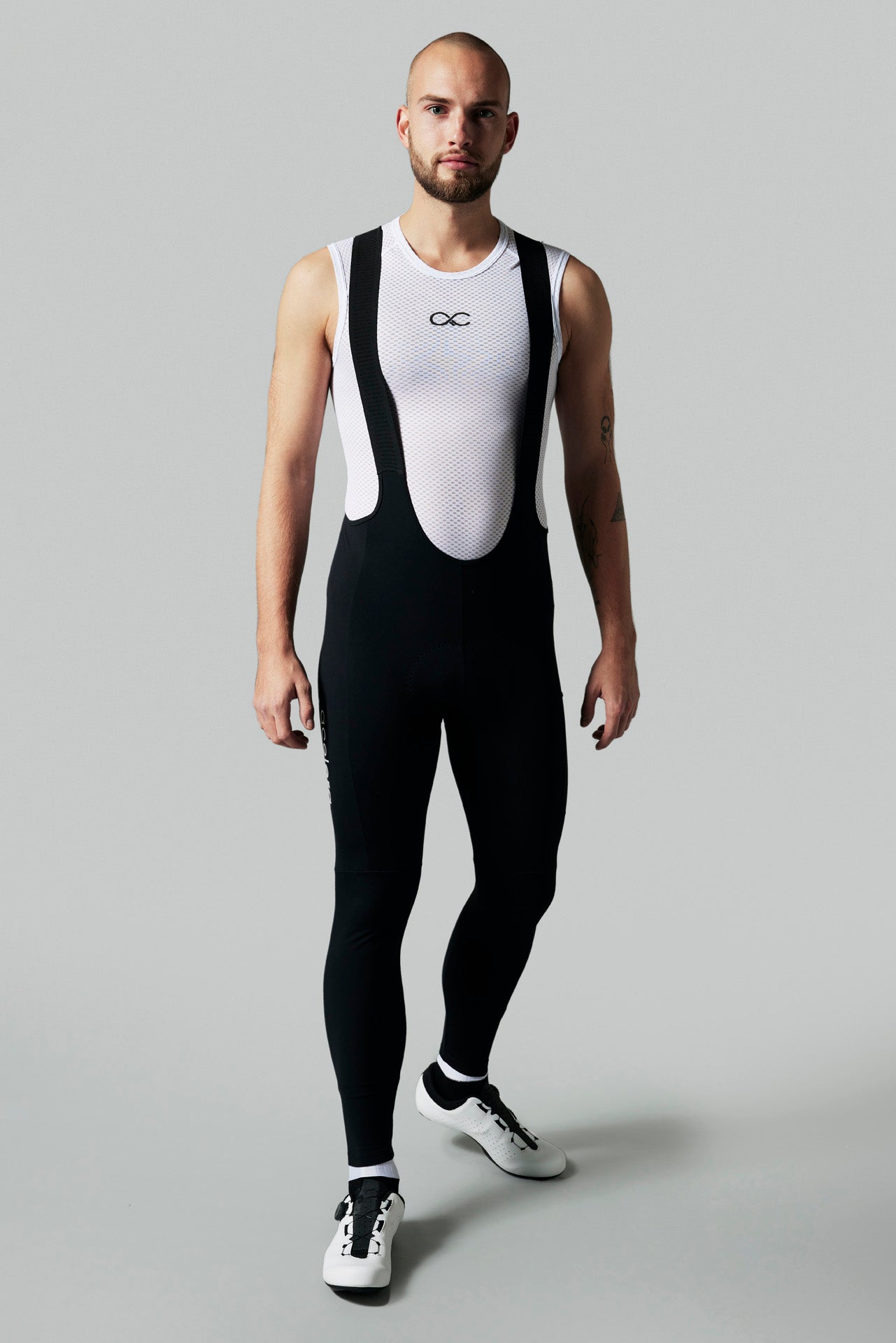
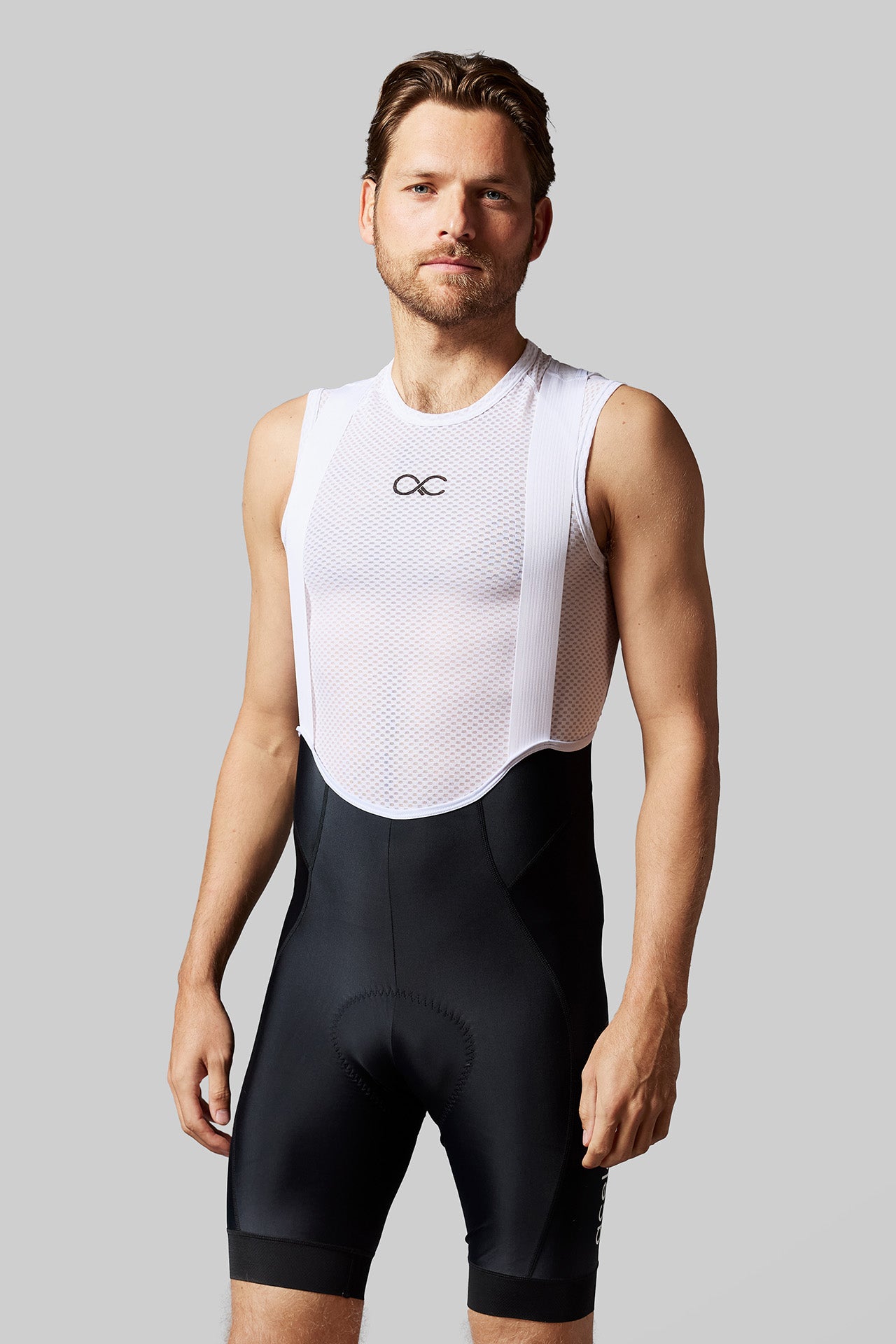
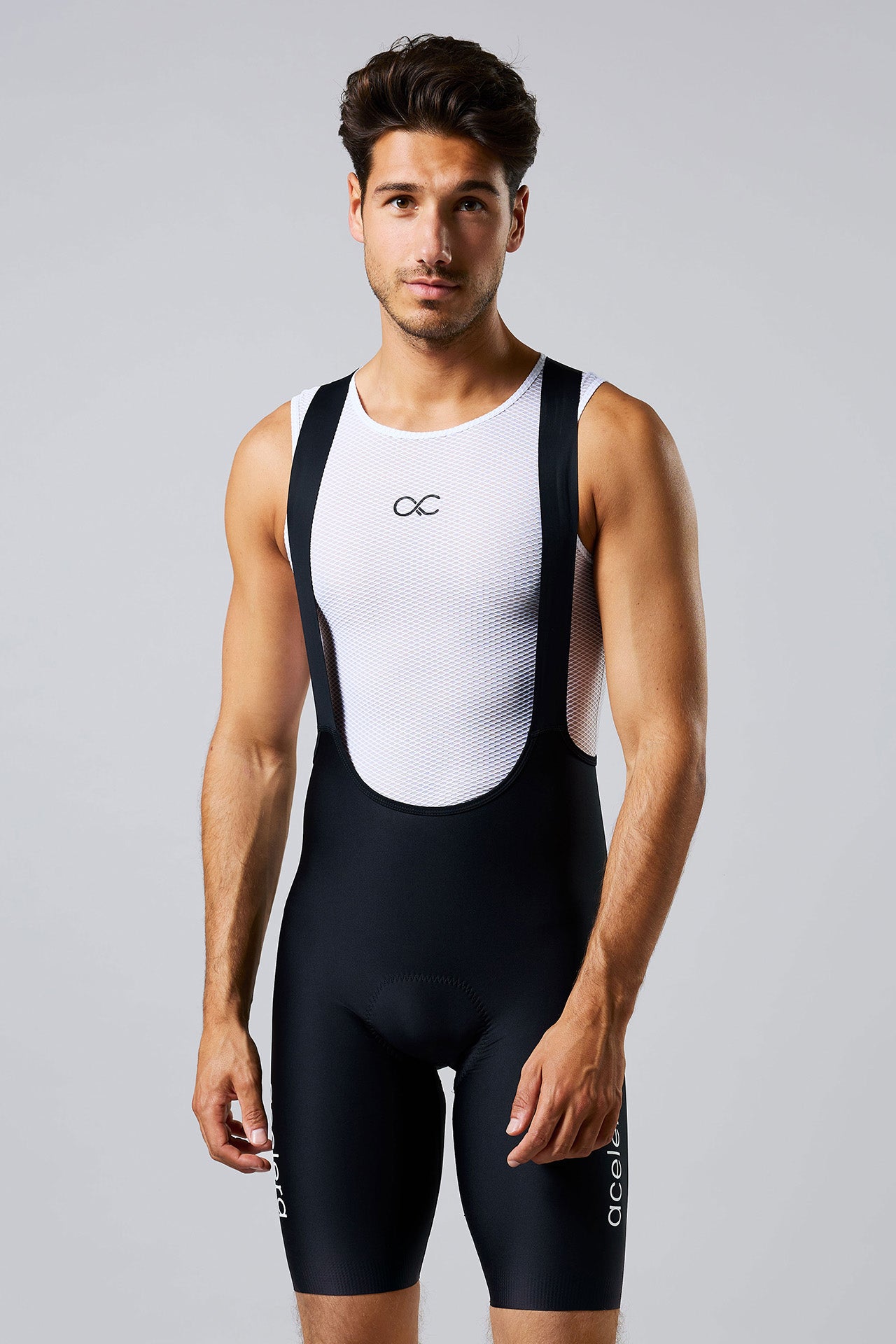
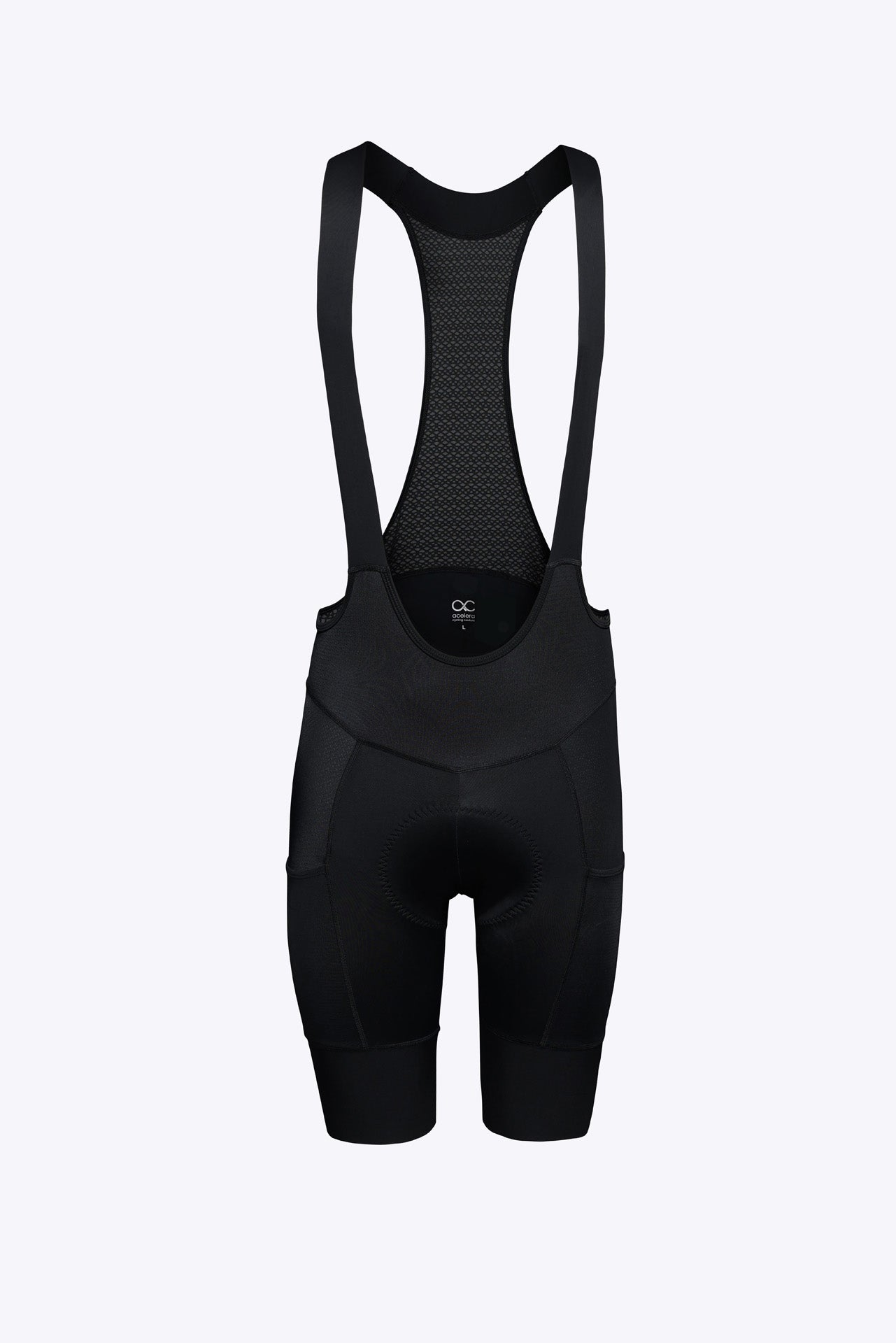
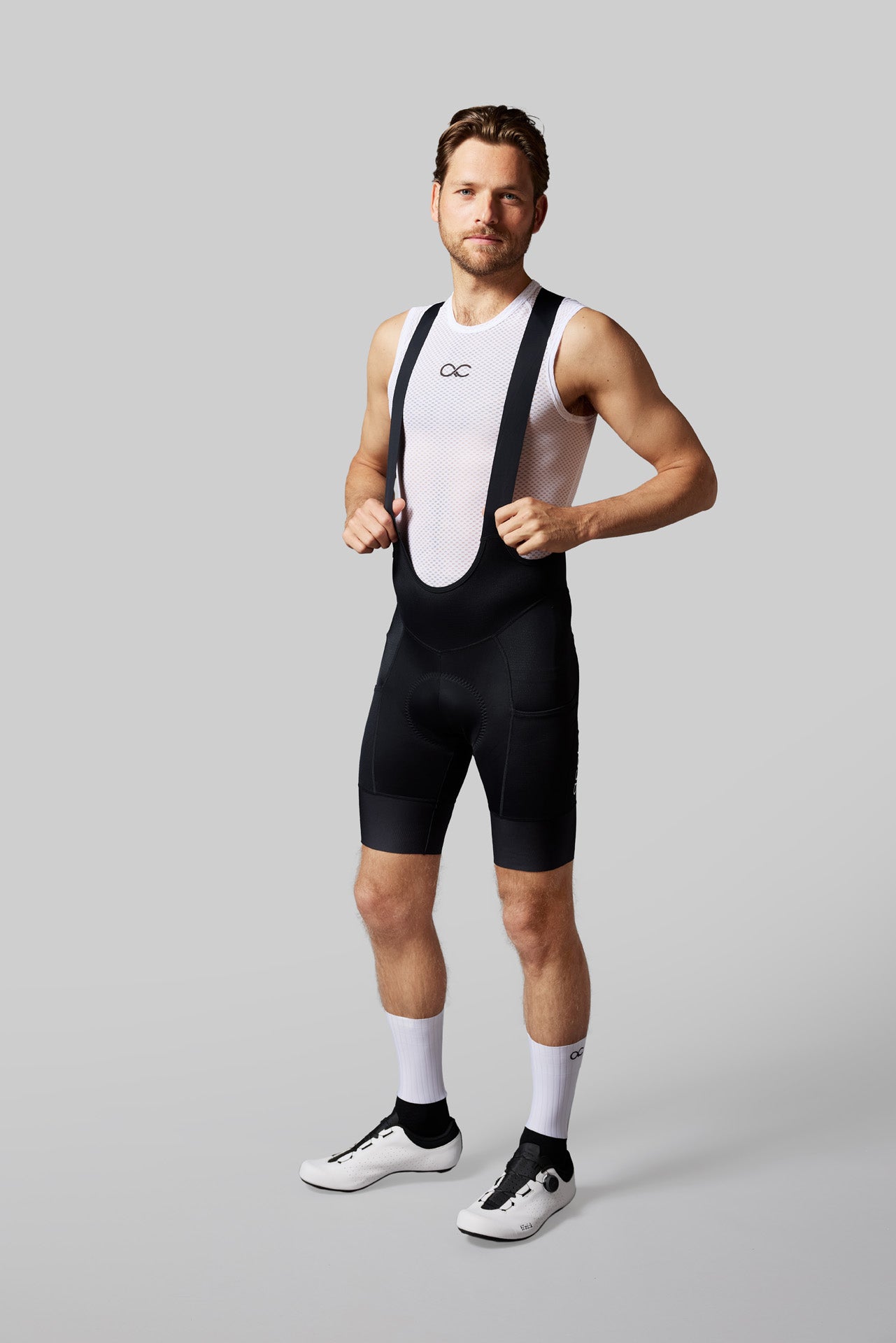
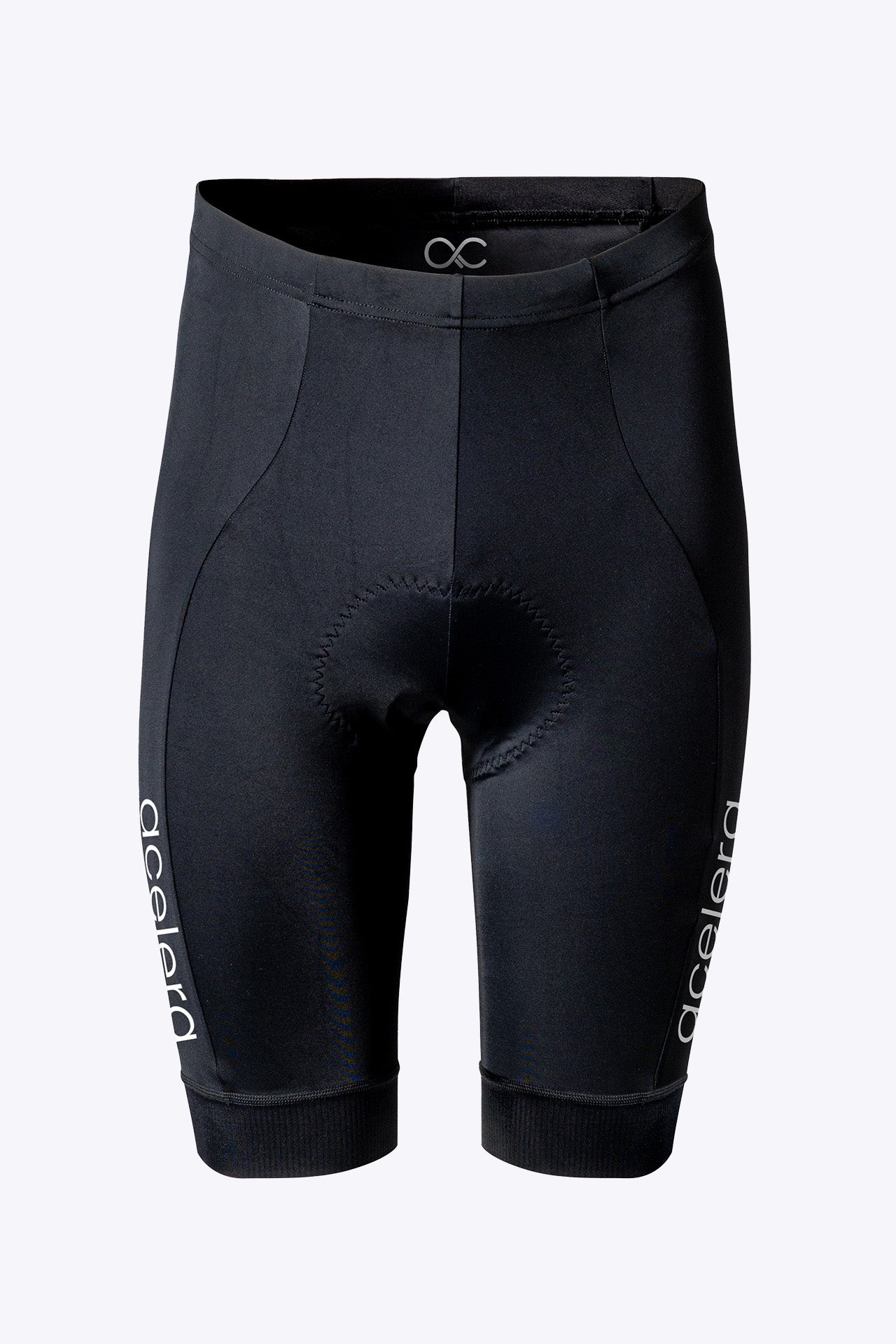
- Cover your legs: Spray from the road and your front wheel hits your shins and knees constantly. Long tights keep your muscles warm and the grit off your skin. Choose bib tights made for riders who keep going all year round. For really wet and cold days, our Acelera Pro Bib Tights (men's, women's) add a waterproof, windproof front panel.
- Hands, feet and eyes: Full-finger gloves keep your grip on wet bars and brake levers. Overshoes or waterproof socks hold off the cold that creeps in through wet shoes. Wear clear or light-tinted glasses against spray and grit, and a cycling cap under your helmet keeps rain out of your eyes.
- Be seen: Rain and grey skies reduce visibility for everyone. Bright colours and reflective details help drivers spot you earlier.
Protecting and cleaning your bike
Rain carries grit and road dirt into your drivetrain, brakes and bearings, where it acts like sandpaper. A little attention before and after the ride can save you a costly repair later.
Before the ride
- Full mudguards are the best upgrade for autumn riding, as they keep spray off your back, your face and your drivetrain. No mounts? Clip-on guards are a good alternative.
- Use a wet lube on your chain. It stays on in rain much longer than dry lube.
- Check your brakes, as pads can wear surprisingly fast in wet grit, especially on rim brakes. Start the ride with plenty of pad left.
- Turn your lights on even during the day, as front and rear lights make you more visible in rain and gloom.
After the ride
- Clean before the dirt dries to avoid heavy scrubbing later.
- Rinse with low pressure using a garden hose or bucket and sponge.
- Degrease and re-lube the chain.
- Dry the bike by wiping down the frame, and bounce the bike a few times to shake out trapped water.
- Inspect brake pads, rims or rotors, and tyres for cuts or embedded glass and flint.
Also don't forget your kit. Rinse the worst of the road dirt off with cold water before it goes in the machine. Close all zips, wash cool, skip the fabric softener (it clogs the membrane of your rain jacket and the wicking fabric of your jersey), and let everything air dry.
Riding safely in wet weather and in a group
Wet roads change the dynamics of riding with others and around traffic, which is why you should follow these simple rules to make the autumn ride more enjoyable and safe for everyone.
- Leave more space.
- Call out hazards early.
- Assume drivers see you late.
- Adjust the pace in the corners, not on the straights.
- Know when to call it in bad or dangerous conditions.
Frequently asked questions about autumn rides
What tyre pressure should I use on wet roads?
Many riders drop around 0.3–0.5 bar (roughly 5–7 psi) from their usual dry-weather pressure. The slightly bigger contact patch improves grip. Don't go so low that the tyre feels vague in corners or you risk pinch flats.
What should I wear for wet autumn rides?
A wicking base layer, long tights against spray, a packable waterproof rain jacket, full-finger gloves, overshoes and clear glasses. Bright colours or reflective details help others see you.
Do I need mudguards on a road bike?
Not strictly, but they make wet rides far more comfortable. They keep spray off your back, face and drivetrain, and many clubs expect them on winter group rides. Clip-on guards work if your frame has no mounts.
How should I clean my bike after a wet, muddy ride?
Rinse with low-pressure water before the dirt dries, then degrease, dry and re-lube the chain. Avoid pressure washers near bearings, and check your brake pads and tyres for wear and embedded debris.
Is it safe to ride a road bike in the rain?
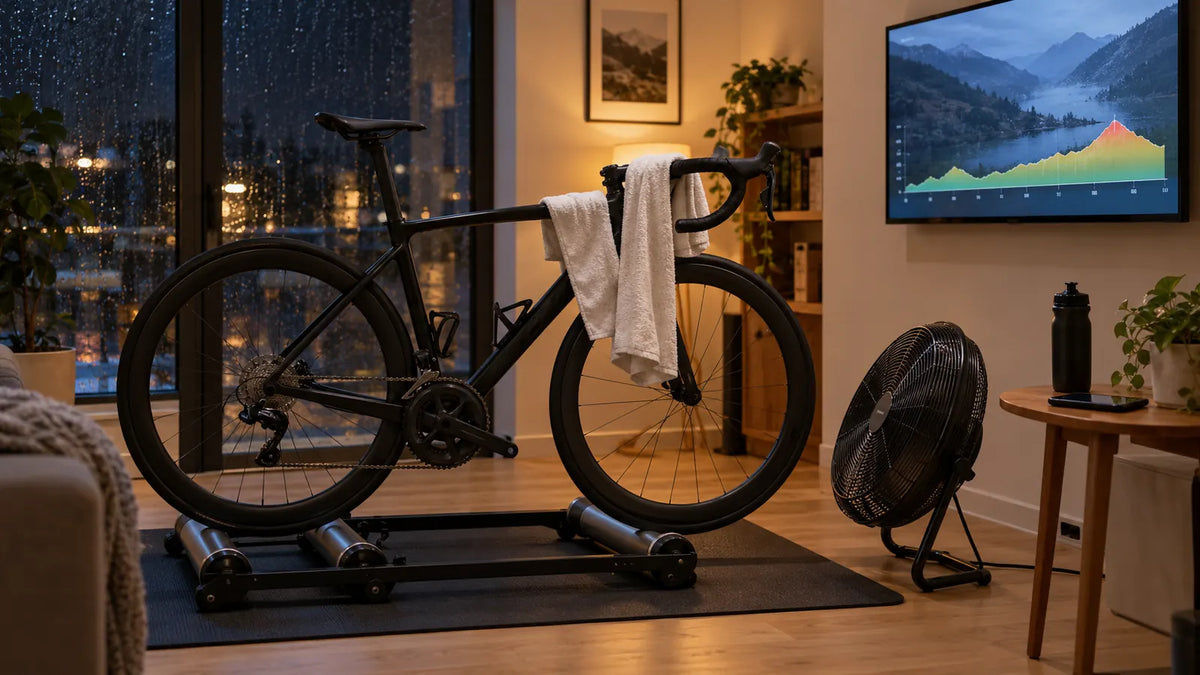
Yes, if you adapt. Ride with lower tyre pressure, brake earlier, corner more carefully and make yourself visible. When heavy rain combines with darkness or near-freezing temperatures, an indoor session is the smarter choice.



Leave a comment
This site is protected by hCaptcha and the hCaptcha Privacy Policy and Terms of Service apply.