

Article: How to build your winter indoor cycling setup
How to build your winter indoor cycling setup
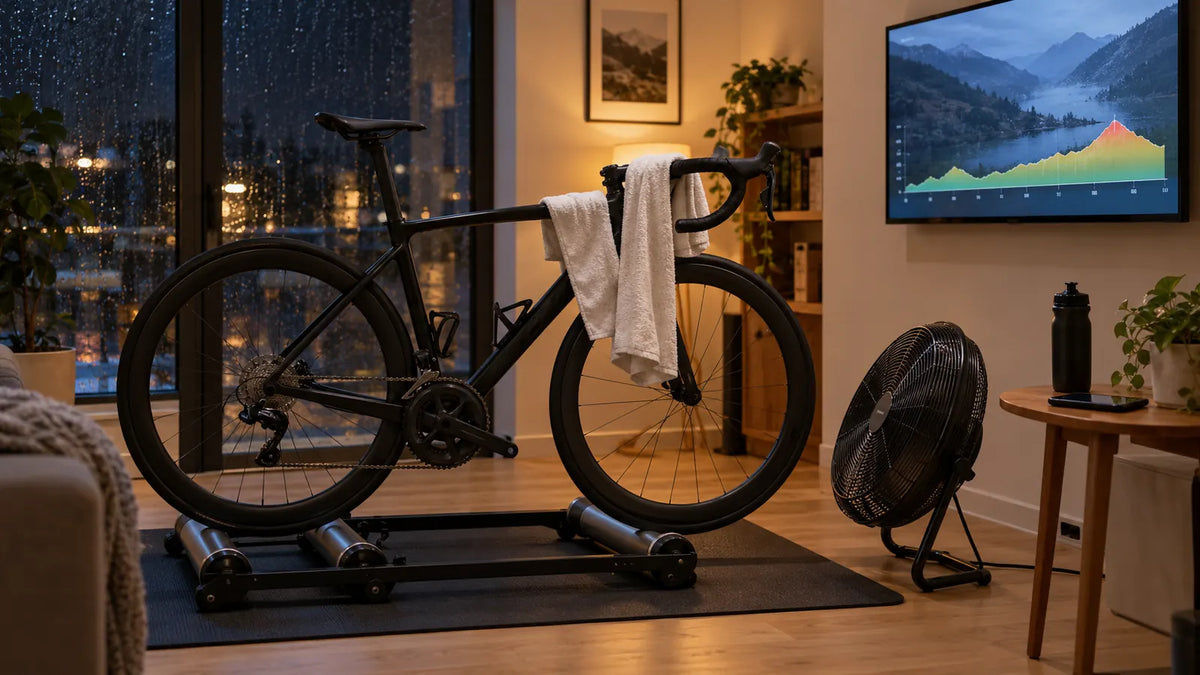
A good indoor cycling setup needs five things: your bike on a trainer, enough space, airflow, a screen or app to keep you engaged, and kit made for sweat rather than wind. Get those right and indoor cycling at home stops being a punishment for bad weather and becomes the most efficient part of your training week.
We love riding outside, all year round. But when it's dark at five, the roads are greasy and the wind is coming straight off the North Sea, a home cycling setup means you keep your fitness without fighting the elements. In this blog you will learn how to build your winter setup that works without overspending.
Why train indoors in winter?
Indoor training in winter gives you uninterrupted, controlled riding time without traffic lights, without descents where you stop pedalling, and no getting caught out by the dark.
That makes it ideal for different kinds of work like structured intervals, where you need to hold a precise effort, or steady endurance rides, where you want to sit at a consistent intensity for a fixed time. If you train with power, indoor sessions are also the easiest way to test and track your FTP.
Also not to forget that there's a safety argument too, as fewer hours on dark, wet roads in rush-hour traffic is never a bad thing. What you lose indoors is bike handling, fresh air and the social side of a group ride. That's why the best winter plan combines indoor and outdoor sessions.
Choosing a trainer: wheel-on, direct drive or smart
The trainer is the heart of your setup, and there are three main types:
- Wheel-on (turbo) trainer: Your rear wheel presses against a roller that creates resistance. It's the cheapest way in and quick to set up. The downsides: more noise, less realistic road feel, and faster tyre wear. Fit a dedicated trainer tyre, ideally on a spare rear wheel, so you're not swapping tyres before every outdoor ride.
- Direct-drive trainer: You remove your rear wheel and mount the bike straight onto the trainer's cassette. It's quieter, more stable and measures power more accurately. Most direct-drive trainers are "smart", meaning they connect to apps and adjust resistance automatically. This is where most riders end up.
- Smart bike: A dedicated indoor bike with built-in power measurement and app connectivity. No wheel swaps and no wear on your road bike, but it's the most expensive option and you'll need to replicate your outdoor position on it.
If you mainly want to spin your legs while watching something, a wheel-on turbo is fine. If you want structured workouts, virtual routes or reliable power data, a smart trainer is worth the step up. Whichever you choose, check compatibility like axle standard (quick release or thru-axle), cassette type and the space around the trainer first. And use the same bike position you ride outside, as hours in a fixed position will find any fit issue faster than the road ever does.
Space, fan and cooling
One of the questions many riders ask themselves is how much space do you need? And the answer is: Less than you think. Your bike on a trainer takes up roughly the footprint of the bike itself, plus room to get on and off and to place a fan in front. A corner of about 2 × 1 metres works for most setups. A spare room, garage or even a corner of the living room is enough. What is more important than the space is the floor and the air.
- Floor: put down a trainer mat. It protects the floor from sweat, steadies the trainer and dampens noise for whoever lives below you.
- Fan: this is not optional. Outside, the headwind you create at 30 km/h cools you constantly. Indoors, that airflow is gone, so your body temperature climbs fast and your power drops with it. One powerful floor fan aimed at your torso is the minimum, a second one aimed at your face or back makes a noticeable difference on hard sessions.
- Room: keep it as cool as you can. Open a window, avoid the room with the radiator on full, and don't train next to a sunny window in the afternoon.
- Sweat protection: salt from sweat corrodes bolts, headsets and paint. Use a towel or sweat catcher over your top tube and stem, and wipe the bike down after every session.
Apps, screens and connectivity
You don't need an app to ride indoors, but it changes how long you'll keep doing it. There are lot of different app options for social, group rides, races, structured training or real-world video routes. Most offer a free trial, so you can test a few before you choose the one that works best for you.
A few practical points:
- Put your screen at eye level so you're not craning your neck for an hour.
- Keep your phone, bottles and food within reach on a small table or bar mount.
- Check your connection. Most trainers connect via Bluetooth or ANT+, so a stable Wi-Fi signal in your training corner saves a lot of frustration mid-workout.
- Have a power socket nearby for the trainer, fan and screen.
You don’t want to train with an app? Pick a structured session, put on music or a race replay, and ride to time. Simple works.
What to wear for indoor training
This is the part most guides skip, and it's where a lot of indoor discomfort comes from. Indoors, the problem isn't cold or rain. It's heat and sweat, while you sit in the same position for longer than you would outside. So choosing the right outfit is even more important than for outdoor rides.
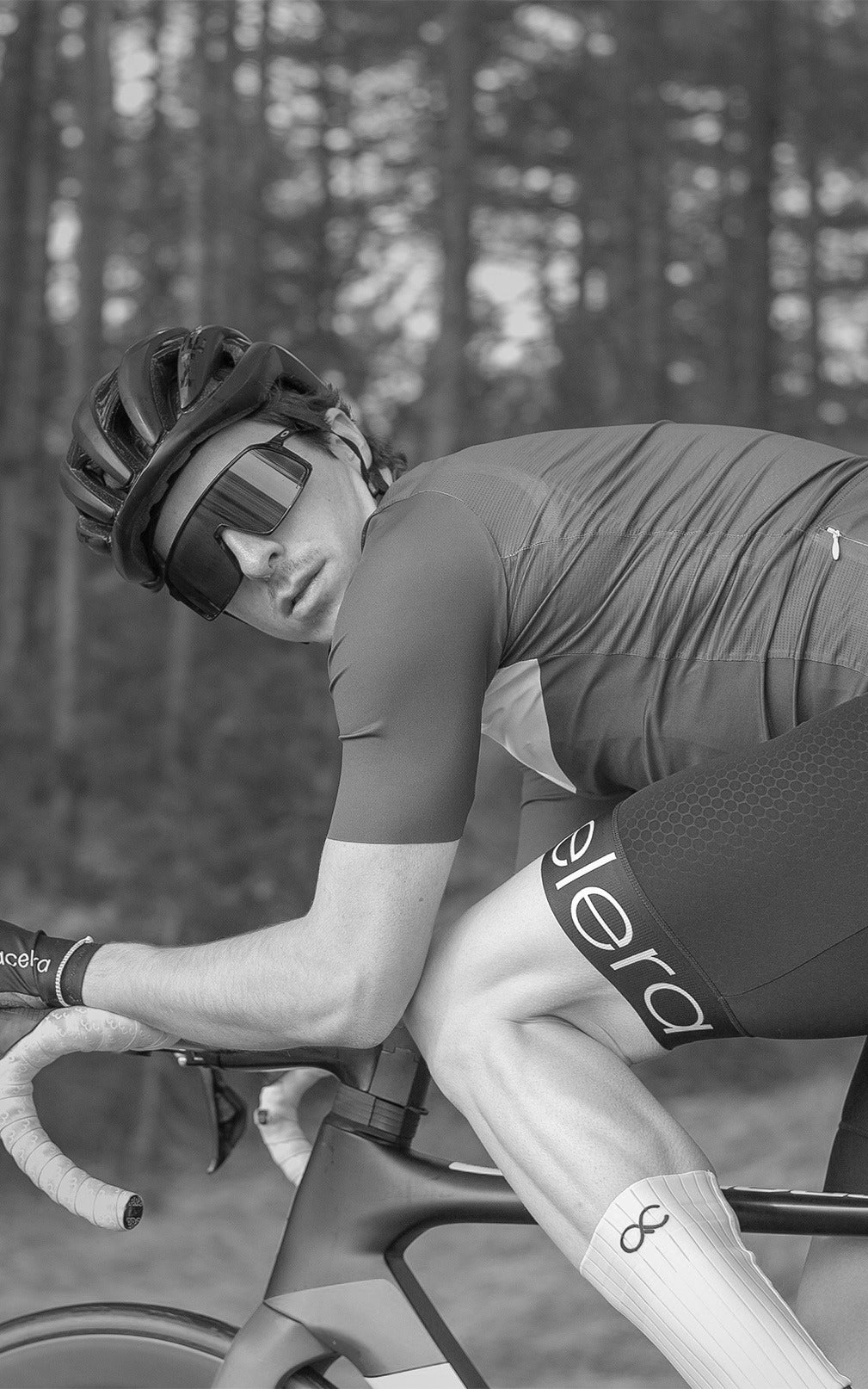
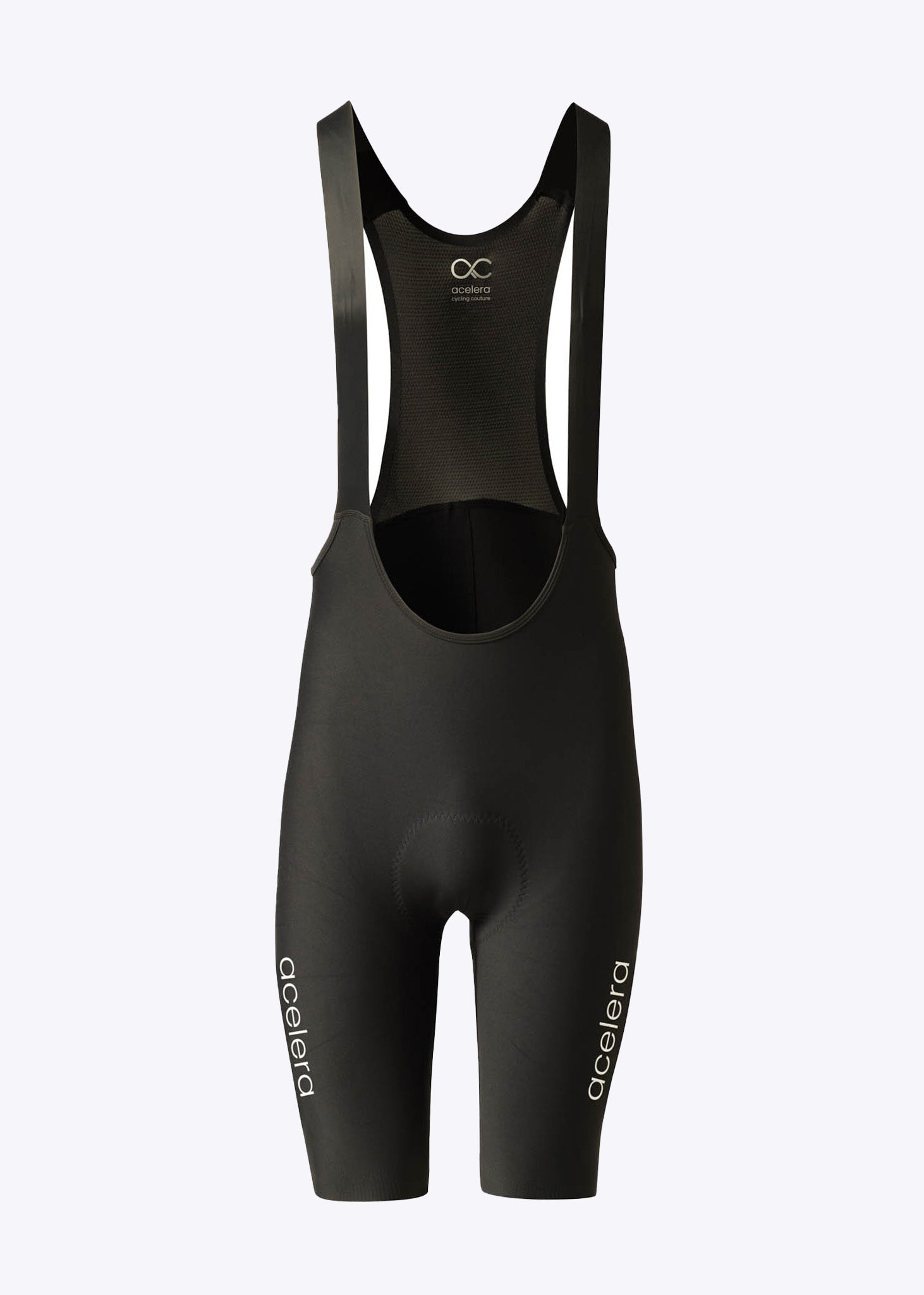
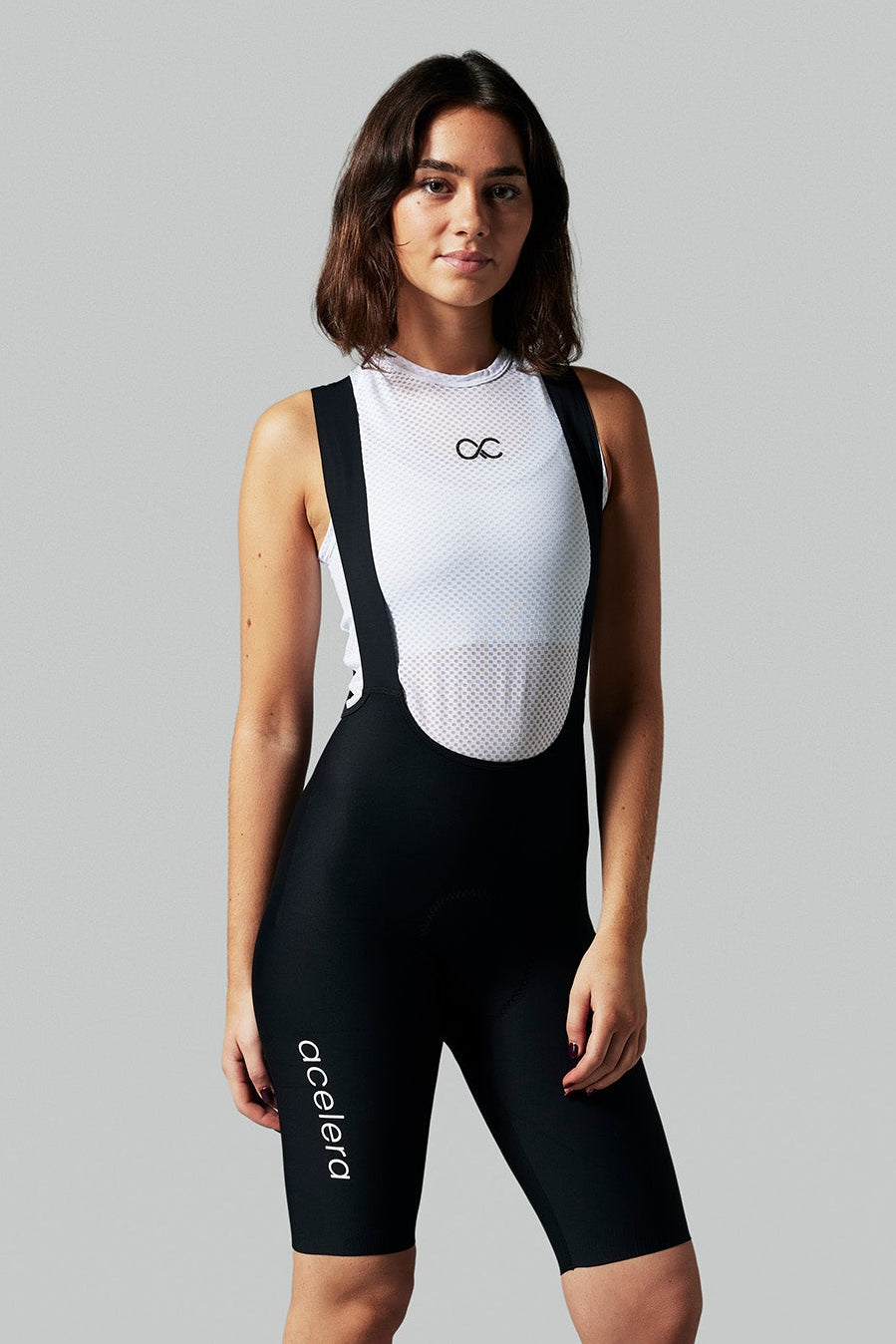
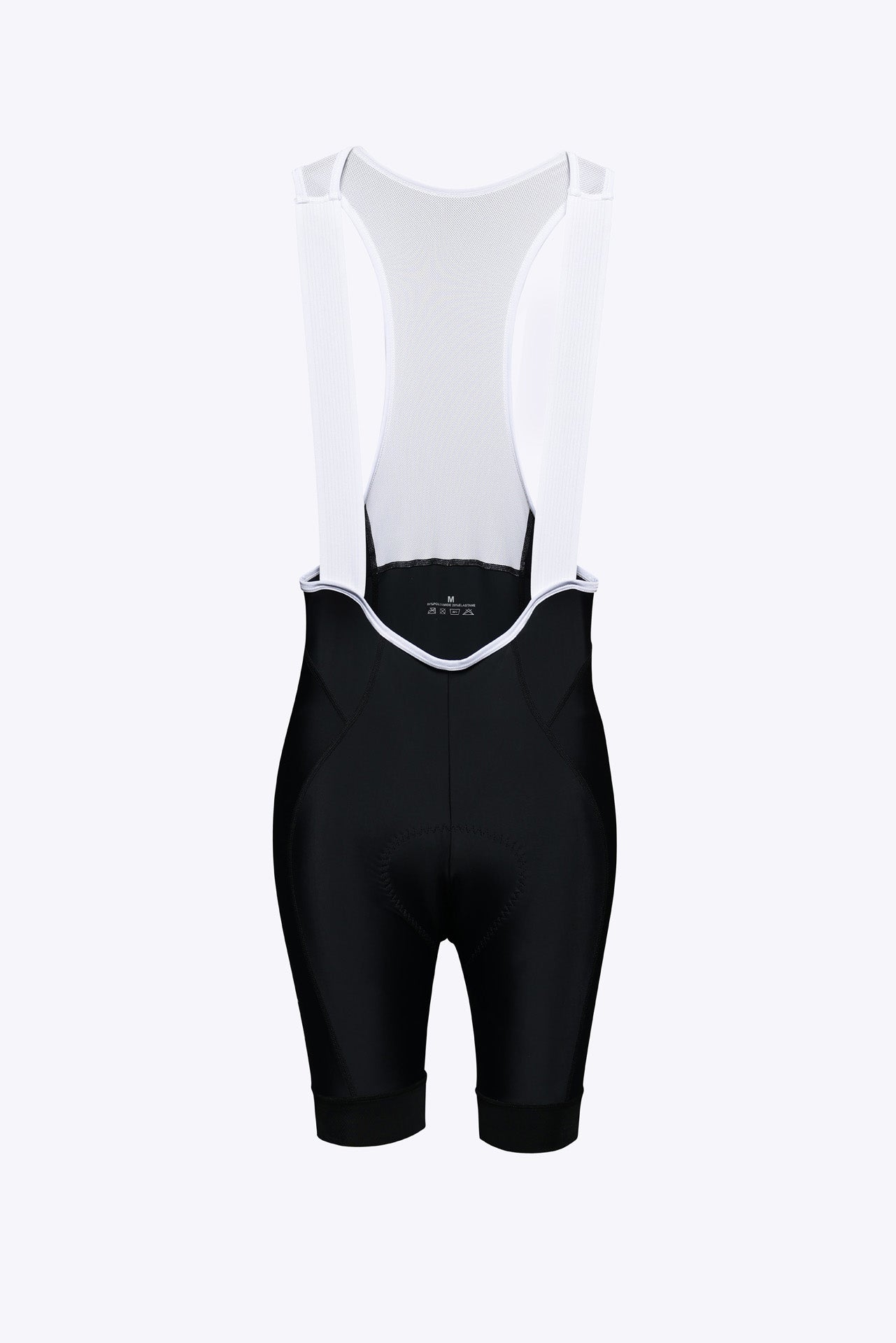
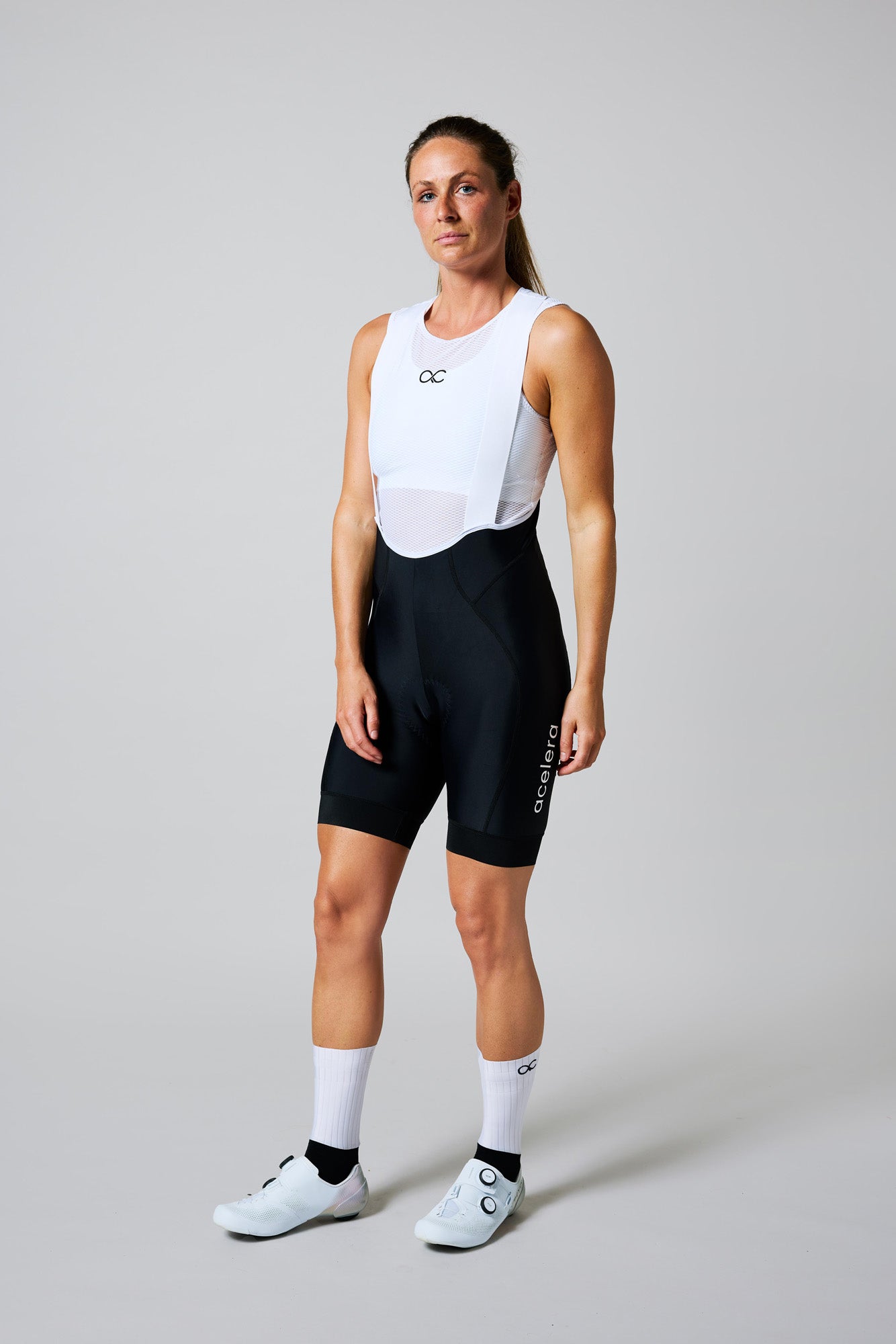
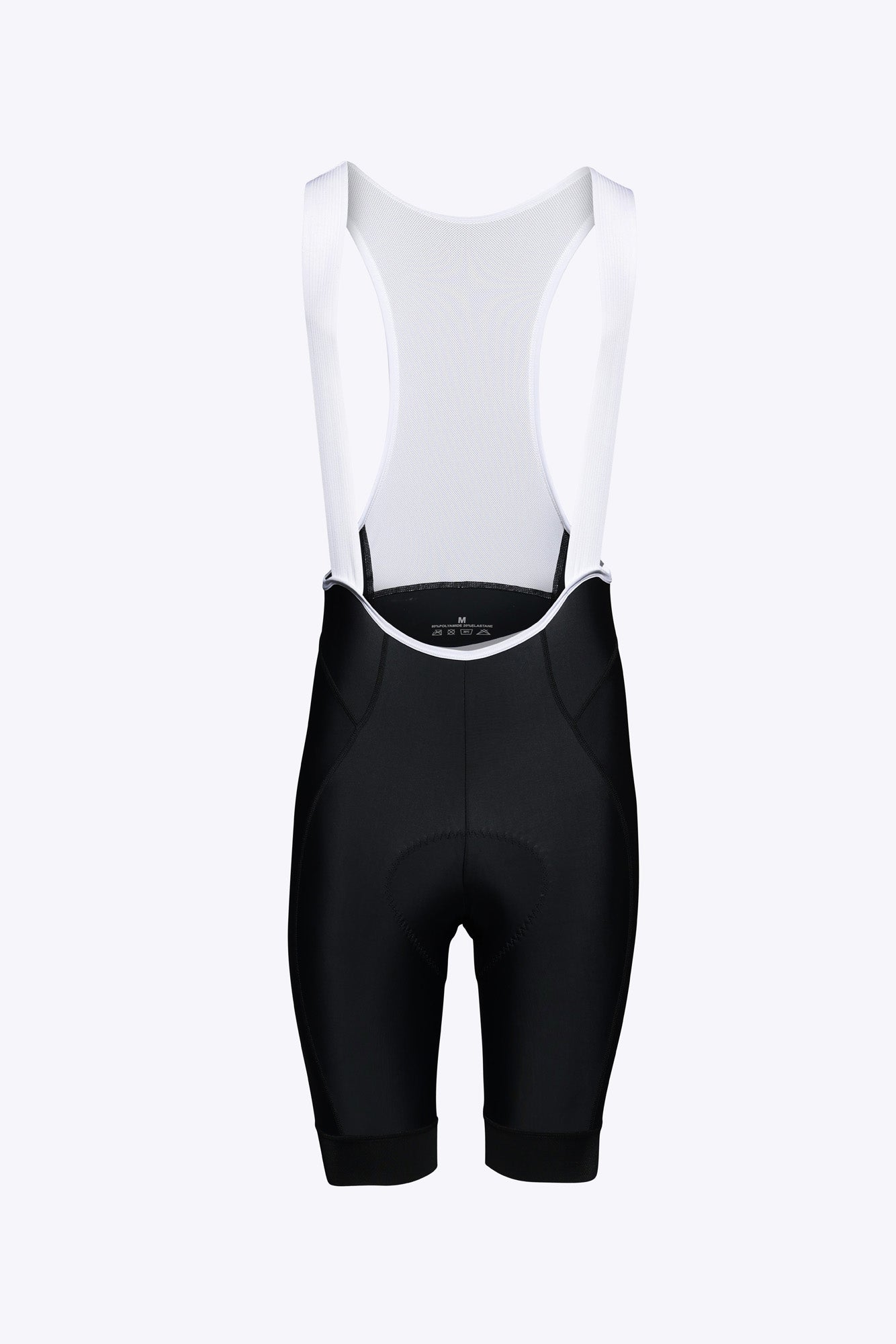
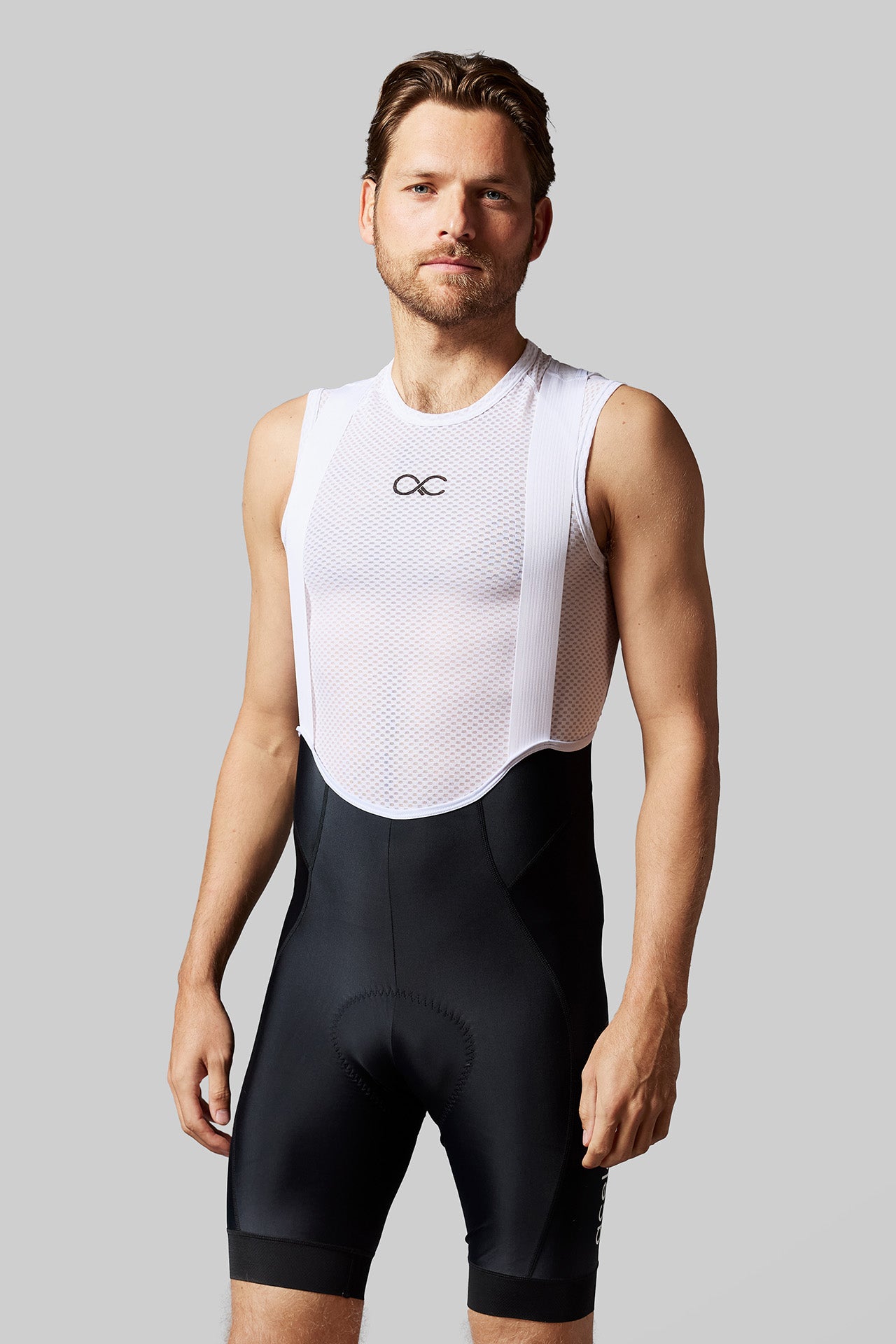
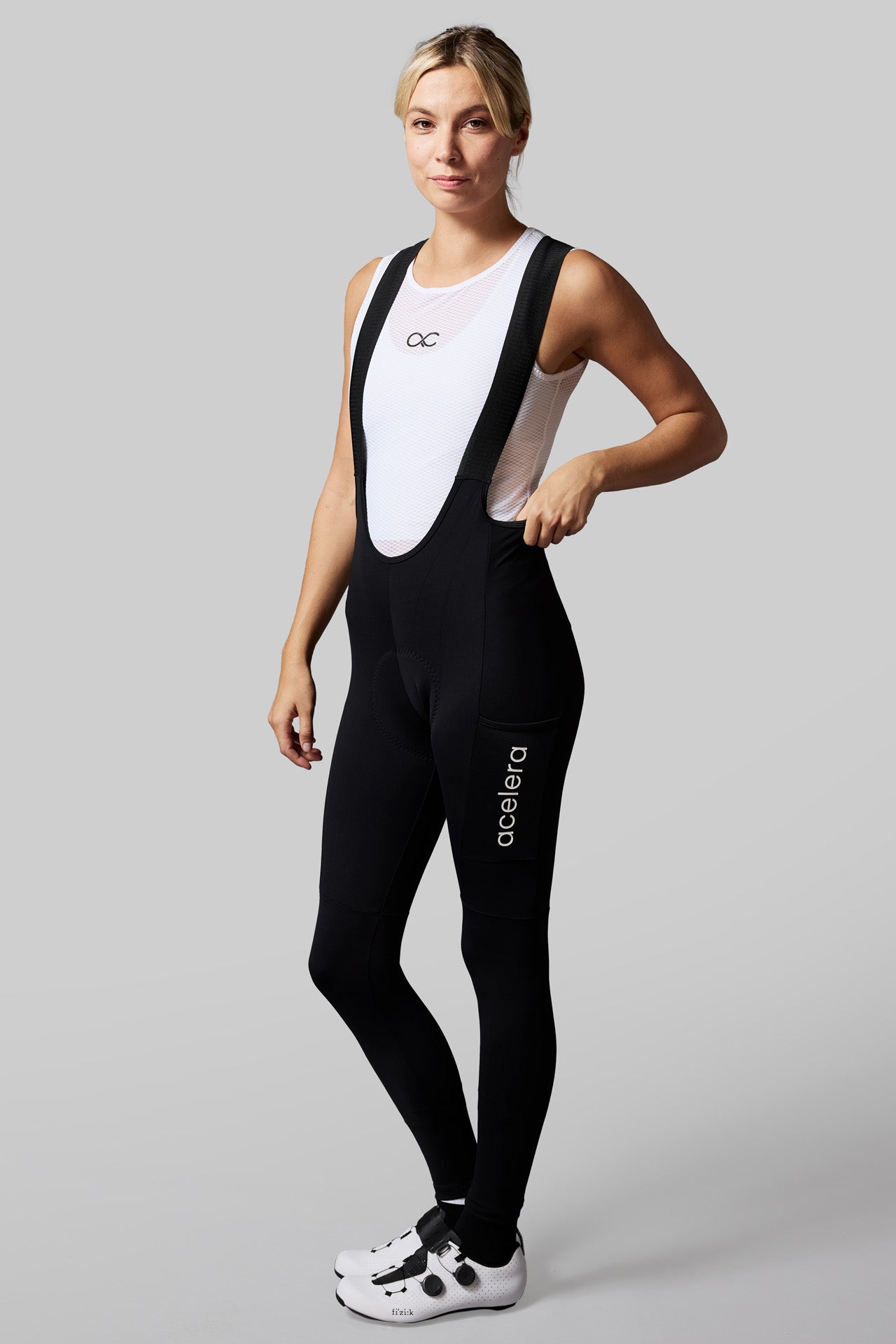
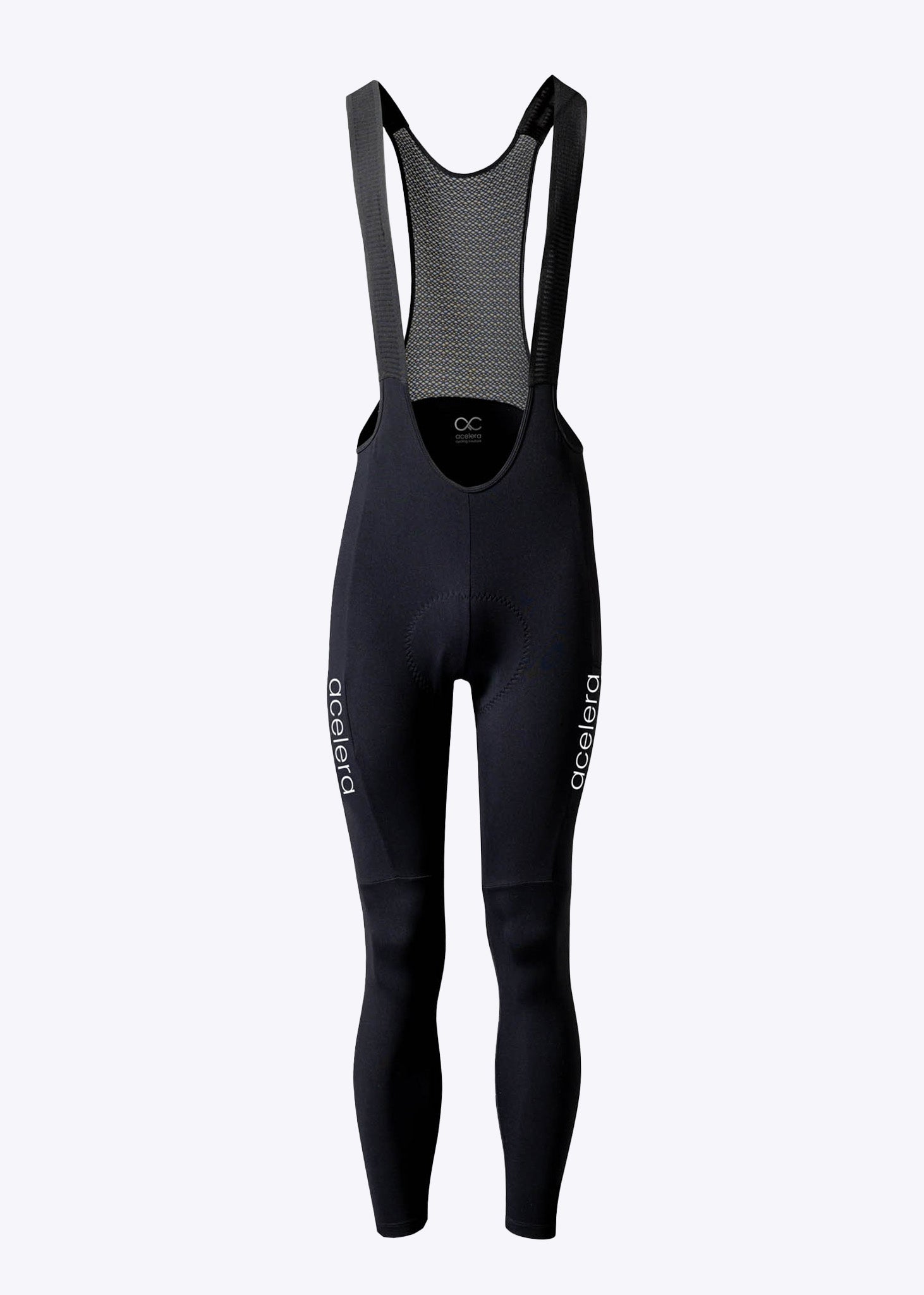
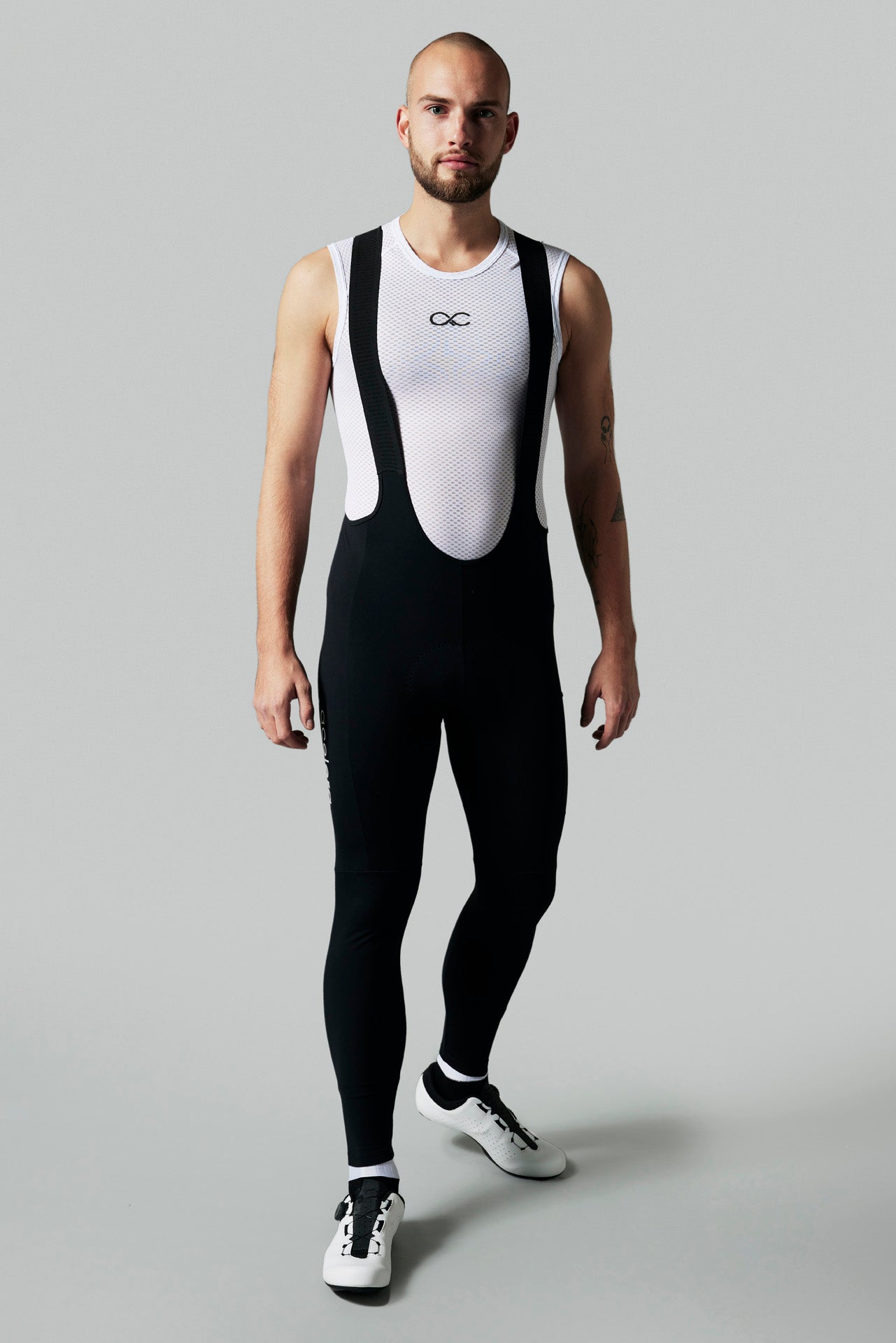
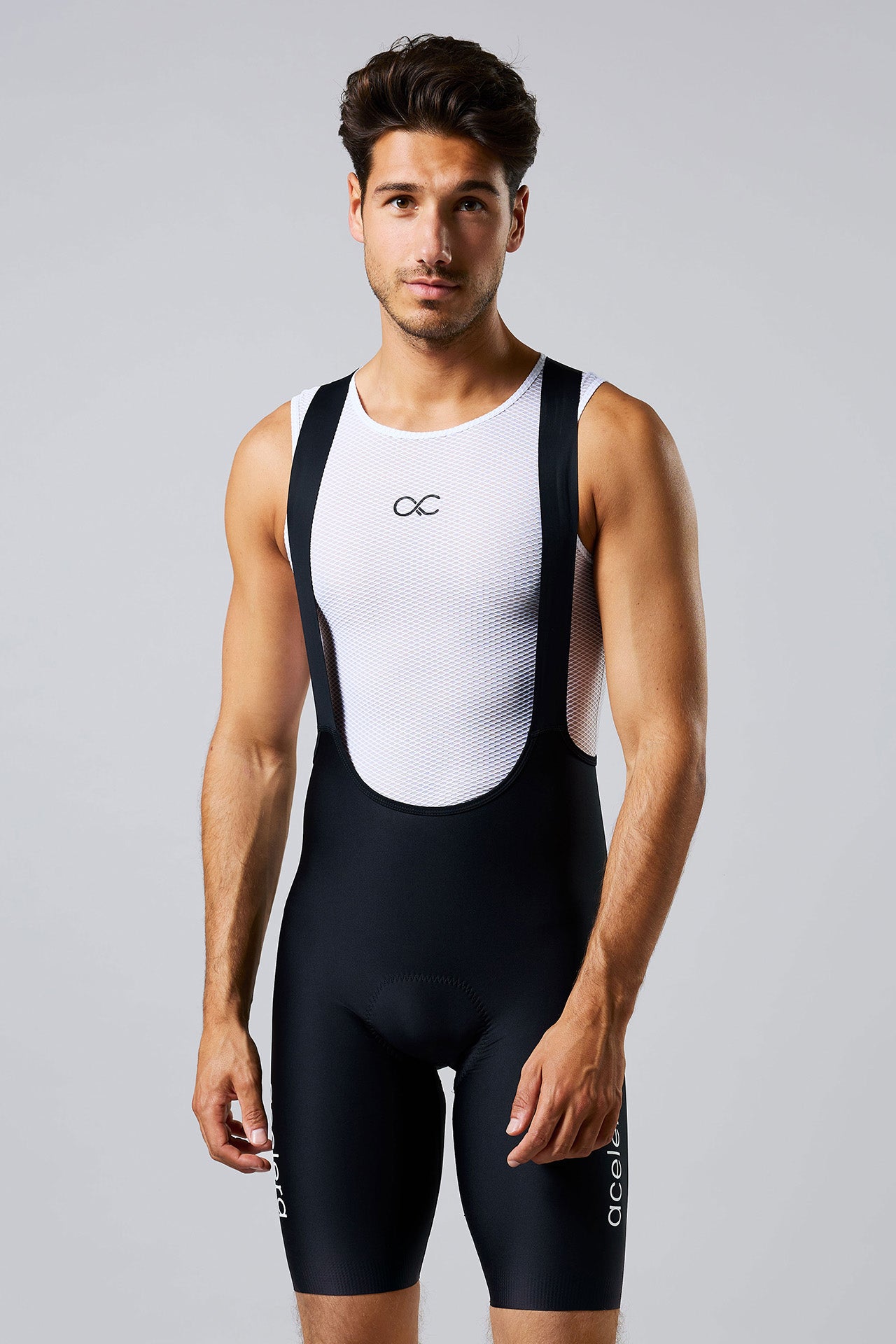
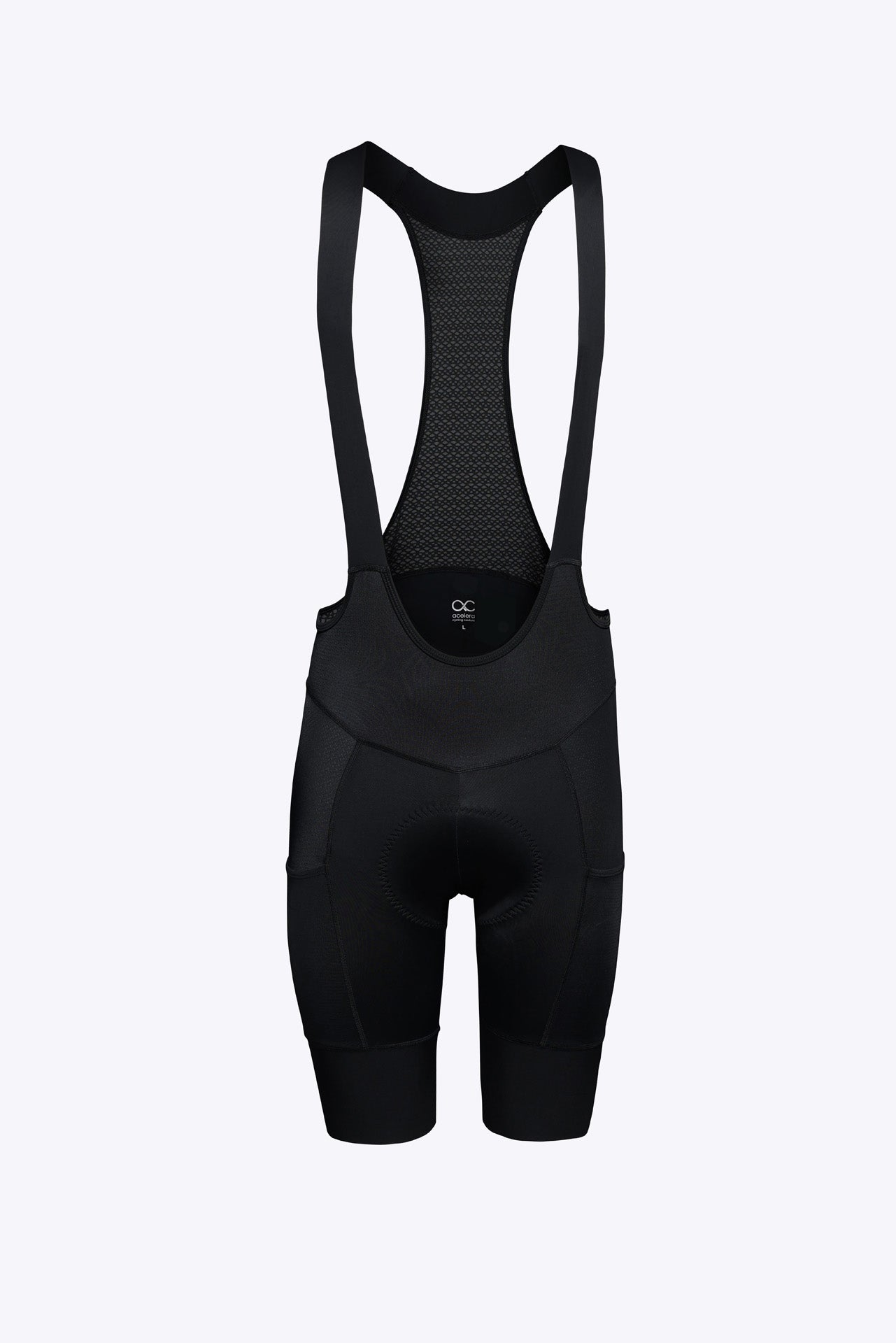
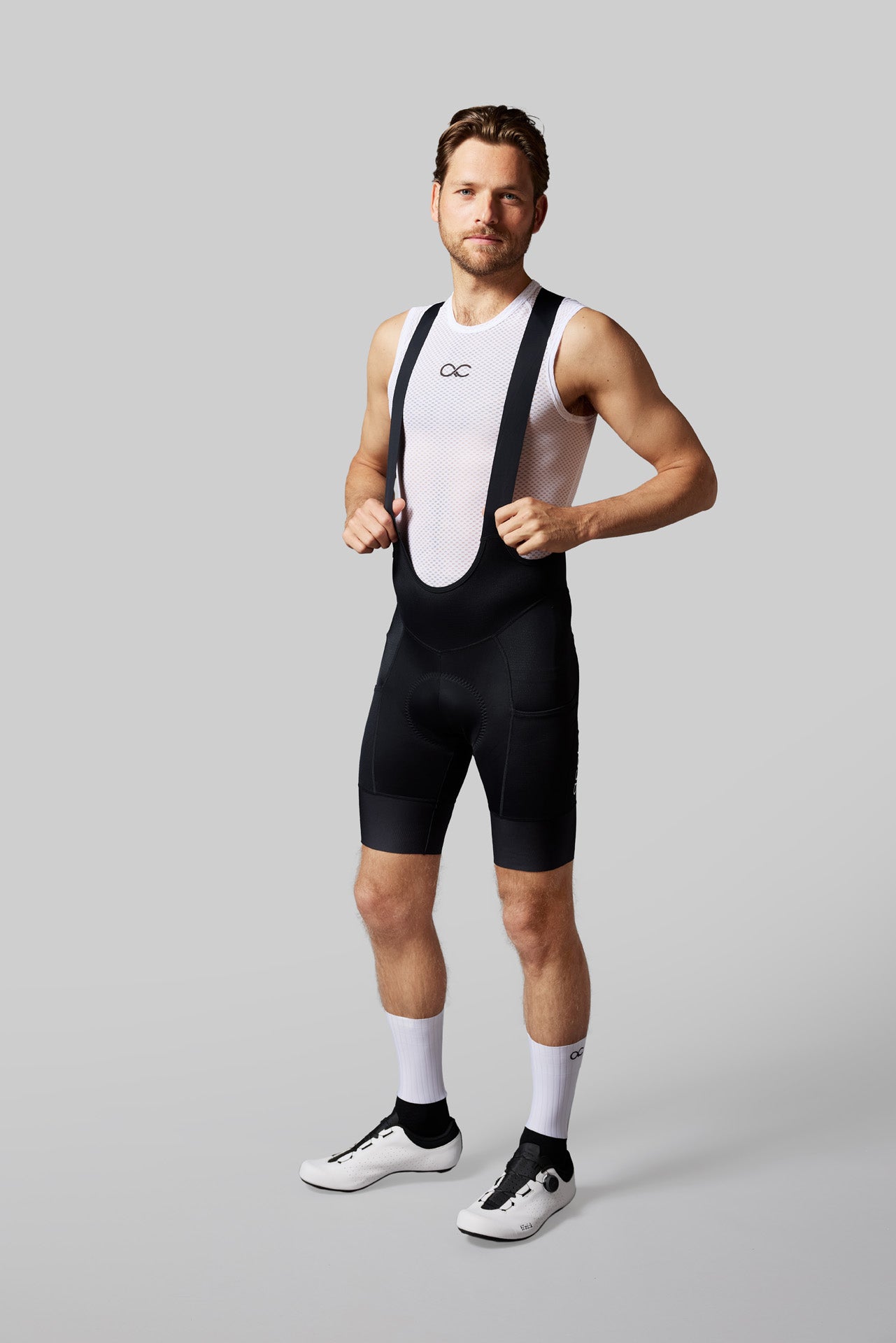
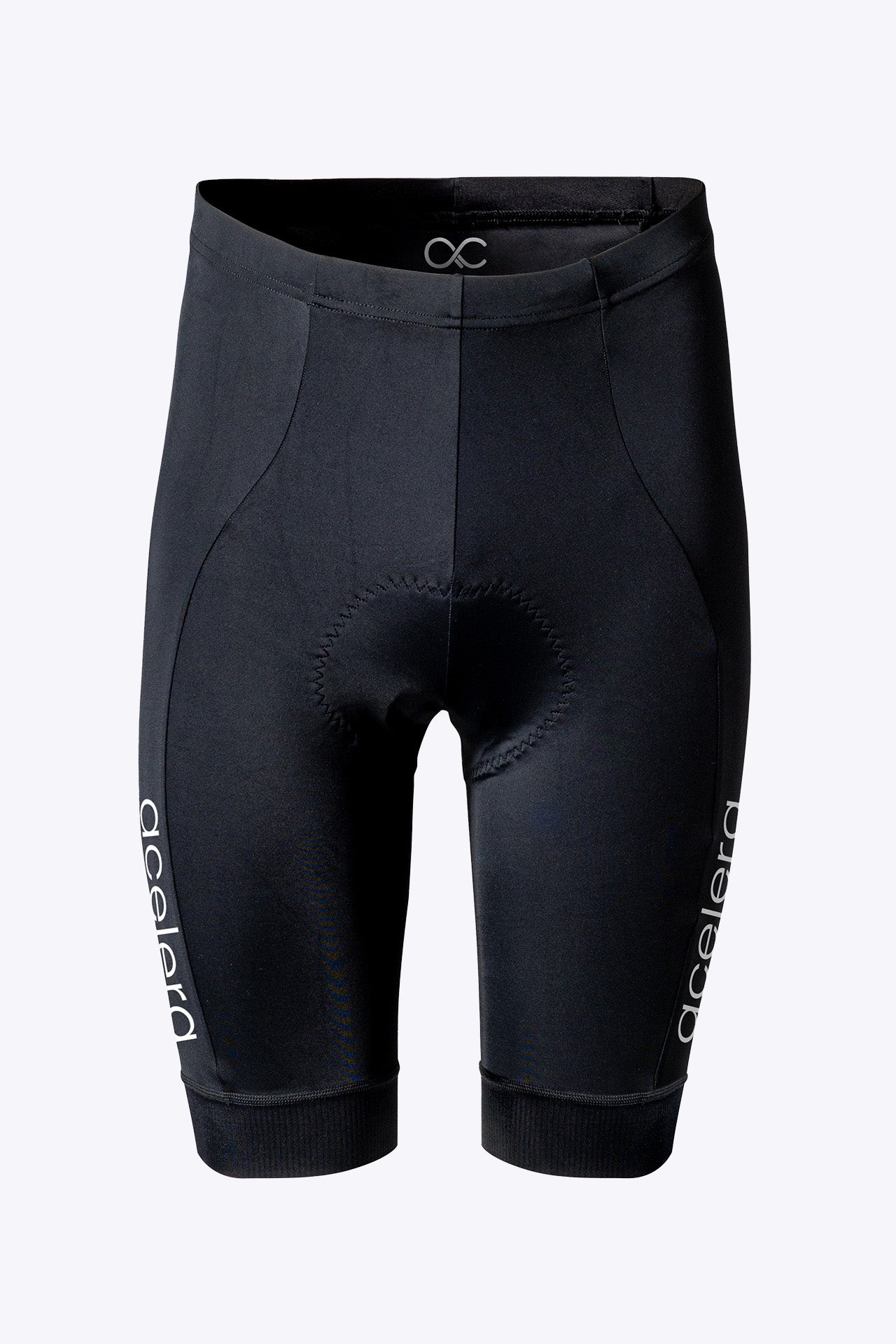
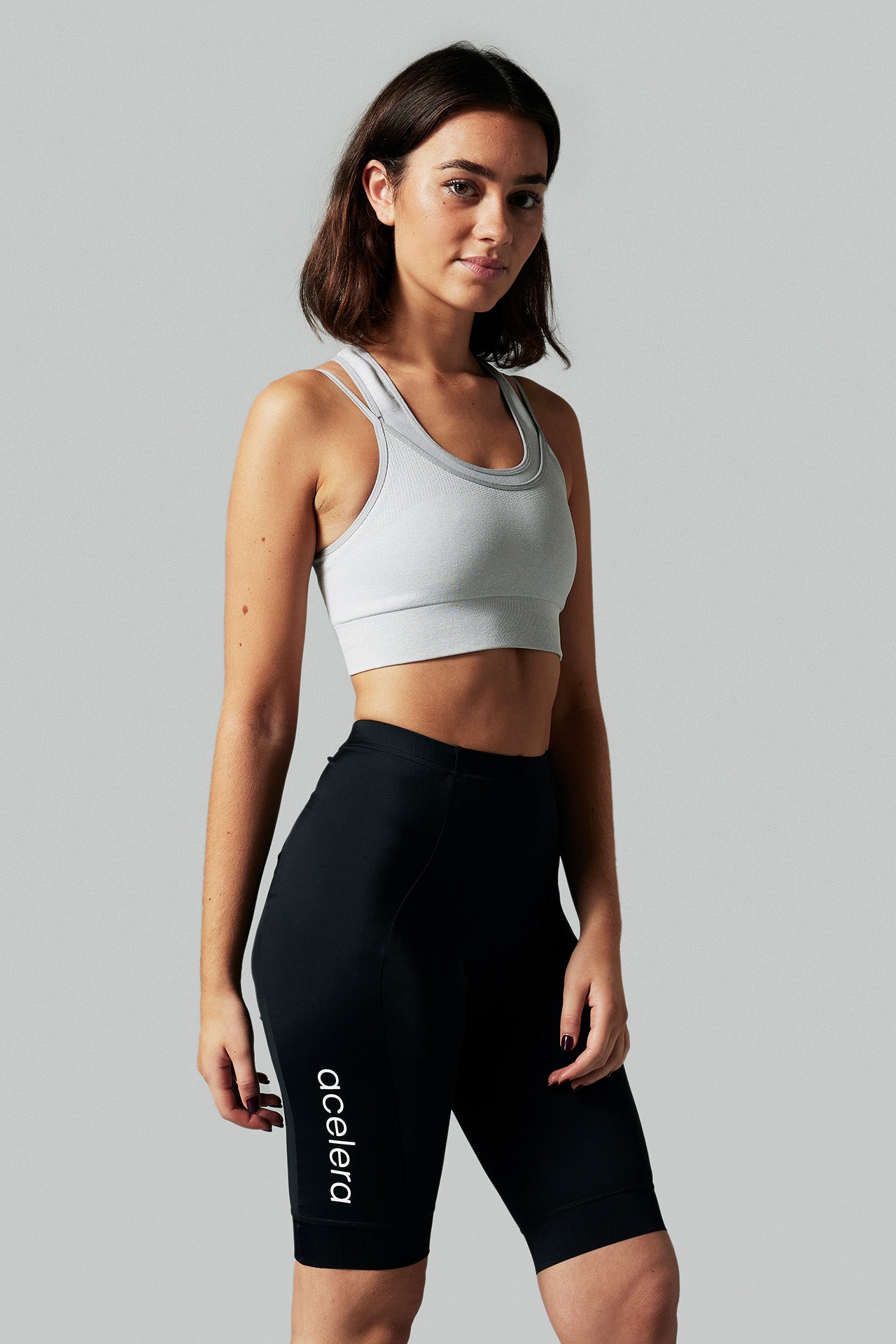
- Bib shorts with a quality chamois. On the road you shift, stand on climbs and freewheel. Indoors you sit and pedal continuously, which puts more sustained pressure on your contact points. A well-fitting pair of men's or women's bib shorts with a chamois built for long hours makes a real difference. Want to know what makes a chamois work? We explain it in five facts about your chamois pad.
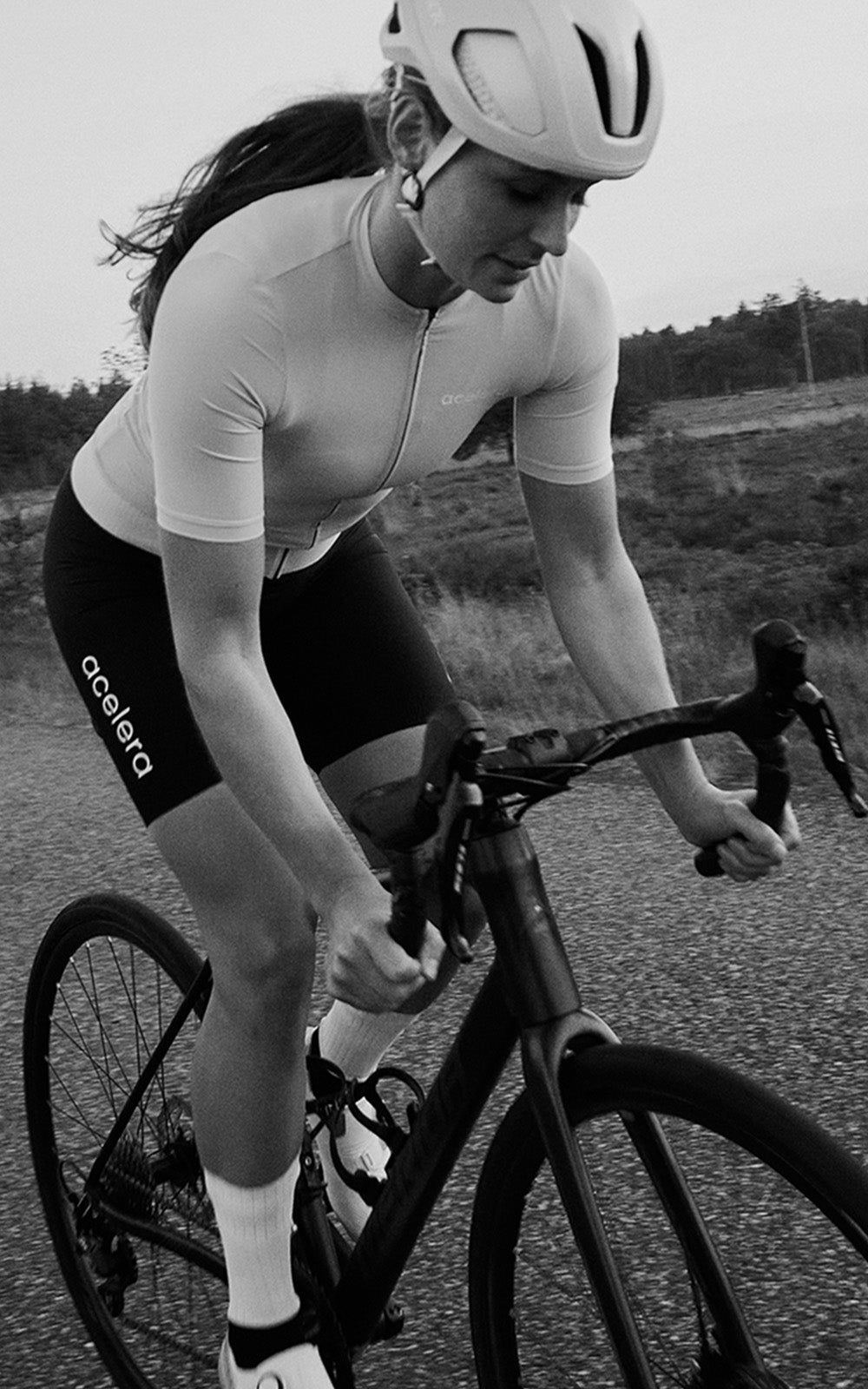
- A lightweight, breathable top. Skip the winter layers. A light short-sleeve jersey (women's) in a fast-wicking fabric, or just a thin base layer (women's), moves sweat away from your skin so the fan can actually cool you. Your summer kit is the right kit indoors.
Small extras that help:
- A sweatband or cap to keep sweat out of your eyes.
- A towel within reach.
- Your normal cycling shoes, so your cleat position matches your outdoor riding.
One rule: change out of your bib shorts straight after the session. Sitting around in sweaty kit is the fastest route to saddle sores. Rinse or wash your kit after every ride and follow the care instructions.
Combining indoor and outdoor rides in winter
The smartest winter plan isn't indoor or outdoor. It's both combined for maximum enjoyment.
-
Indoors (midweek): short, focused sessions. Intervals, threshold work, or a controlled endurance ride when it's dark after work.
-
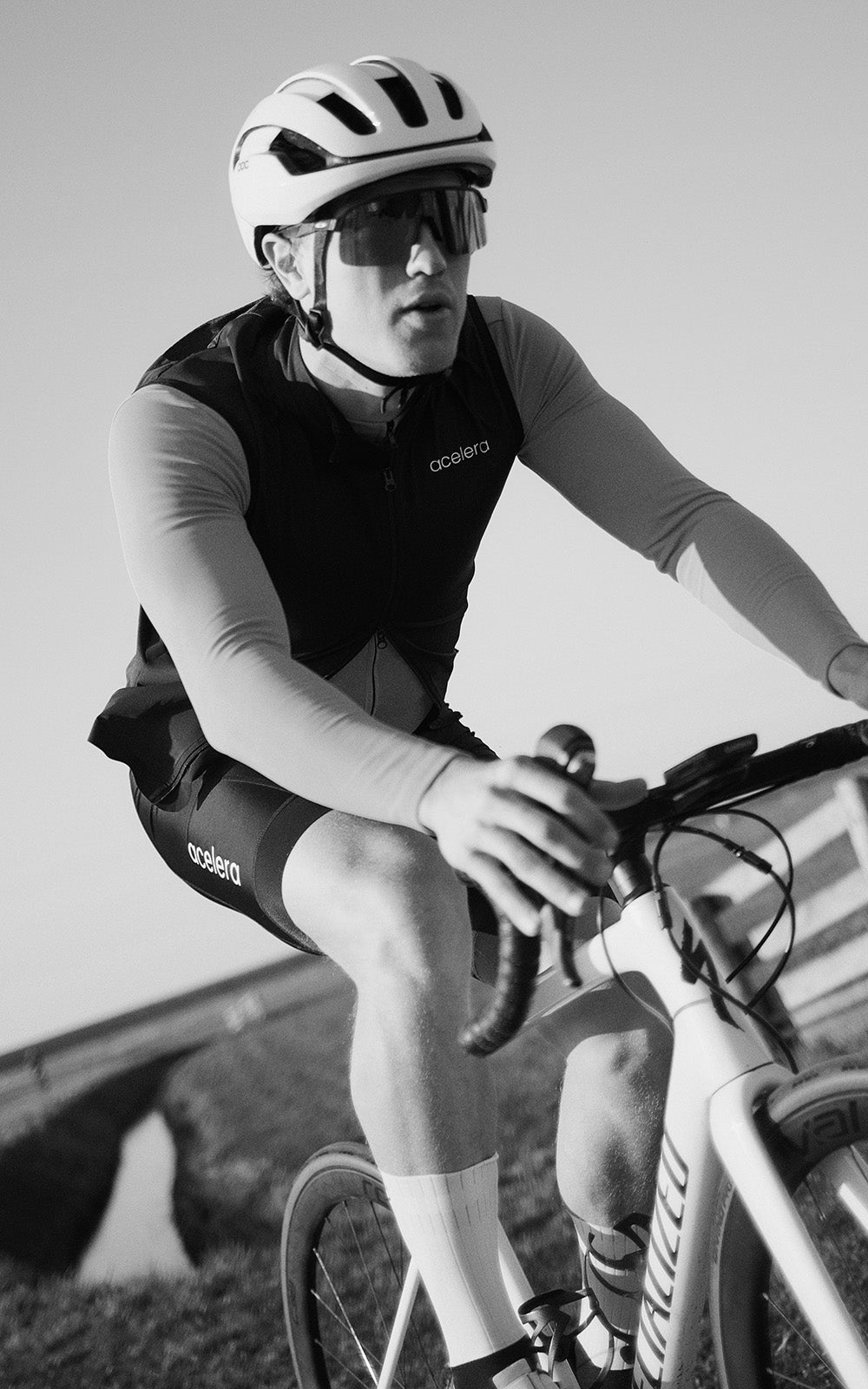
Outdoors (weekend): the longer, easier ride in daylight. It keeps your bike handling sharp, gets you outside, and makes winter feel less like a waiting room for spring.
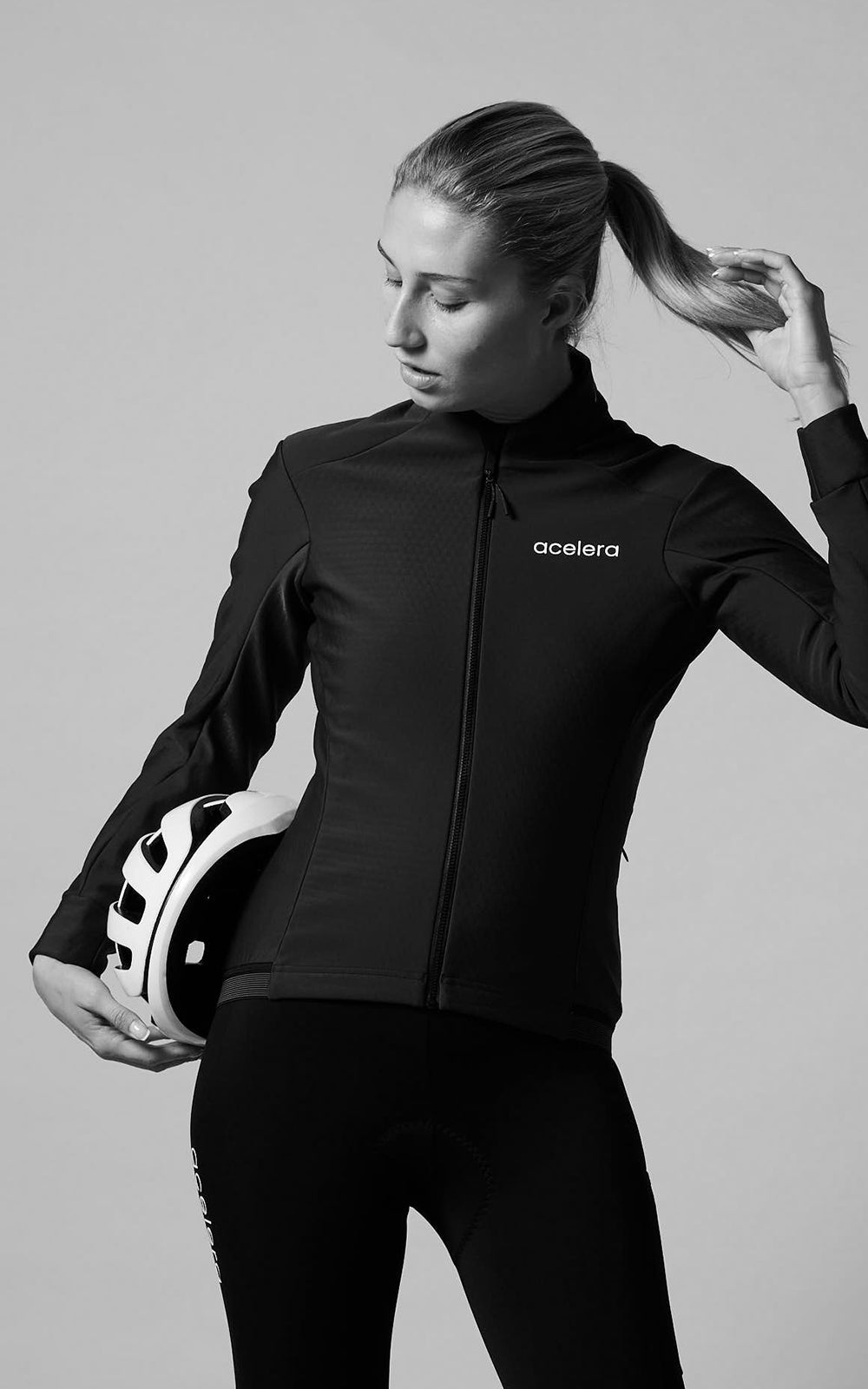
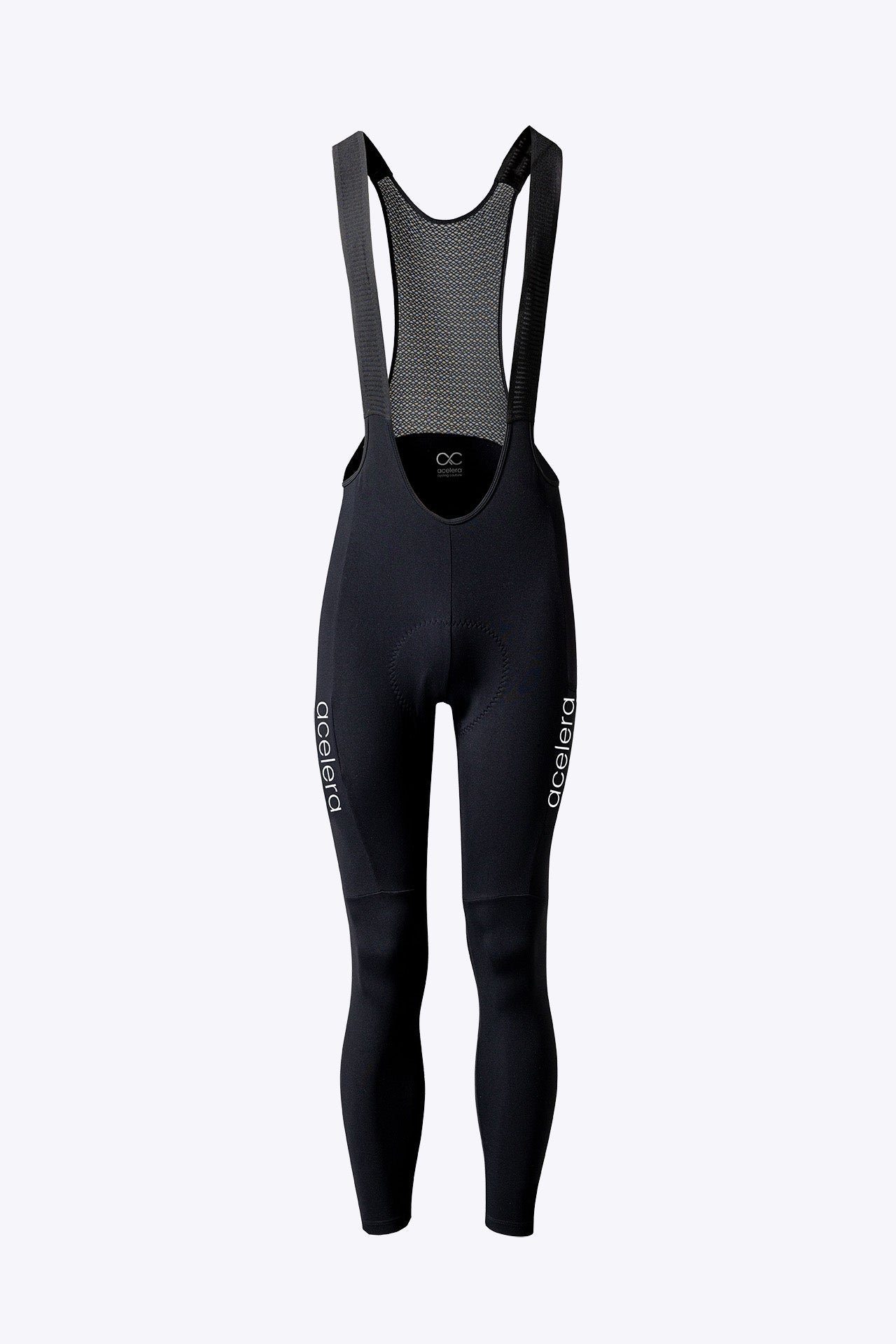
On cold days, layer up properly so the outdoor ride stays enjoyable: a base layer, a long-sleeve jersey (women's) and a winter jacket (women's) for the coldest mornings, or a packable windstopper (women's) when it's crisp but dry.
Frequently asked questions about winter indoor cycling
What do I need for an indoor cycling setup?
The basics are your bike, a trainer, a fan, a mat and a towel. A smart trainer and a training app make sessions more structured and more motivating, but they're upgrades, not requirements.
What's the difference between a turbo trainer and a smart trainer?
A basic turbo trainer gives fixed or manually set resistance and doesn't connect to apps. A smart trainer measures your power, connects to apps like Zwift or TrainerRoad, and adjusts resistance automatically to match the workout or virtual terrain.
How much space do I need for indoor cycling?
Roughly the length of your bike plus a little room on each side, about 2 × 1 metres for most setups. Leave space in front for a fan and make sure the floor is flat and stable.
What should I wear for indoor cycling?
Wear bib shorts with a good chamois and a light, breathable jersey or base layer. Think summer kit: the goal is to move sweat away from your skin, not to stay warm.
Is indoor cycling as effective as riding outside?
For building fitness, yes: indoors you pedal continuously at a controlled intensity, which makes structured training very efficient. What it doesn't train is bike handling, balance and riding in a group, so mix in outdoor rides when you can.

Leave a comment
This site is protected by hCaptcha and the hCaptcha Privacy Policy and Terms of Service apply.