

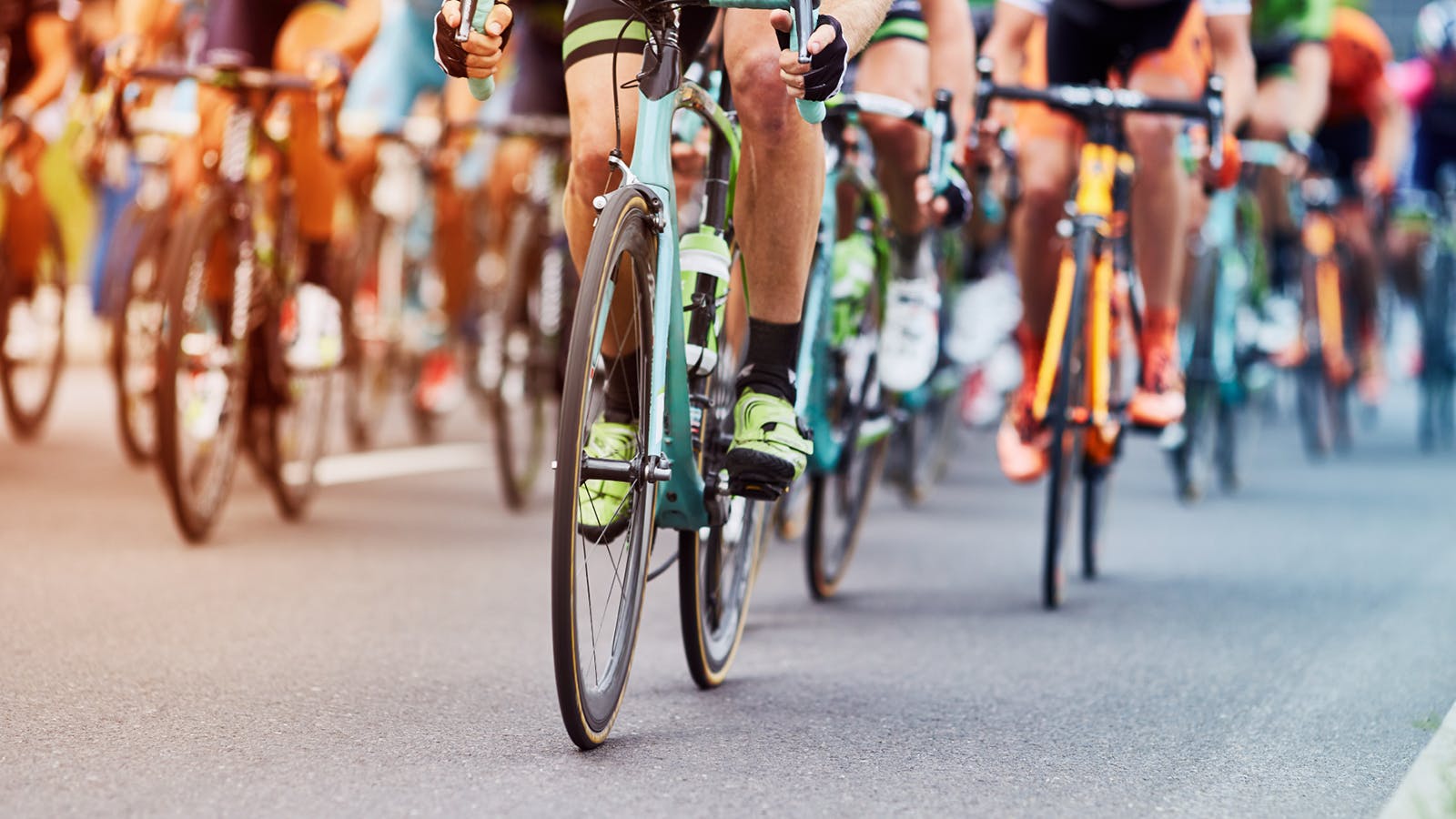
How healthy is road cycling?
Exercise is healthy, everyone knows that. But you might wonder how effective road cycling really is if you want to lose weight, get fitter, or improve your overall health. Comparing yourself to the elite athletes you see on TV makes no sense. Men and women who train for months on end and work closely with coaches and nutritionists. They are incredibly fit, and it shows, but these top-level athletes have the opportunity to dedicate a large part of their lives to cycling. For the average Dutch cycling enthusiast, that’s simply not realistic. So how does it really work, and how effective is road cycling when it comes to improving your health?
Everyone is different and has their own goals when it comes to improving their health. Is your goal to lose weight and do you want to know how many calories you burn while cycling? Then also read our blog: How many calories do you burn cycling?
Health is about much more than just burning calories, though. road cycling helps build both cardio fitness and muscle throughout your body, and exercise also improves blood circulation. And of course, getting some fresh air is a nice bonus too.

Which muscles do you train with cycling?
In short: your whole body is involved when you’re road cycling. If you’re looking for a quick answer, here’s the overview; the most active muscle groups you train with road cycling are your calves, upper legs, glutes, core, back, shoulders, and arms. We’ll explain a bit more about how exactly these muscles are activated while cycling.
Cyclists often have impressive calves, and for good reason. You use your calves continuously while cycling to push the pedals down, and if you get out of the saddle from time to time, you’ll notice even more load on your calves. So if you want to pedal faster, it’s a good idea to train your calf muscles properly.
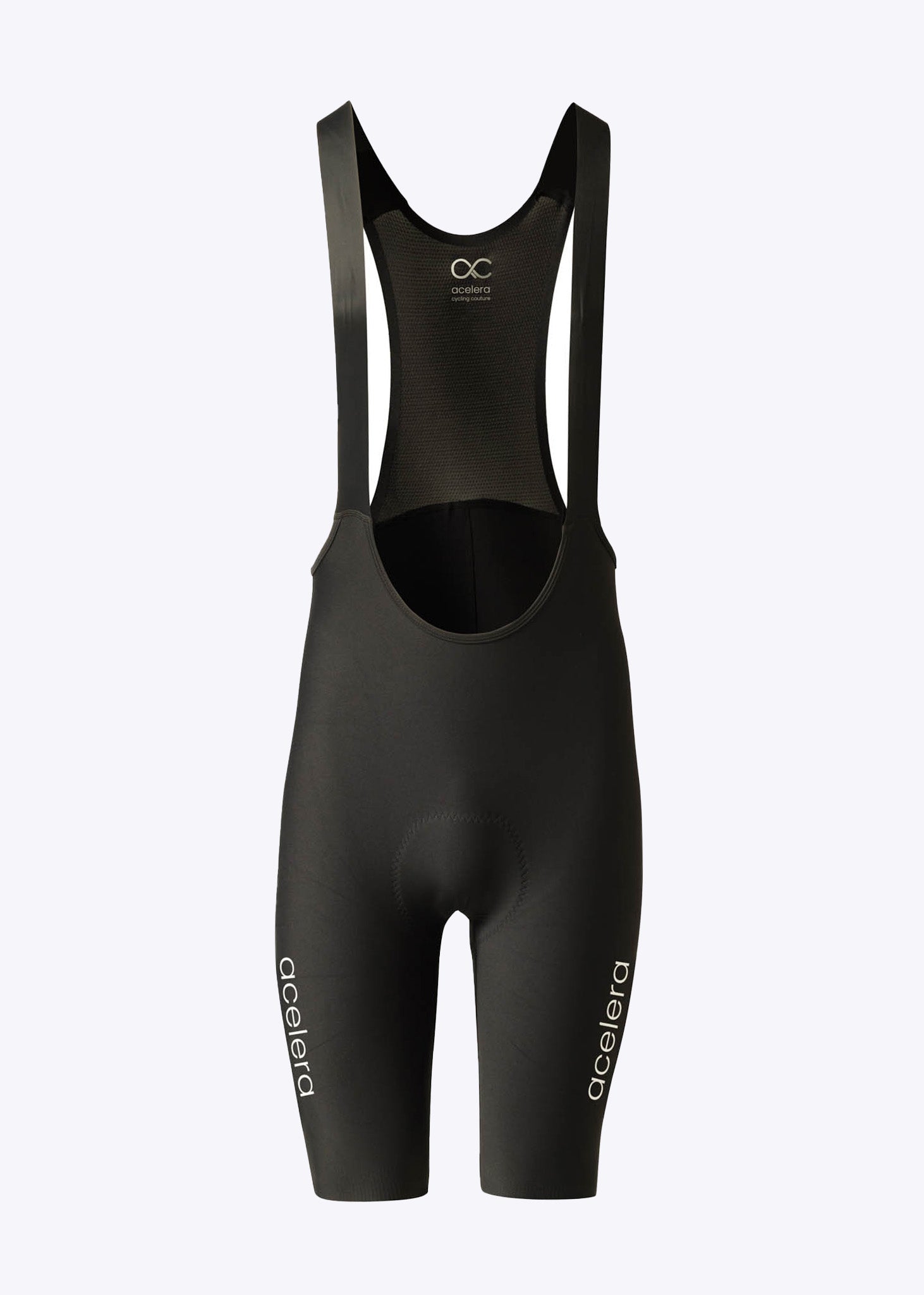
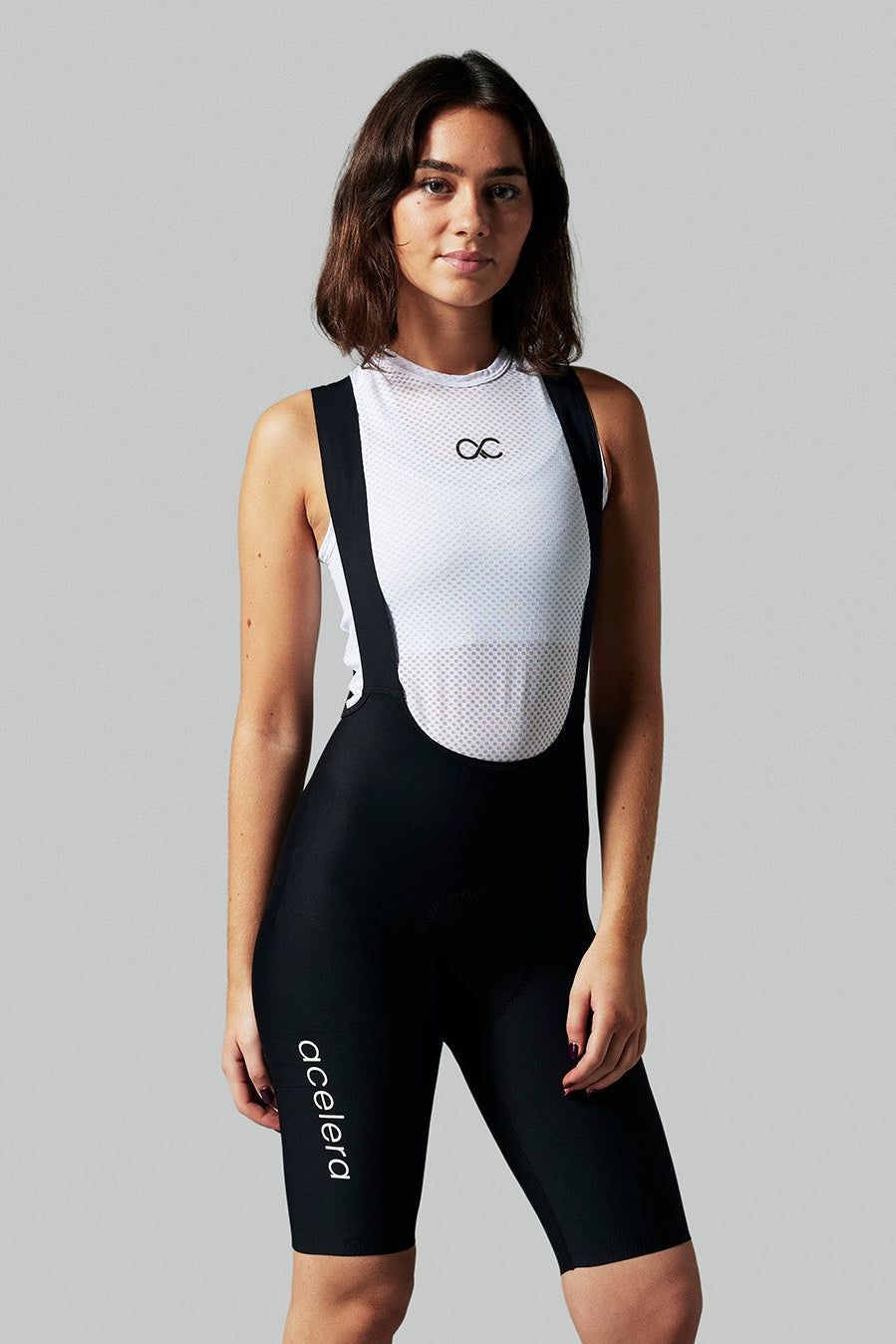
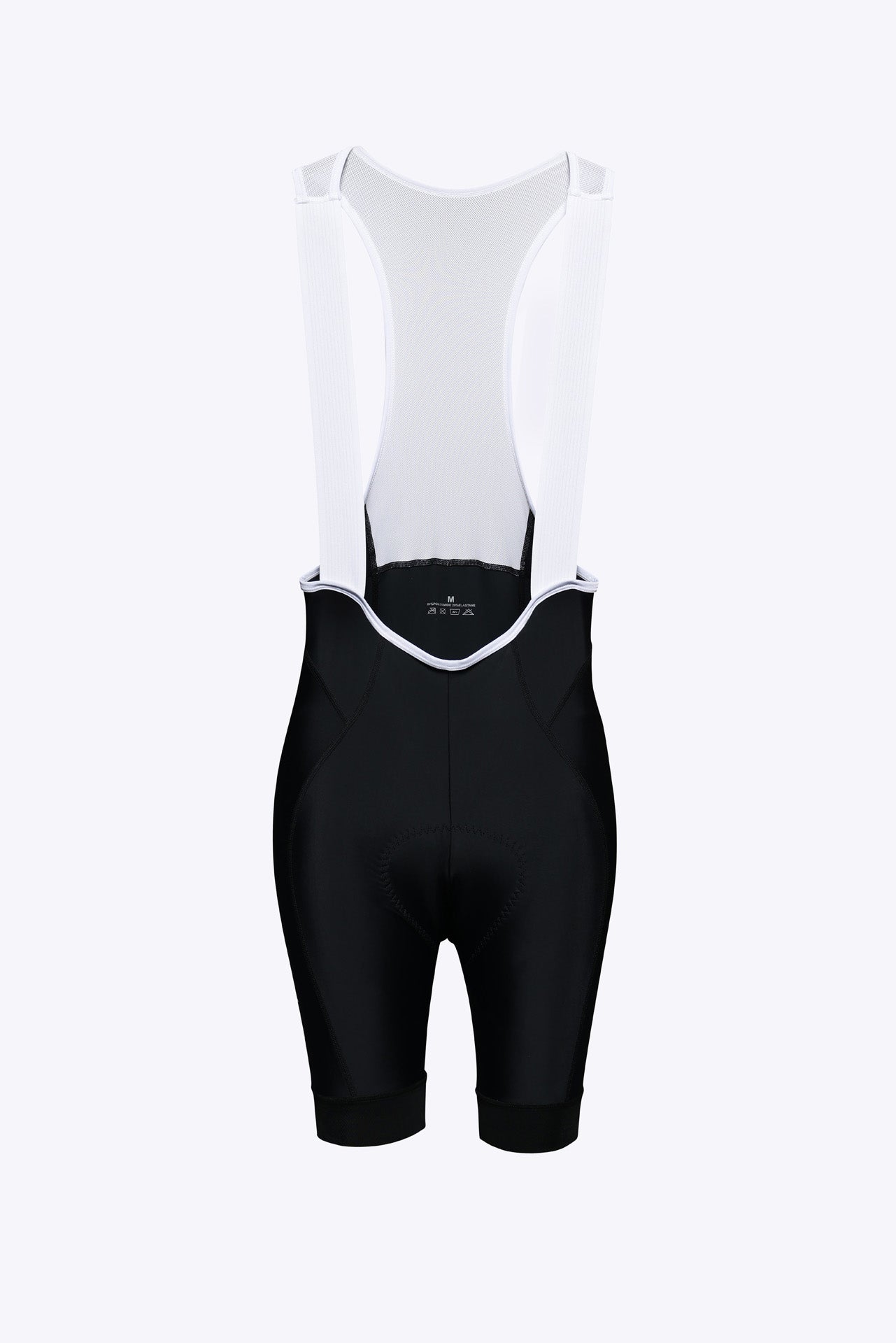
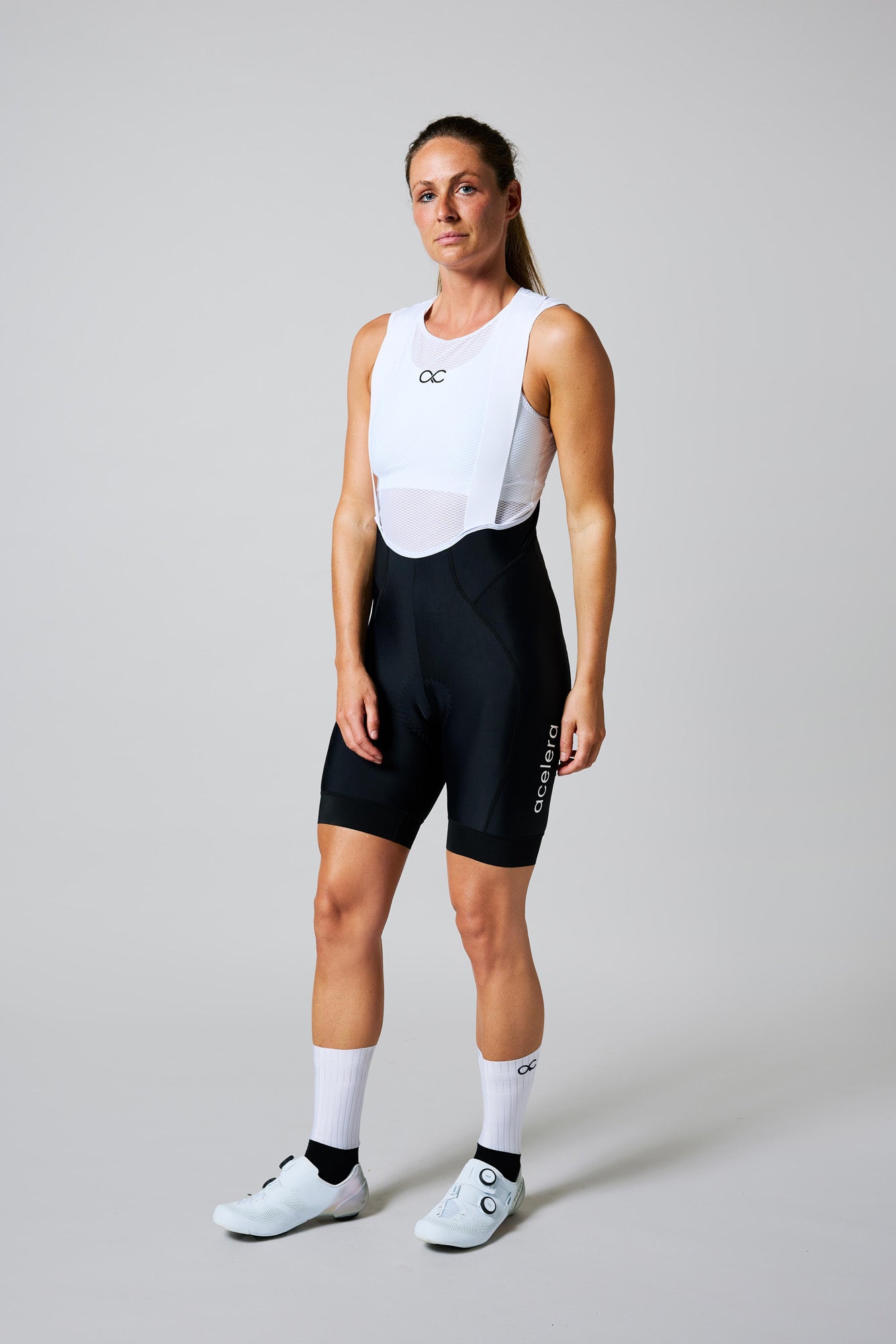
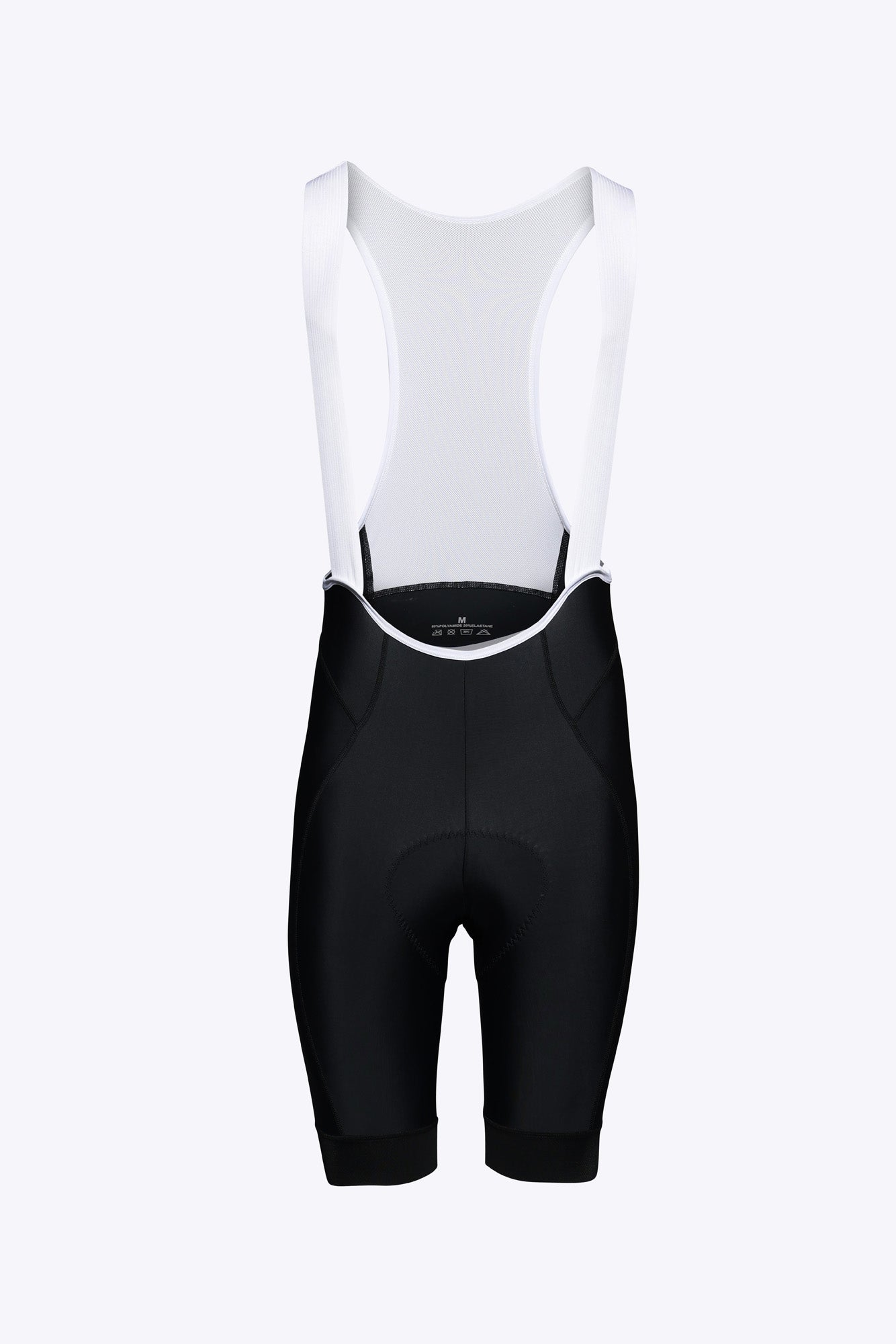
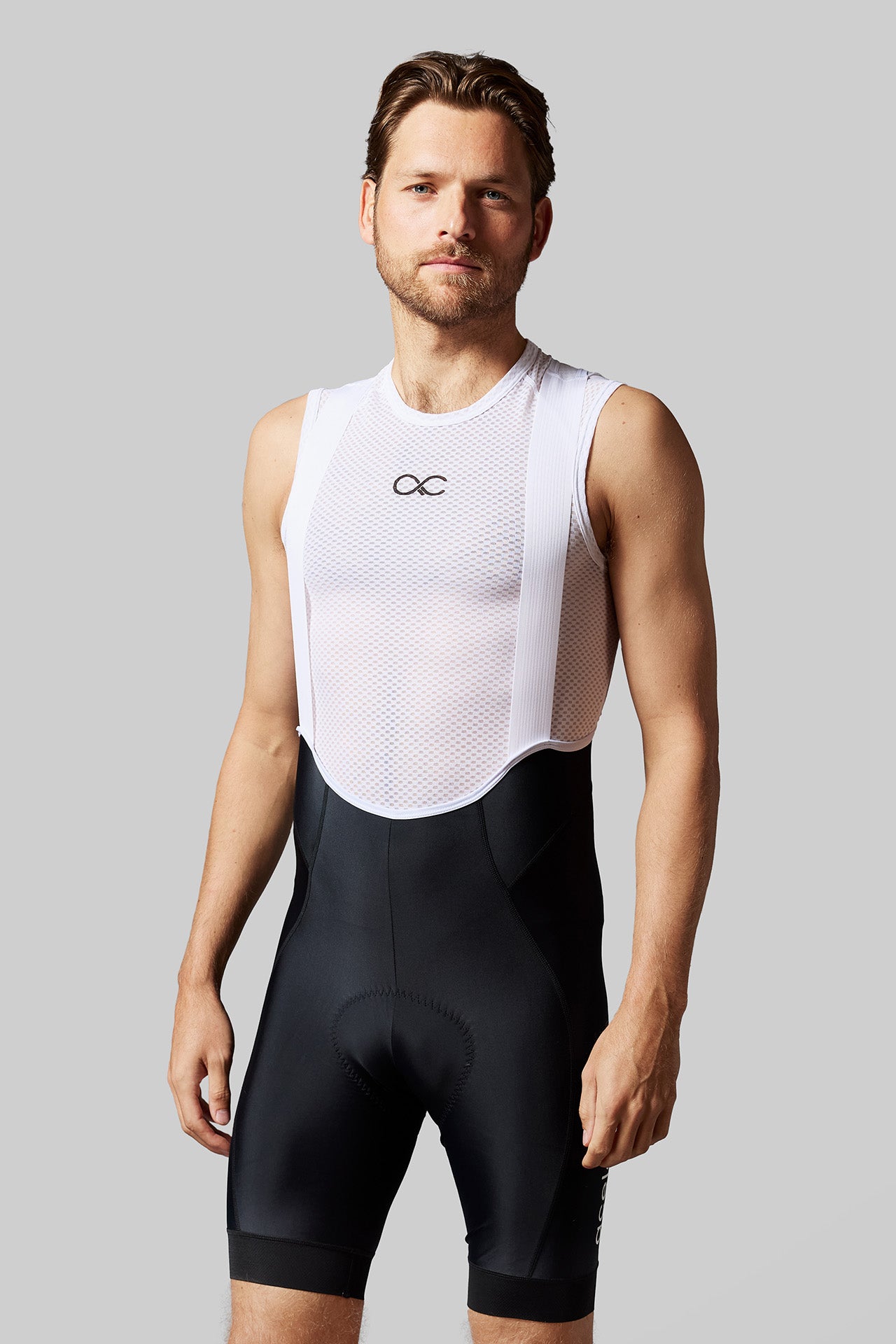
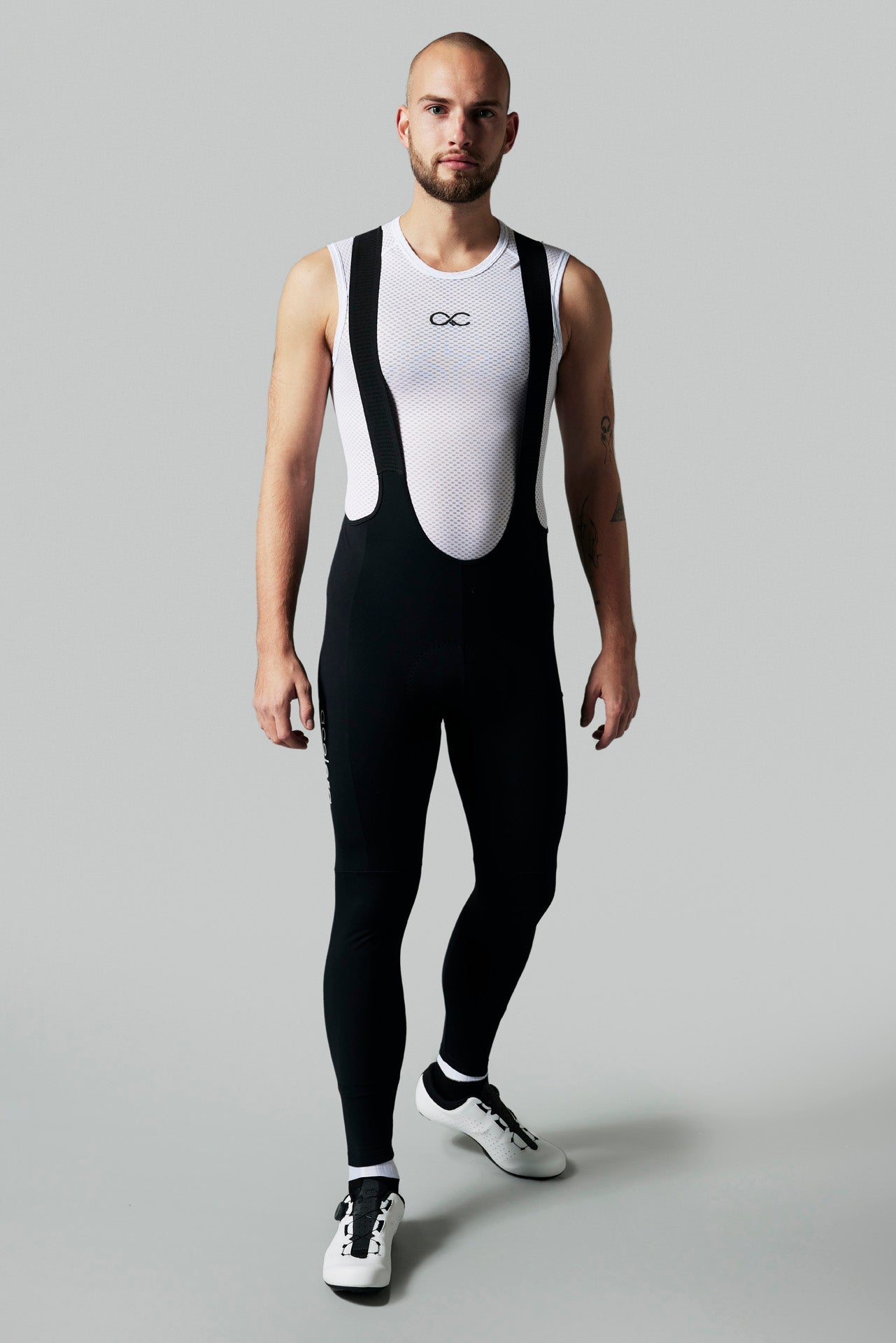
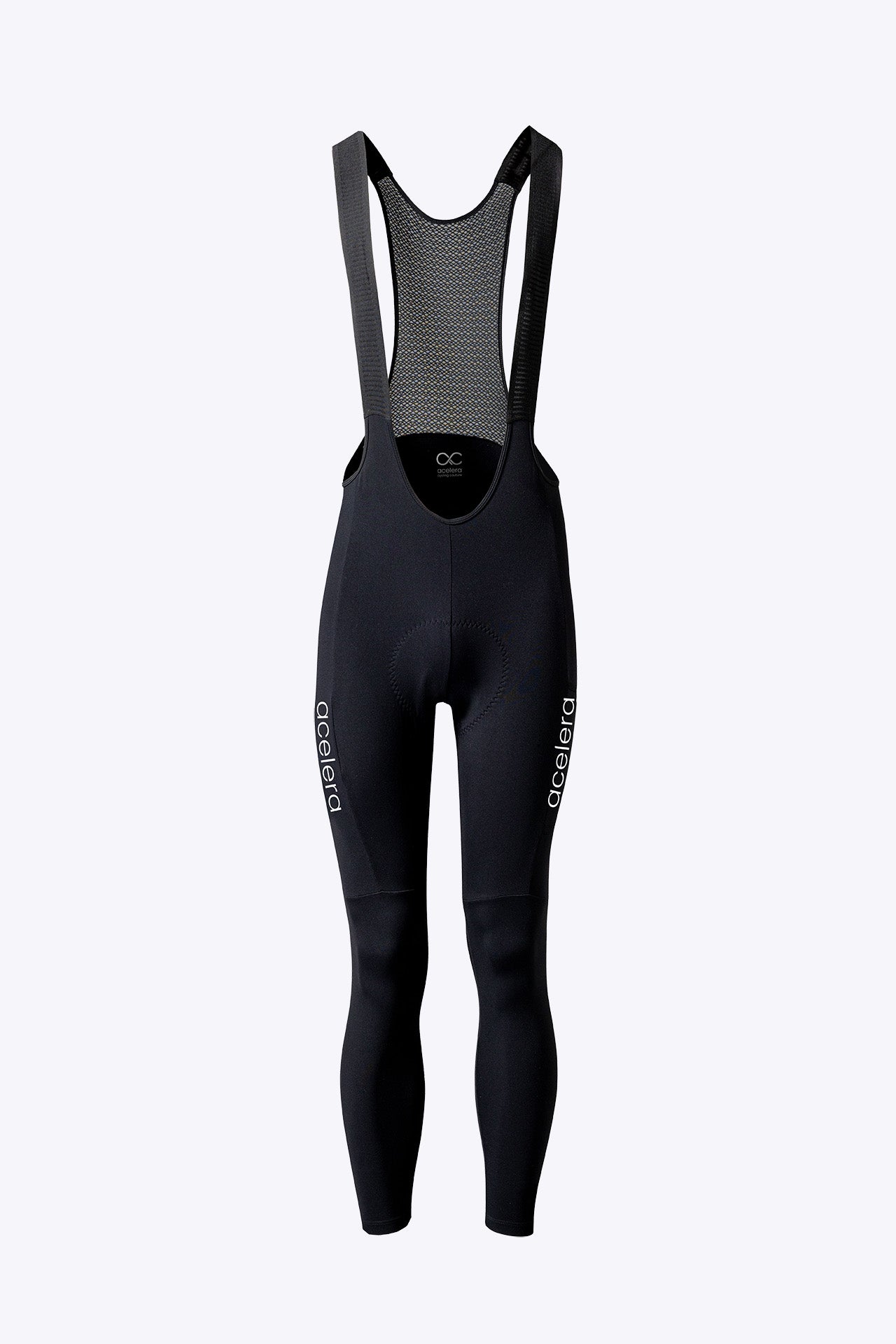
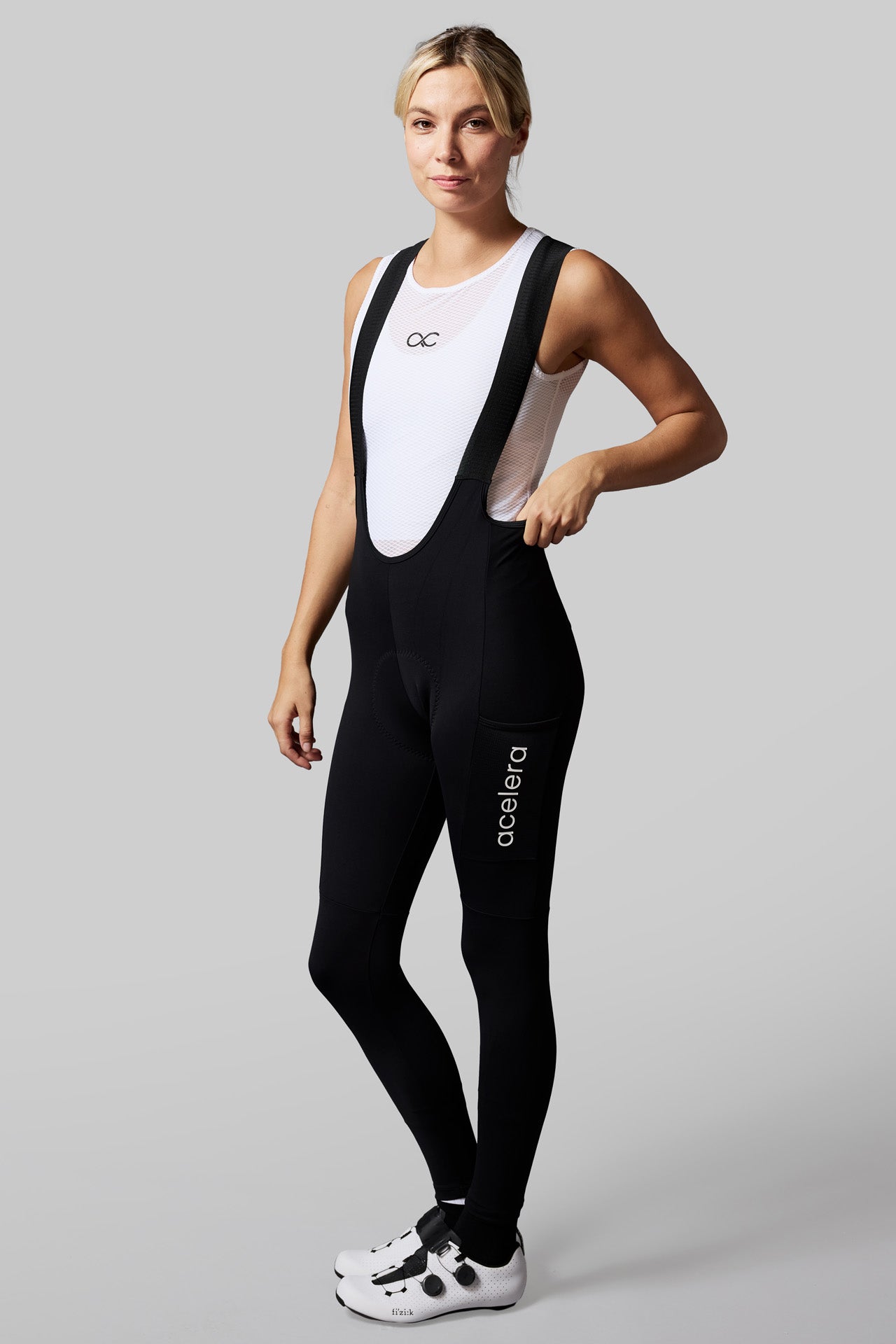
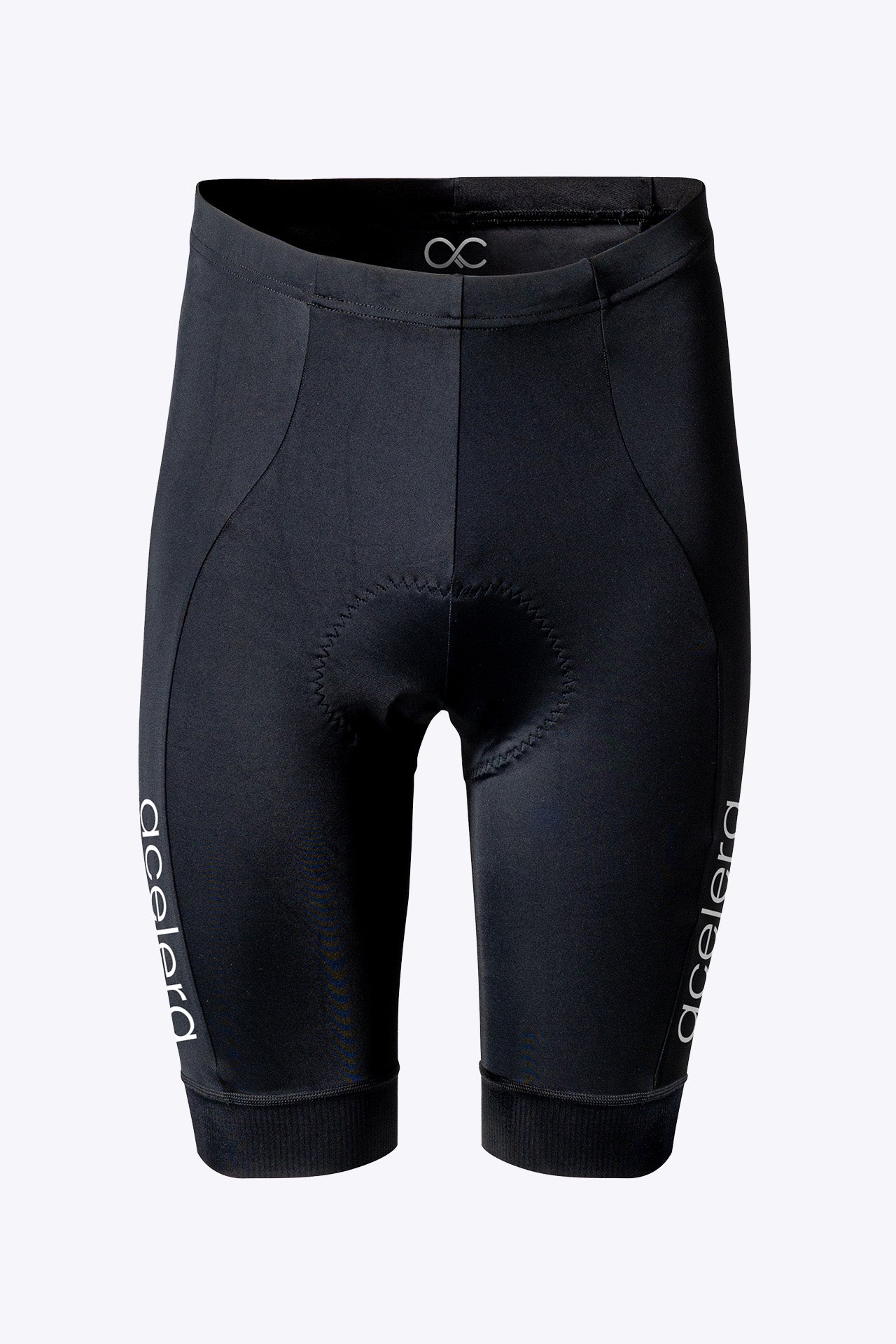
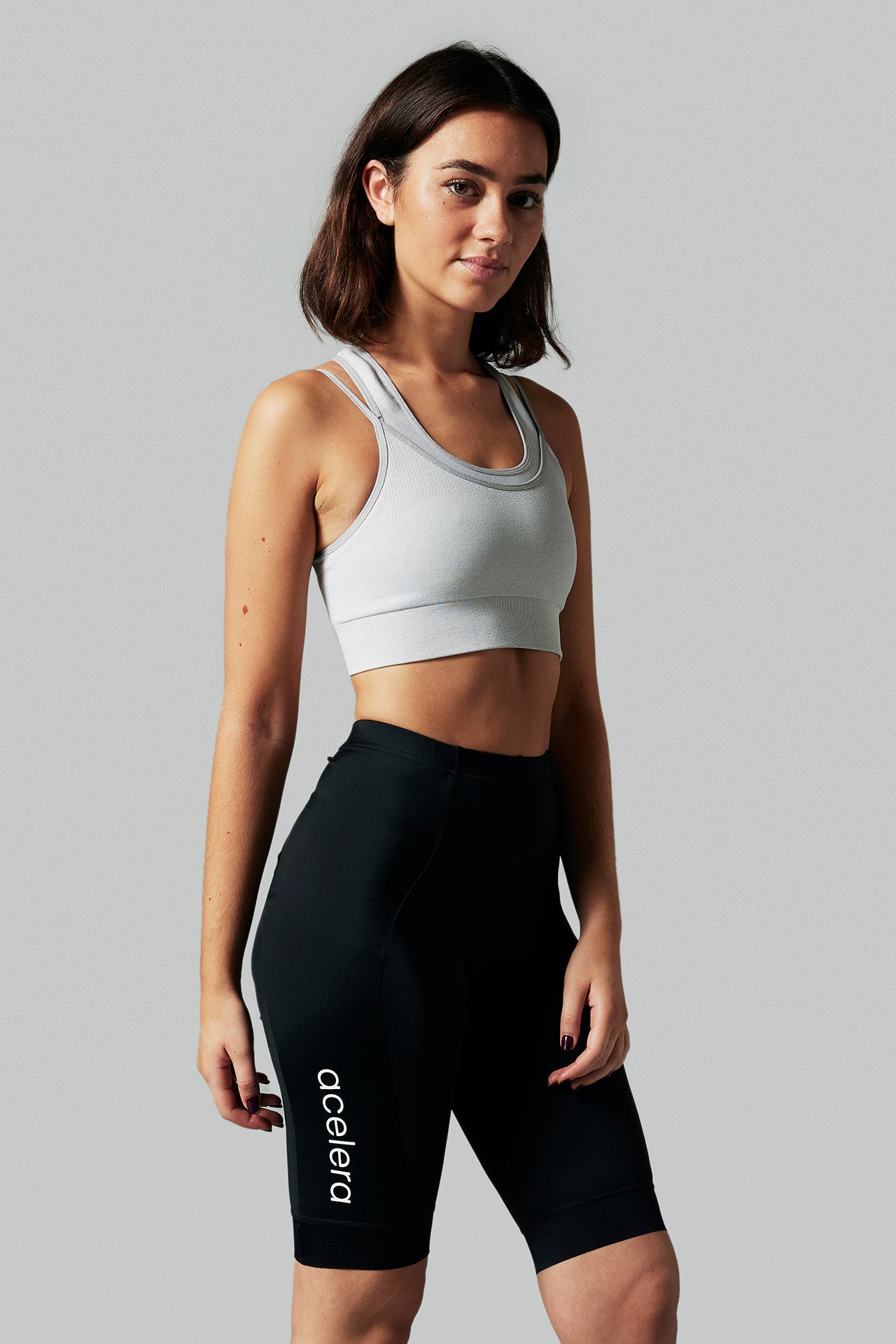
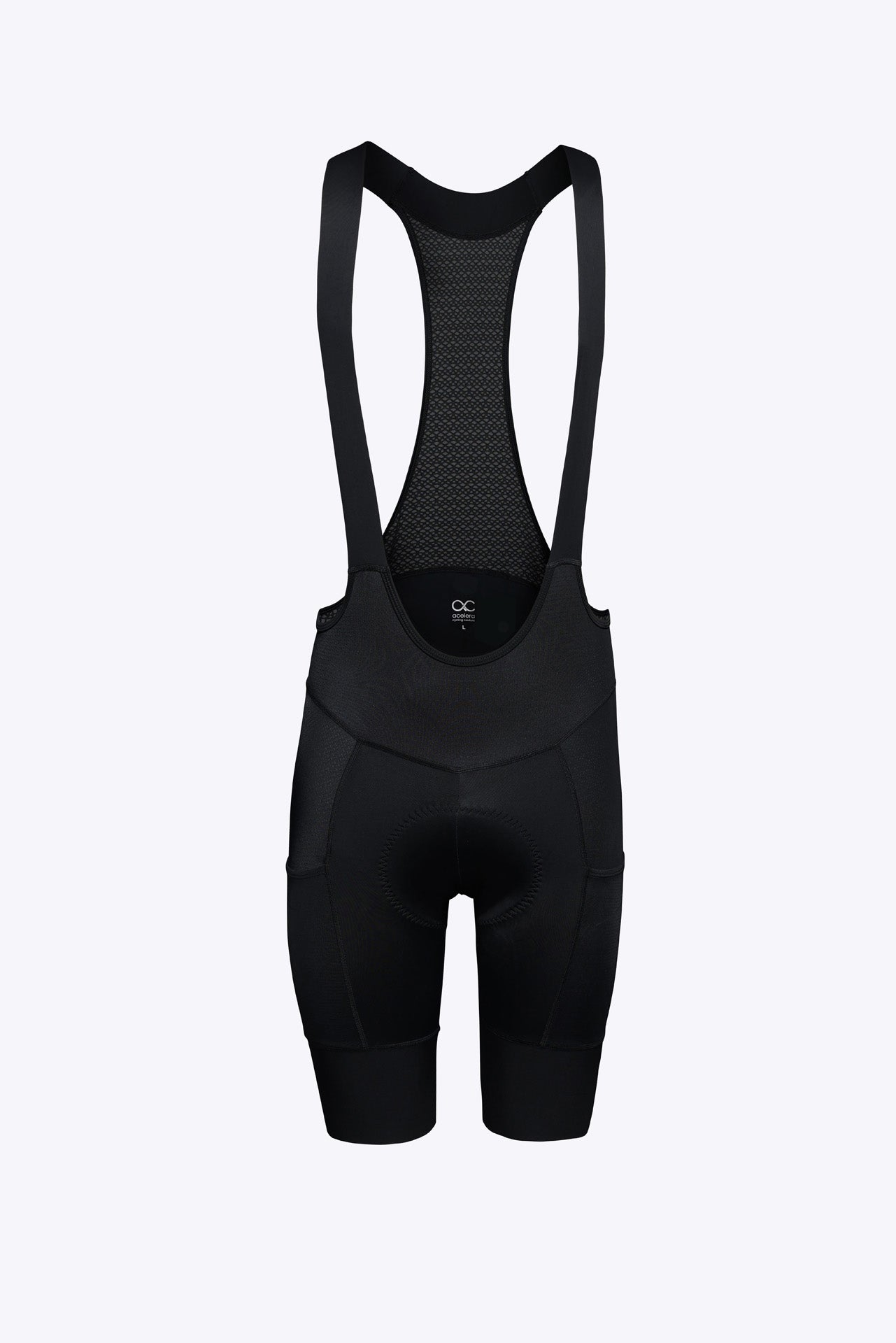
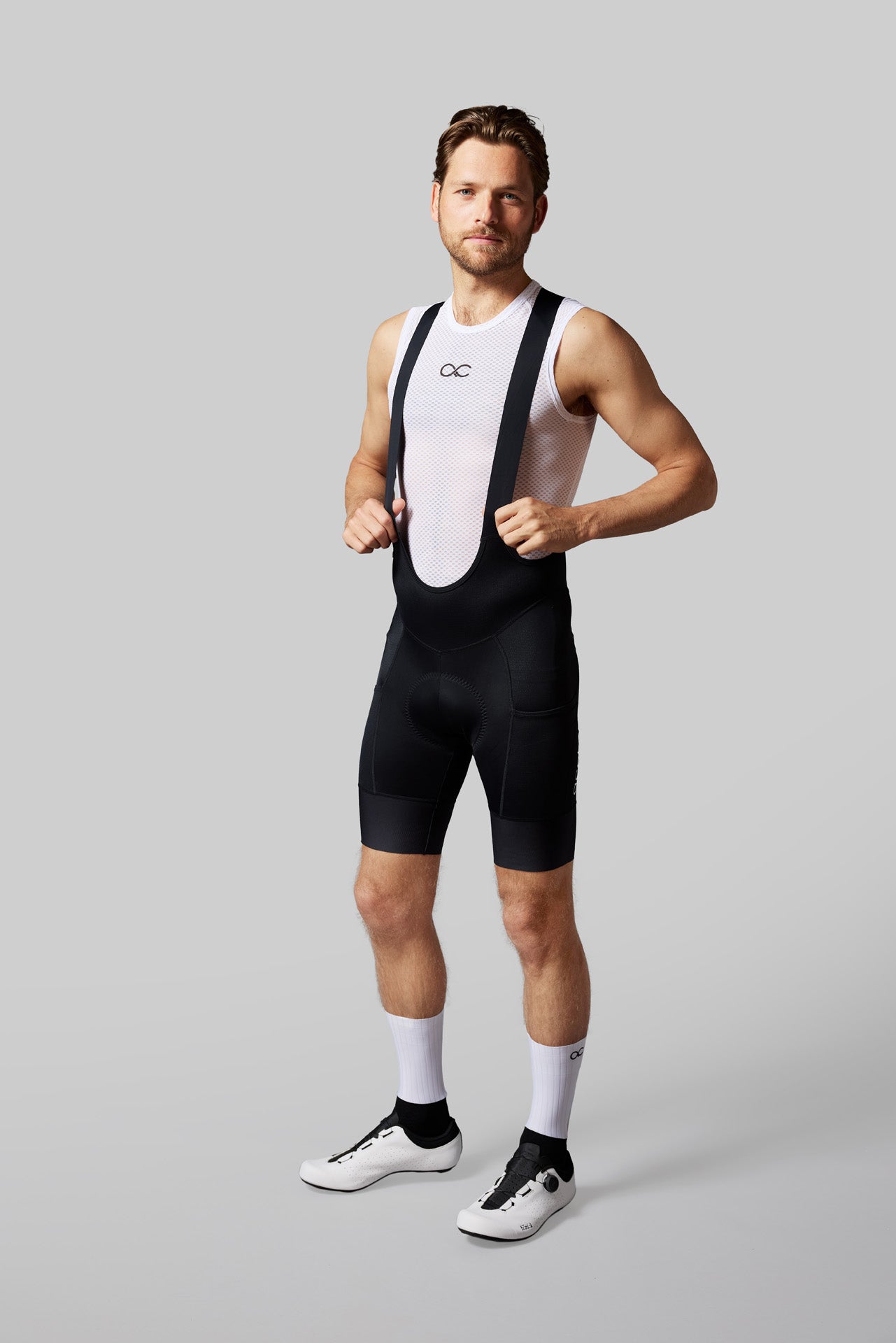
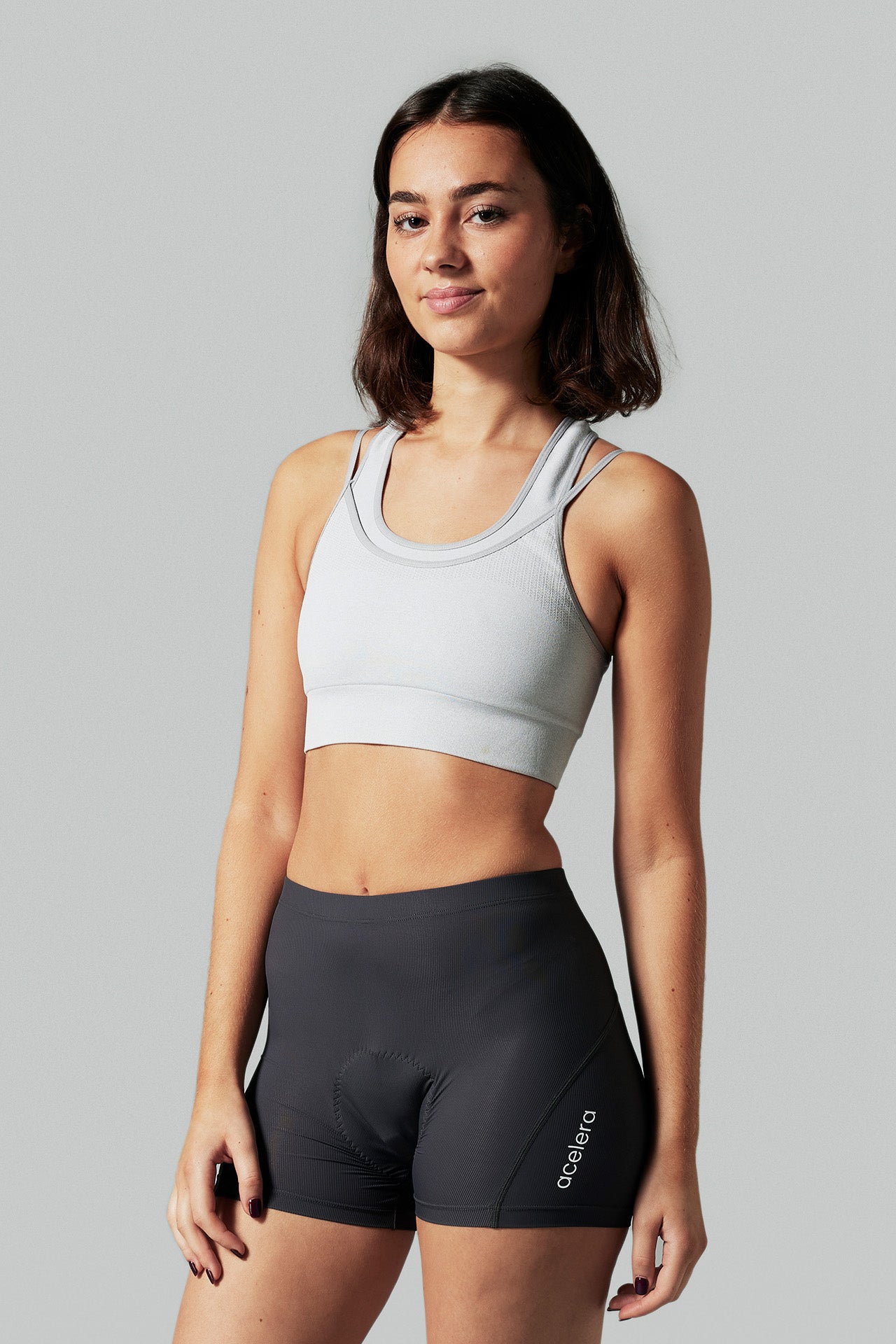
Your calves work hard to press the pedals down. But they’re not doing it alone, as your upper legs and glutes also play an important role. In your upper legs, you mainly use your hamstrings and thigh muscles. These muscles work together to move your leg up and down. A lot of that power also comes from your glutes. With every pedal stroke, your glute muscles extend and return again. Especially if you spend longer hours on the bike, it’s very important to wear comfortable bib shorts. This helps prevent saddle soreness while riding.
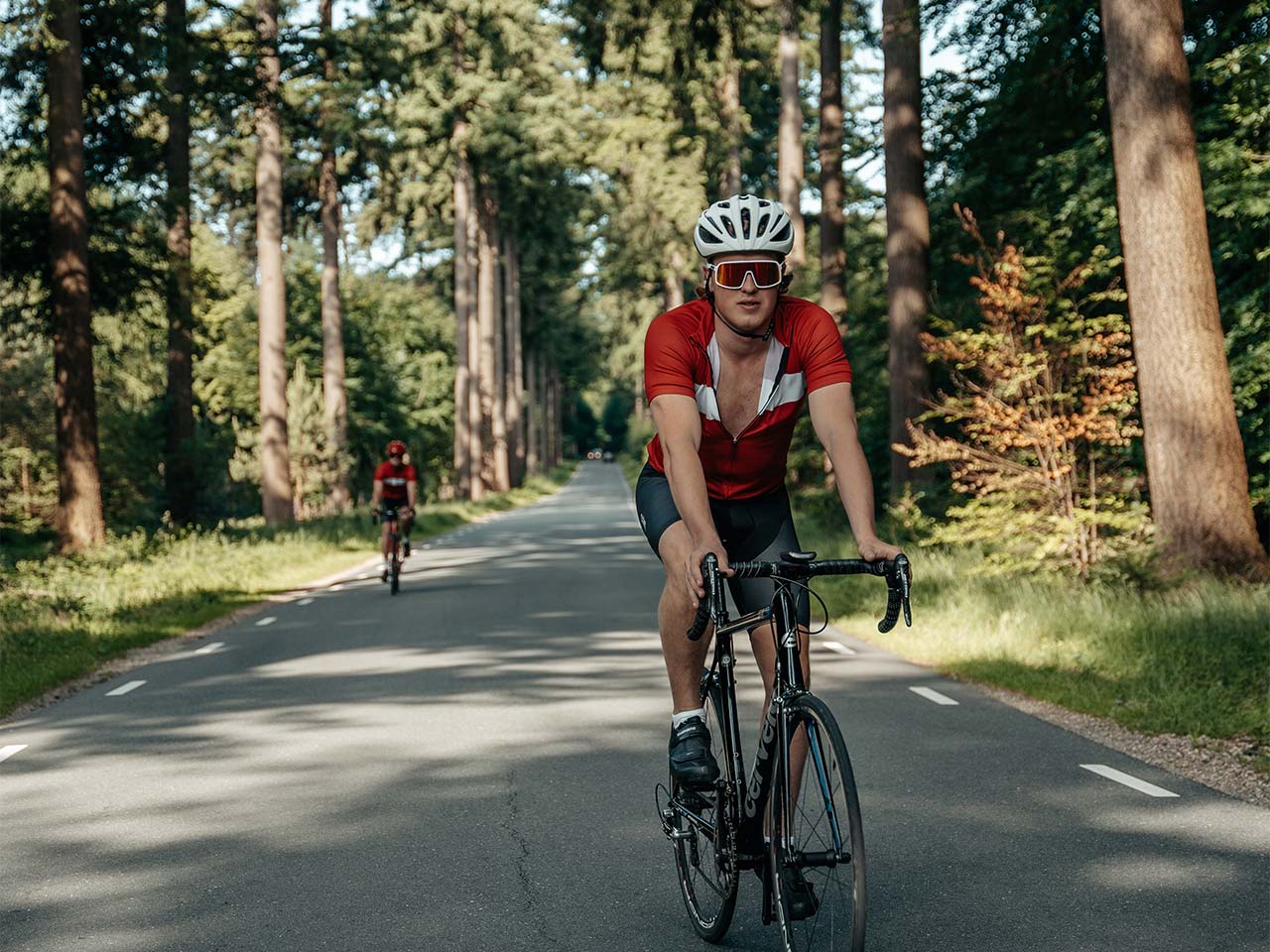
As mentioned earlier, you use your whole body while cycling, not just your lower body. Your core, for example, is also very important. Your core consists of your abs and lower back. When you're on the bike, you engage these muscles for stability and balance. Definitely not something to underestimate on longer rides or when you're taking lots of sharp corners. It's important to have a strong lower back on the bike to help prevent injuries. After all, your riding position naturally involves a slightly rounded back because of the lower handlebars. Precisely because the handlebars are set lower, you also rely heavily on your shoulders and arms. You're leaning forward, which puts a lot of pressure on them. So to ride steadily and steer naturally, you'll need to develop your arms and shoulders as well.
The muscles mentioned earlier are the main ones used during road cycling. However, there are also smaller supporting muscles. Did you know that during road cycling, you also use the muscles in your feet quite a lot? While pedalling, you train both the intrinsic and extrinsic foot muscles. These help you maintain your balance on the bike more easily. You won't need to give them any extra attention, as these muscles develop naturally the more you ride. Although they help with your balance, you don't really need them to set your fastest time. And don't worry about your feet getting bigger from the growth of these muscles, as it's only a small muscle group. So you won't need a wider shoe.

How can I prevent injuries with road cycling?
With all the muscles you use, road cycling is definitely healthy and also an effective way to get fit. Still, as with any sport, there are a few things to keep in mind. Always make sure your bike is set up correctly. This affects the position you take on the bike. On top of that, the most important thing is to listen to your own body. If you do pick up an injury, seek help from a doctor or physiotherapist.
There are definitely things you can do to help prevent injuries. A short warm-up, for example, is always a good idea. It helps warm up the muscles and prevents cramping and overloading your joints. You'll also notice that you ride much more smoothly afterwards. You can choose to stretch your muscles before getting on the bike, but in general you'll warm up enough by taking the first ten to fifteen minutes of the ride easy. If you've got a really demanding ride ahead, it's also good to combine those fifteen minutes of easy riding with a few extra minutes of varying the intensity.
How does exercise help improve blood circulation?
If you cycle regularly, your blood circulation will improve. By actively using your muscles, your heart rate increases and your blood flows faster. This delivers more oxygen to your muscles, helping you keep going for longer. In addition to sending more oxygen to your muscles, your organs also receive more oxygen. This is good for your overall health. Healthy circulation supports cell production and contributes to healthier skin. Blood circulation is therefore extremely important, as it also transports all kinds of nutrients throughout the body.

Leave a comment
This site is protected by hCaptcha and the hCaptcha Privacy Policy and Terms of Service apply.