

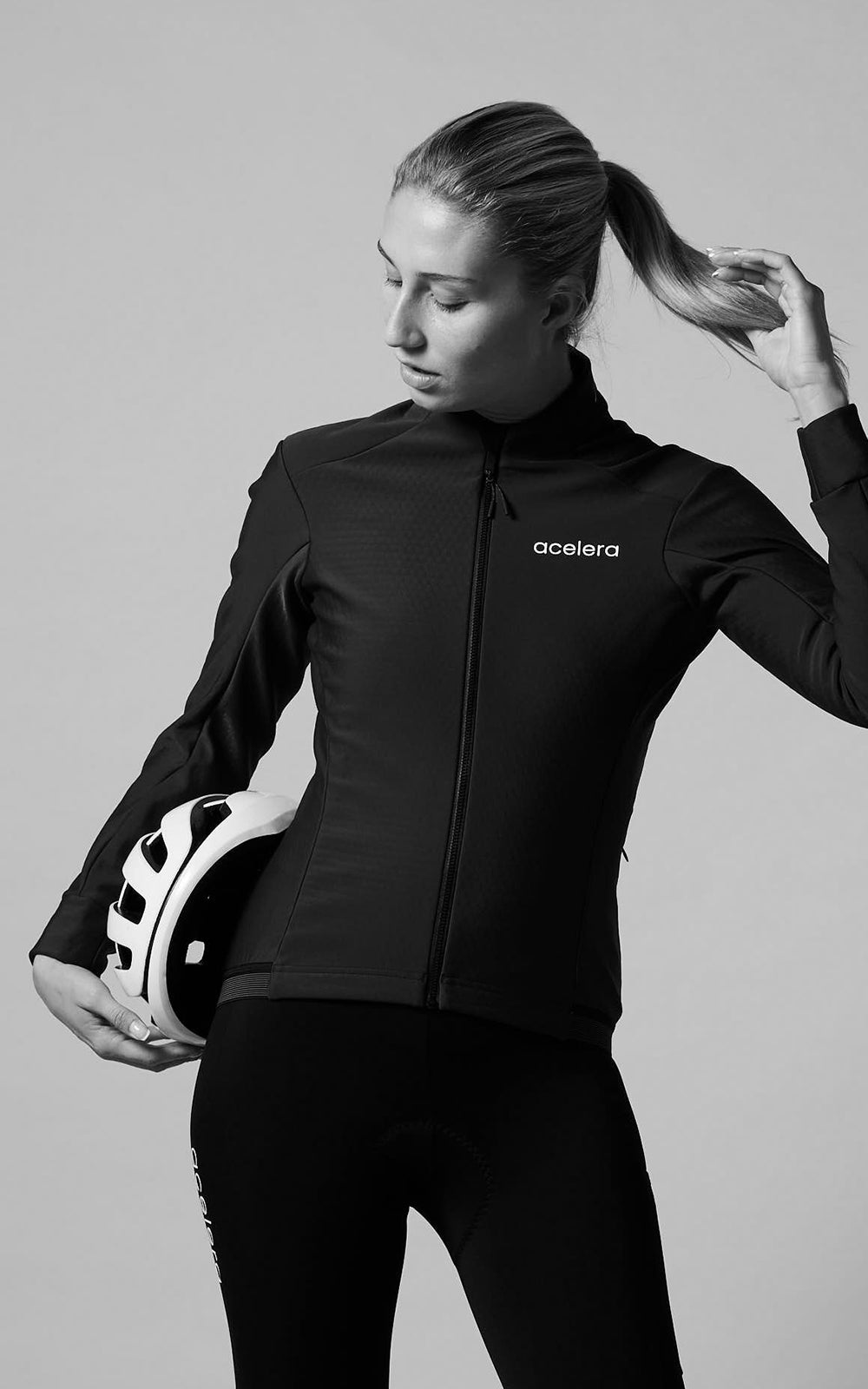
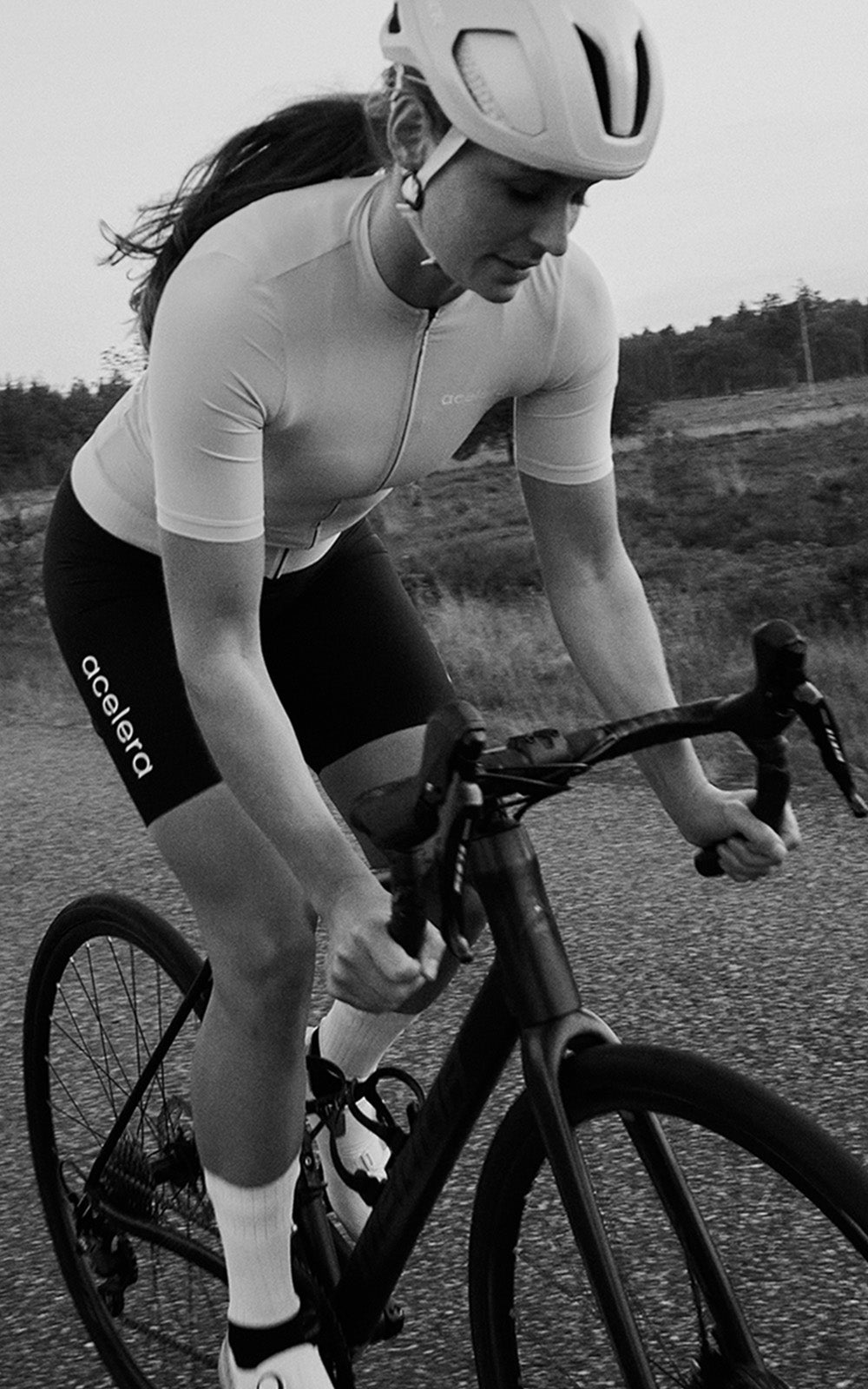
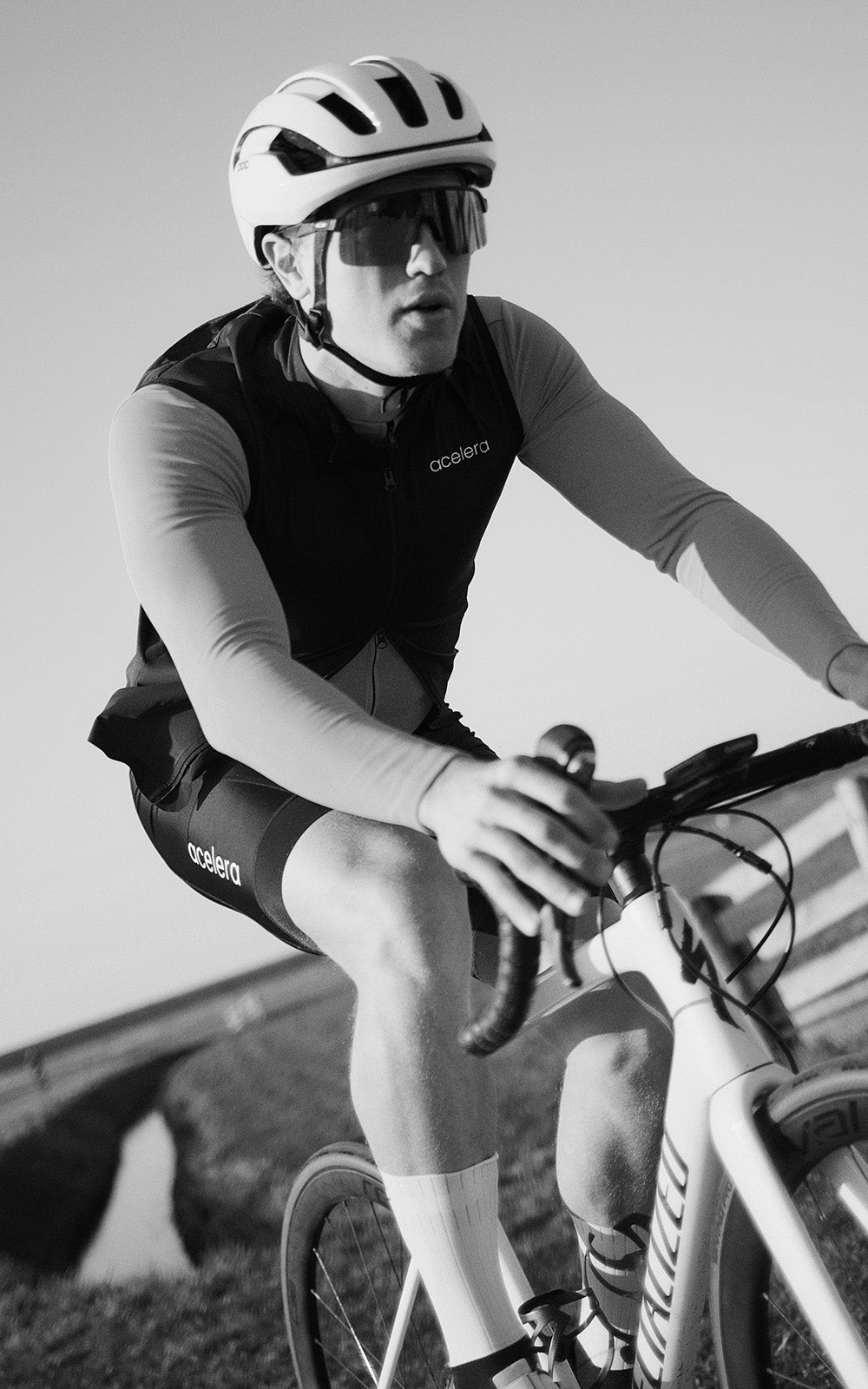
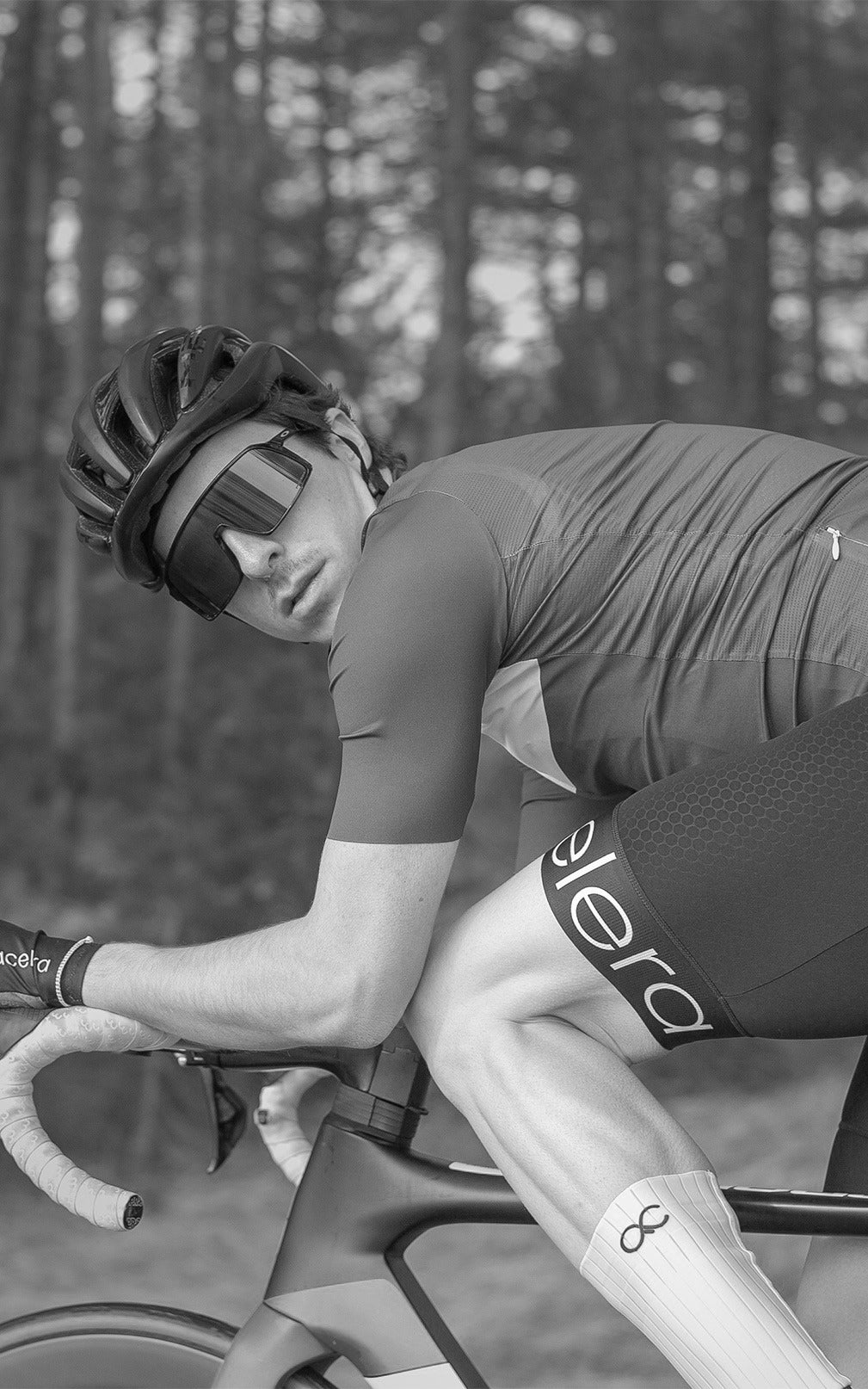
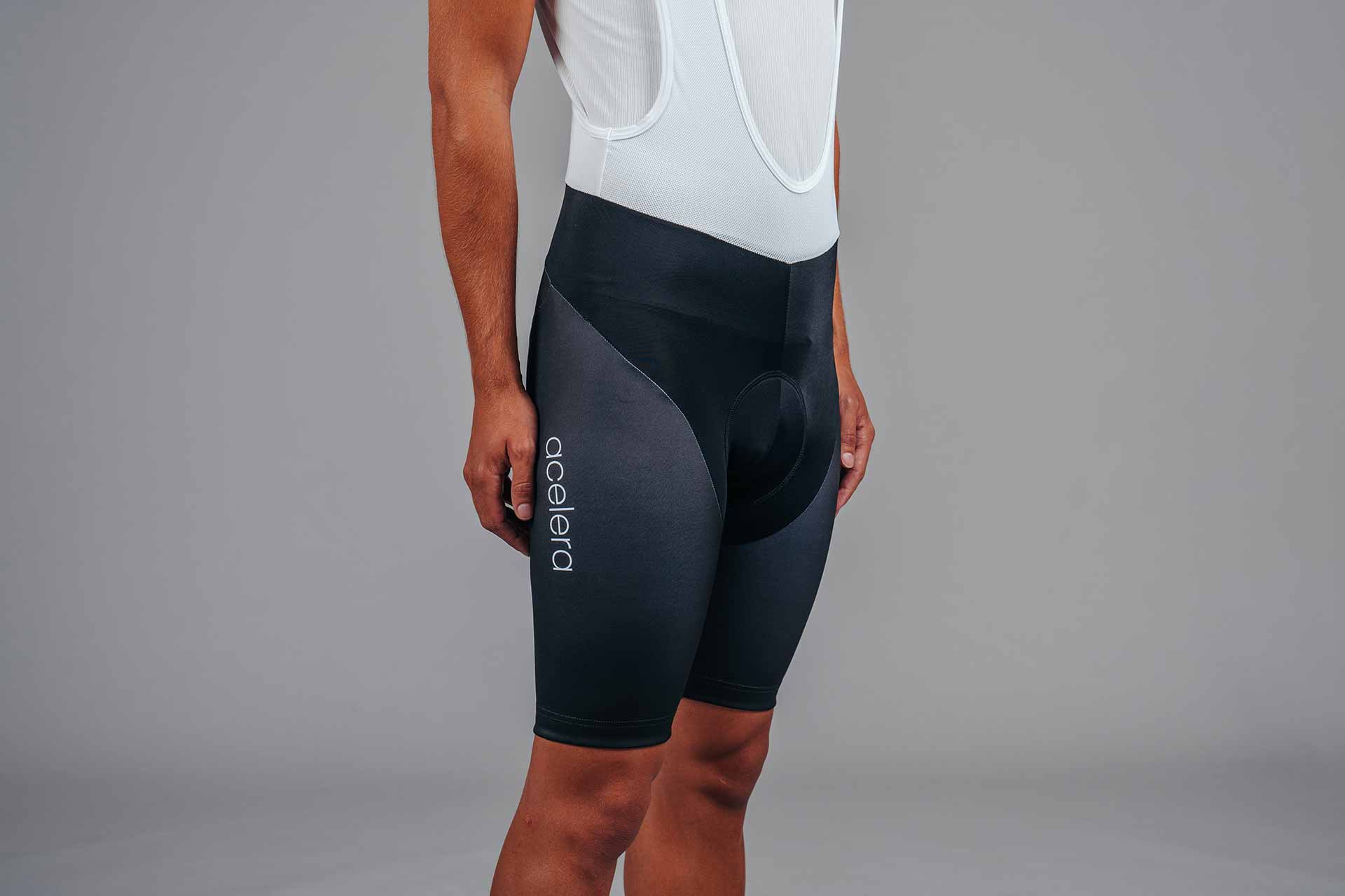
What makes a good pair of bib shorts with chamois pad?
Benefits of cycling shorts with chamois pad
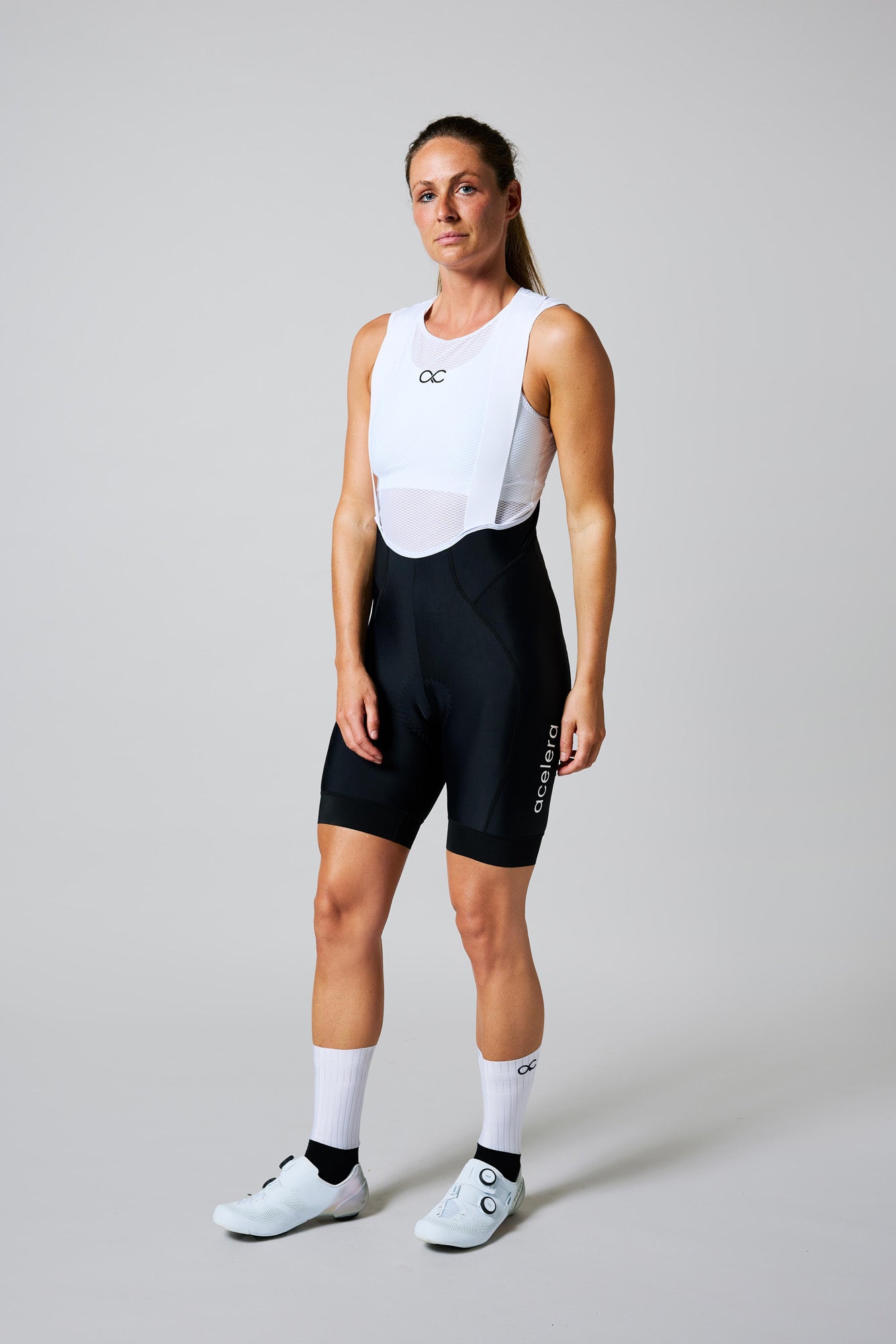
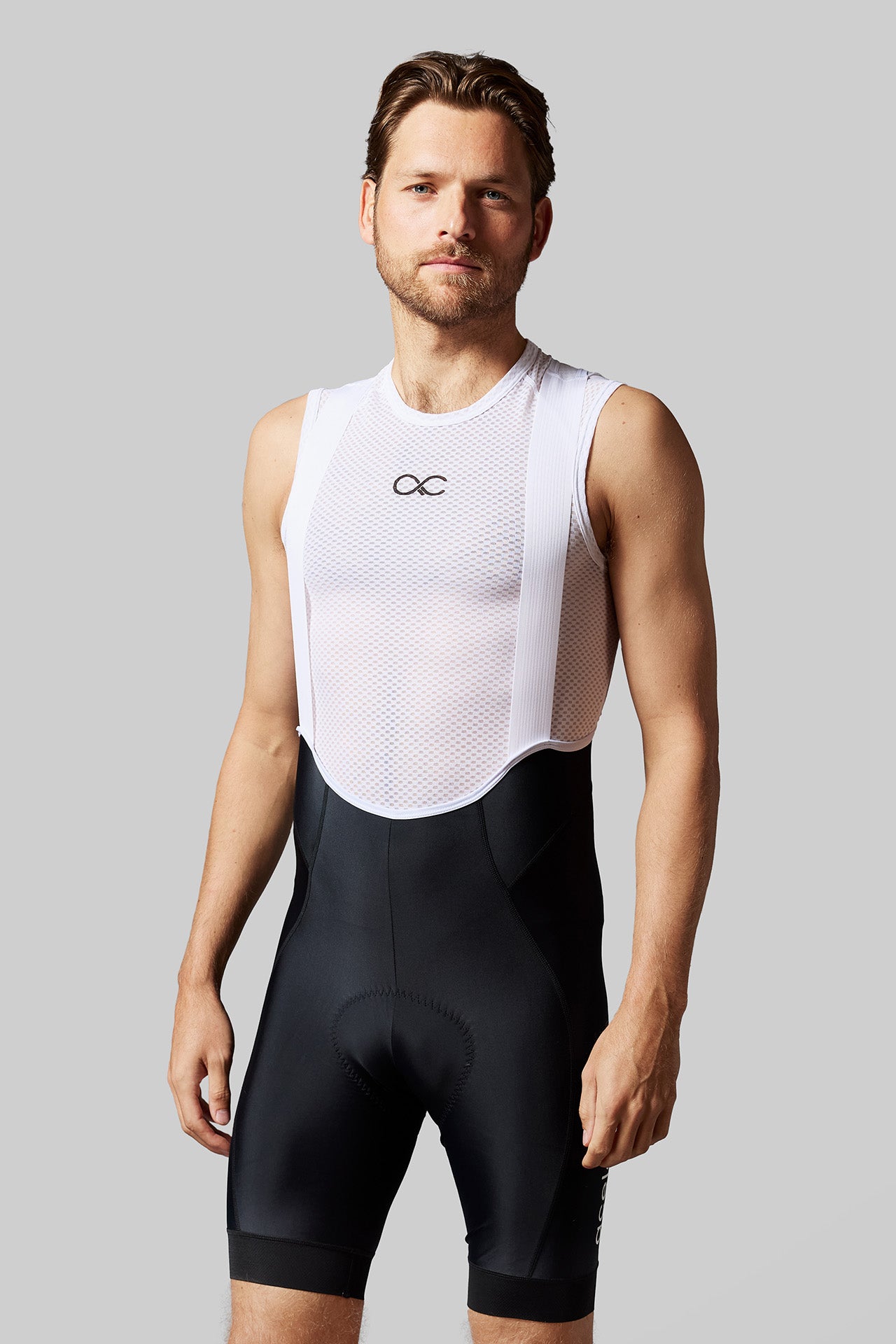
Before we explain what makes a good pair of cycling shorts with chamois pad, we’ll first walk you through the key benefits of cycling shorts with a chamois pad. Because there are many different types of riders, there are also different types of cycling shorts. A dedicated road cyclist who likes to ride fast will usually prefer cycling shorts with a close fit and a thin chamois. Someone who prefers covering longer distances is often looking more for comfort. And besides different types of riders, there are also different disciplines such as: road cycling, mountain biking and gravel riding. While these are different types of cycling shorts, they often offer the same benefits.
The benefits of cycling shorts with chamois pad include:
- Prevents chafing from the legs and saddle (no seams and a special chamois pad)
- Provides comfort while riding by allowing enough freedom of movement
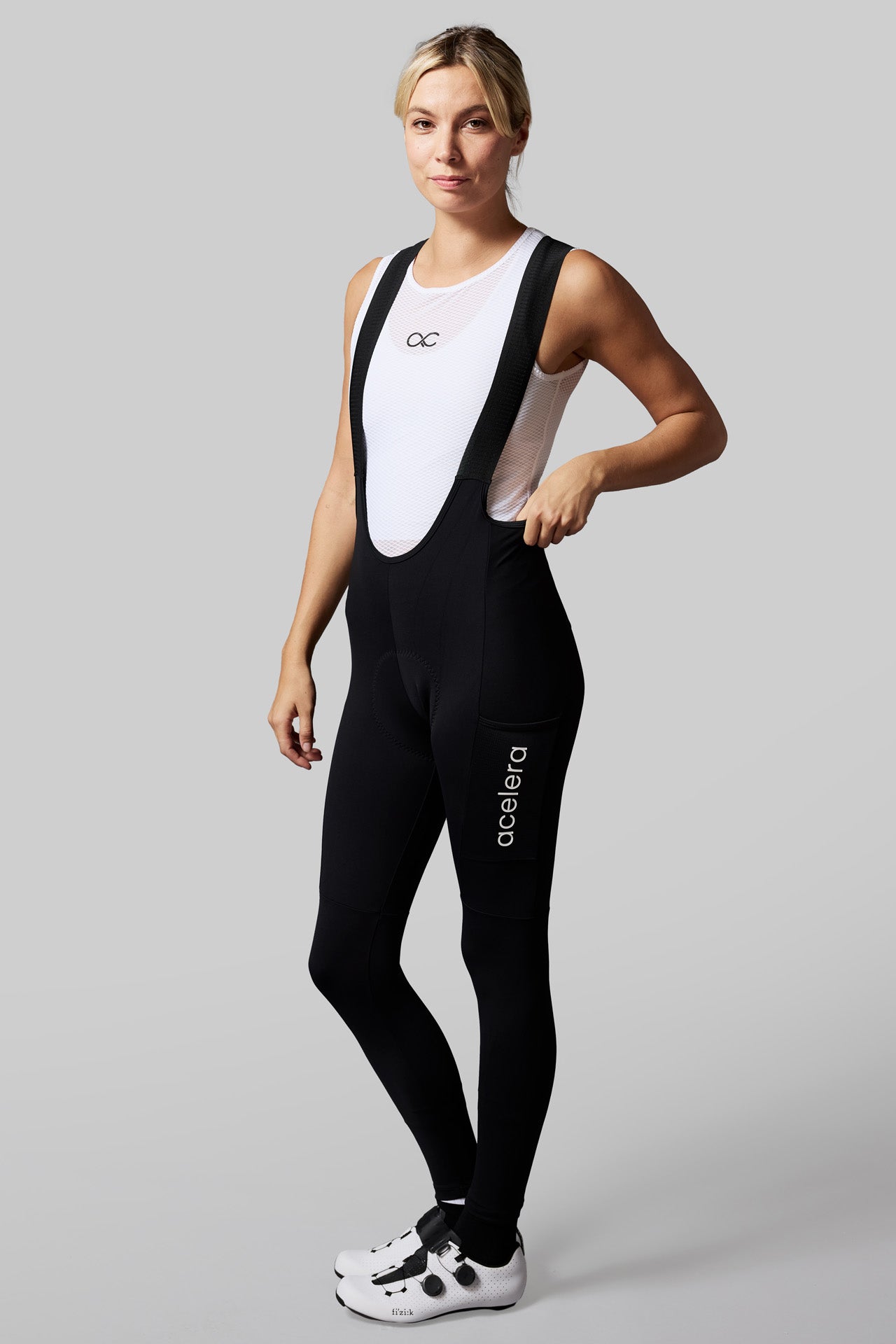
- bib straps to keep the shorts properly in place
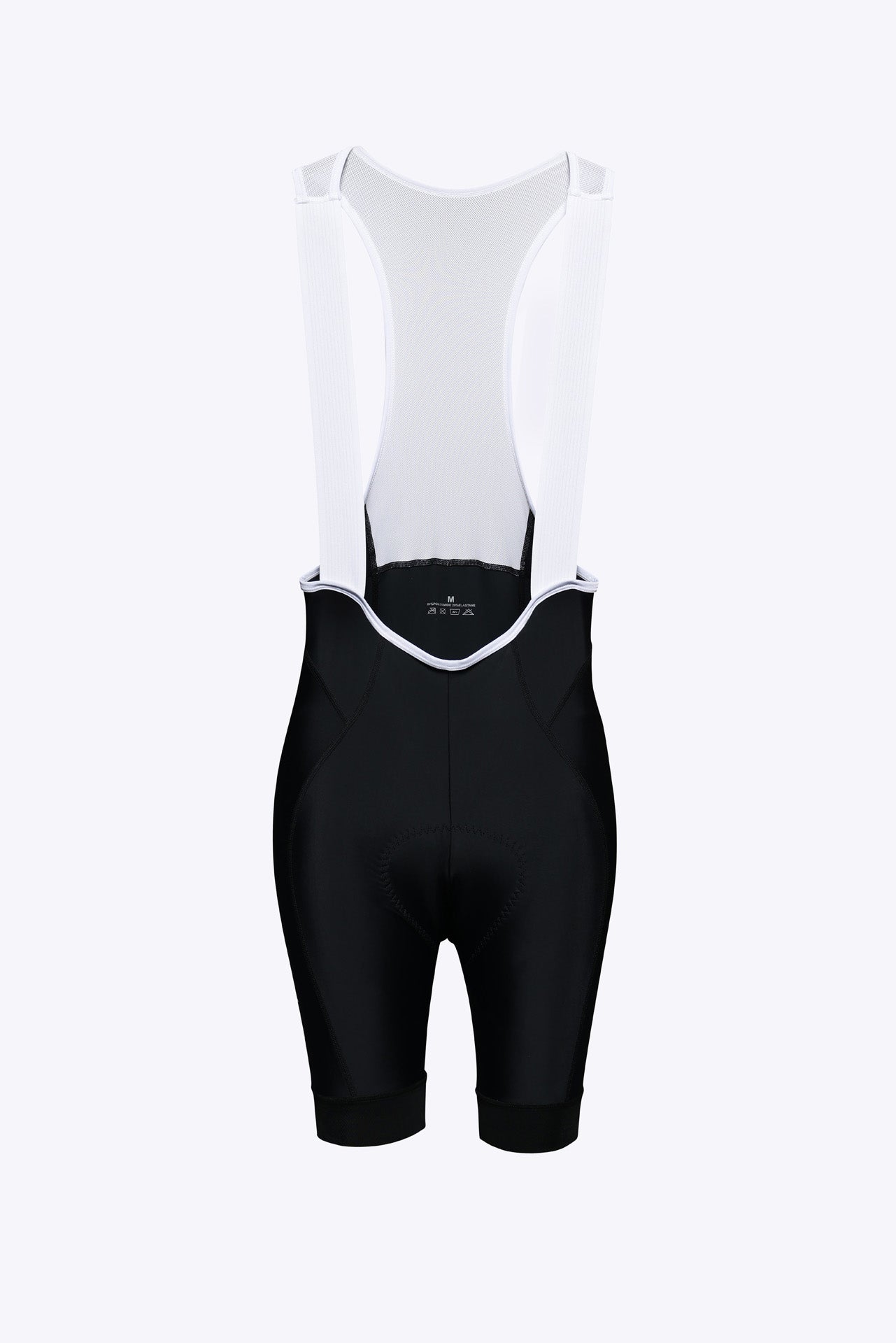
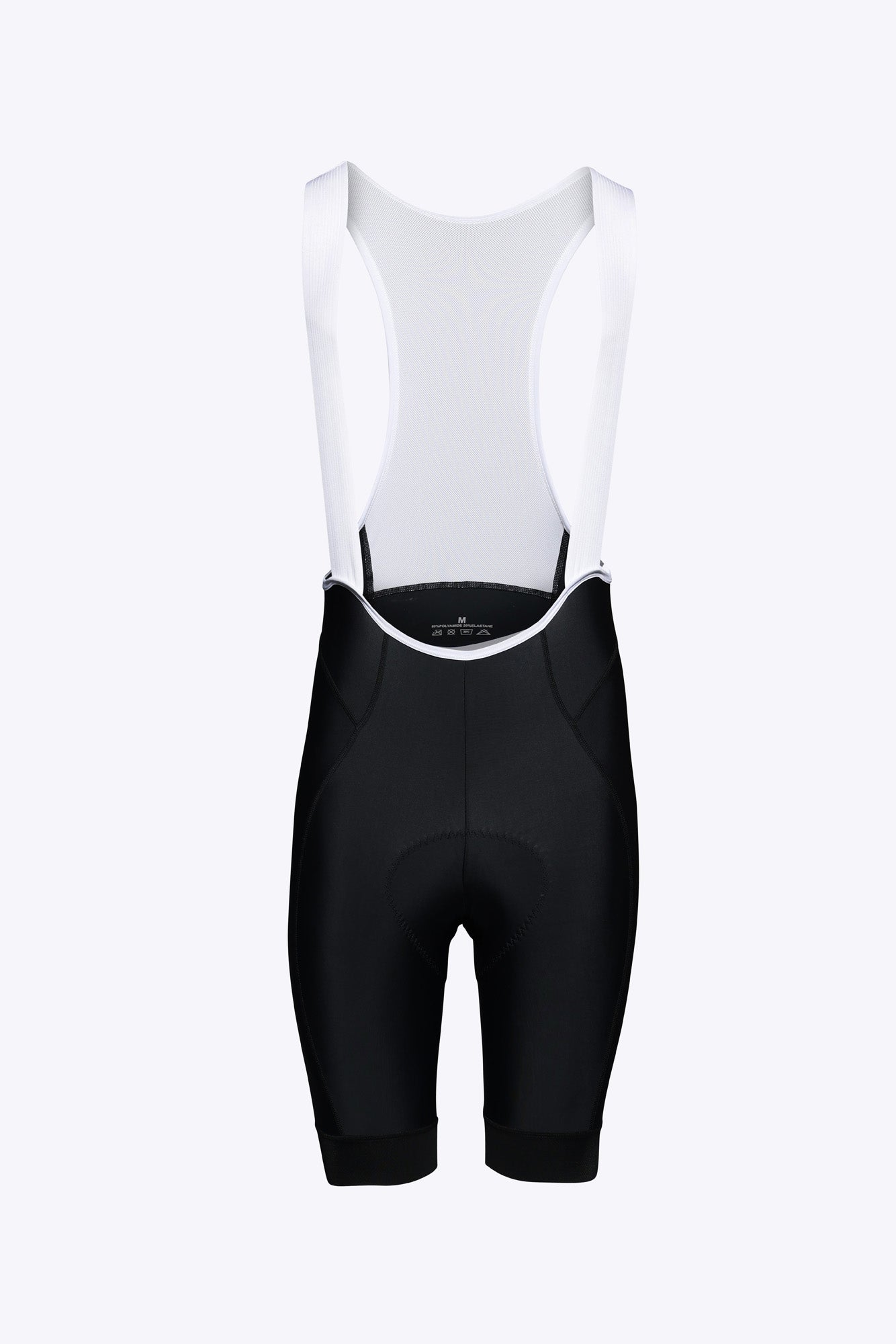
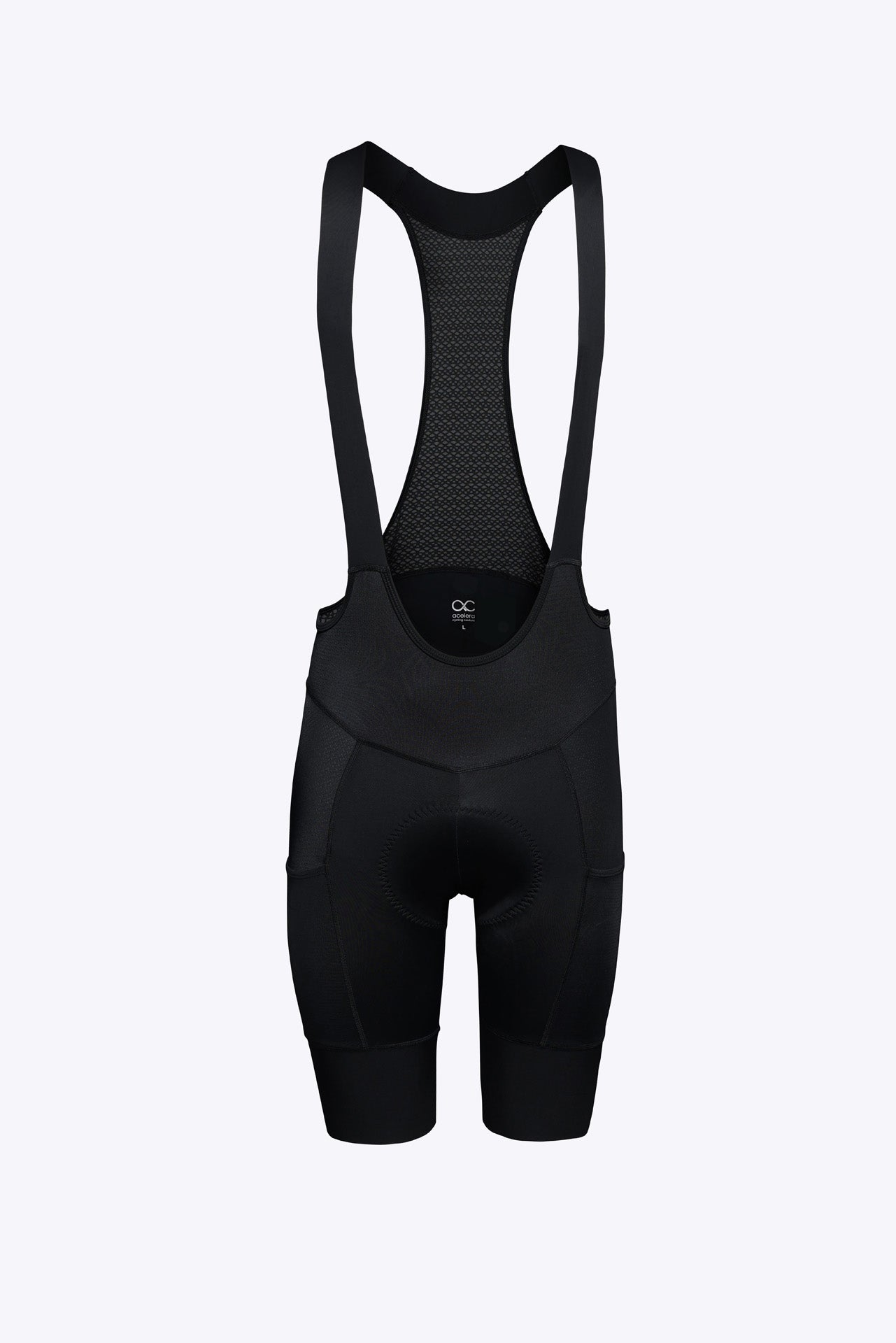
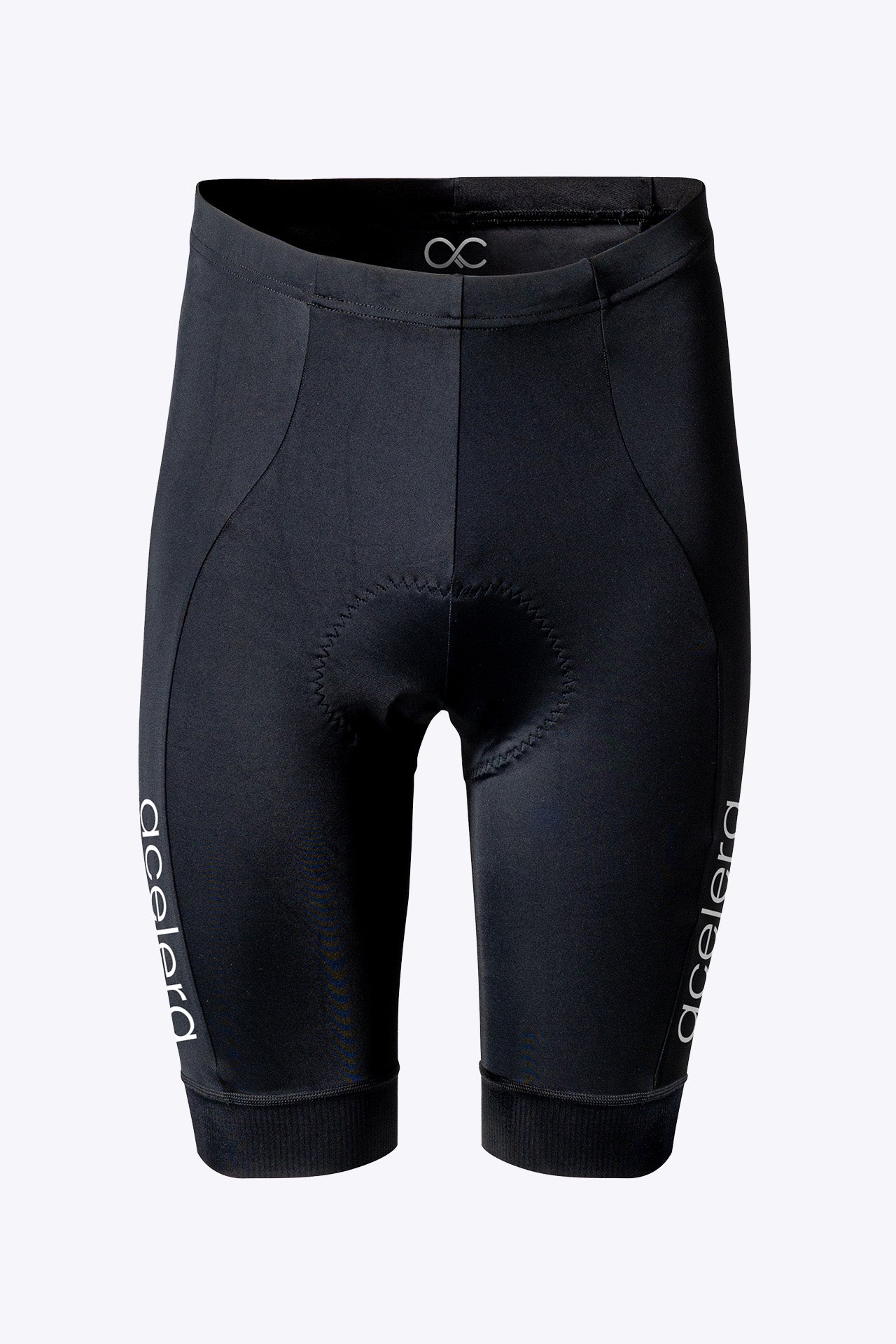
- A chamois pad to relieve pressure on the sit bones
- High-quality fabric that doesn’t wear out from repeated movement against the saddle
- Tight fit so everything stays securely in place

In this blog, we cover the following topics:
- The history and development of cycling shorts with chamois pad
- Fabrics
- The different types of chamois/padding
- bib straps Rubber grippers
The history and development of cycling shorts with chamois pad
When it comes to the history of cycling shorts, there are all kinds of wild stories. Almost everyone knows the myth about a piece of steak in cycling shorts, but fewer people know where the word chamois pad comes from. In the past, the padding was also called a chamois pad, but today men no longer uses leather chamois and instead uses synthetic paddings that improve riding comfort. In the 70s and 80s, cycling shorts were still made with a real leather chamois pad as the padding. That’s why we still often call today’s paddings a chamois pad. Back then, this chamois pad was treated with cream and special oil to prevent friction between the skin and the chamois pad during road cycling. Today, real leather is no longer used, but professional cyclists still use products to help prevent chafing.
As described above, chamois used to be made from leather. That has not been the case for a long time now. These days, cycling shorts are fitted with paddings made from synthetic fabrics specifically designed to provide comfort. The paddings are often built up from multiple layers of foam or gel. In addition, modern paddings are designed to repel moisture so they stay properly dry. Most paddings also receive a antibacterial treatment to prevent unpleasant odors.
Fabrics
Cycling shorts used to be made from heavy fabrics such as cotton and wool. Today, we use lighter and stronger materials like nylon and spandex. Most shorts you’ll find have a composition of around 80% nylon and 20% spandex. Nylon ensures the bib shorts are durable and resistant to wear. Spandex keeps the fabric close to your body, supporting your muscles. In addition, spandex prevents the fabric from shifting, which helps avoid chafing. The balance between nylon and spandex can vary from one pair of cycling shorts to another, but the spandex content should not be lower than 16%, as anything below that reduces comfort and support too much.
The different types of chamois/padding
As mentioned above, there are quite a few different paddings/chamois on the market. Which padding you prefer is often a personal choice. Some people prefer thick over thin or foam over gel. A thick chamois pad has the advantage of providing more cushioning from the road. The downside of a chamois pad that is too thick is that it can start to chafing and restrict your freedom of movement. A thin chamois pad, on the other hand, has the disadvantage of absorbing shocks less effectively, but it does provide better power transfer on the bike. First of all, make sure your saddle is adjusted perfectly, and try moving it slightly between rides until you find the most comfortable position. You’ll notice that this means you no longer need a thick chamois pad.
There are also major differences in the quality of chamois. A thin, high-quality chamois pad provides much more comfort than a thick chamois pad of average quality. So don’t focus too much on the thickness of a chamois pad, but rather on its quality. A good chamois pad is definitely worth the investment, as it delivers more comfort and lasts much longer. In other words: buying cheap ends up costing more.
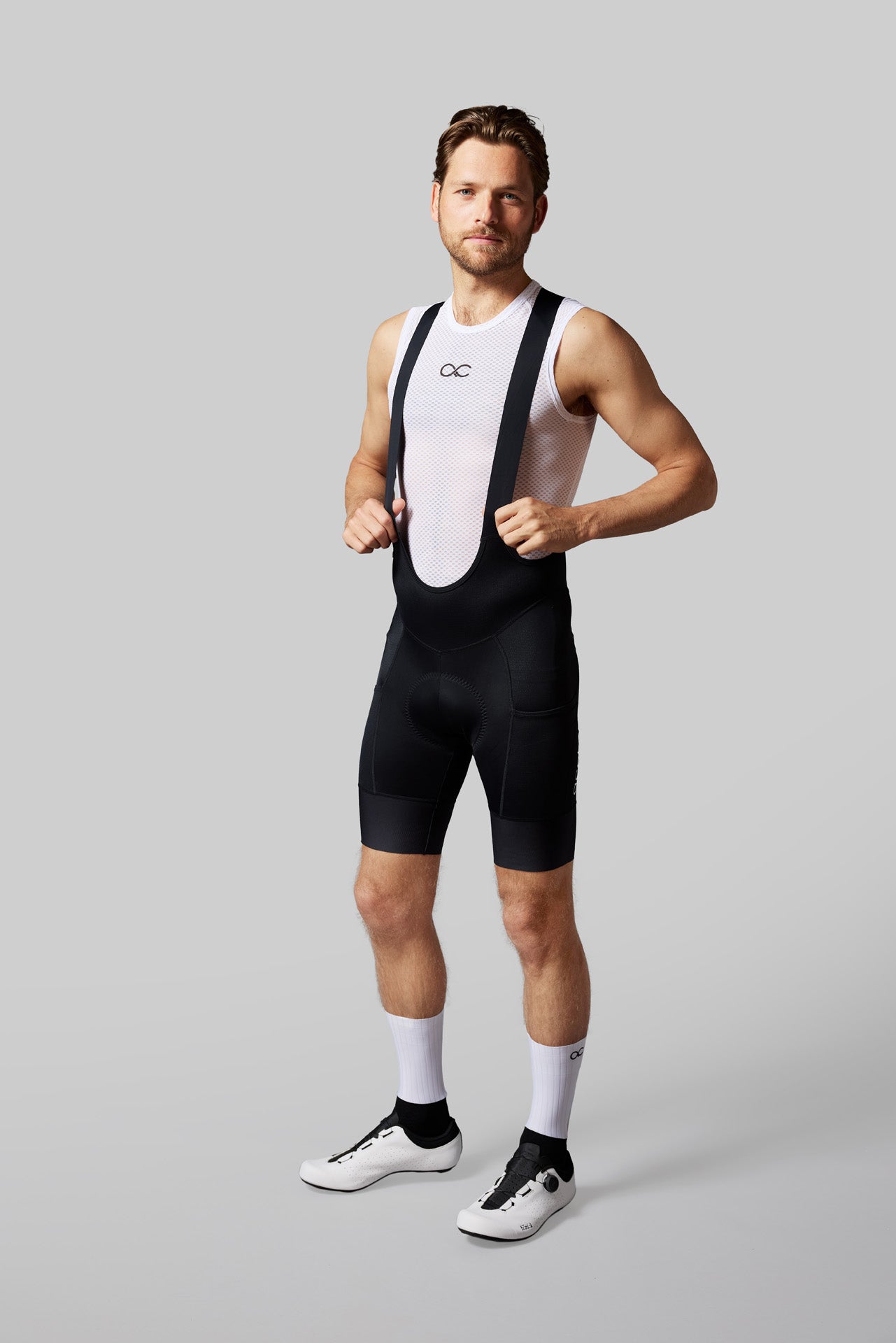
Another aspect of the chamois pad that can vary between manufacturers is the position where the chamois pad is stitched into the shorts. A brand from cycling apparel that focuses on racing can place the chamois pad further back in the cycling shorts. With this placement, the chamois pad sits in the right position for an aggressive riding posture. Other companies that focus more on casual riders may move the chamois pad slightly forward, which improves comfort. At Acelera, we have chosen to extend the padding so that it is suitable for both dedicated and recreational riders.
bib straps
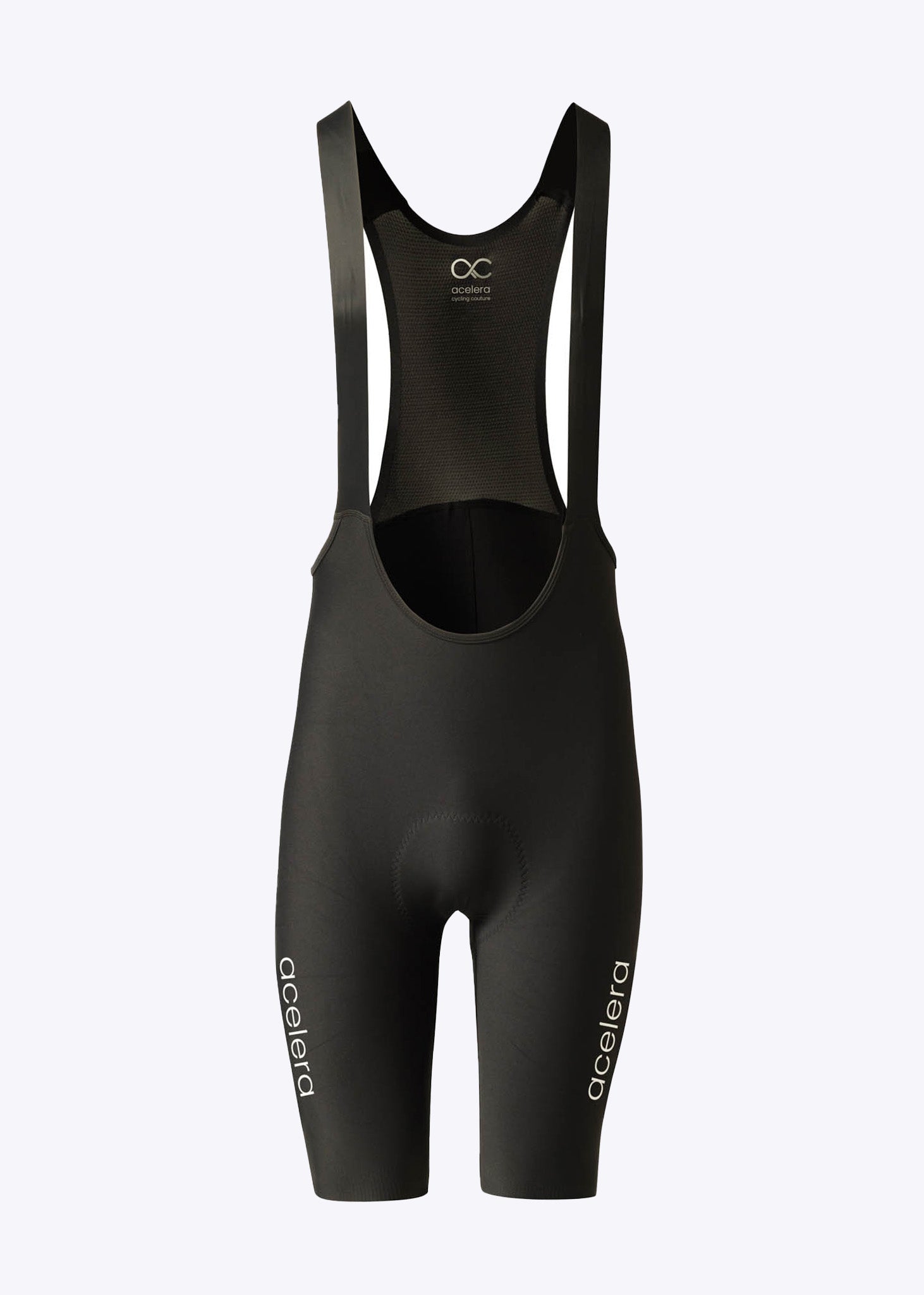
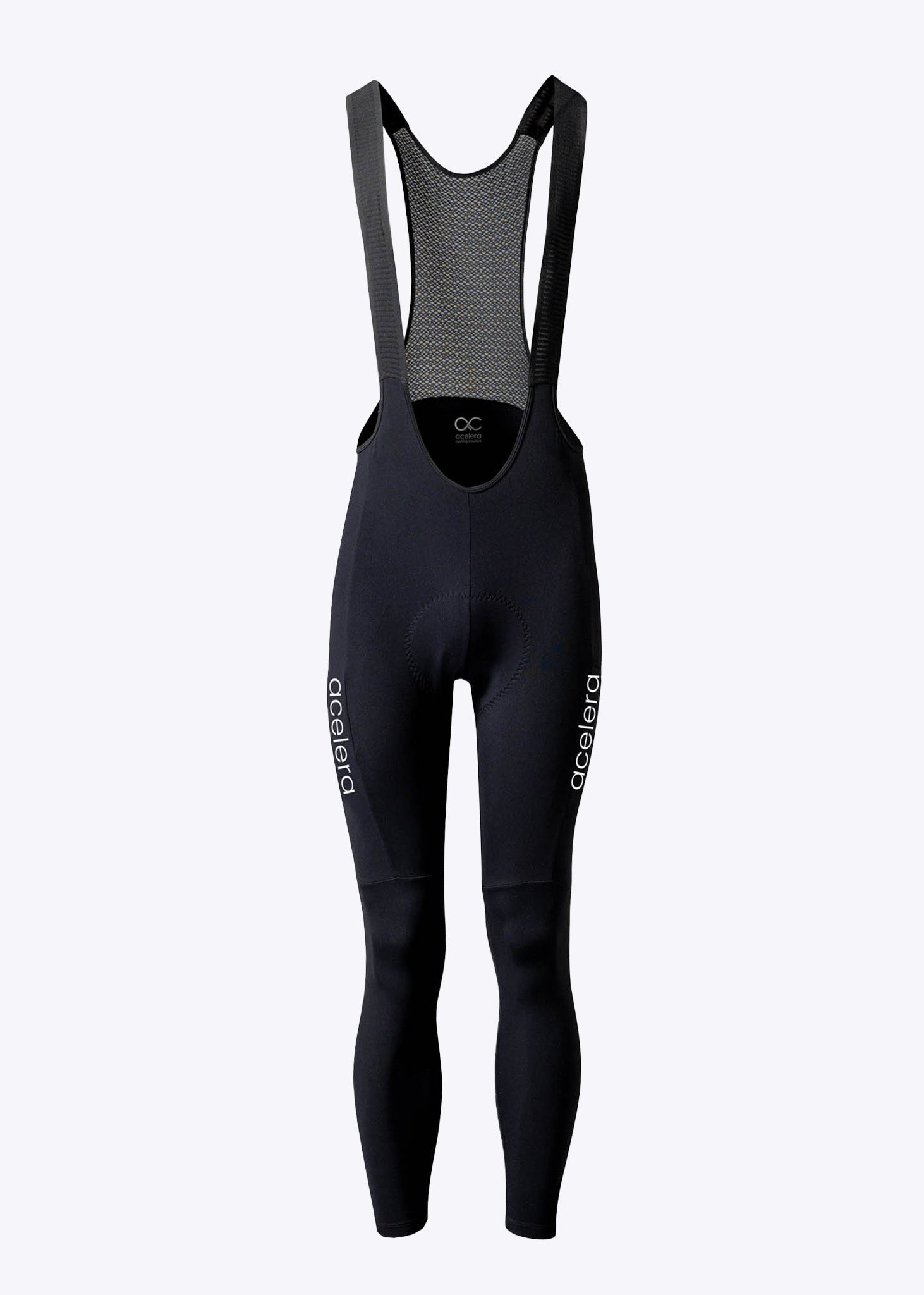
To answer the question straight away of whether a bib shorts should have bib straps: yes. There’s really no debate about that, but we’re happy to explain why. When cycling, you’re not sitting still, and to keep everything in place—especially the padding—you need as much support as possible. A pair of cycling shorts is packed with features designed to keep the padding in the right position. The padding itself has a contoured shape, the leg openings have rubber grippers, spandex is built into the fabric, and cycling shorts are made from multiple panels. The bib straps are an important part of this, as they prevent the cycling shorts from shifting forward or backward.
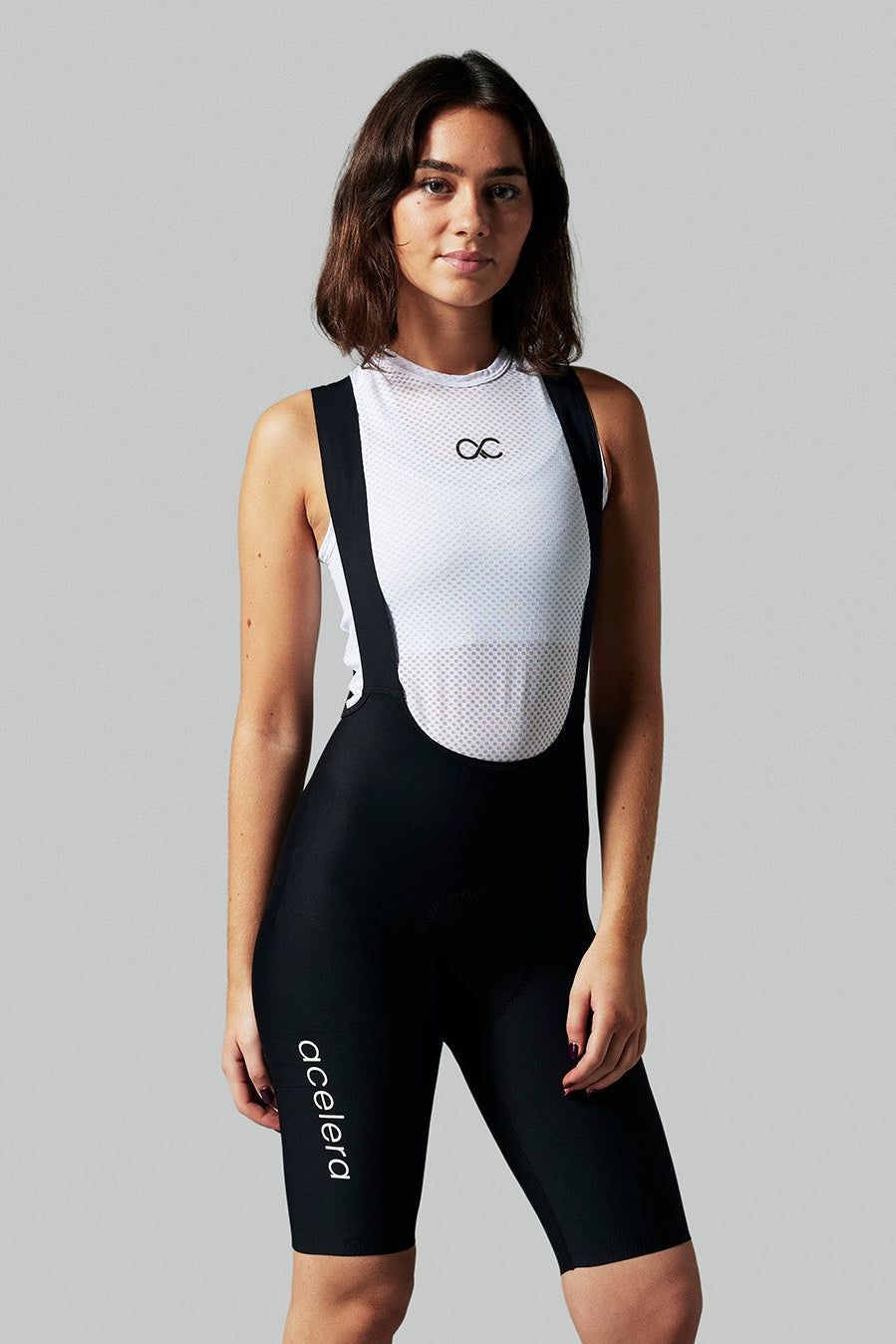
The bib straps usually have straps that are around 3 centimeters wide. They are also often made from elastic material so they don’t dig into your shoulders. The straps of the bib straps should preferably not be wider than 3 centimeters, as they often tend to roll or fold over. For women, there are also bib straps that can be unclipped, making comfort breaks easier.
Silicone grippers
The silicone grippers are integrated into the bottom of the leg openings. You’ll find edges that run all the way around your leg, or leg openings with small sections of silicone built in. There are also thick and thin bands. The grippers are often made from silicone because this material provides a lot of grip on your leg. They help keep the cycling shorts from twisting and stop the legs from riding up or slipping down.
Buying cycling shorts with chamois pad
Last but not least, one more piece of advice when buying cycling shorts. Think carefully about what you want to use your cycling shorts for. Are you looking for comfort or the best performance? Keeping this in mind during your purchase process will help you enjoy your time on the road bike even more!



Leave a comment
This site is protected by hCaptcha and the hCaptcha Privacy Policy and Terms of Service apply.