

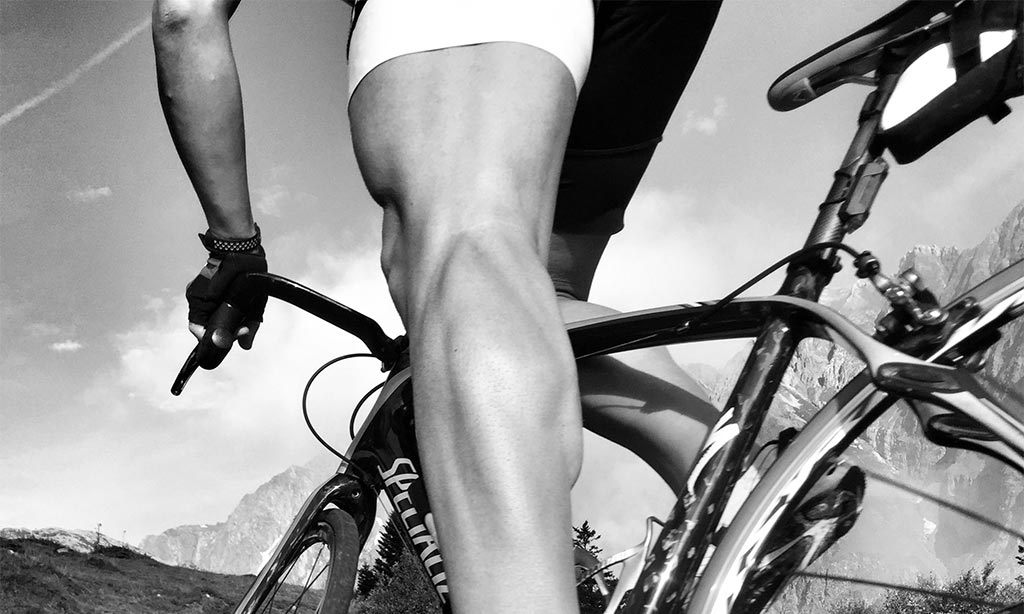
Losing weight and cycling? Ten tips to burn fat on the bike.
During the holiday season, those extra kilos tend to creep on fast. On top of that, you often move and exercise a lot less during winter. Luckily, cycling is an excellent cardio workout that can help you lose weight effectively. Cycling improves heart health, lung function, and blood circulation. It also helps burn fat and calories and supports weight loss. In this article, we discuss the best way to lose weight as effectively as possible on the bike.
How do you lose weight through cycling?
Cycling puts less impact on your body than, for example, running. That means you can train longer and harder on the bike more often. To get the most out of your time in the saddle, it’s important to follow an effective strategy. Read the ten tips below to discover the best way to lose weight on the bike.
1. Set a weight loss goal
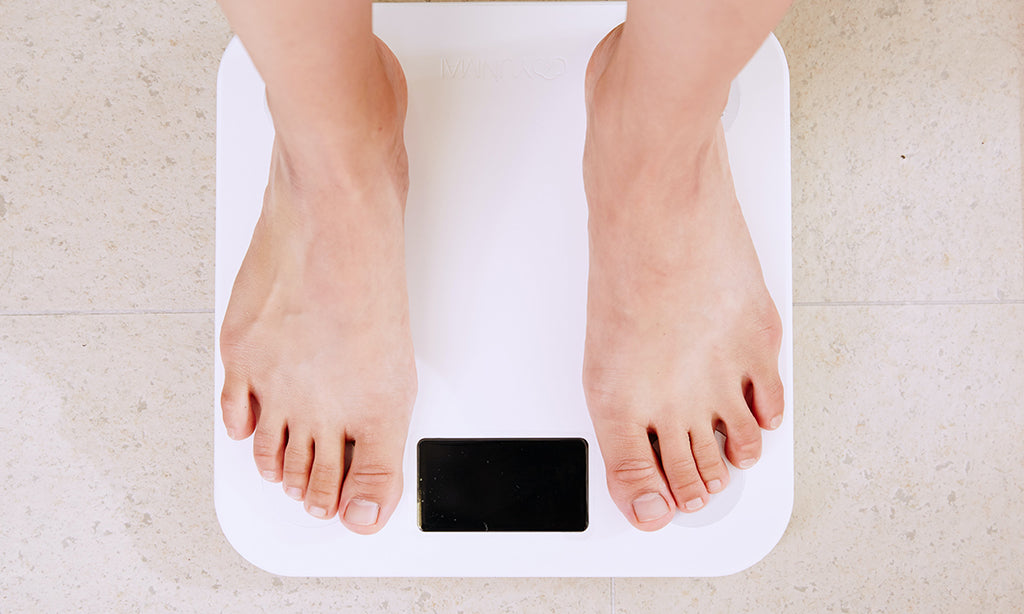
Every good training strategy starts with a goal, and weight loss is no different. First, decide on the period in which you want to train to lose weight. Be realistic. Do you have lots of birthdays or a holiday planned during that period? Be honest with yourself if losing weight will be more difficult then. Next, you can determine a target weight or body fat percentage. A good guideline is the Body Mass Index (BMI). This is a number based on the ratio between your height and weight. The Voedingscentrum has a useful tool that lets you calculate this easily. An alternative is to aim for a certain body fat percentage. A healthy man generally has a body fat percentage of 15 to 18 percent. A man who trains and cycles regularly can reach a body fat percentage of 8 to 10 percent. There are many scales that can measure body fat percentage, so buying one can be a good investment.

2. Increase the intensity of your training
A gentle ride will only help you lose weight little by little. If you push yourself to pedal harder and ride just a bit faster, you increase the intensity of your training. The general rule is: the faster you ride, the more calories you burn! At an average cycling speed of 15 kilometres per hour and a body weight of 70 kilos, you burn around 280 calories when you ride for one hour. Increase your speed to 20 kilometres per hour, and you’ll burn well over 500 calories per hour. So every time you get on the bike, try to give that little bit extra. Track your speed with a bike computer and try to gradually ride a little faster each time. Running out of steam? Try to find that extra push anyway!
3. Pay attention to your eating habits
For most people, this is probably the hardest part of losing weight. Whether you're losing weight for aesthetics, training lean, or dropping weight to perform better: your nutrition is one of the most important factors. A very obvious one: eat less. It’s easier said than done, but with a few tips you’ll get the hang of it in no time. Eat from a smaller plate and serve smaller portions. That way, you create the illusion that you’ve eaten more. Also, eat more slowly. It takes a few minutes before your brain realizes you’re no longer hungry. By taking your time to eat, you’re less likely to overeat. Also make sure to keep your sugar intake as low as possible. Foods high in sugar are very calorie-dense and don’t really satisfy your hunger. On top of that, sugar is clearly negative from a nutritional standpoint. So stop drinking soft drinks and avoid pre-packaged foods as much as possible (jars, sauces, fast food, etc.). Don’t eat too little either; if you’re trying to lose weight, the general guideline is that men should aim for 1,900 calories and women for 1,400 calories. So don’t go below that.
4. Stay hydrated
Drinking water can help with weight loss. And not just because water is calorie-free! Several studies show that drinking 0.5 liters of water can increase the number of calories burned for at least an hour. Some studies show that this can lead to modest weight loss. Drinking water before a meal can reduce appetite in middle-aged and older people. The feeling of being ‘full’ means you eat less. So a lower calorie intake leads to weight loss. Drink 1–2 liters of water per day, mainly before meals. If you’re still drinking soft drinks, replace them with water as soon as possible. It’s the easiest way to reduce your sugar intake.
5. Get enough sleep
Sleep is the silent hero of successful weight loss. Studies have shown that people who sleep six to eight hours per night are much more successful at losing weight, maintaining their weight, and are also less stressed. People who don’t get enough sleep at night are more likely to feel hungry during the day and feel full less quickly when they eat. And of course, a good night’s sleep is essential to help the body recover and build muscle. Especially after an intense ride or hard training session. It sounds simple, but it’s incredibly important; aim for around seven hours of quality sleep every night to give yourself the best chance of losing weight.
6. Add cross-training and stretching to your training routine
Cycling is one of the better ways to train without injury, but still be careful not to overload your body. Especially if you’re just getting started. That’s why it’s smart to add cross-training to your training routine. This helps balance recovery in your legs and spread the load. For cross-training, you can use free weights, do pilates/zumba, or go swimming, for example. Ideally, stretch before and after training. Don’t start cycling until your body feels properly stretched and warmed up. As an addition, you can do yoga to keep your body flexible. All of these exercises help build muscle. The more muscle you have, the more efficiently your body burns calories.
7. Prevent overtraining and take rest
Sometimes you can become overly focused on your goals or target weight. Make sure you don’t slip into overtraining or undereating. Going all-out on the bike while eating too little is not healthy. And it doesn’t work in the long run either. When you ride too hard, especially if you’re just starting out, exhaustion and injuries can quickly creep in. That’s why it’s important to build in proper rest at set times as well. In this blog you can read more about creating a training plan. As a rule of thumb for optimal recovery, take 48 to 72 hours after your last workout. Riding a long ride on Saturday? Then don’t train legs on Sunday or Monday. Also listen to your body. If you’re dealing with serious muscle soreness, make sure you get enough rest.
8. Train using the HIIT (High-Intensity Interval Training) method
HIIT is a great way to challenge your body, reduce fat, and lose weight. With HIIT, short bursts of intense effort are alternated with intervals of low-intensity exercise. On the bike, a HIIT session could look something like this: Ride as fast as you can with high resistance for half a minute to one minute. Then ride for two to three minutes with low resistance. Repeat this pattern for half an hour. By varying the intensity, you burn more calories in less time. According to studies, both HIIT and moderate-intensity continuous training reduced fat mass by 10% after a 12-week program. HIIT programs, however, take much less time than a regular workout and are therefore a more practical option for fat loss. Once you stop pedalling and your training session is over, your metabolism stays elevated. This means your body continues to burn calories at a higher rate, even after your workout has ended and your body has returned to its normal resting state. Combine this with a bit of yoga, as described in tip 6, and you’ll feel reborn!
9. Drink less alcohol
Deep down, we all know it: alcohol is unhealthy and contributes quite heavily to unnecessary weight gain. So try to limit your alcohol intake as much as possible. Finding it difficult? Try rewarding yourself at a few moments during the week. For example, have a beer or a glass of wine at the weekend, but not during the week.
10. Enjoy riding!
One of the most important tips: enjoy your training! If you start a ride or workout reluctantly, you won’t stick with it. Make sure you’re having fun too, and don’t get too fixated on your goals. For example, ride with good music or a great podcast. Join a cycling club if you enjoy riding socially. And think about the benefits of riding regularly: more energy, a better mood, better overall health, and simply enjoying moving your body. Getting outside is a reward in itself and will make you feel good - whether you lose weight or not.

2 comments
Ik drink iedere dag
Sport veel en eet normaal.
Veel groenten geen vlees snoep niet.
Maar mijn wijntje kan ik niet missen.
Nicky
Interessant. Ik mag eigenlijk niet meer wandelen vanwege slijtage van mijn heup. Ik ga meer fietsen, niet op mijn ebike, maar op mijn stadsfiets. Eens kijken of 3 x per week een uur mij lukt om vol te houden. Dus naast wat ik gewoonlijk elke dag al fiets.
Hans de Ridder
Leave a comment
This site is protected by hCaptcha and the hCaptcha Privacy Policy and Terms of Service apply.