

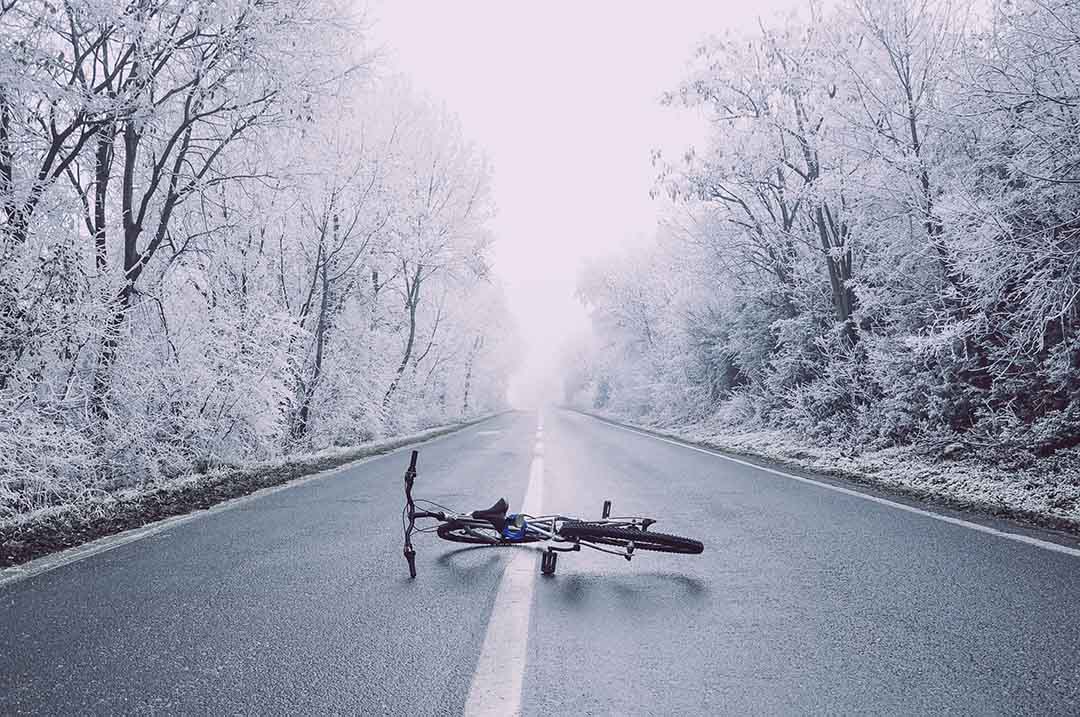
Tips for winter cycling training: 10 useful steps
Winter training is a test of your perseverance, commitment, and motivation for every road cycling. With the 10 tips below, you’ll make sure you hit your goals for the new cycling season!
Training through the cold, dark winter months is sometimes seen as a necessary evil, but it doesn’t have to be. As much as you might want to, sadly you can’t hibernate through winter and jump back on the road bike in March in top shape. So you’ll need to find a way to keep riding (and that can actually be pretty fun). Whether you’ve got a goal like an event on the calendar or you want to raise your level for the new season, here are 10 tips to help you ride your way to success.
1. Make a plan built around your goals
Training without direction probably won’t get you very far, just spinning aimlessly on a Tacx. Luckily, it doesn’t have to be that way: give yourself a clear goal to work towards. First, decide what you want to get out of your winter training. That could be something specific, like increasing your FTP (read more here about what FTP actually means), your five-second power, or working towards a bigger target, like an event a few months later. Start by finding a measurable benchmark that shows where you stand right now. That way you can track your progress and make sure your training is having the desired effect. Write down your results — this is your baseline measurement. To track your progress properly, you’ll need at least a heart rate monitor. Training purely by feel isn’t nearly as effective. A power meter for outdoor rides and a smart trainer or smart bike for indoor sessions provide accurate power data. That makes it much easier to monitor your progress. You can always work with a coach, but we’ve got a feeling you’re looking for a DIY solution. :-) Luckily, we live in the age of ‘there’s an app for that’, and there are plenty of tools to help you stay on top of everything. The ‘TrainingPeaks’ app helps you plan and track your training load. Apps like ‘The Sufferfest’ or the ‘Wattbike Hub’ offer training sessions and short training plans. With the plan builder in ‘TrainerRoad’, you can map out a detailed training plan.
2. Periodize your plan
If you’re creating your own training plan, it’s best to work backwards. Start with the date you want to achieve your goal by — maybe a race — figure out how much time you have until then, and fill in the gaps from there. A typical block for an experienced cyclist might be three weeks, followed by one recovery week. For less experienced riders, this can be reduced to two weeks of higher training load, followed by a week of recovery. A typical plan focuses on endurance first, to build your aerobic base, and then adds intensity as your target date gets closer. These HIIT sessions may only make up two or three four-week blocks, while the rest of the training consists of endurance work.
3. Test yourself and track your improvements
Day one of your plan should start with a fitness test. The goal is to calculate your threshold, whether that’s power or heart rate. Once you have that number, you can work out the rest of your training zones to make sure you’re riding at the right intensity for maximum gains. The most common threshold test is a 20-minute all-out effort, but even experienced cyclists struggle to pace these intervals properly, so the threshold test is a more reliable way to calculate your zones. Schedule a new test at the start of every training cycle, after your recovery week, to reset your zones for the next block. Try to test yourself under the same conditions every time. Factors such as nutrition, caffeine, and fatigue can have a big impact on your performance.
4. Don’t forget to rest
The whole point of training is to stress your body so it adapts. During rest periods, your body recovers and improves, leaving you stronger for the next training block. Ongoing stress without taking time to recover leads to poorer results. Overtraining can suppress your immune system. Because you’re more vulnerable to respiratory infections during the winter months, combined with the current pandemic, recovery is essential for staying healthy. In fact, if you get sick, a large part of the training you’ve done will no longer have the same effect, and you’ll be back to square one.
5. Make it enjoyable
Make sure your training is as enjoyable as possible. Think about listening to your favourite artist or a good podcast when you ride outdoors. Or set up your Tacx in front of the TV with your favourite series.
6. Train smart, not hard
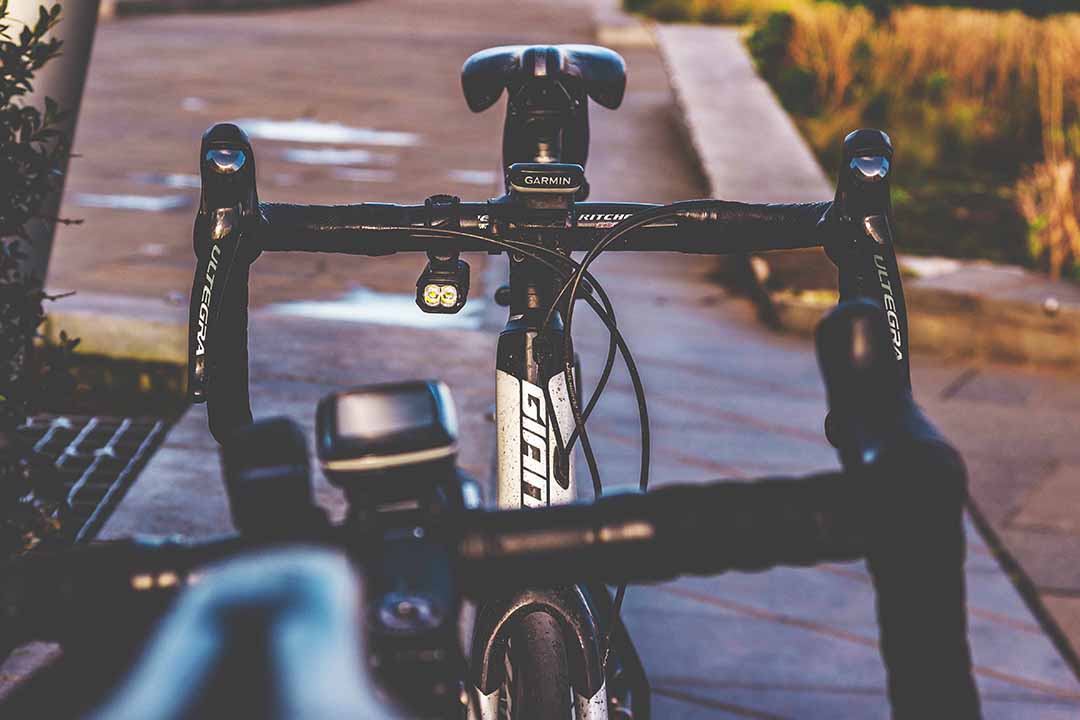
We know you already have endless commitments, so your training has to fit in somewhere between family, work, and running errands. That’s exactly why you need a well-thought-out plan. Instead of pedalling aimlessly, you can use your time as efficiently as possible on the bike. Training indoors helps you build a stable plan and train consistently. But as soon as you can, make sure to get outside and enjoy the ride. And don’t forget your bike maintenance. If you head out in wet winter conditions, your road bike will get dirty faster. Make sure to clean it properly after every ride to prevent premature wear.
7. Train your weak points, maintain your strengths
In theory, focusing on your weak points will make you a better road cycling. But don’t forget that your strengths will take you further too. If you stop training the areas where you excel, they won’t stay your strongest points for long.
8. Don’t be afraid of the weight room
Many cyclists see the world as their gym and their bike as their training equipment, but spending a few hours lifting weights each week can deliver huge benefits on the bike and in everyday life. In the off-season, you can train in the gym two or even three times a week, but when you’re spending more hours on the bike, make sure to keep one session per week focused on strength and conditioning. Time in the gym won’t just increase your overall muscle strength, it will also help keep you injury-free. Better flexibility and stronger muscles, ligaments, and tendons lead to smoother joints and fewer injuries – especially when cycling.
9. Eat well
Your body can’t perform without fuel. A poor diet will hold back your fitness progress. With apps on your phone or smartwatch, you can easily track your calorie intake and expenditure. The goal is to refuel your body properly so you’re ready for the next session. Aim for whole meals with a good balance of protein, carbohydrates, and fats. Eating on the bike is just as important. Not eating during a ride of a few hours won’t do you any favors. The result: less progress, a weaker session, and poorer recovery.
10. Find a routine and remove excuses to avoid skipped sessions
When planning your training blocks, consider how your workouts fit into your daily routine and try to fill the gaps between your real commitments and responsibilities with training. A routine in which training is a structured part of your week helps ensure that other responsibilities don’t overshadow the limited hours you already have, but be realistic; there are only so many hours in a day. That said, at some point life will get in the way of your training, and flexibility and adaptability are key to making sure a session can be moved rather than skipped altogether.




Leave a comment
This site is protected by hCaptcha and the hCaptcha Privacy Policy and Terms of Service apply.