


The biggest doping scandals in cycling
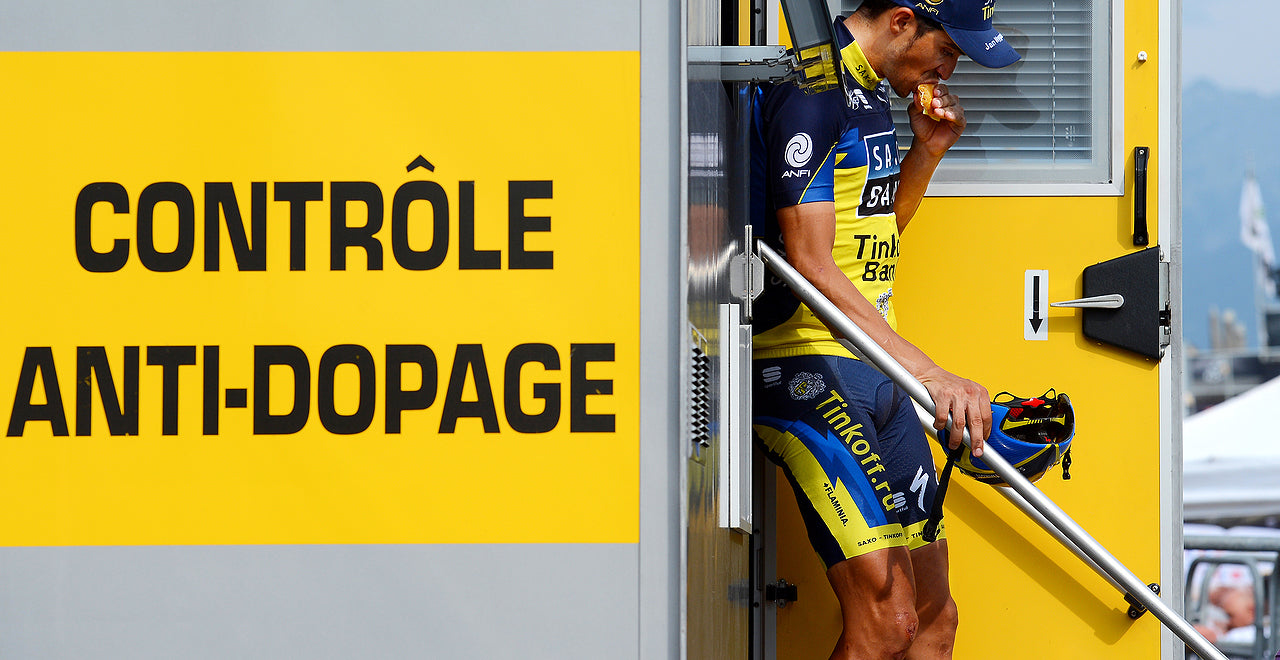
Cycling is a top sport that receives a lot of attention worldwide every year. It is an intensive sport where there is a lot of pressure on the cyclists to set the best time. This has led some cyclists to turn to illegal substances to help them while cycling and thus better cope with the enormous pressure. However, the use of doping is illegal and the players are severely punished for this. The use of doping is not new in sports, it has been done for centuries. However, due to its clearly negative health effects, it was declared illegal in 1928 by the World Athletics Federation. It was only decades later, in 1967, that the Olympic Games organization declared doping illegal. In 1999, the World Anti-Doping Agency was established to combat doping worldwide.
Doping is not only illegal because it provides an unfair advantage, it is above all very dangerous drugs that sometimes result in death. Therefore, before we open a book about the biggest doping scandals that have occurred in cycling, it is important to know what exactly doping is and what effect doping has on the human body.

Types of doping and their effect
Doping use is not linked to cyclists alone. Many top international athletes have been guilty of this. Doping is one Performance Enhancing Drug, so you will perform better. Every year the list of illegal doping is updated by the World Anti-Doping Agency. There are different types of doping that have different effects on the body. A substance is a doping if it meets at least two of the following three criteria:
- It improves performance
- It poses a health risk to the athlete
- It is against the 'spirit of the sport'
Whether a substance meets this requirement is therefore determined by the World Anti-Doping Agency.
One of the most common types of doping falls under the category of stimulants. Stimulants such as amphetamines are widely used in cycling, but also in football and athletics. The result of using these stimuli is improved endurance, by reducing the feeling of fatigue and pain. In addition, users can focus better. However, what is also important to note is that the use of stimulants has been directly linked to, among other things, an increased risk of seizures, heart attacks and even sudden death. Due to the serious risks involved, athletes are also routinely tested for it.
Hormonal doping is another common and dangerous form of doping. Hormones can increase protein production in the body, and therefore directly contribute to increasing muscle mass. An example of this is human growth hormone. However, the major disadvantage of this drug is that it can cause low blood sugar levels, swelling of the extremities, bone overgrowth and even heart attacks.
The last one we will mention is blood doping. Using this increases the number of red blood cells in the blood, so that the muscles receive more oxygen. This gives you better endurance and more strength. However, what you can also get from it is, among other things, a heart attack and blood clots. These are serious health risks, which may make you wonder why doping is so widely used.

Doping incidents in cycling
One of the first times that doping use came into the spotlight was after the death of the English cyclist Tommy Simpson in 1967. The cyclist died during a round in the Tour de France due to a combination of heat, fatigue, alcohol and doping (although this was never officially announced). Because recordings were made of the match, there was a lot of international concern about the accident. Not entirely coincidentally, the organization of the Olympic Games banned the use of doping that same year.
Probably the most famous example of doping abuse is that of seven-time Tour de France winner Lance Armstrong. The American cyclist used doping during each of his victories between 1999 and 2005, which eventually came to light when teammates reported doping use. The World Anti-Doping Agency then conducted an extensive investigation into Armstrong and found him guilty. He lost his victories and was also banned from the sport for the rest of his life. Armstrong himself initially denied it for a number of years, but eventually admitted the use during an interview with Oprah. He indicated that it had to do with the culture within the sport, also indirectly indicating that it was common for top cyclists to take illegal substances. This led to other cyclists feeling that they had to do this too to have a chance of winning at all.
This was by no means the only accident that occurred in the Tour de France. In 1998 it was so bad that the competition was nicknamed Tour de Dopage got. That year, doping was discovered in many teams, including a Dutch team, after which many people were arrested. It started with Willy Voet, a Belgian physiotherapist, who was caught with many types of doping in his car. This doping was intended for cyclists from different teams. Voet was arrested and confessed to what he had done. He kept close records in a book of how much and what kind of doping he gave to different riders, which is why well-known cyclists such as Gert-Jan Teunissen were also caught in this way years after the criminal offense.
It caused a lot of commotion within the teams in the Tour de France that same year. There were even riders from Spanish and Italian teams who decided to quit and leave the Tour due to the intensive treatment they received. The finish is ultimately not reached by more than half of the peloton. It goes down as one of the most infamous Tour de France races ever.
Another discovery of large-scale doping use was the Fuentes case. This is also a more recent incident, namely 2006. A large shipment of doping is found in the clinic of a Spanish doctor. Here too, it later turned out to mainly be cyclists as end users. As a result, several riders are banned from starting just before the start of the Tour de France. One of the teams, Astana, ultimately has to hand in so many starting tickets that they can no longer start the Tour.
There are more examples of doping abuse in cycling, and many more suspicions. Cycle wisely!
Would you like to read more about cycling and everything surrounding it?
Sign up for the newsletter and receive the latest news.





Leave a comment
This site is protected by hCaptcha and the hCaptcha Privacy Policy and Terms of Service apply.